
Iberian Explorer on Viking Vela: Premium Ambitions, Mixed Deliveries
After years of being buried under kilograms of glossy brochures, digitally ambushed by a daily avalanche of “exclusive offers,” and having my television time rudely interrupted by solemn Nordic voices promising cultural enlightenment, I finally cracked. Viking had worn me down. The Viking Difference, they said. Destination-focused. Culturally enriching. The world’s leading small-ship cruise line. At some point, curiosity stops being curiosity and becomes a survival mechanism.
So, armed with a healthy dose of scepticism and a finely tuned allergy to cruise marketing, I decided to investigate whether these promises existed beyond slow-motion shots of violins, longboats, and impeccably groomed silver-haired couples gazing thoughtfully at sunsets. I knew in advance that some of my online comments would likely trigger the defensive reflexes of Viking’s most devoted digital guardians. That was never the point. Feedback is a gift—even when it arrives as a cold shower—and I was quietly hoping Viking might at least tolerate it, if not embrace it.
When you accept a rather confident price tag, it seems fair to look beyond glossy accolades and long lists of awards—many of them generously sponsored—and examine the less polished side of the experience as well. Marketing tells you what a company wants you to believe; reality tells you what actually happens when the cabin door closes and the brochure is back in the drawer.
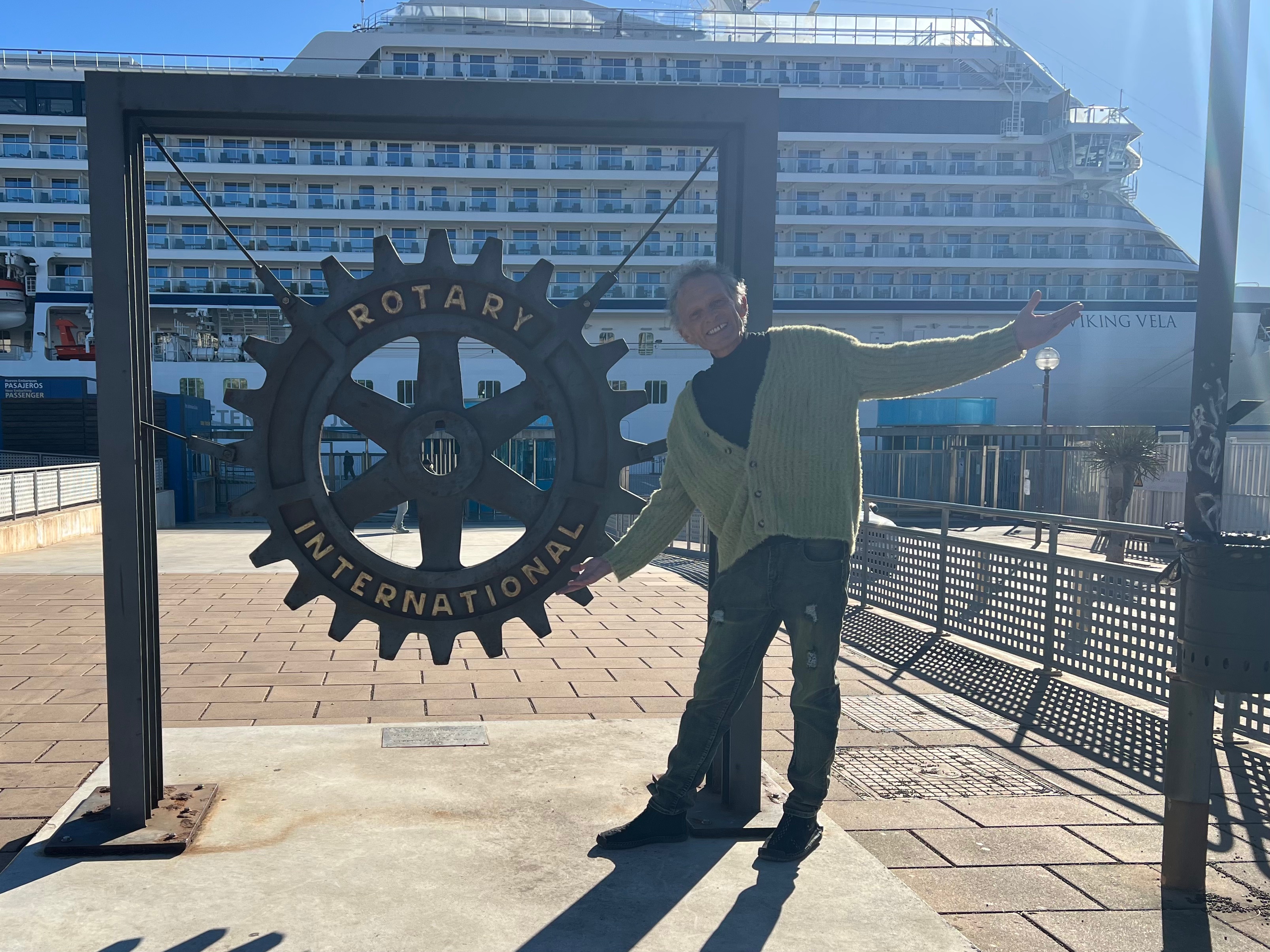
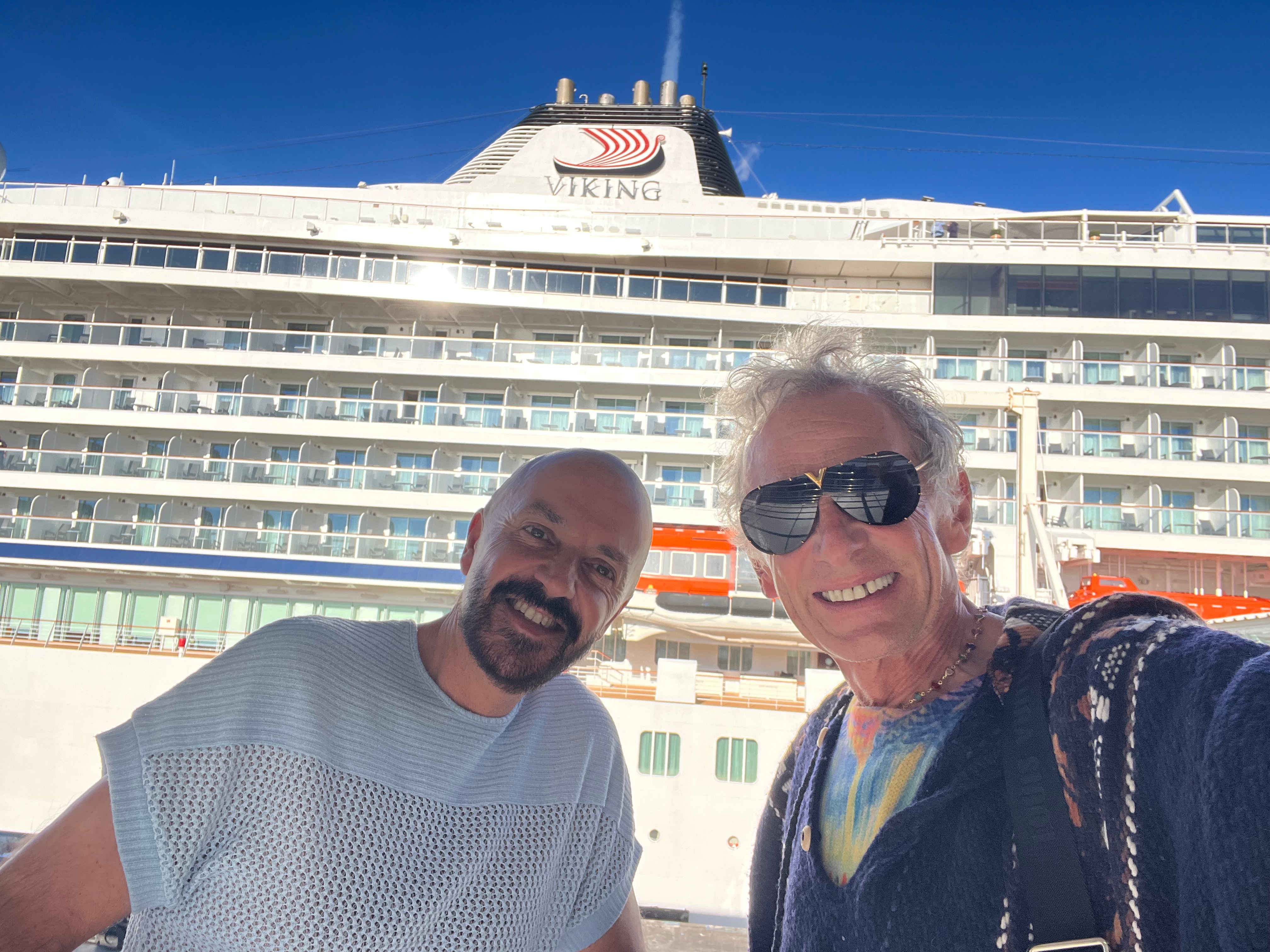
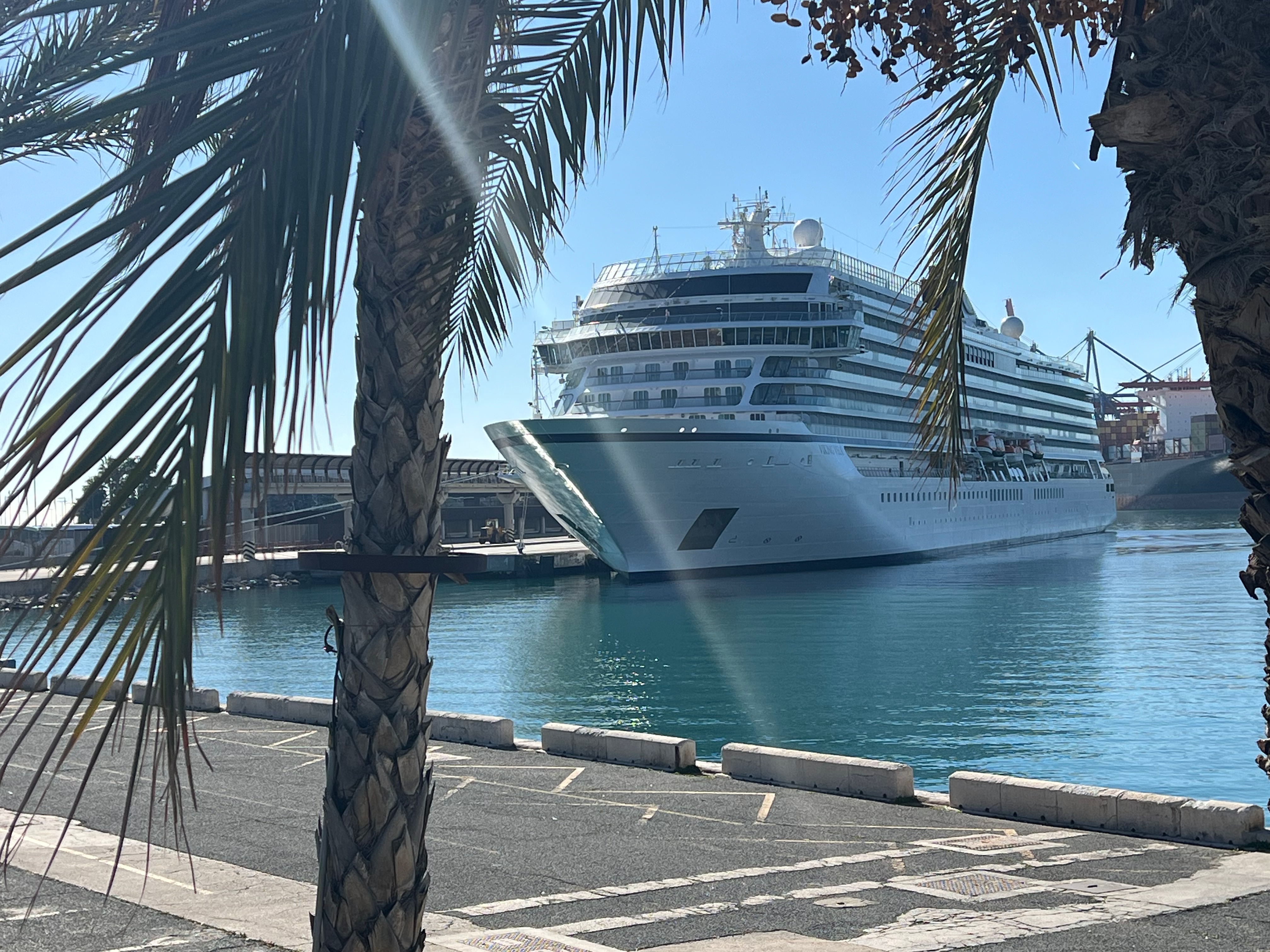
The experiment was simple: one week, one ship, one itinerary. Enter Viking Vela, sailing the Iberian Explorer route from Barcelona to Tilbury. No waterslides, no photographers ambushing you mid-blink, no cocktail packages requiring a spreadsheet to understand. Just me, the ship, and Viking’s carefully curated mythology—ready to be tested where it matters most: on board, in real life, far away from violins, sunsets, and the soothing voiceover promising perfection.
So let’s look at my experience on Viking Vela, using Viking’s own preferred tool of measurement: the post-cruise questionnaire. The one where complex experiences are neatly compressed into four reassuring boxes—Far Above, Above, Met, or Below Expectations—and nuance is politely asked to wait outside.
Still, rules are rules, so I decided to play along and apply it honestly to the essential elements of life on board. From the ship and service culture to dining, excursions, communication, and the handling of feedback, each category was quietly assessed—without Nordic background music or marketing voiceovers.
Some areas genuinely exceeded expectations and deserve proper credit. Others did exactly what was promised. And a few, unsurprisingly, justified the existence of the “Below Expectations” option.
This isn’t a rant or a love letter—just a reality check, using Viking’s own language.
Click here to see the Trailer of the “Iberian Explorer”: https://youtu.be/QRpDvbUzoek?si=96YQx_vv0_pcP_-4
THE SHIP – ABOVE EXPECTATIONS
With a capacity of 998 passengers, 54,300 gross tons and 499 staterooms—every single one with a private balcony—Viking Vela confidently occupies that premium, borderline-luxury niche Viking knows how to market so well. Launched in December 2024, she belongs to the second generation of Viking Ocean ships: marginally larger, marginally wider, and perceptibly airier than her older sisters. Familiar? Absolutely. But also more refined.
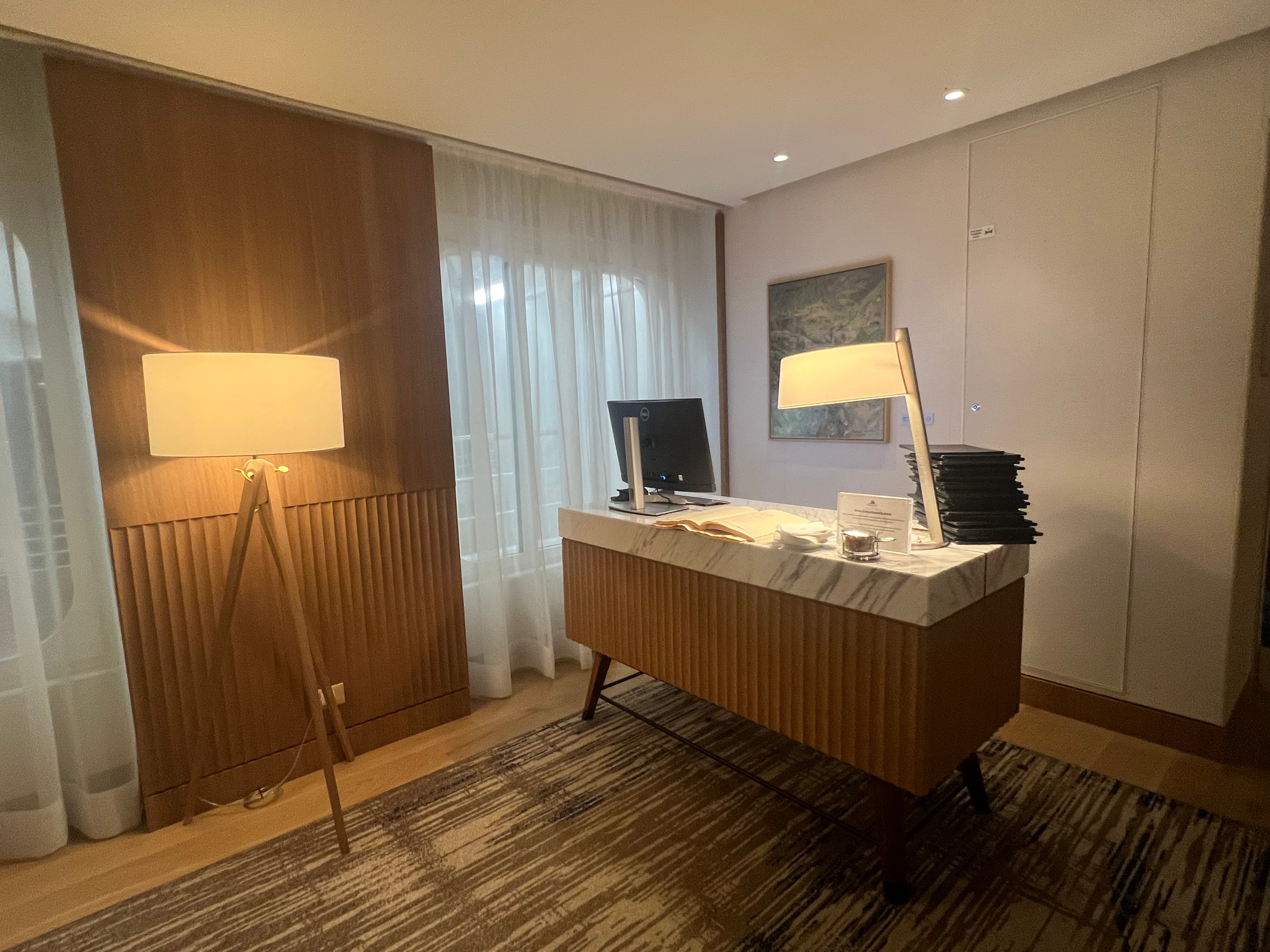
This adult-only vessel, the tenth in the fleet, is very much about evolution rather than revolution. The deck plan is reassuringly consistent, wrapped in Viking’s trademark Scandinavian aesthetic: pale woods, soft fabrics, clean lines and a calming colour palette. Nothing here screams for attention. This is design that whispers—politely, persistently, and with quiet self-assurance.
Natural light floods the interiors through expansive windows, while evening lighting is warm and intelligently subdued, never theatrical. The atmosphere gently encourages conversation, reading, or contemplative gazing into the horizon with a glass of wine—possibly while reflecting on Nordic philosophy. Perhaps a little too much Nordic philosophy, actually. Viking heritage and the Hagen family narrative are omnipresent, from public spaces to cabins, to the point where one half-expects a bedtime story about the company’s origins.
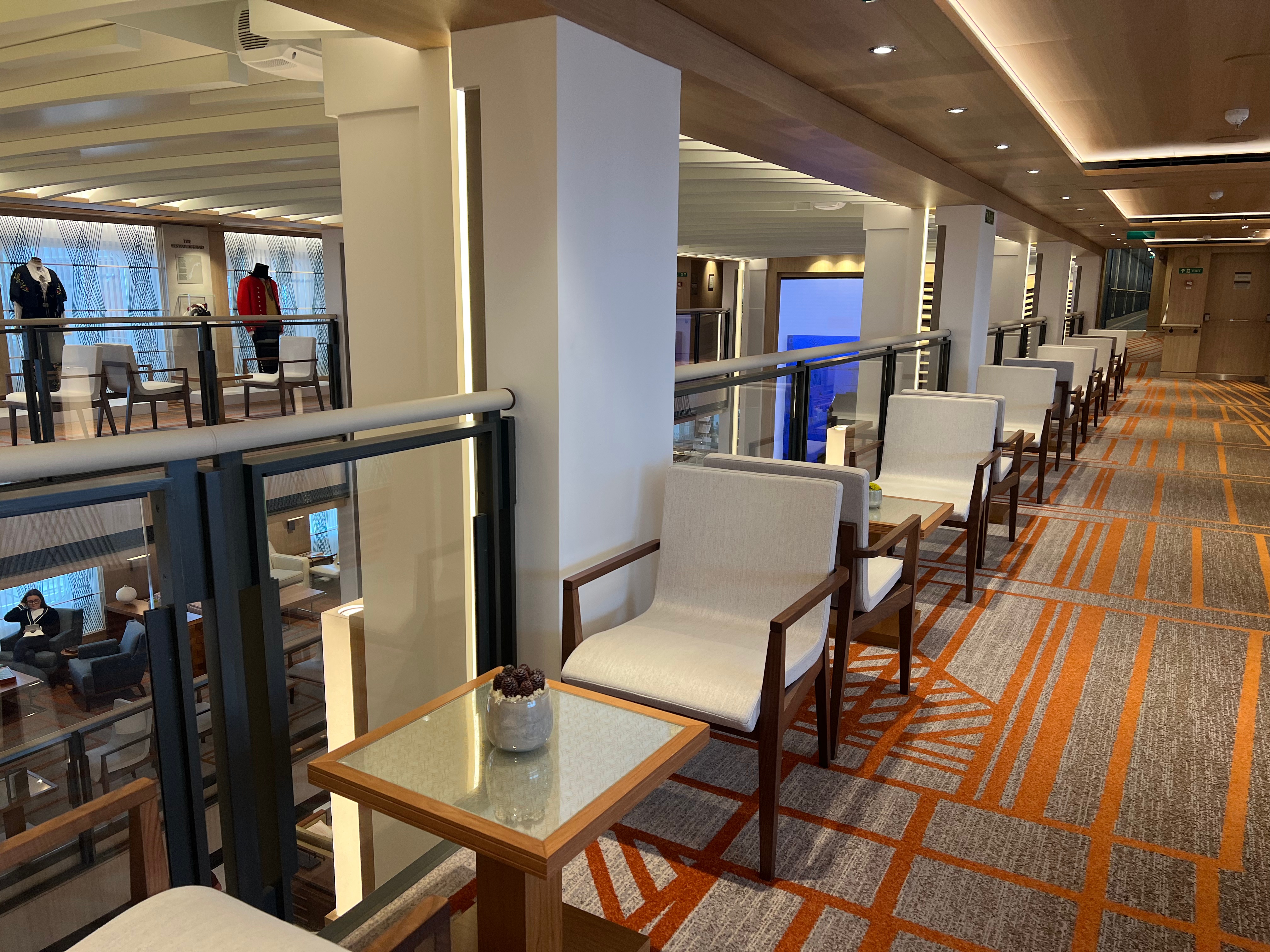
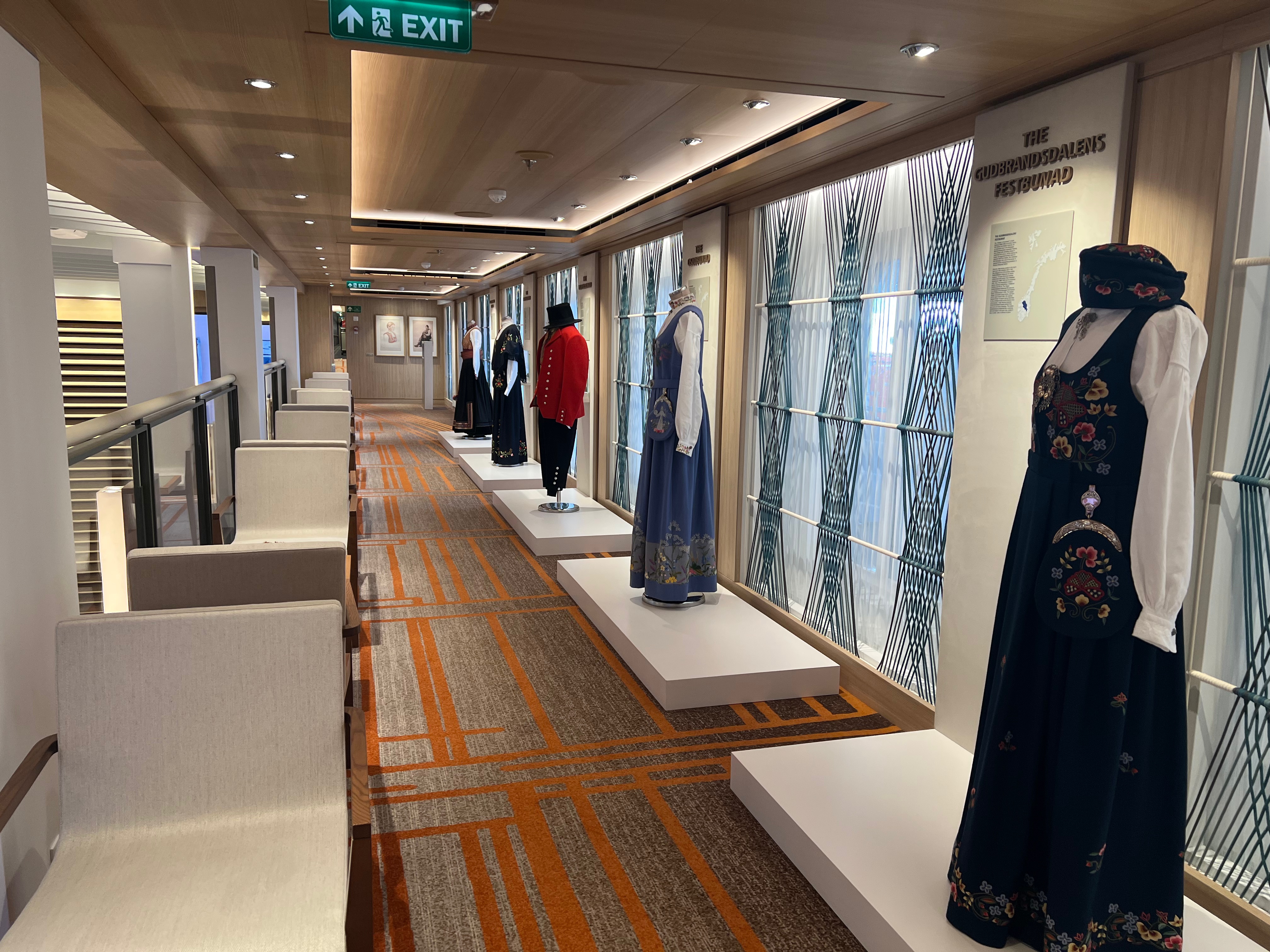
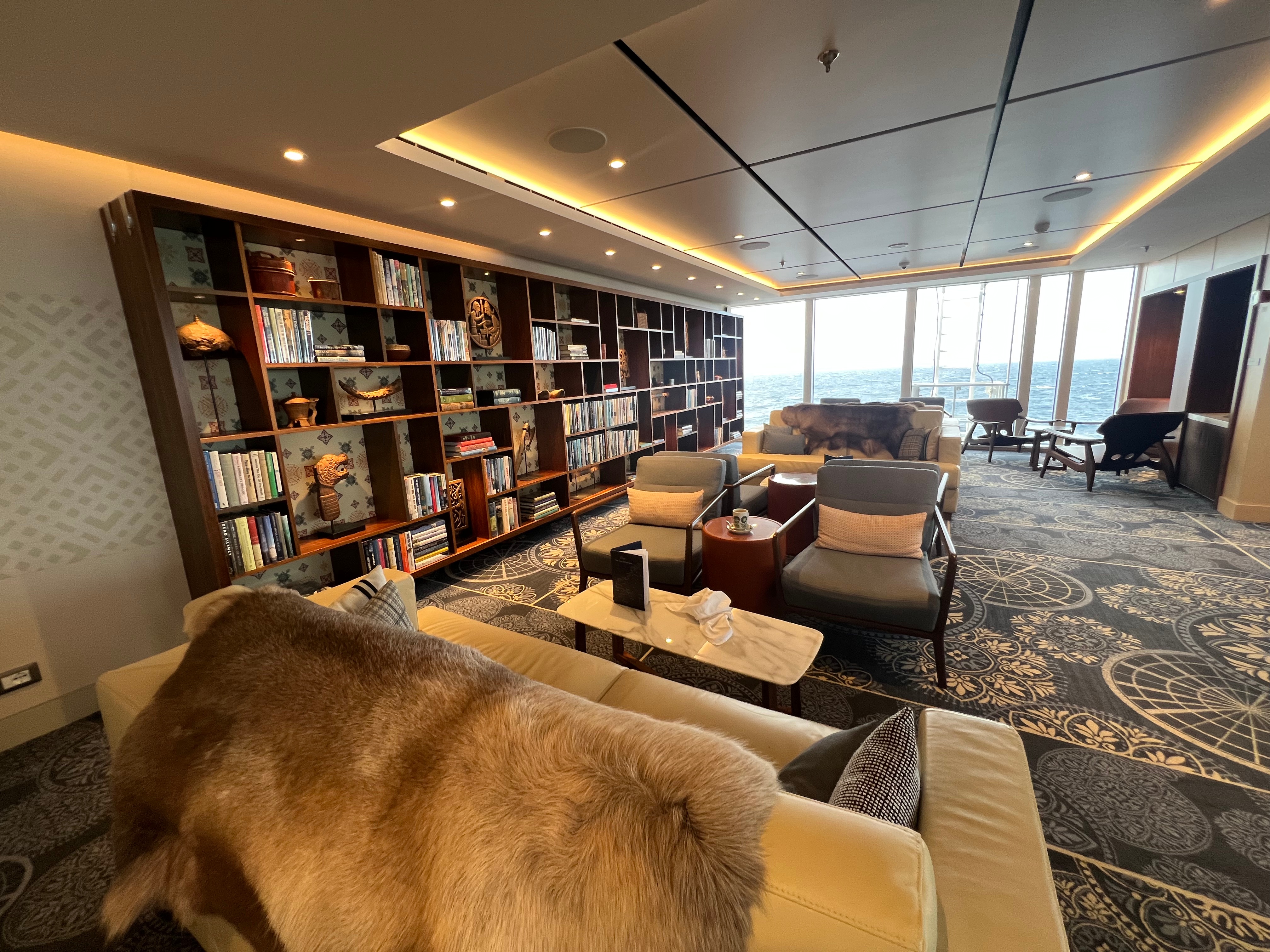
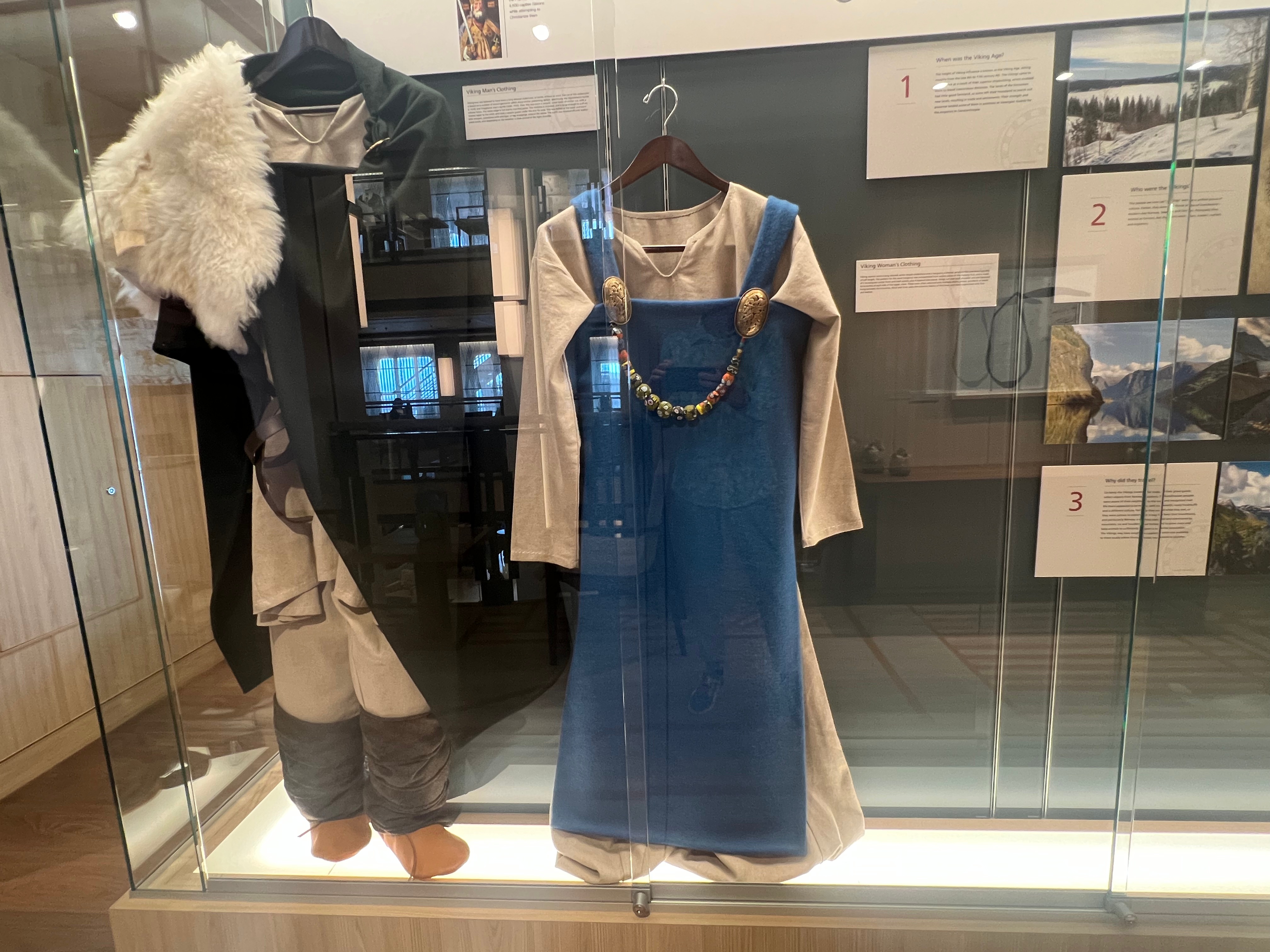
Navigation is refreshingly intuitive; thanks to the ship’s generous width, elevators feel optional rather than essential. Outdoor decks are particularly well designed, allowing uninterrupted walks around the ship—always a pleasure at sea. The sole smoking area on Deck 8 felt oddly restrictive given the enthusiastic smoker turnout, but it quickly became an unexpected social hub. Silver linings, Viking-style.
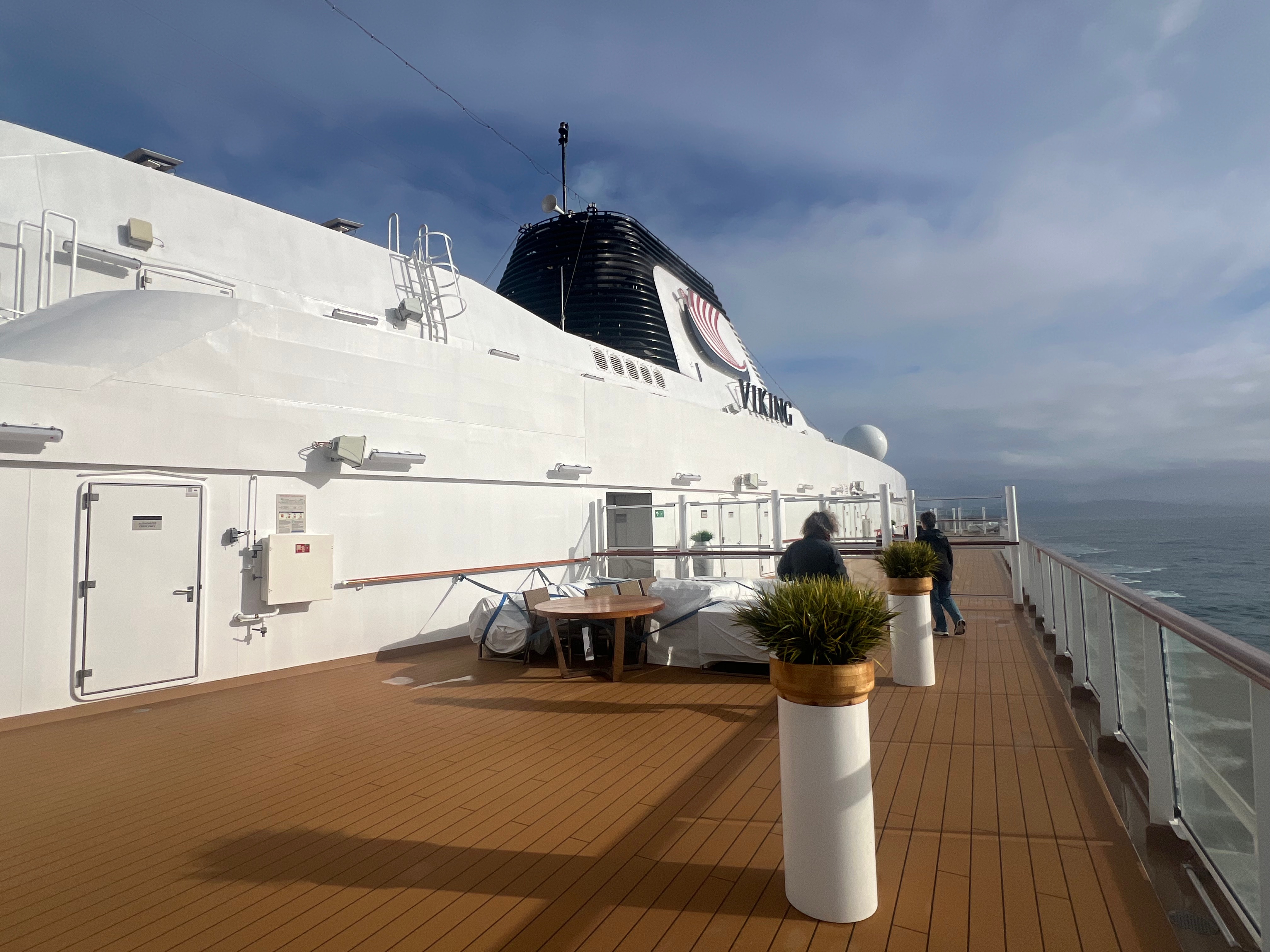
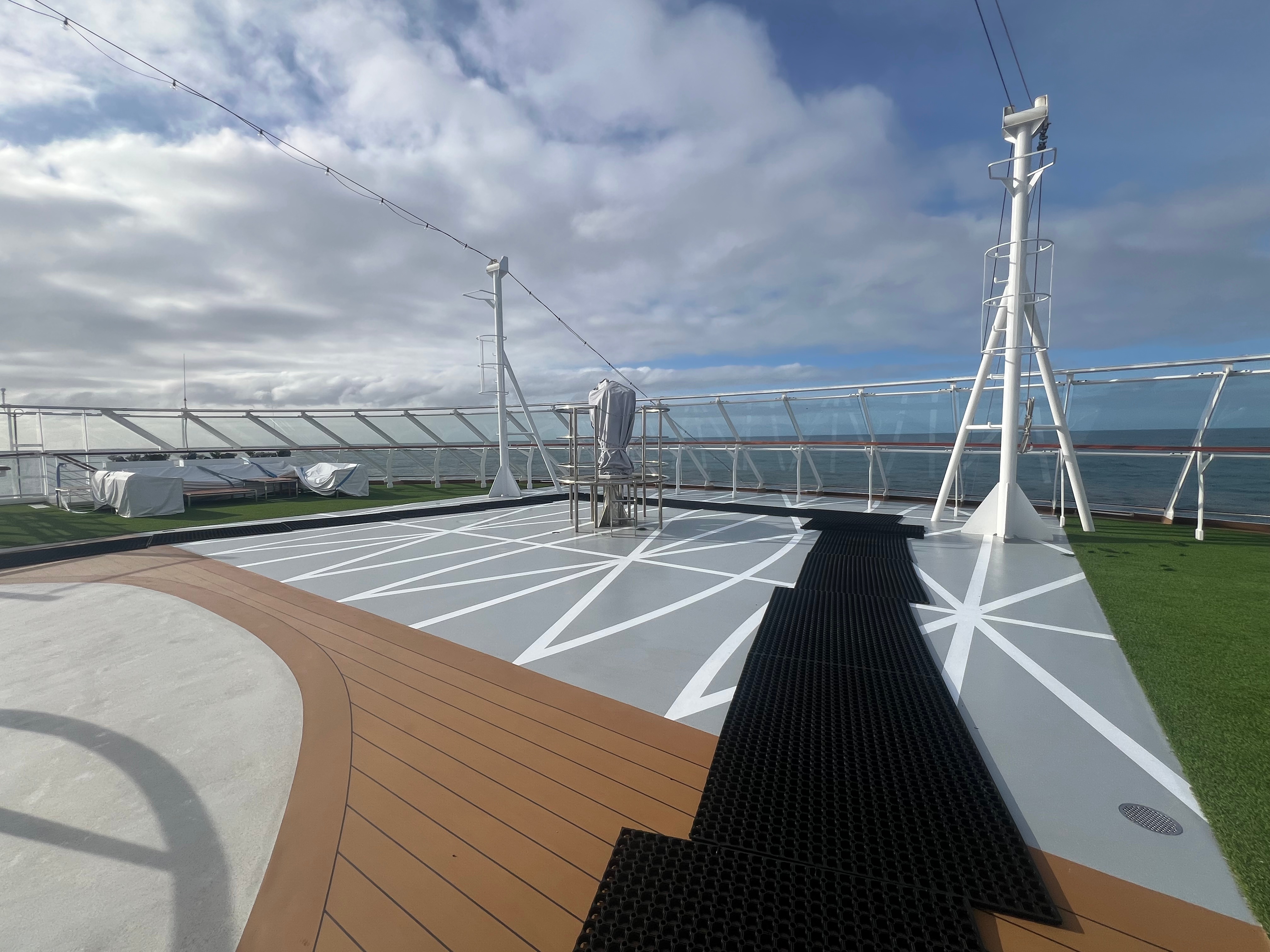
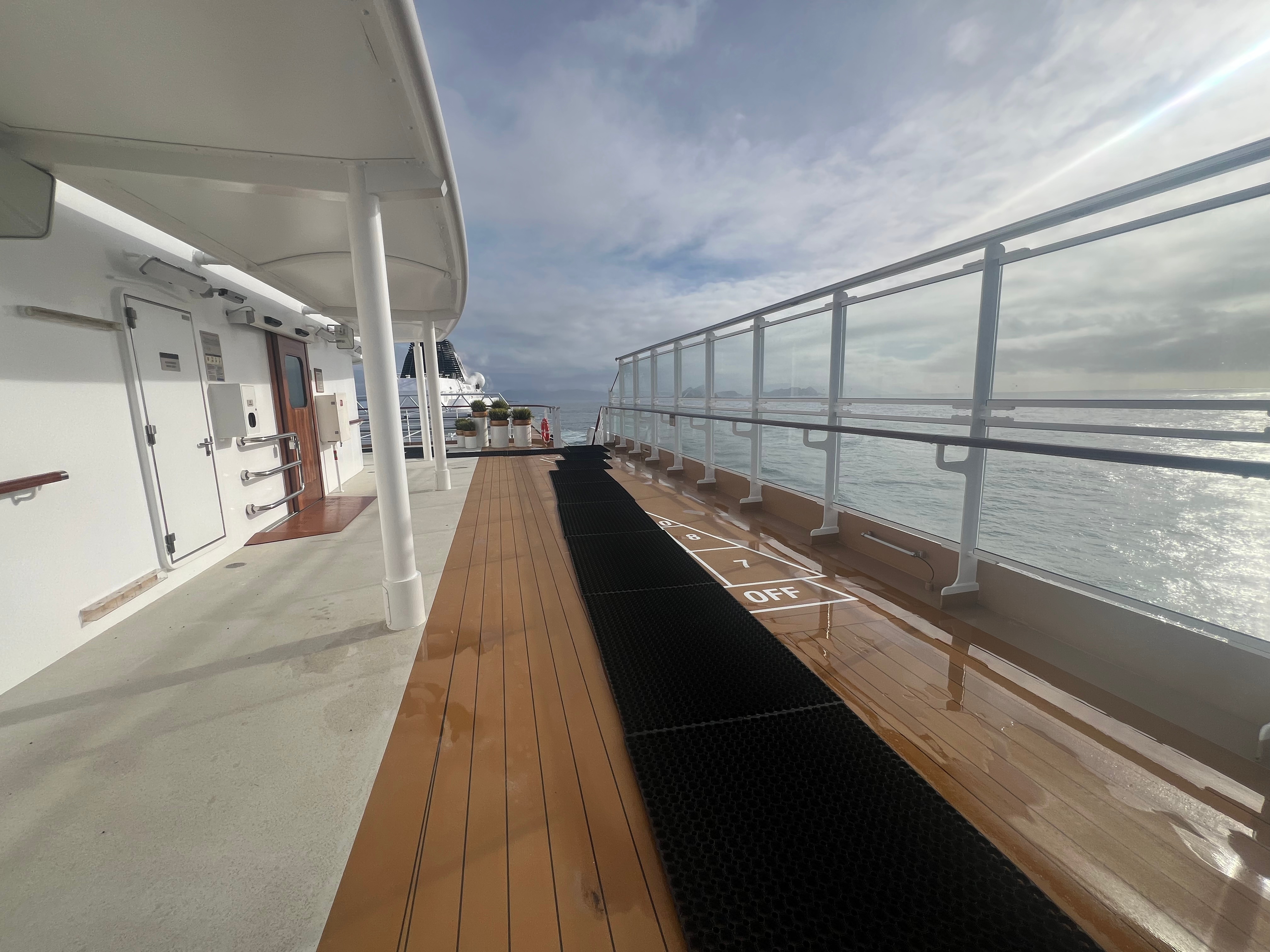
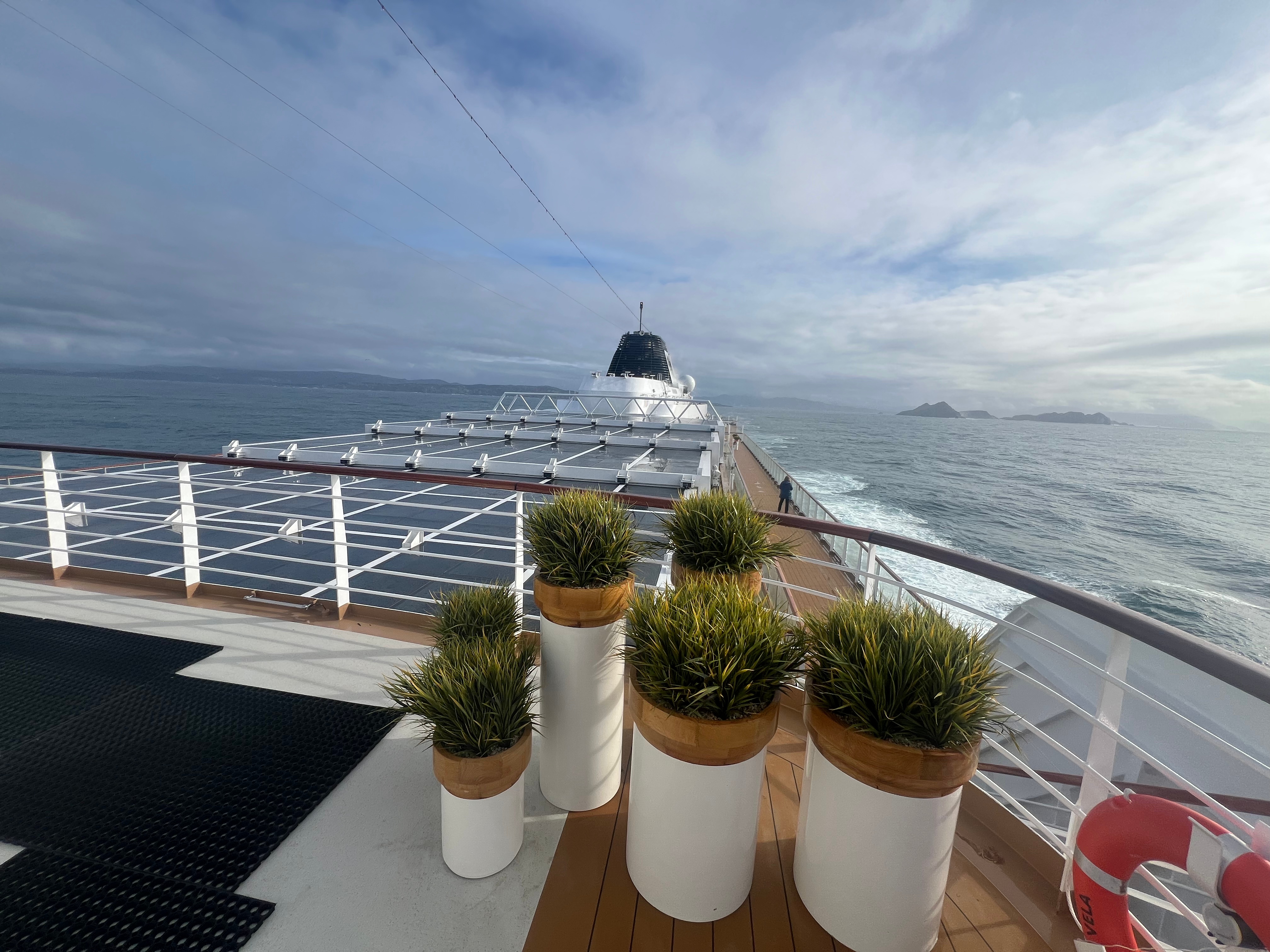
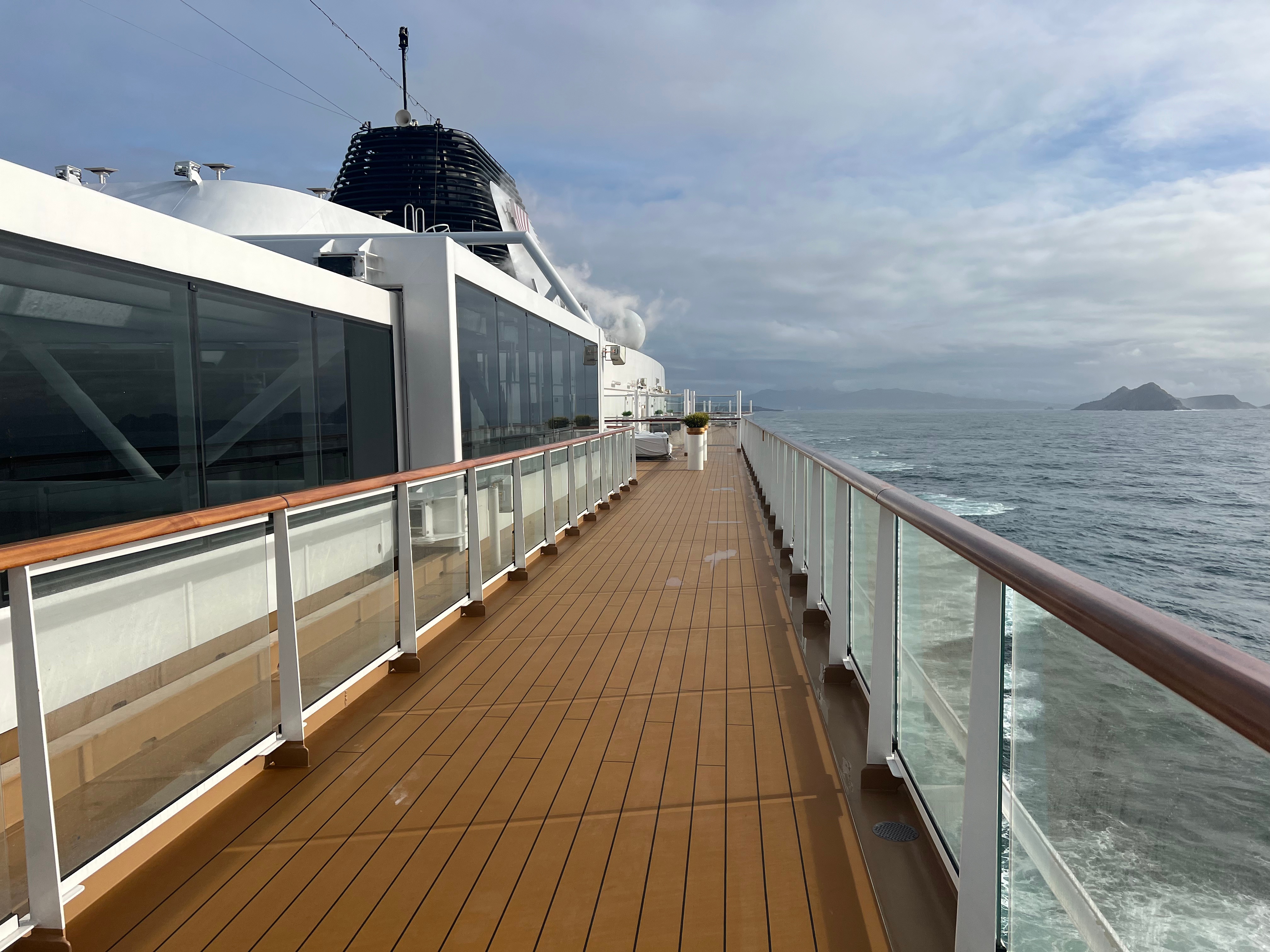
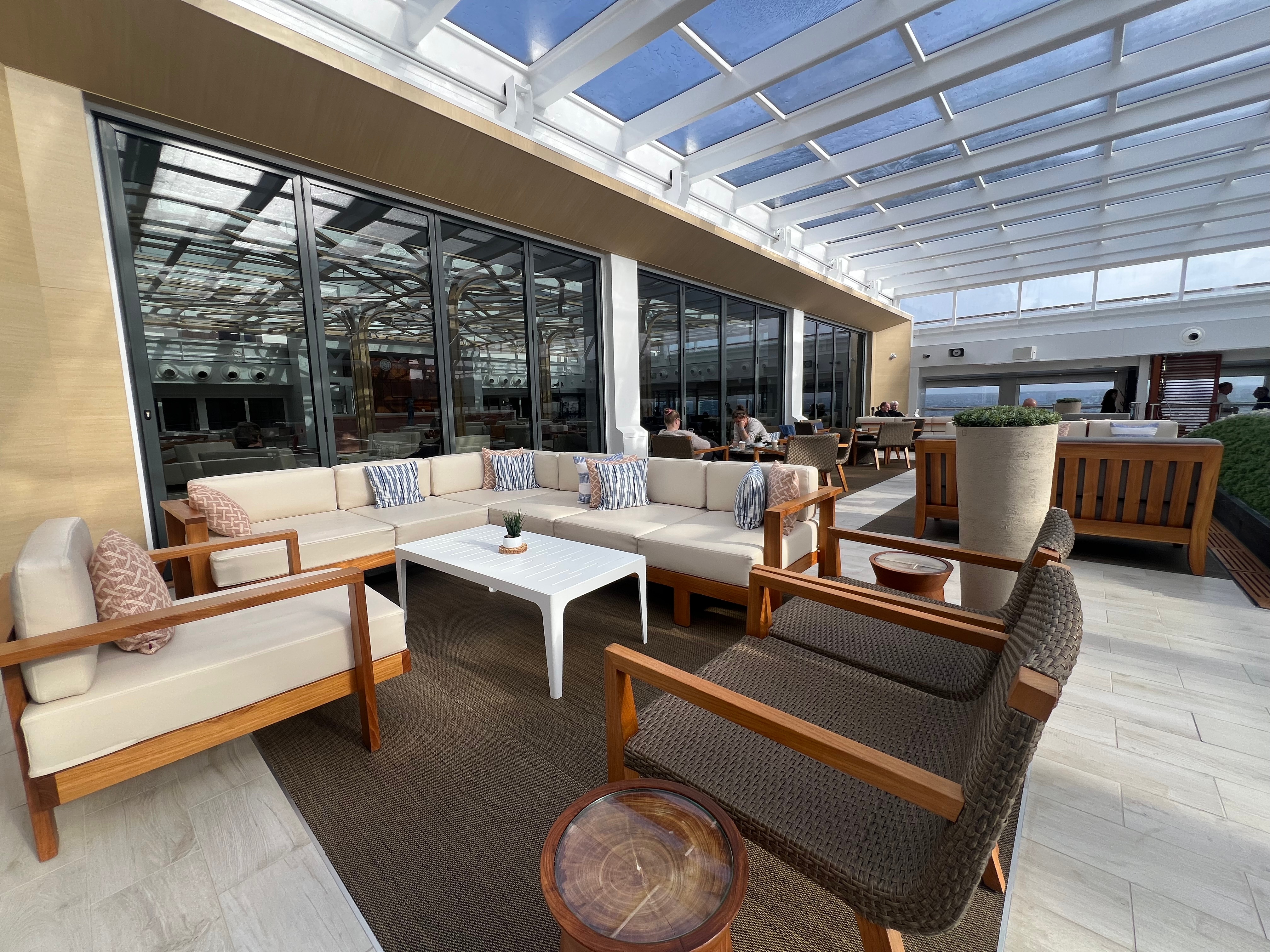
Cabins are mainly located on Decks 3 through 6, with select cabins and suites on Decks 7 and 8, including the Owners Suite tucked beside the Explorers Lounge. Public life, however, thrives on Deck 7: the World Café, Aquavit Terrace, infinity pool, main pool with retractable roof, Wintergarden, and the Explorers Lounge all live here. A clever outdoor corridor allows swimsuit-clad passengers to migrate between pools without marching through the buffet—a small but brilliant detail.
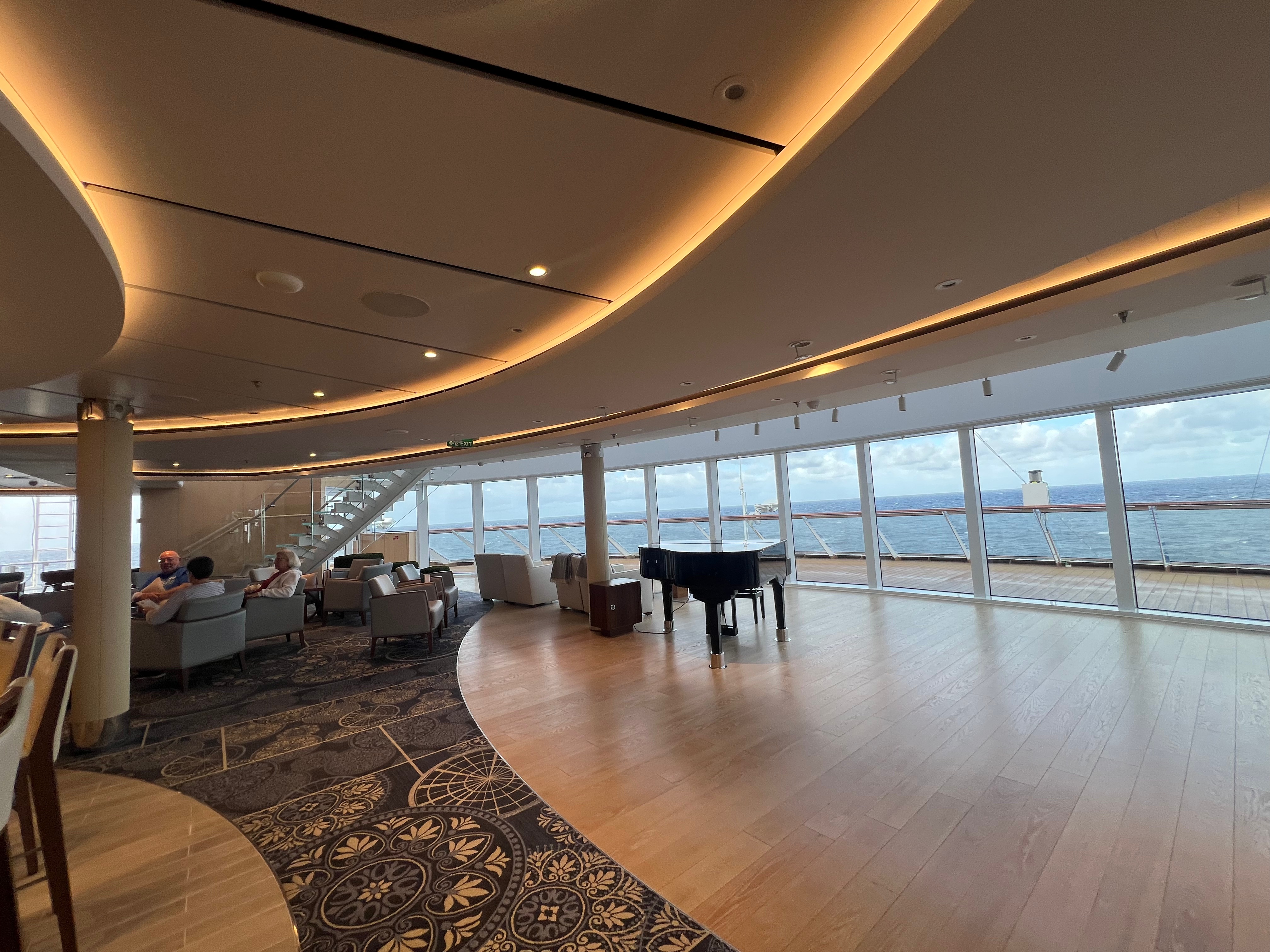
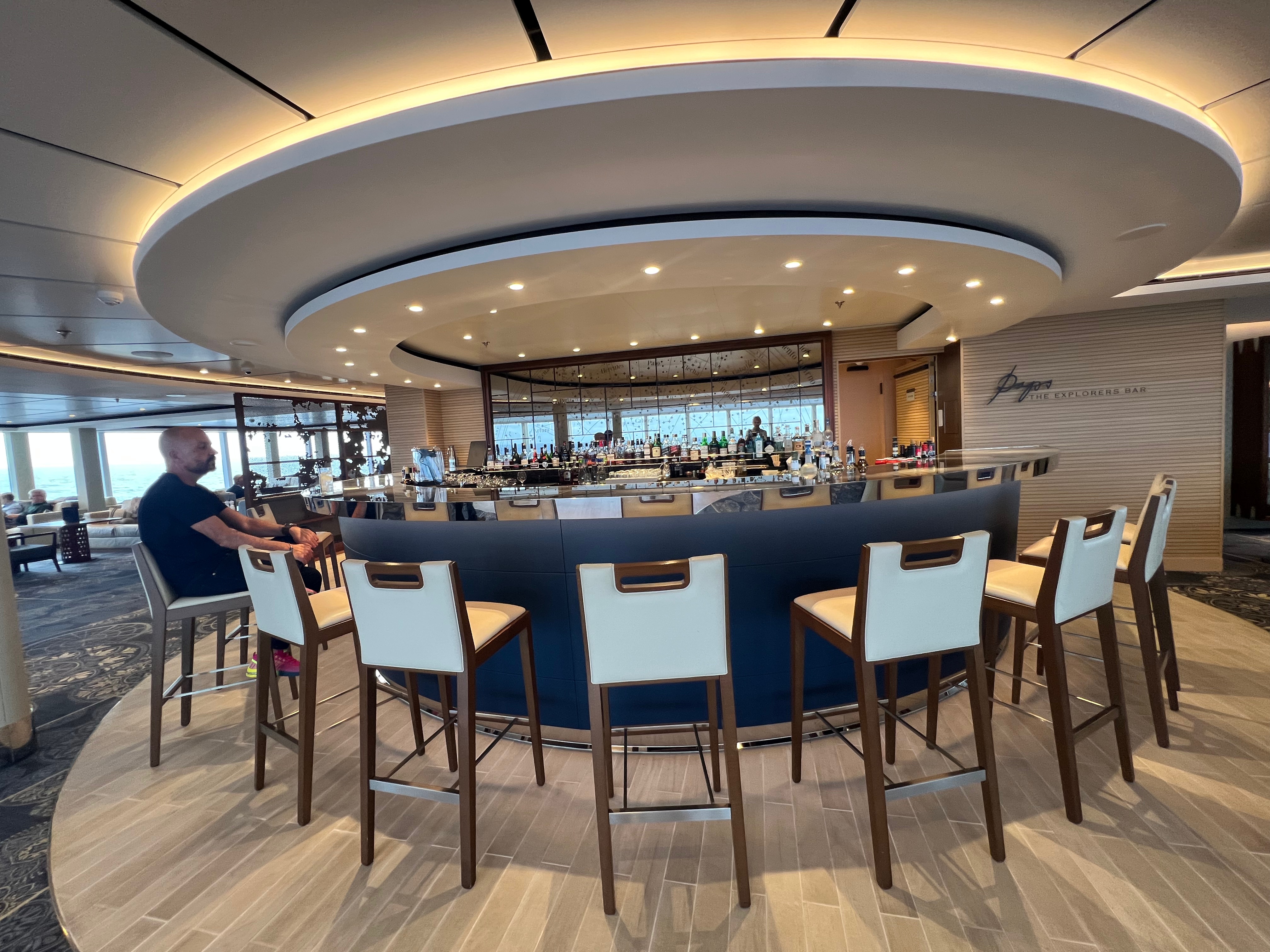
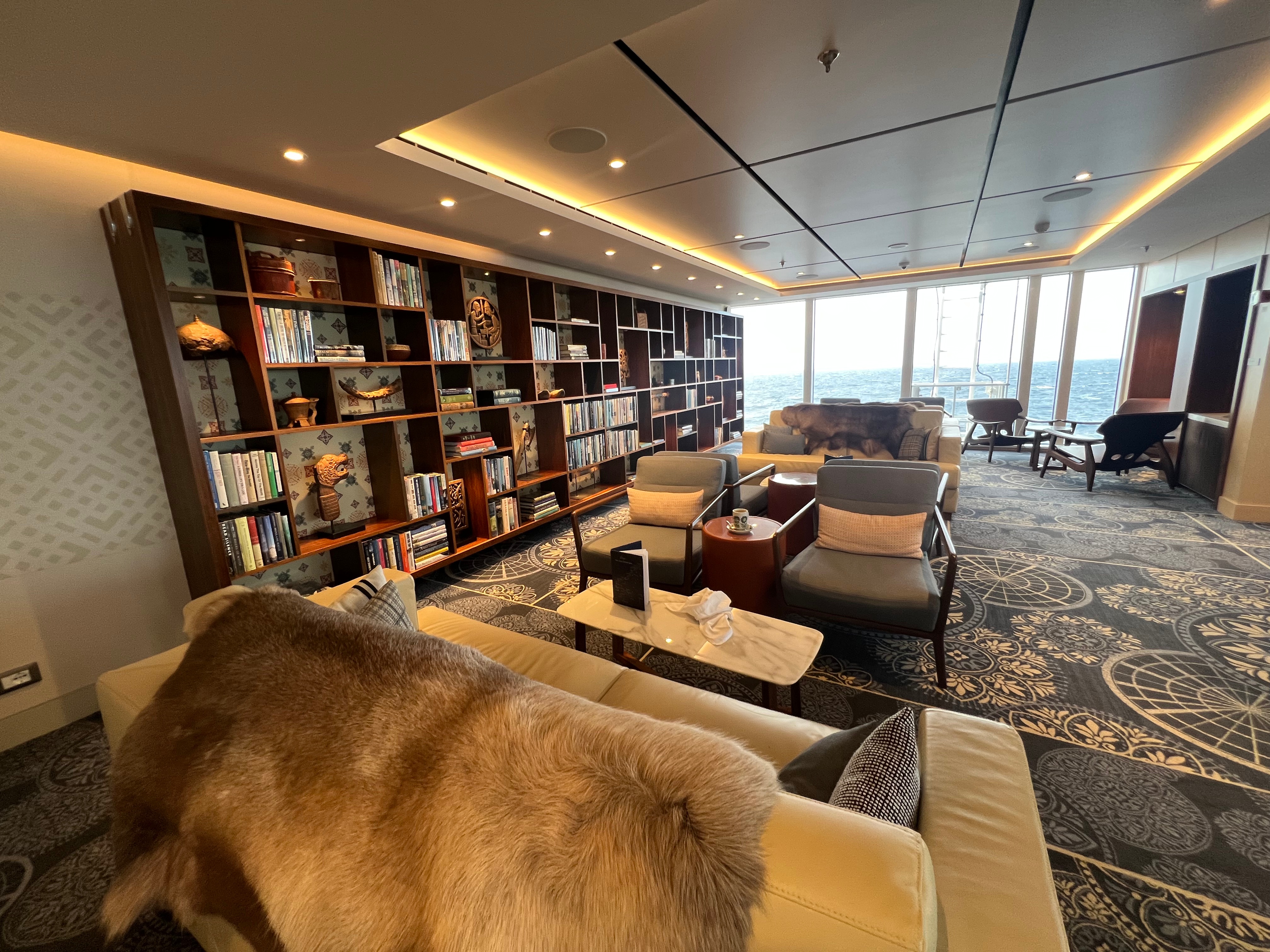

The three-story Atrium is the heart of the ship, elegant and visually impressive, surrounded by seating on Decks 1, 2, and 3, complete with interactive tables. It is an ideal space for relaxed conversations—when not transformed into a concert hall. Too often, musicians seemed to confuse lounge ambiance with Carnegie Hall aspirations. The same applies to the Explorers Lounge, where a guitarist appeared locked in an eternal volume competition with human conversation.
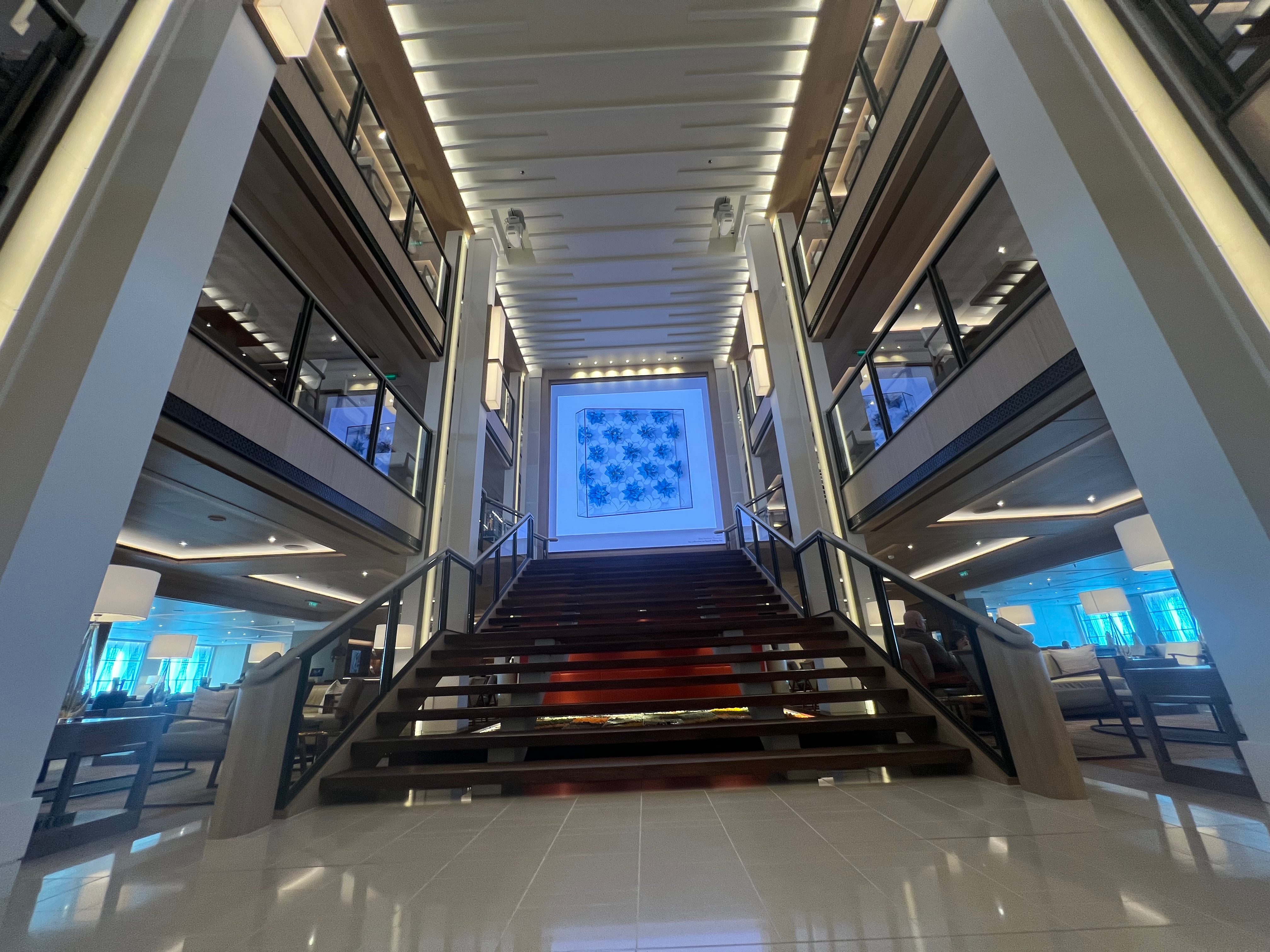
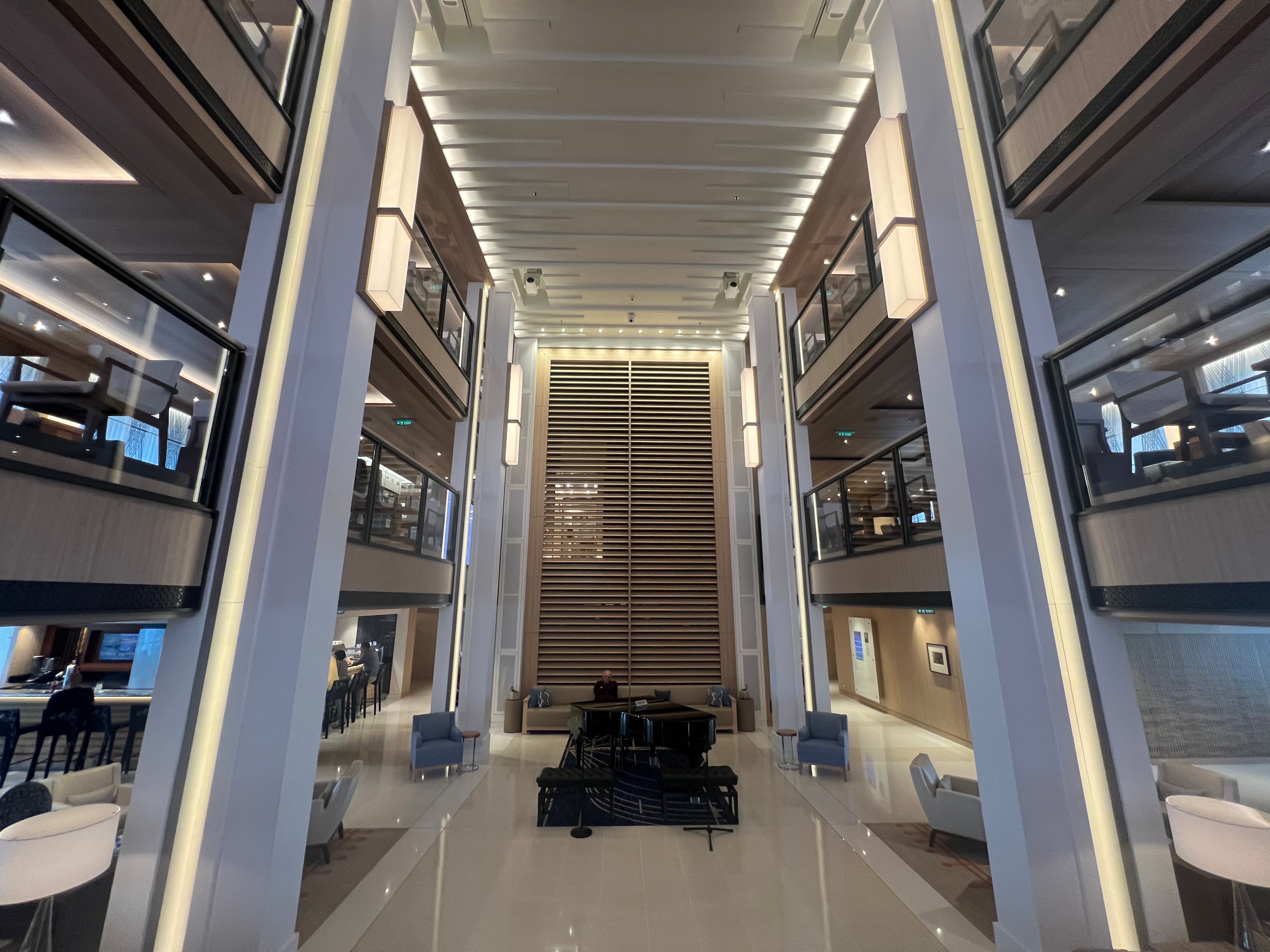
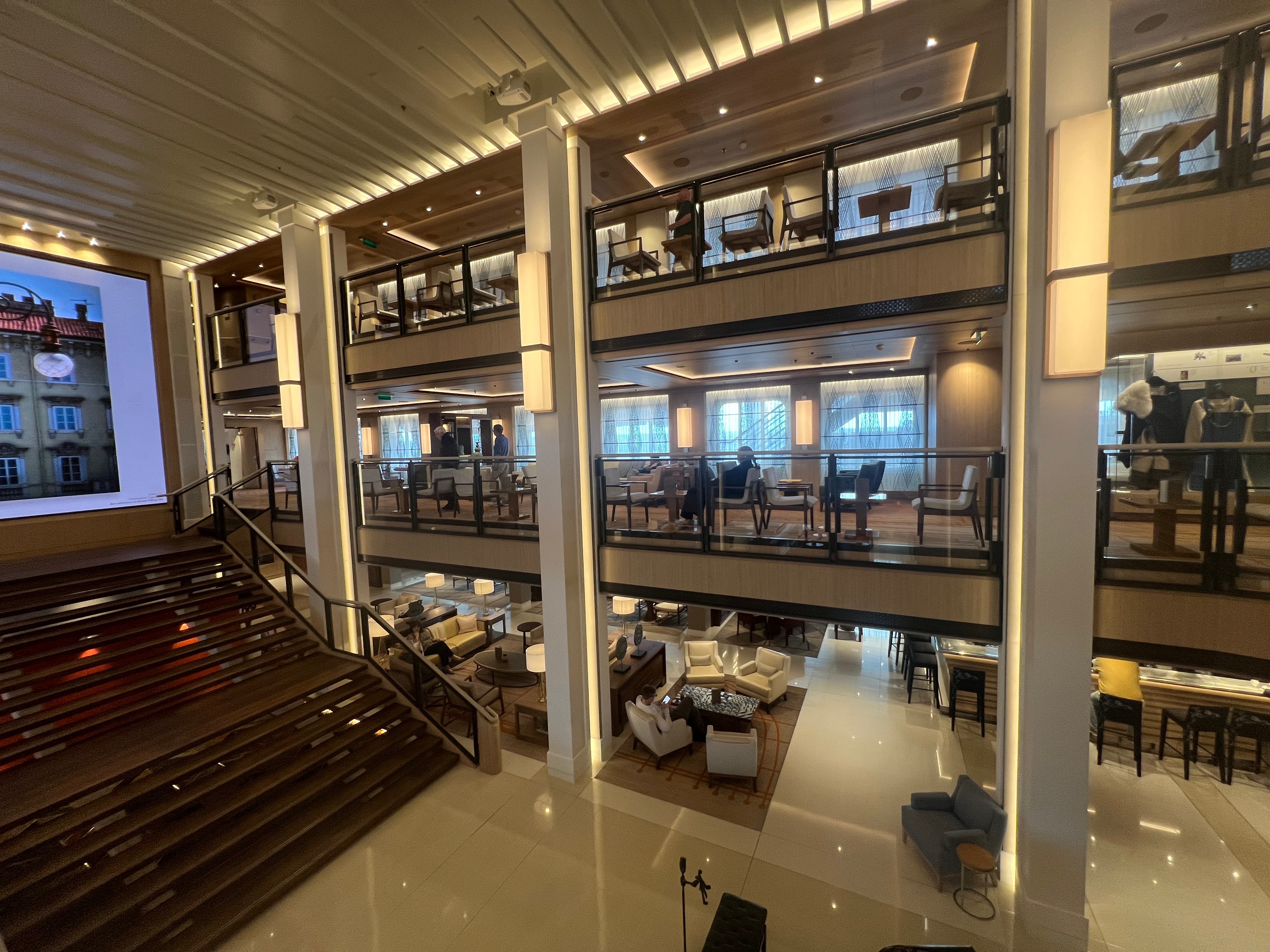
Deck 2 houses the main restaurant and theater, while Deck 1 hosts specialty dining and the LivNordic Spa, thermal suite, and an enlarged fitness center. One design idea I never quite embraced was relaxing or dining near the indoor pool, where chlorine aromas aggressively compete with the seductive smell of hamburgers. It’s a sensory battle no one truly wins.
Still, design-wise, Viking Vela was the strongest link of my itinerary. Elegant, coherent, easy to live in—and mostly serene—it is, quite simply, a ship you want to be on. And perhaps, just perhaps, a reason to return.
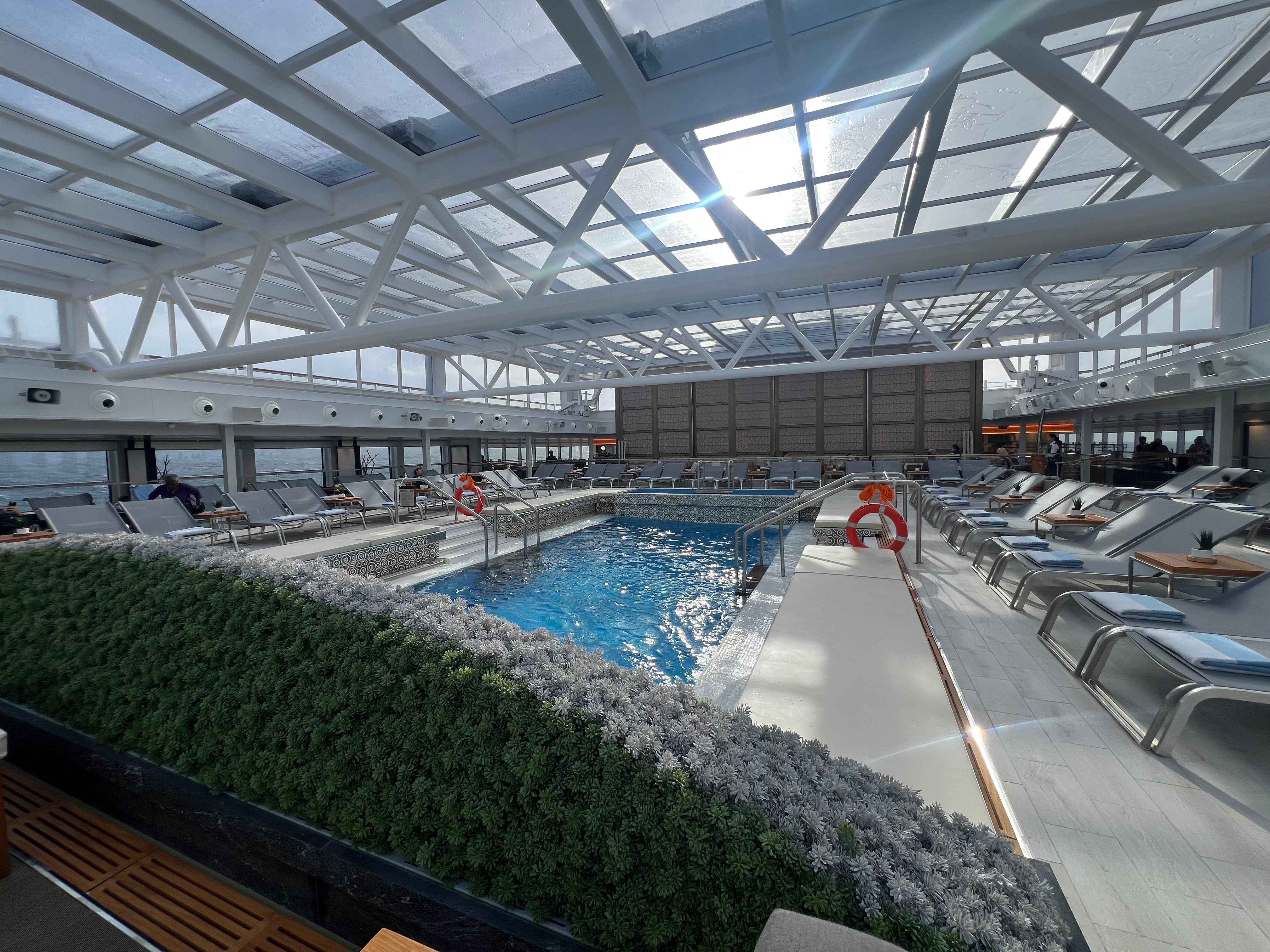
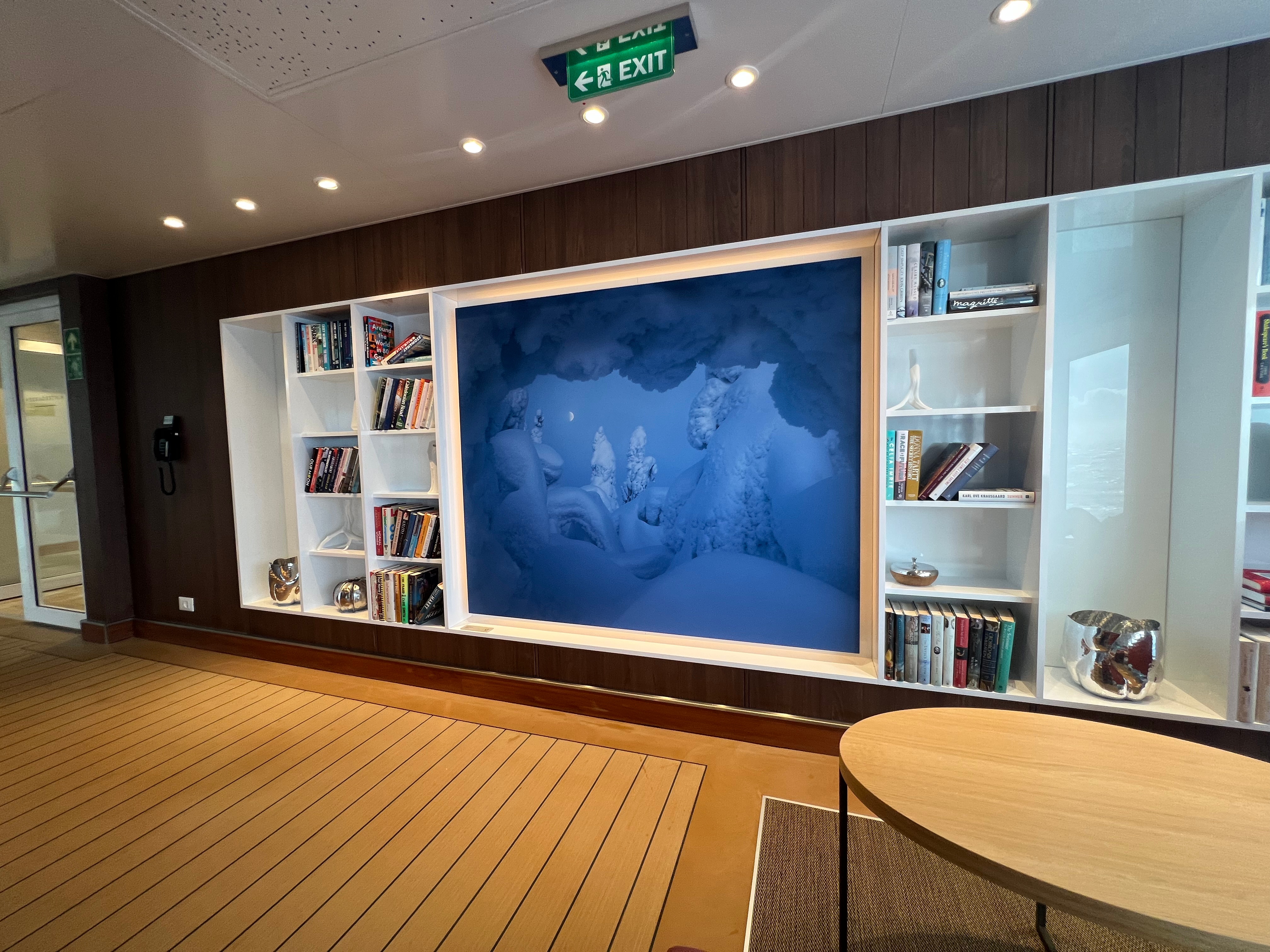
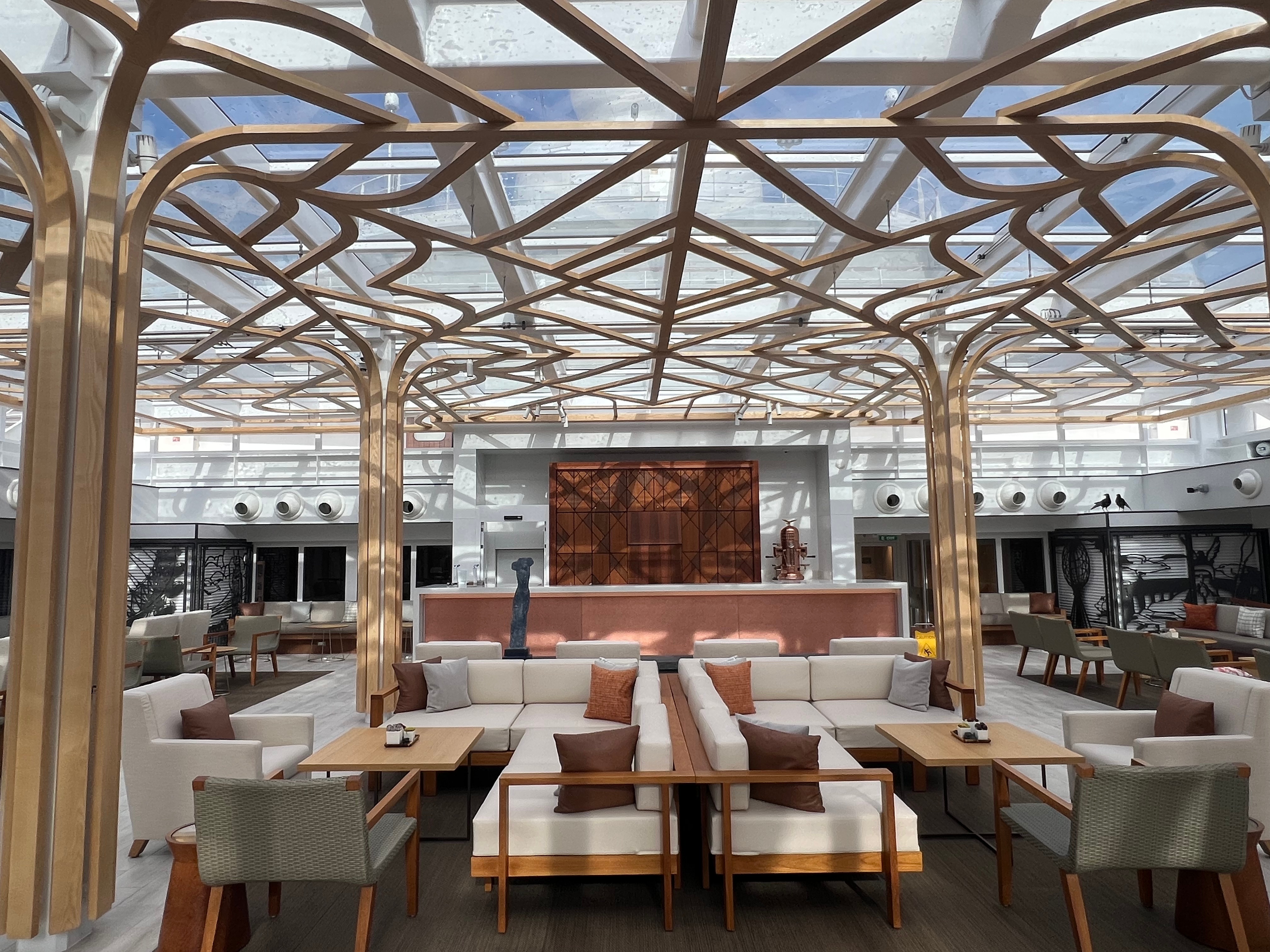
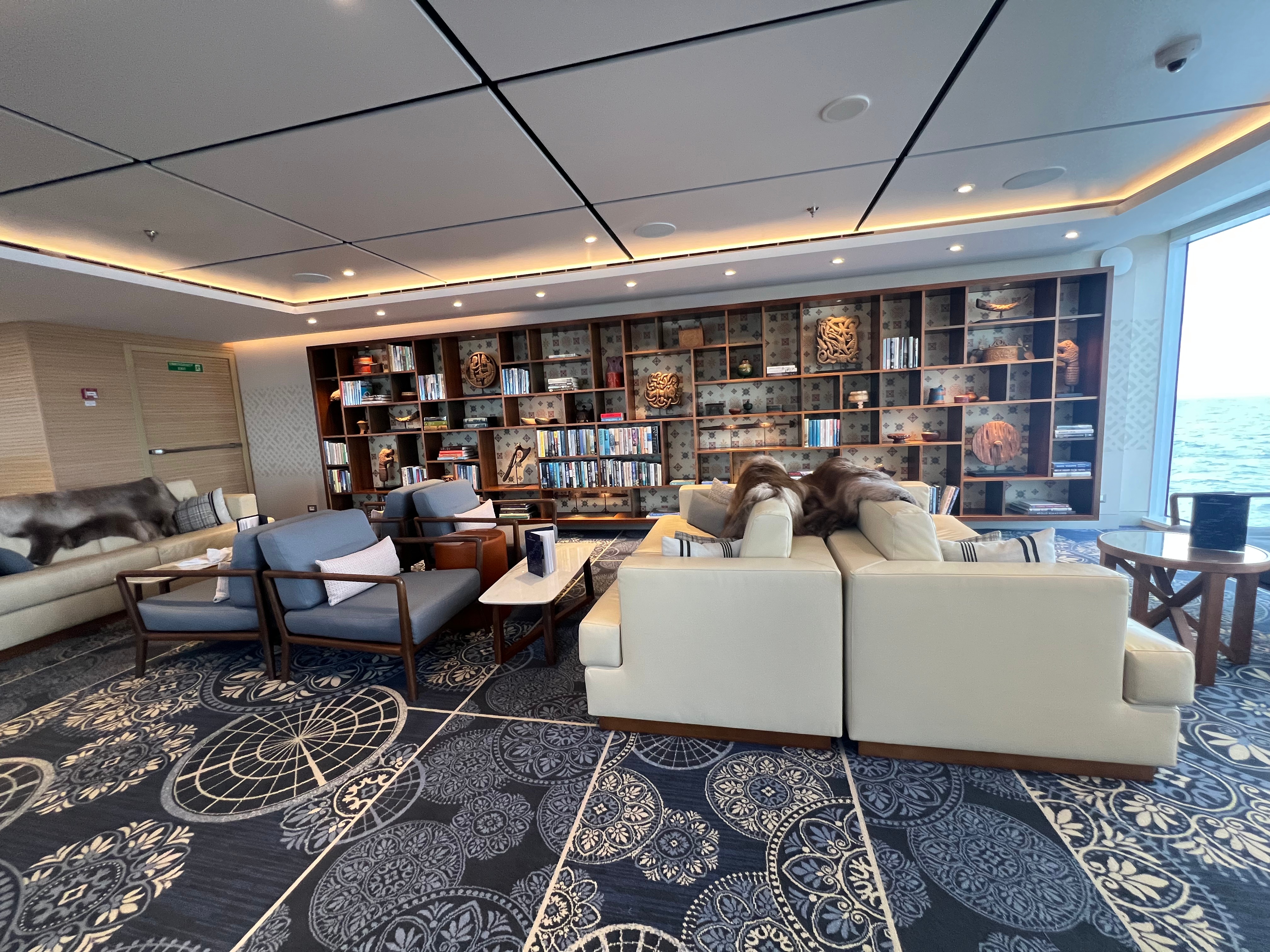
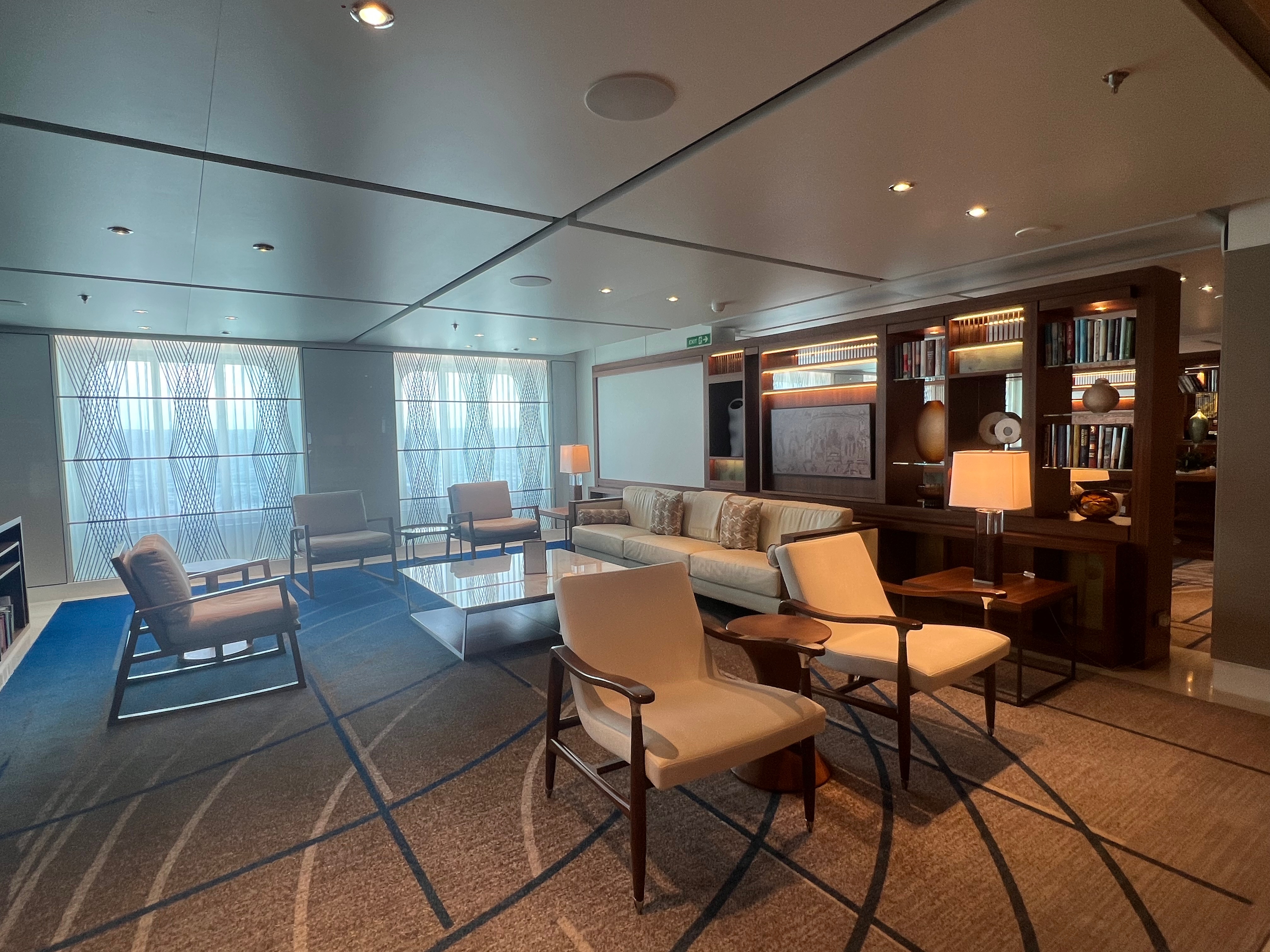
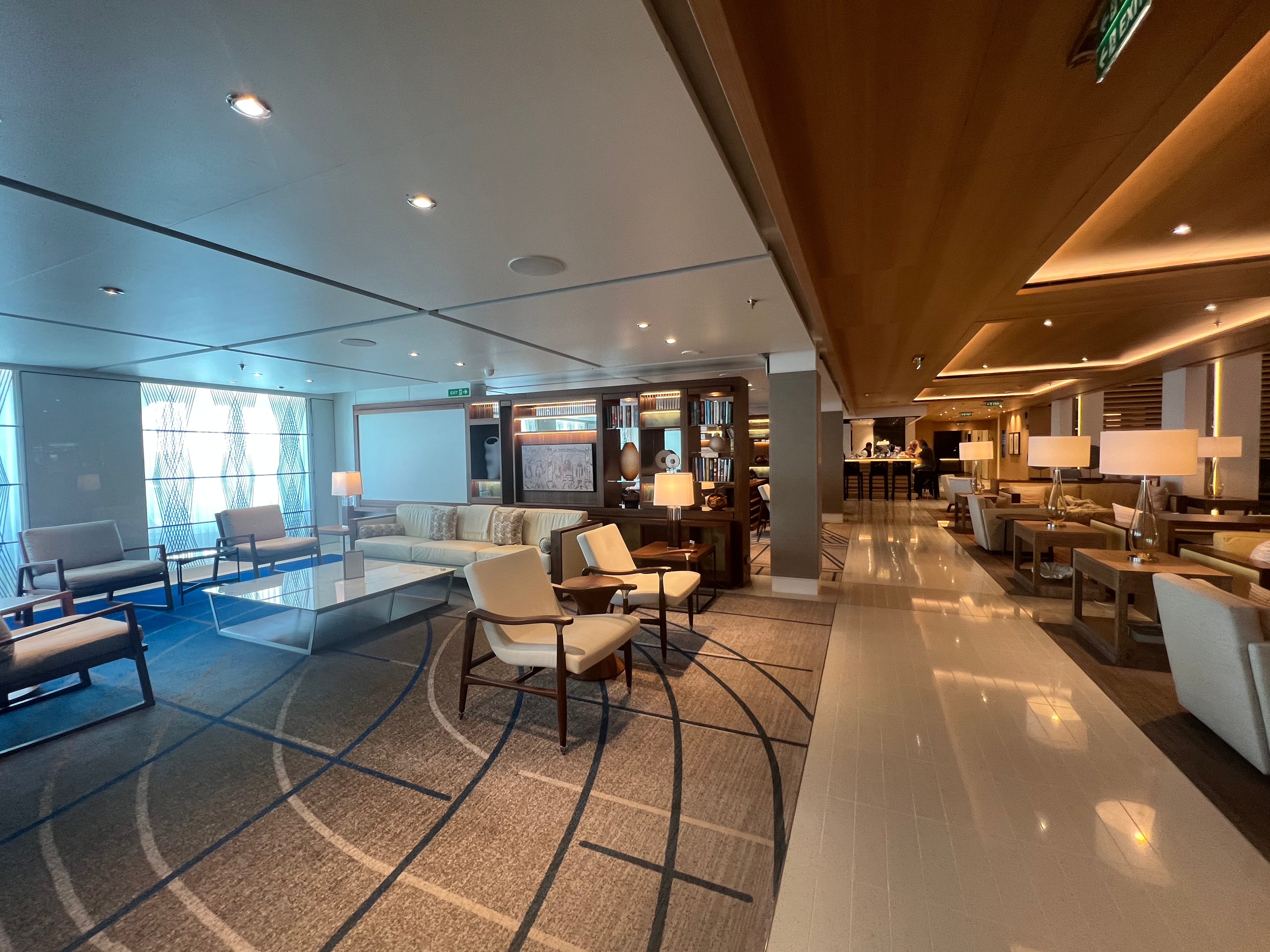
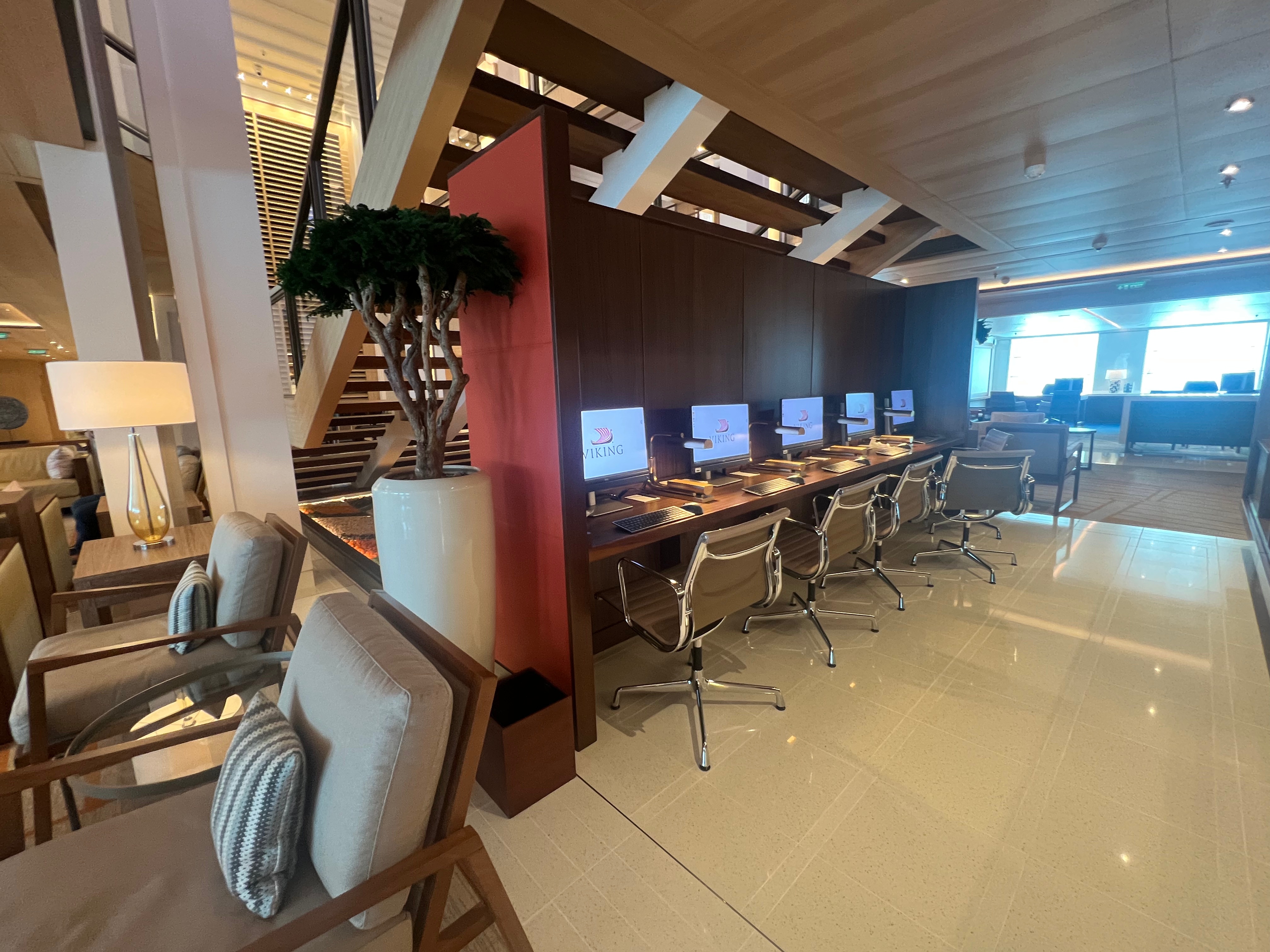
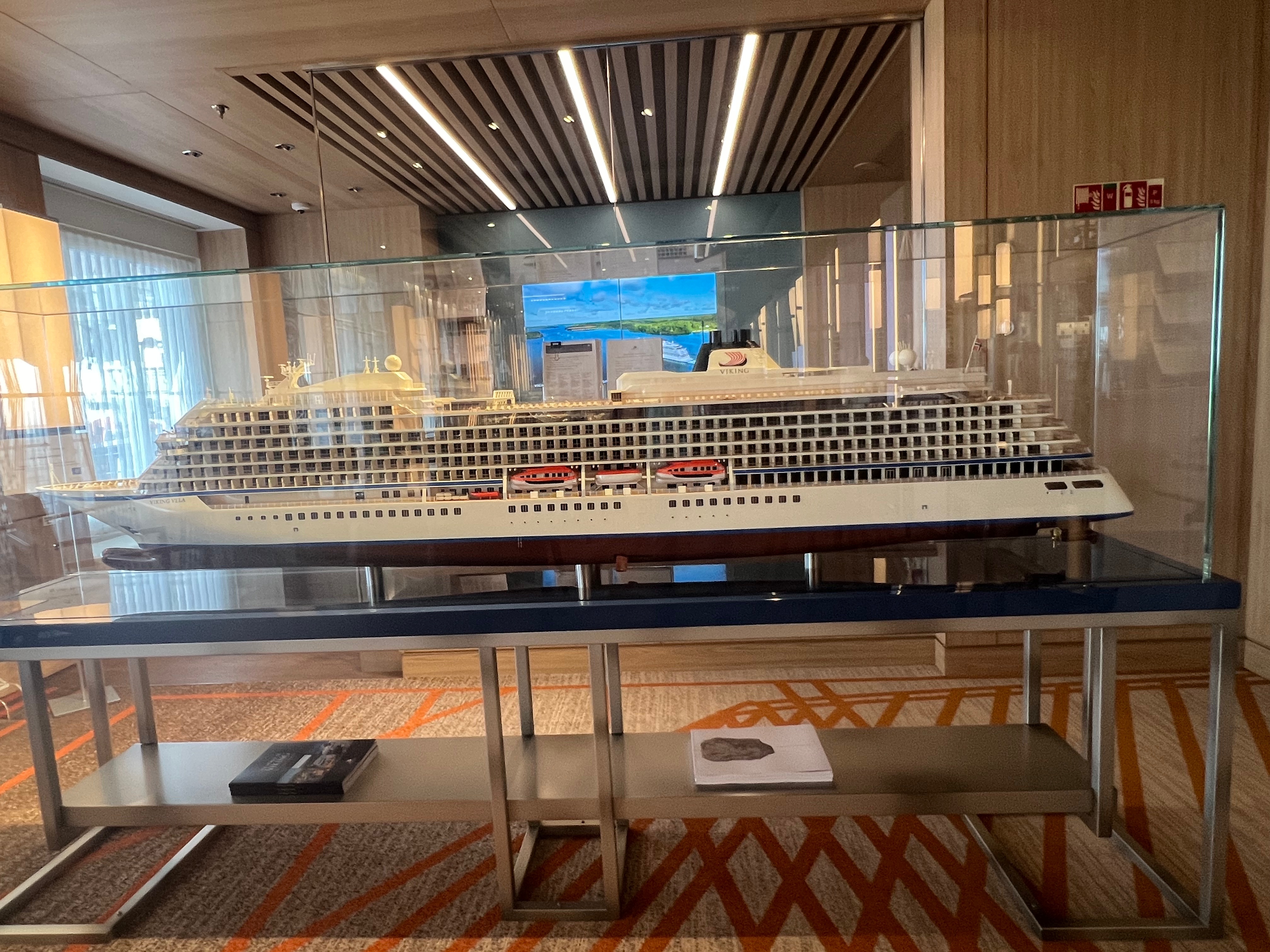

Click here to see the Viking Vela indoor and outdoor spaces: https://youtu.be/-wmhibnf_l4?si=bzCYfTG-KD3SLsiI
ITINERARY – FAR BELOW EXPECTATIONS
The itinerary that finally persuaded me to book this cruise was proudly called “Iberian Explorer”. On Viking’s website it reads like a love letter to slow travel and cultural immersion: feel the rhythm of a Spanish tempo, uncover historic treasures, explore Roman pasts, cruise scenic bays, and casually absorb centuries of history between tapas and sunsets. Poetry at sea. Reality, however, proved far less lyrical—and frequently rushed.
One immediate red flag: unlike most cruise lines I’ve travelled with, Viking does not publish arrival and departure times when selling the itinerary. Even approximate timings would allow passengers to plan excursions independently or at least manage expectations. This lack of transparency creates confusion and, frankly, feels misleading. The brochure promises depth; the clock delivers speed dating with destinations.
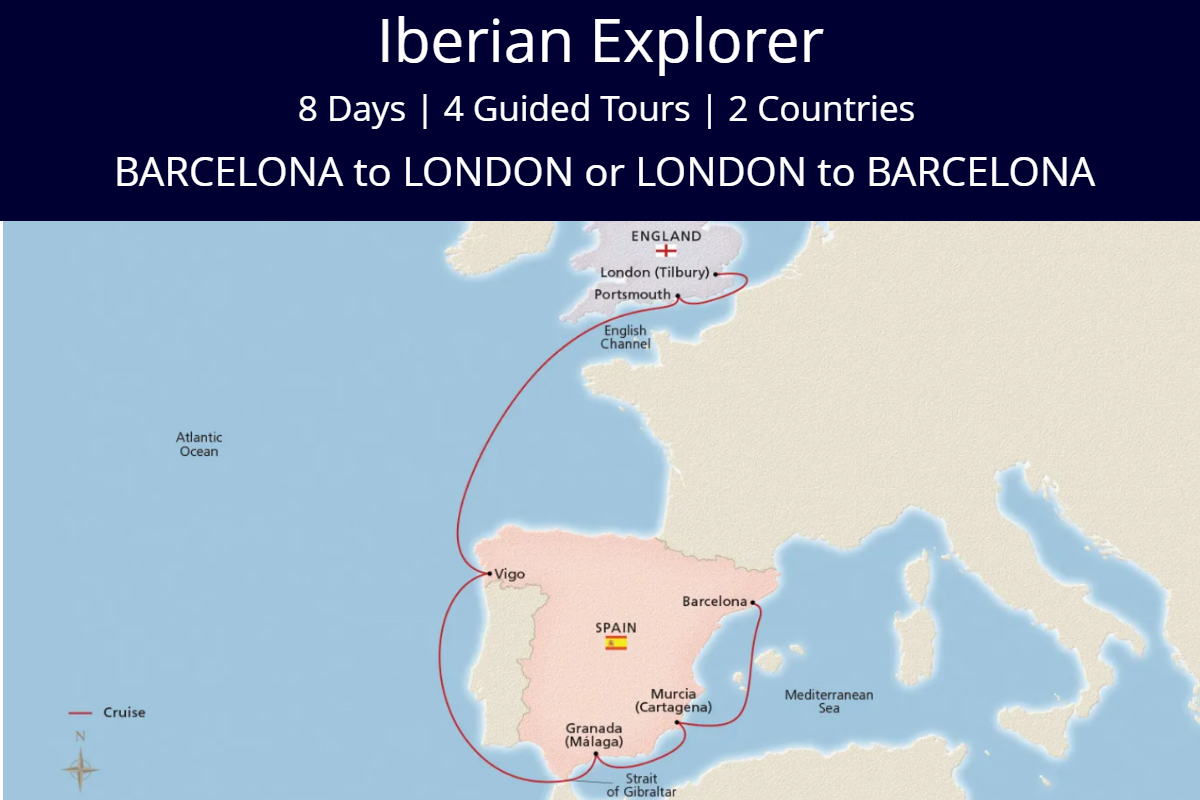
Let’s go port by port.
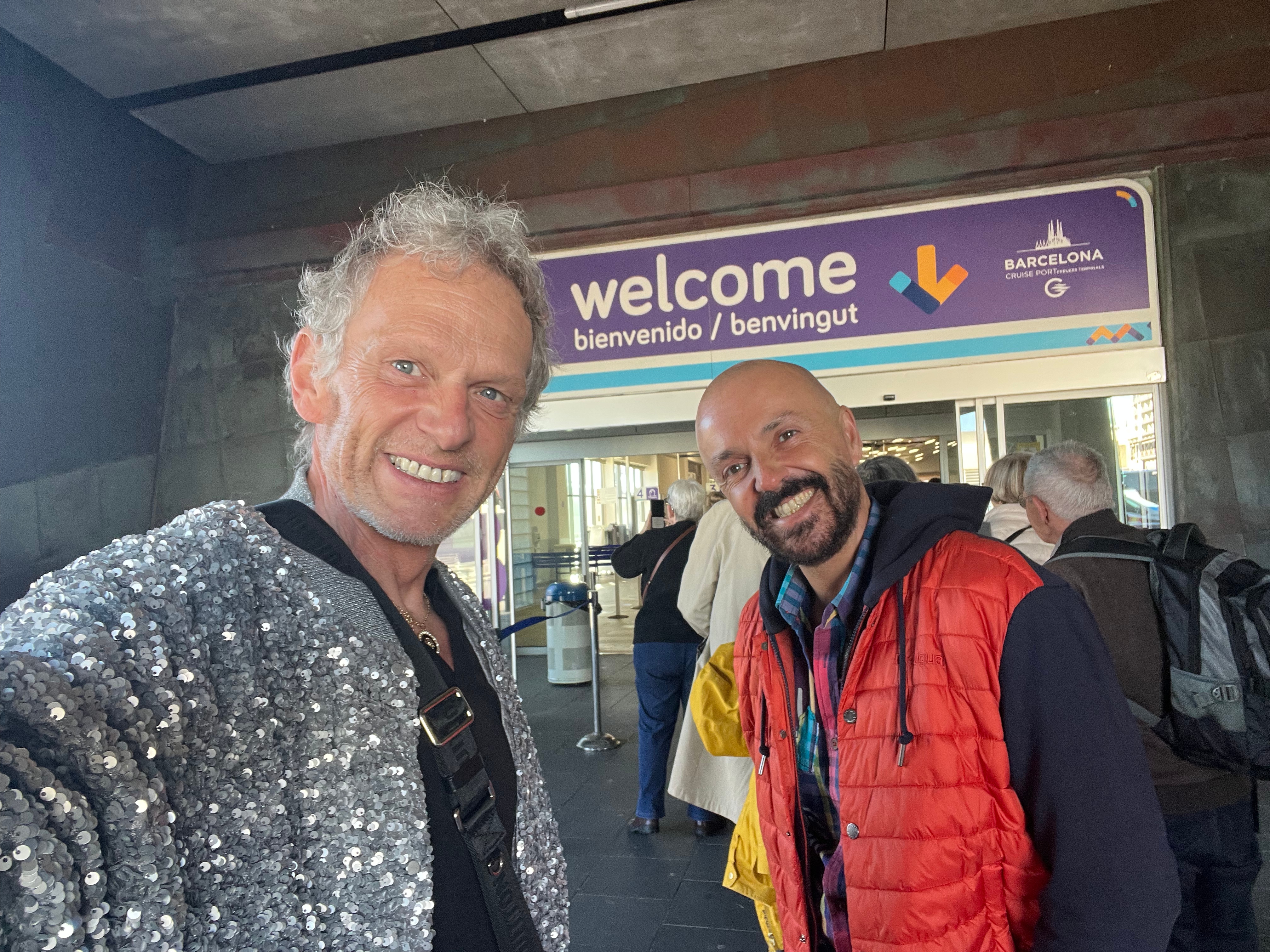
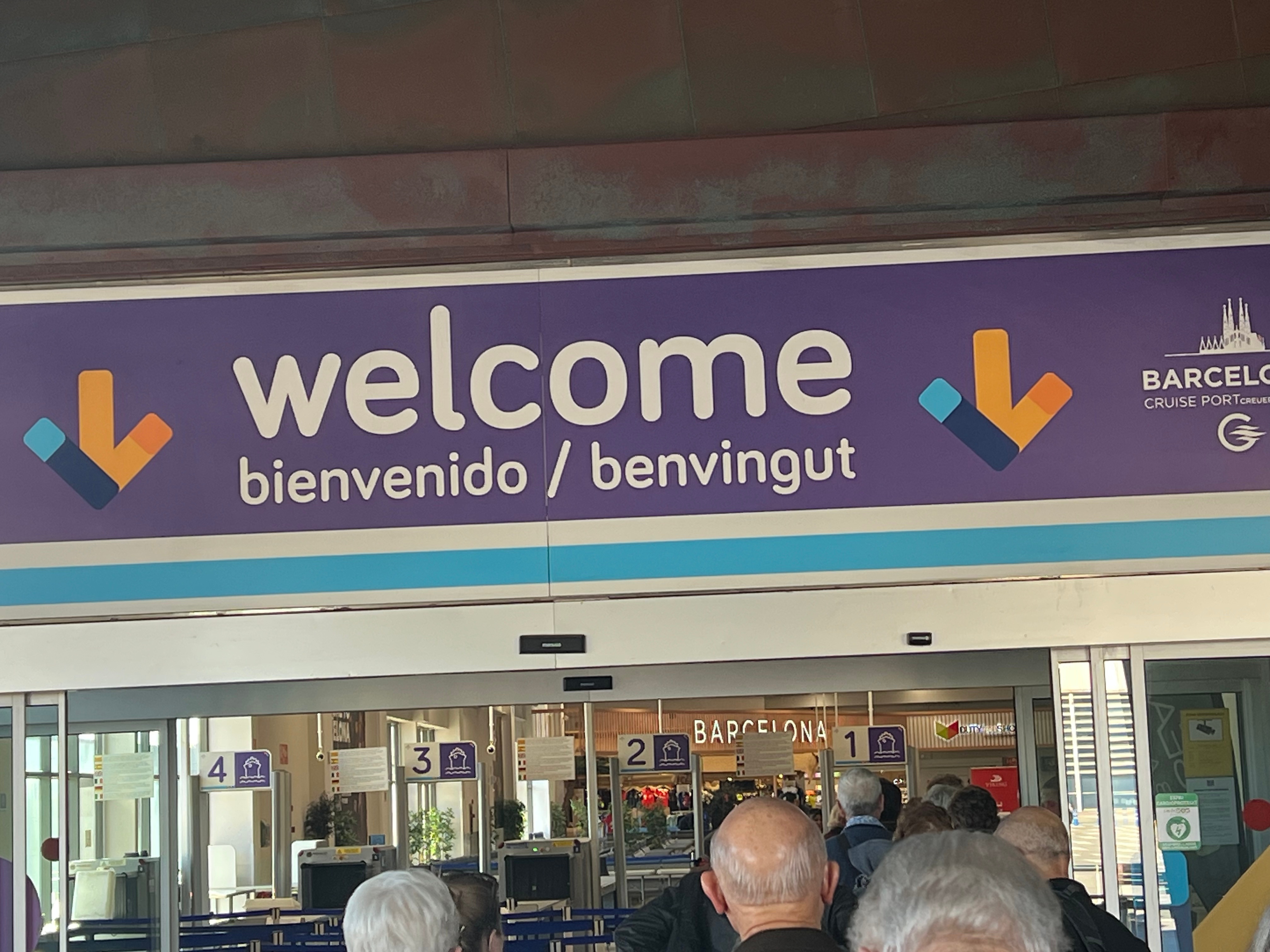
Barcelona was technically generous: the ship spent almost the entire day there. But as an embarkation port, this is largely theoretical. Unless you purchased a Viking pre-cruise extension, it was practically impossible to explore what Viking advertises—Barcelona Cathedral, El Call, Santa Maria del Pi. Several American passengers told me their only view of the city was the drive from the airport to the terminal. Thankfully, it was daylight.
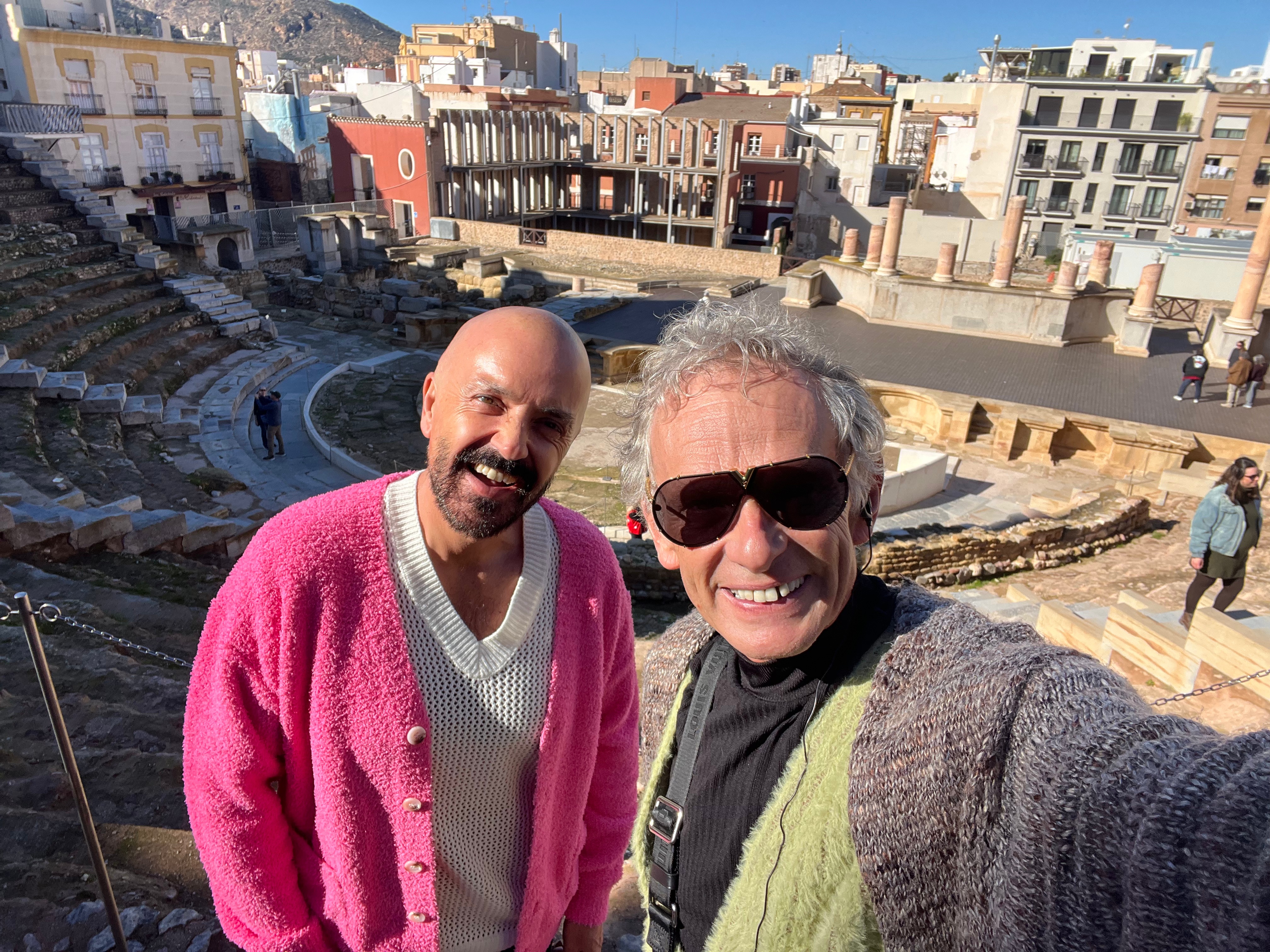
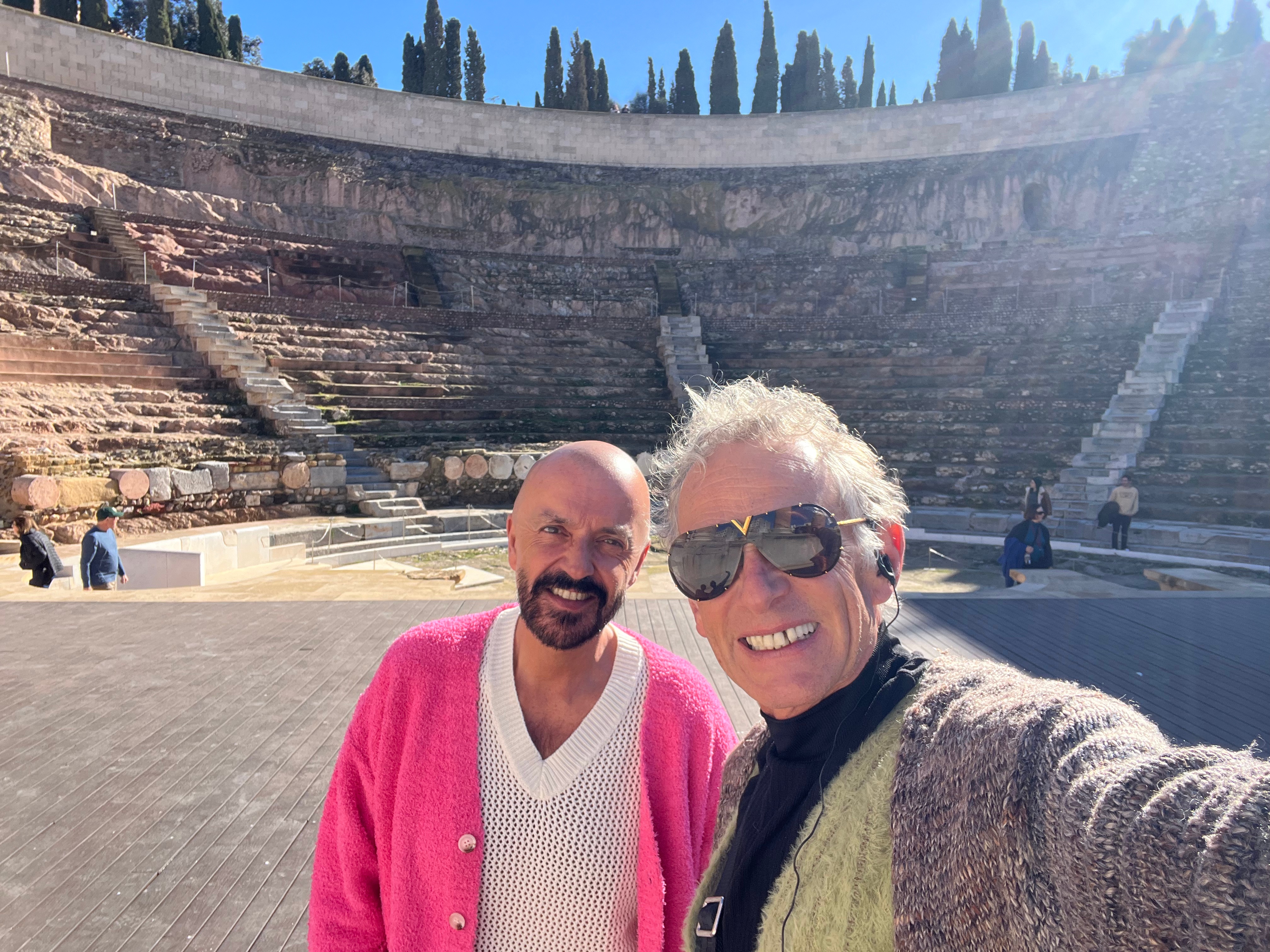
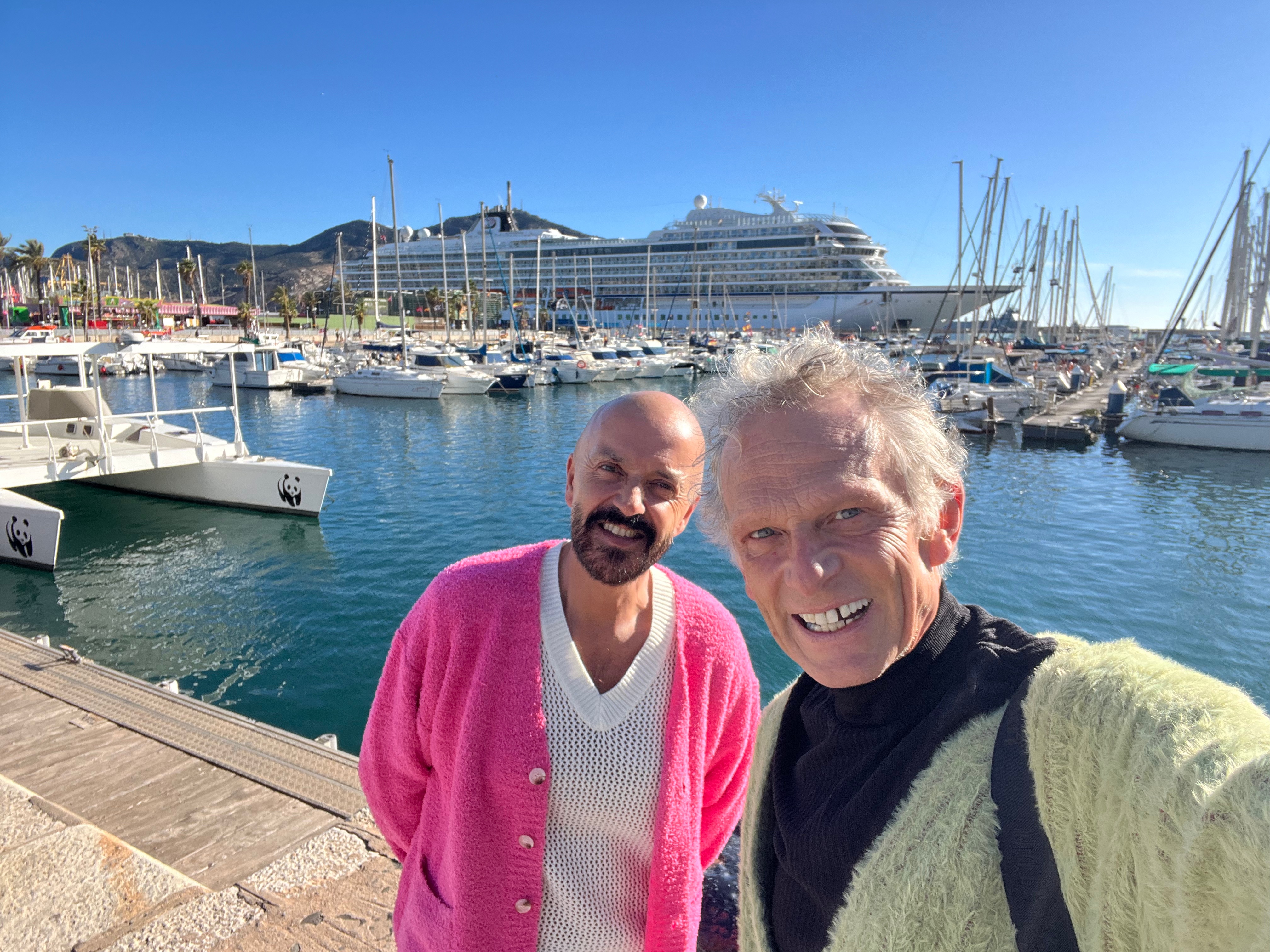
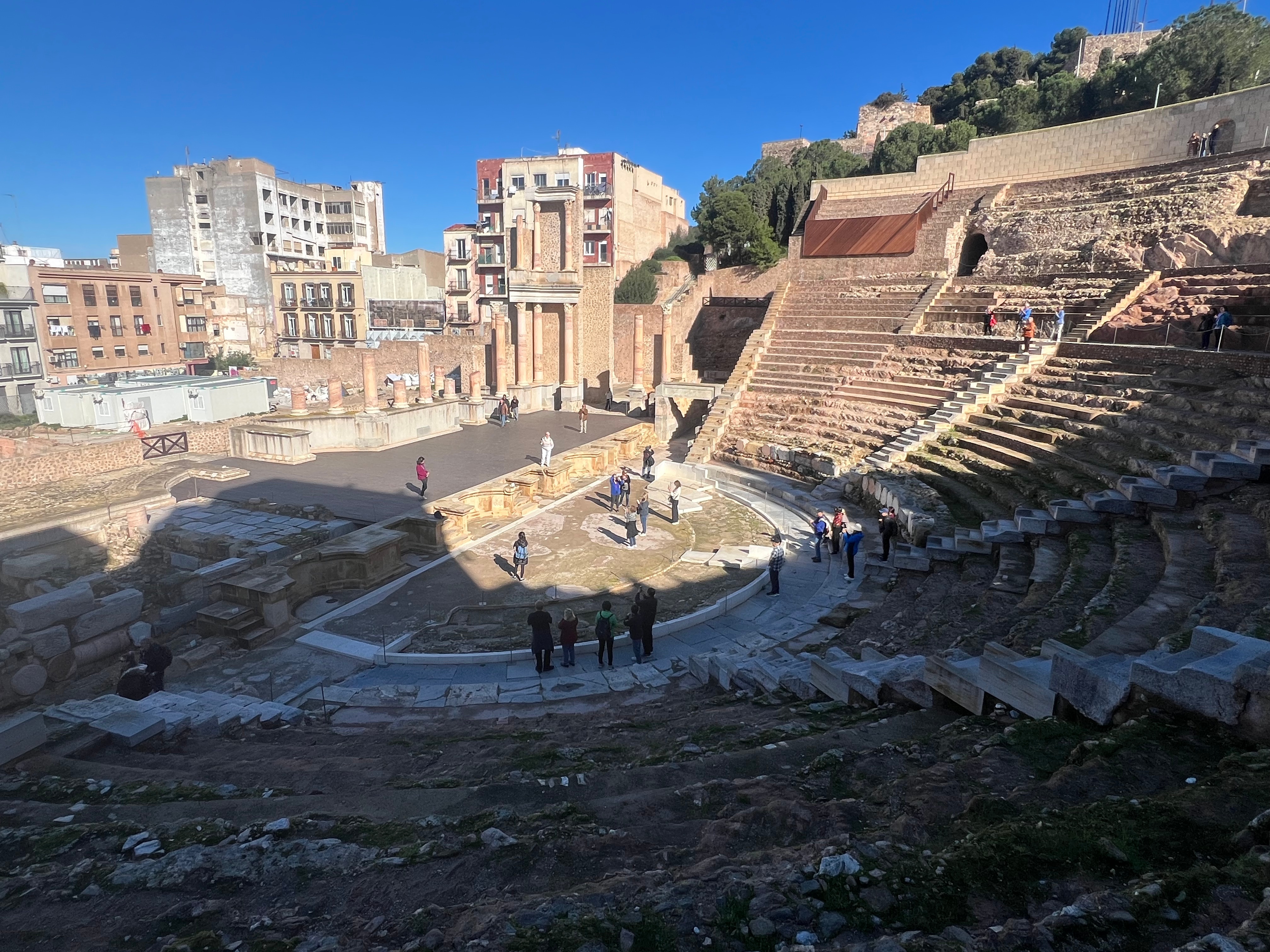
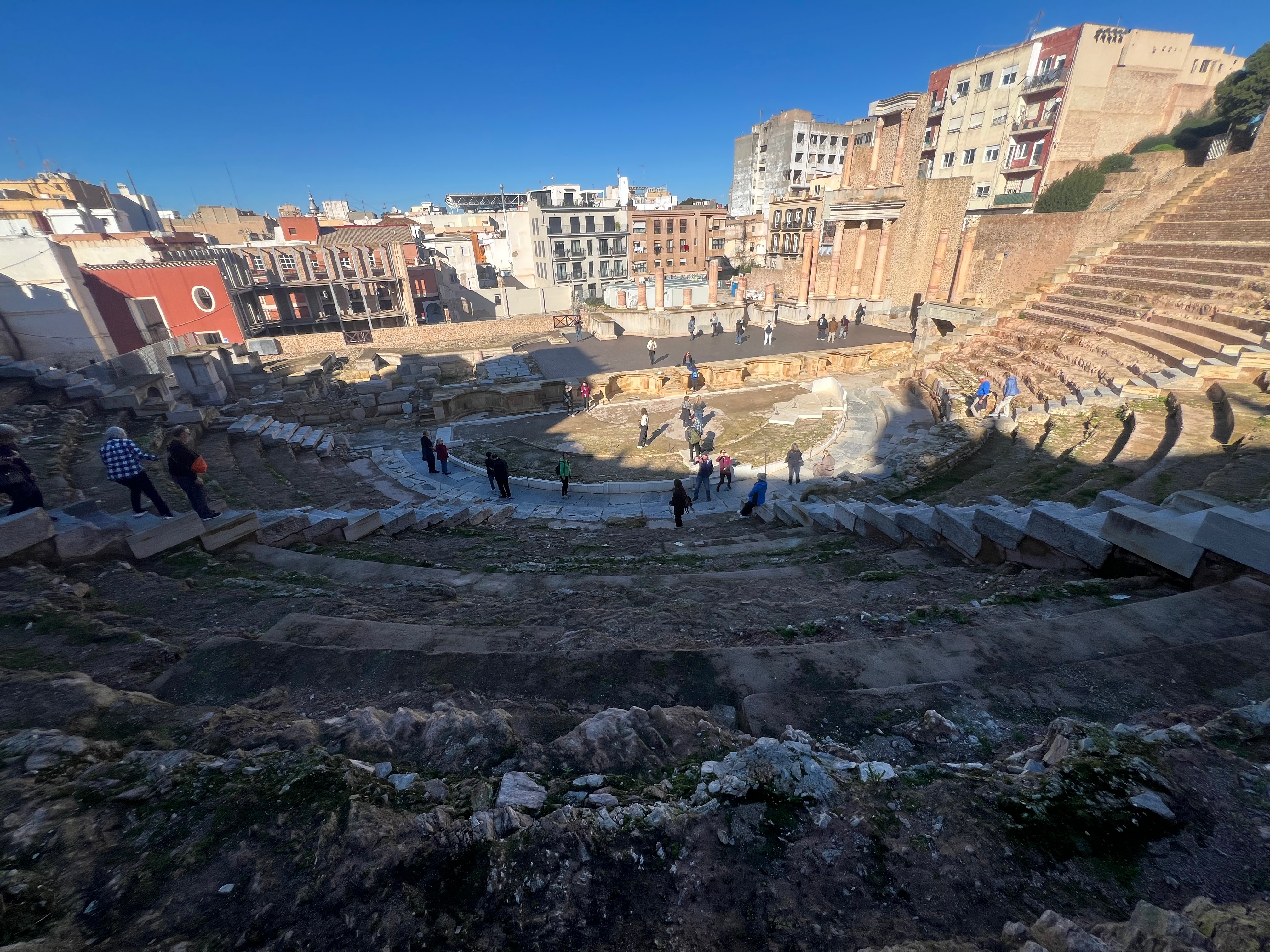
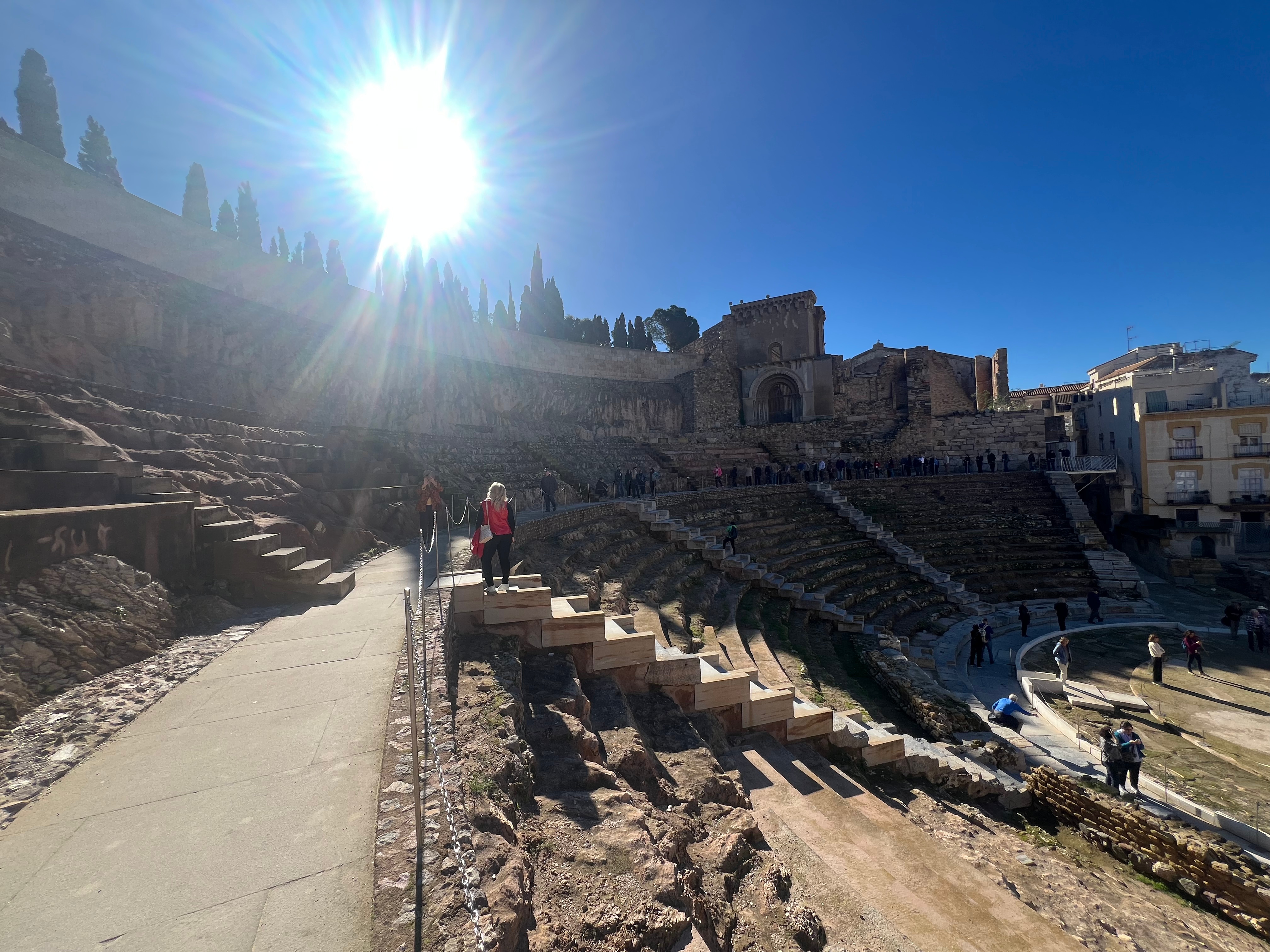
Cartagena / Murcia arrived early—very early. January-dark early. Departure was mid-afternoon, with all aboard at 16:00. If your idea of a holiday includes not setting an alarm, this port was already off to a bad start. You could squeeze in one excursion—either included or optional—but not much more. I was fortunate: after cutting short my included tour at the Roman Theatre, I wandered independently and caught glimpses of Cartagena’s fascinating architectural mix, especially its Modernista buildings from the mining boom era. But choose Murcia and forget Cartagena, or vice versa. Doing both properly? Not happening.
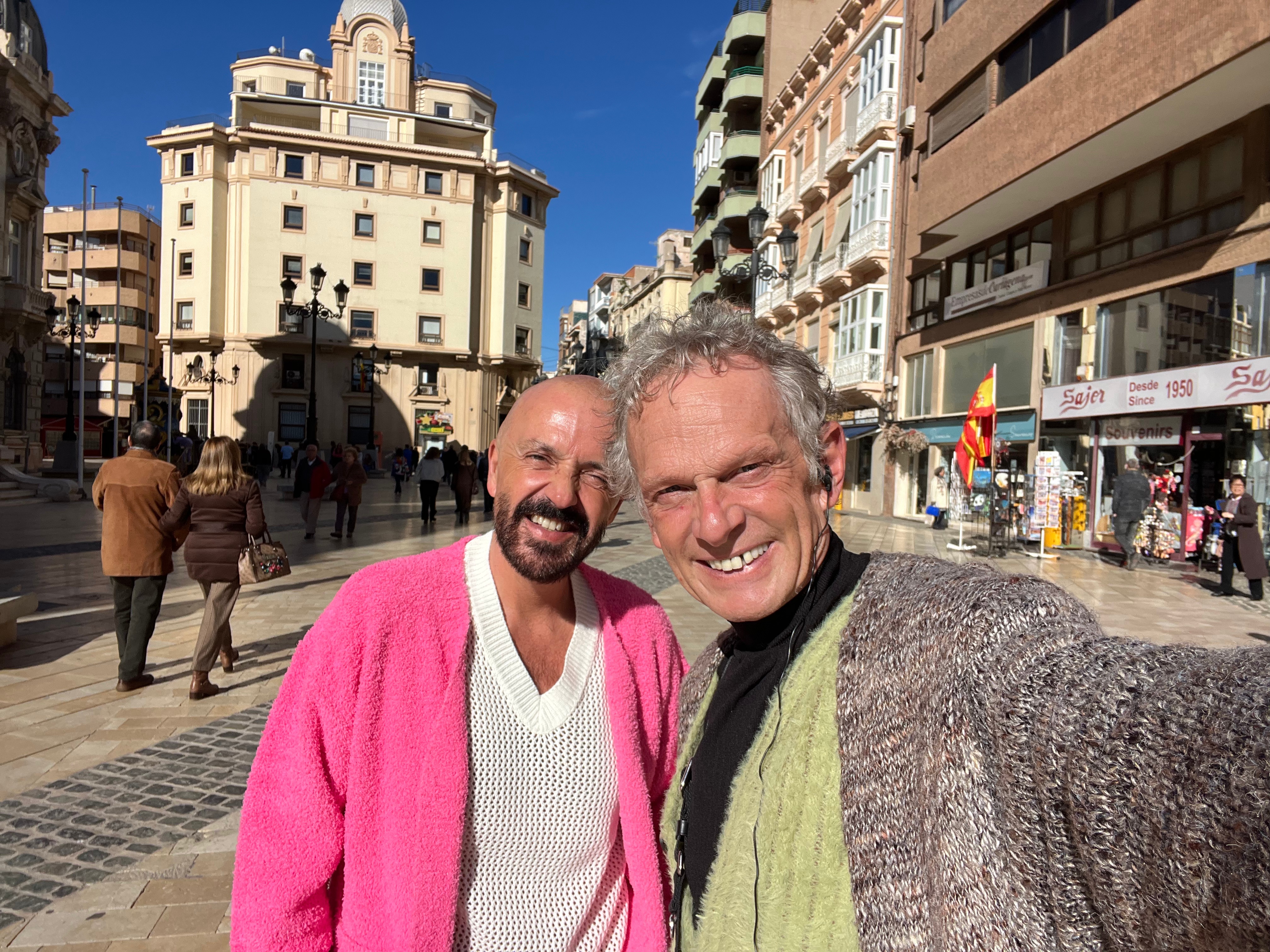
Click here to see the Viking included excursion in Cartagena: https://youtu.be/ryAWn9Os5l4?si=ev-g9OYJNbIOW8i7
Málaga was the only port that resembled a normal cruise schedule, with a morning arrival and early evening departure. Still, it was mildly irritating to see other cruise ships remain docked long after Viking Vela sailed away. Málaga offers a rich mix—Alcazaba, Gibralfaro, Picasso Museum, Carmen Thyssen, Old Town, markets, beach, tapas—but only if you resist “the Viking way.” Opt for Granada’s Alhambra, and Málaga itself becomes little more than a bus stop with souvenirs.
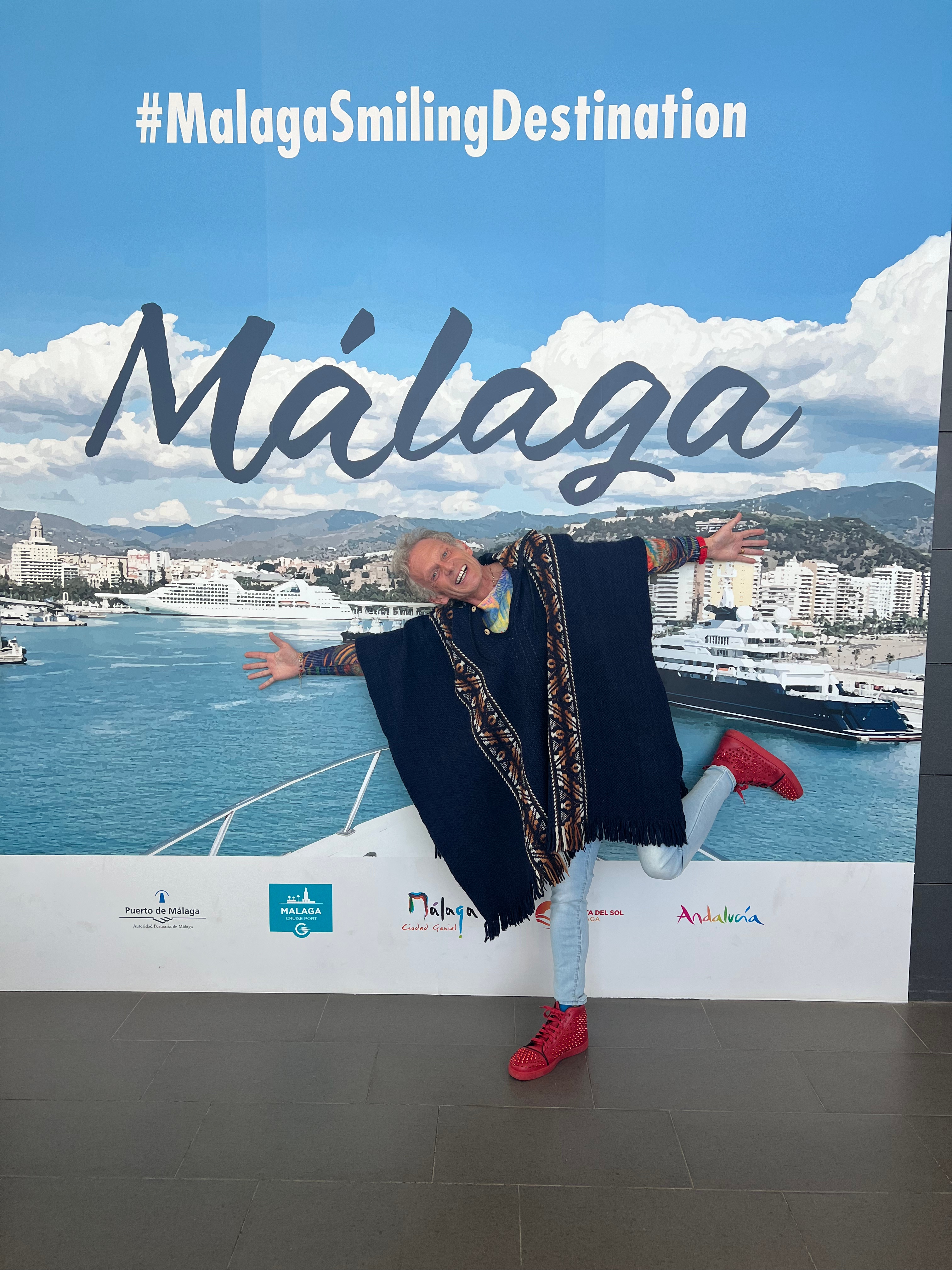


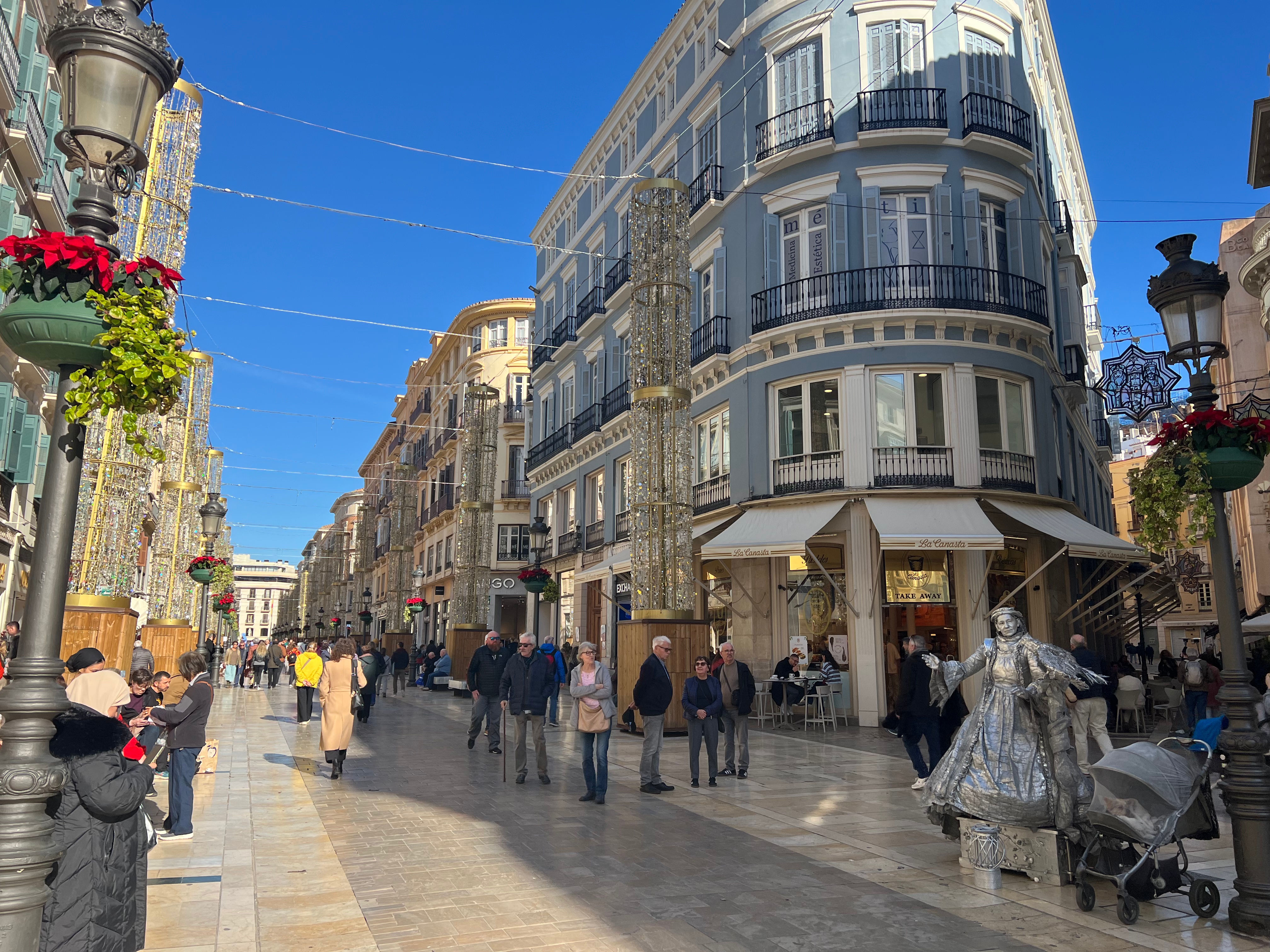
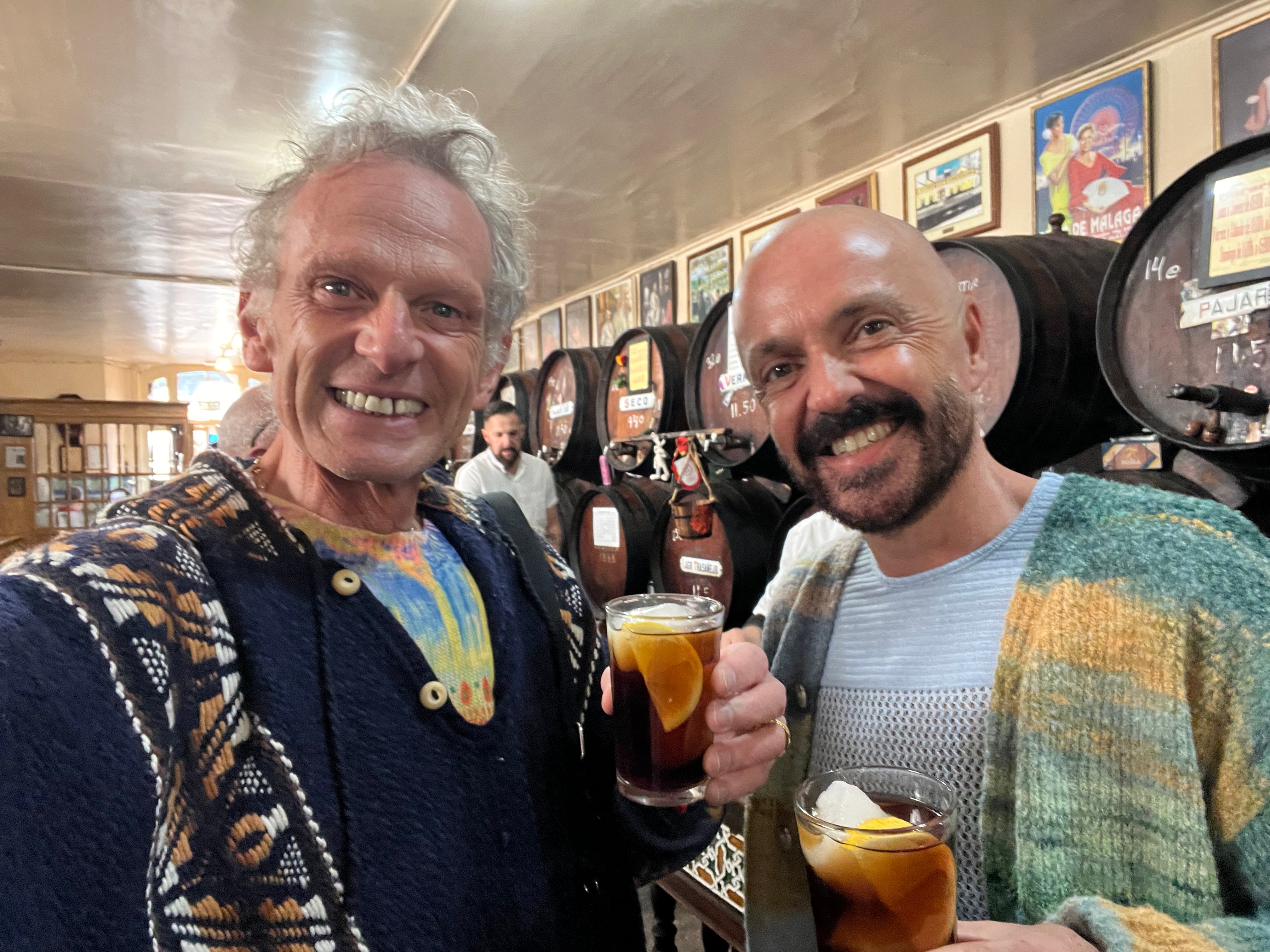
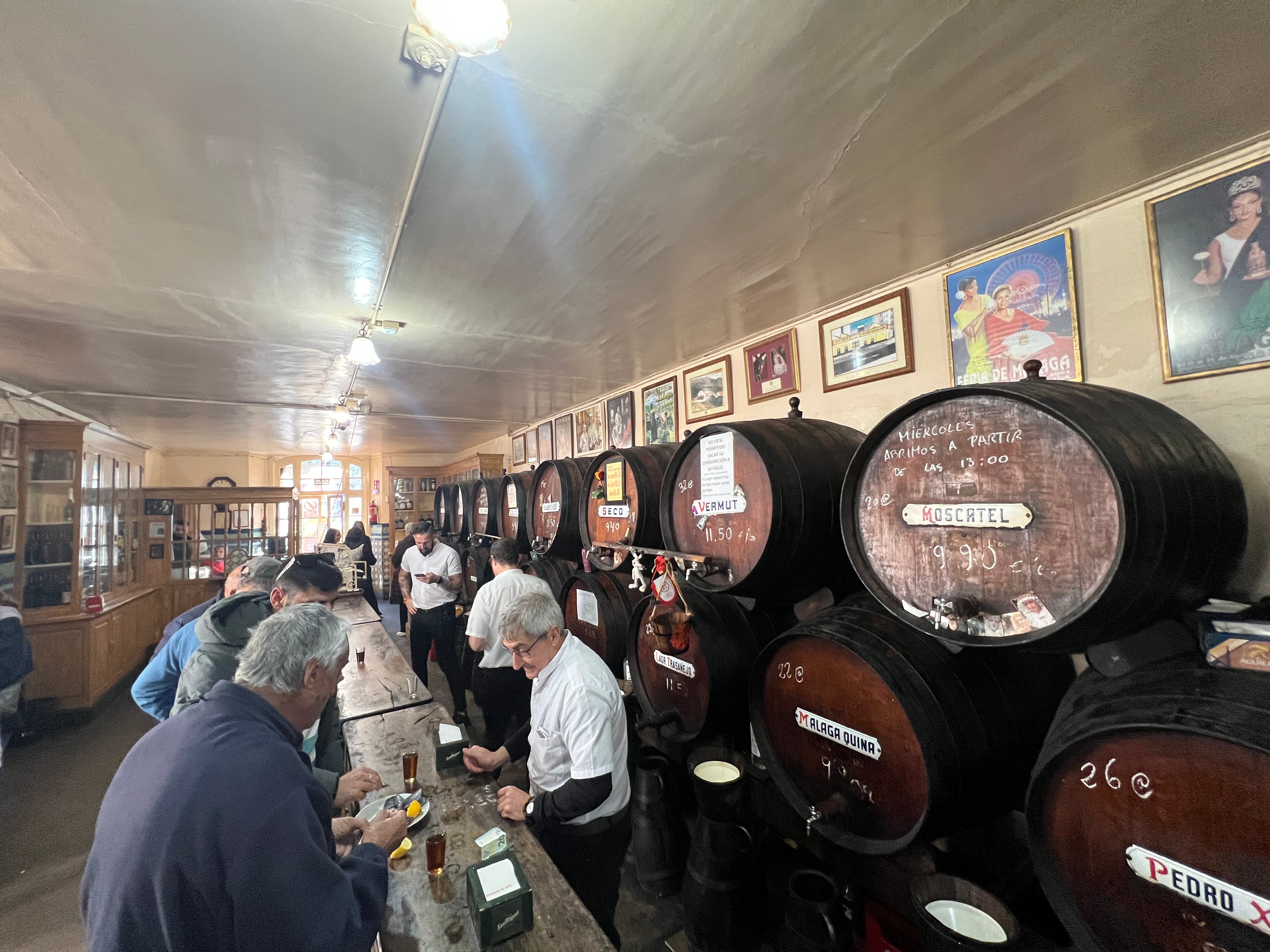

Click here to see how I spent a morning in Malaga: https://youtu.be/EBgTwsQuKcw?si=suNBXgmbBvWVUFEs
Then came the first sea day, gloriously marketed as the highlight: sailing through the Strait of Gibraltar, admiring the Rock, swimming under a retractable roof, absorbing culture in curated libraries. Sounds tempting—on paper. In reality, the most spectacular views happened at night, when the pool was closed and the Rock of Gibraltar was reduced to a shadowy concept. Another noticeable gap between website fantasy and lived experience.
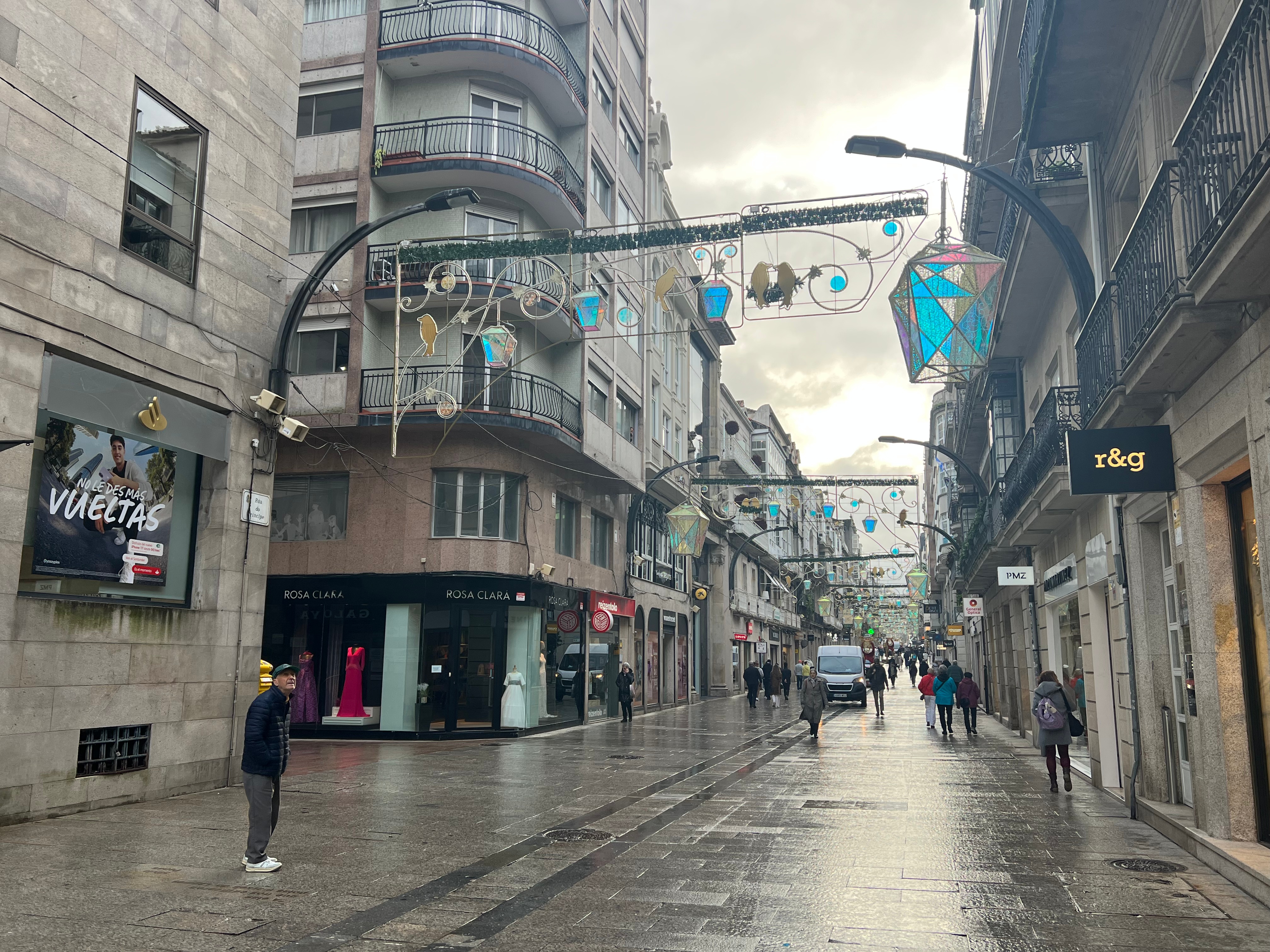
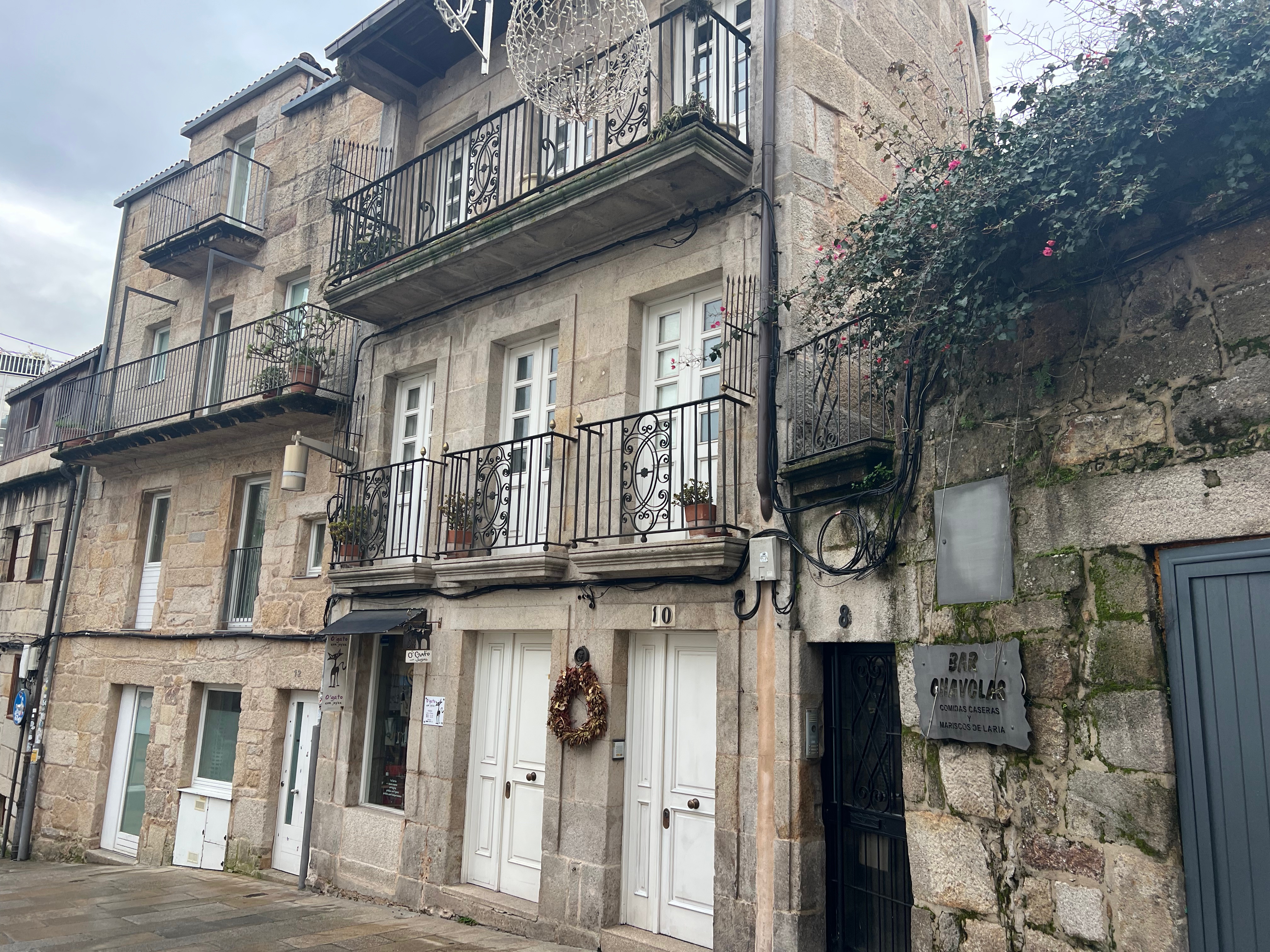
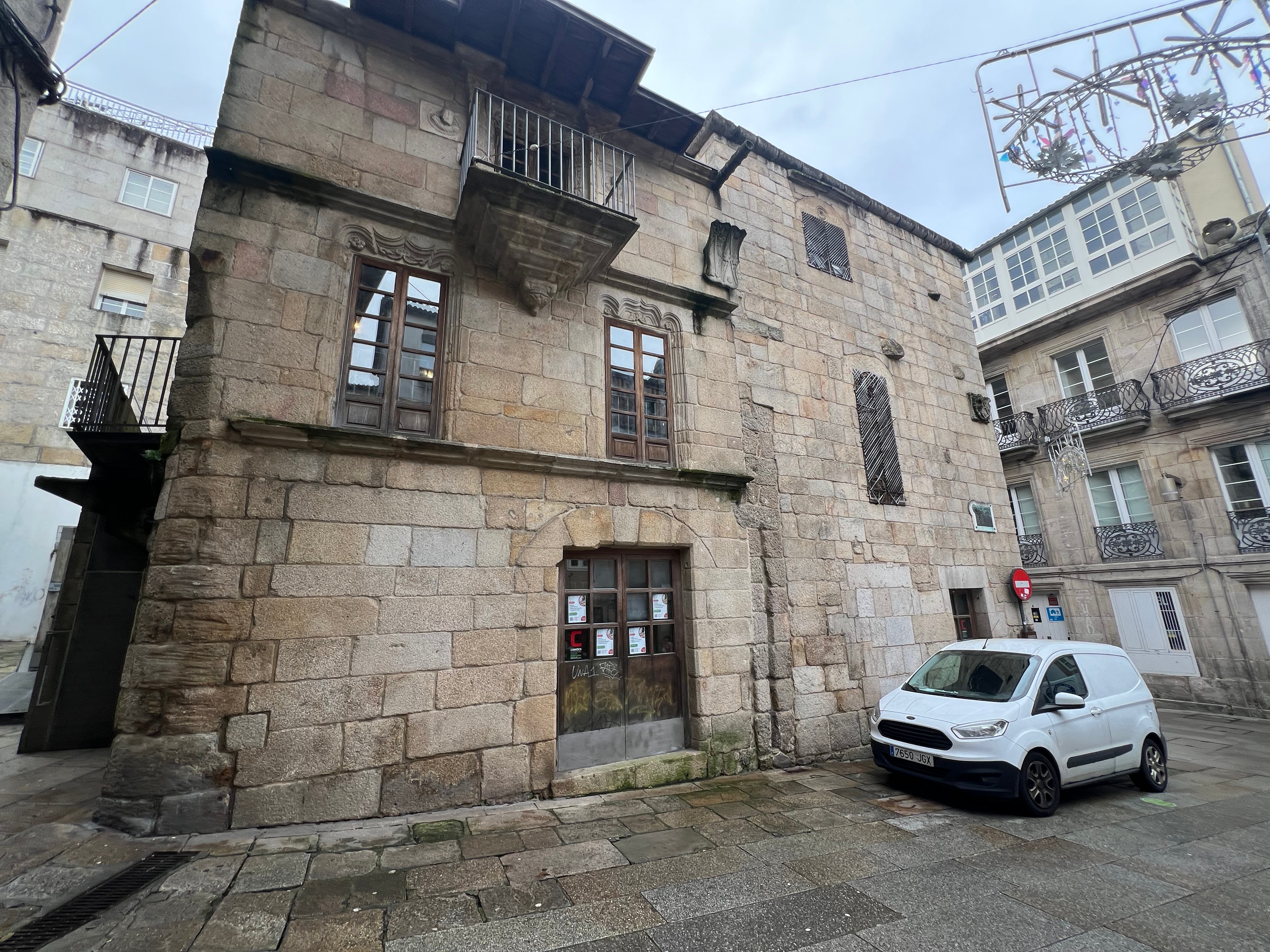
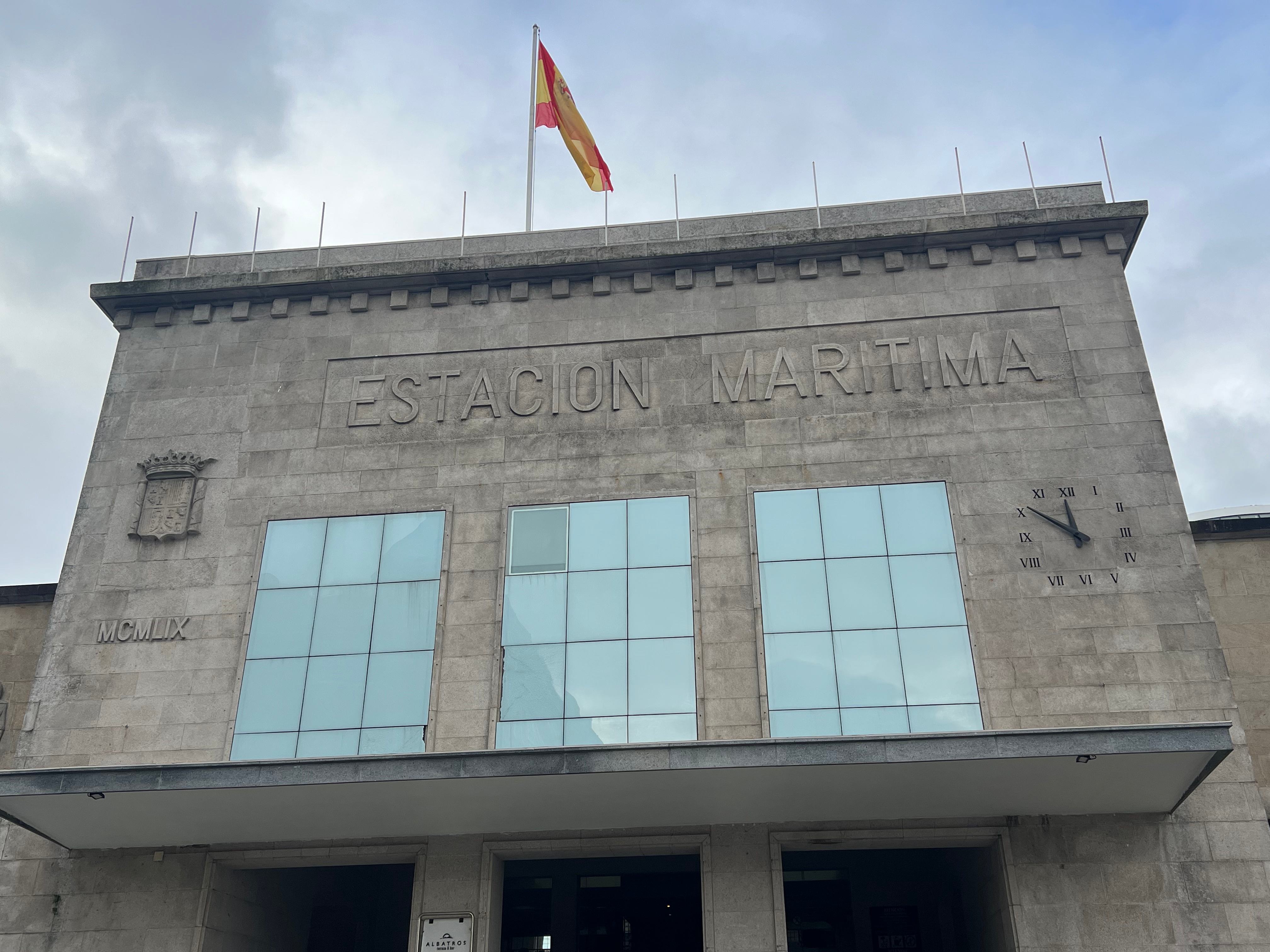
Vigo was, frankly, baffling. Arrival at 08:00. All aboard at 13:00. Five hours, including excursion logistics. Viking enthusiastically promotes markets overflowing with seafood and local life—but most of that wakes up after passengers are expected back on board. The only realistic options were an organised bus tour (ironically through areas best enjoyed on foot) or a frantic dash guided by Google Maps. One has to ask: why stop here at all under these constraints?
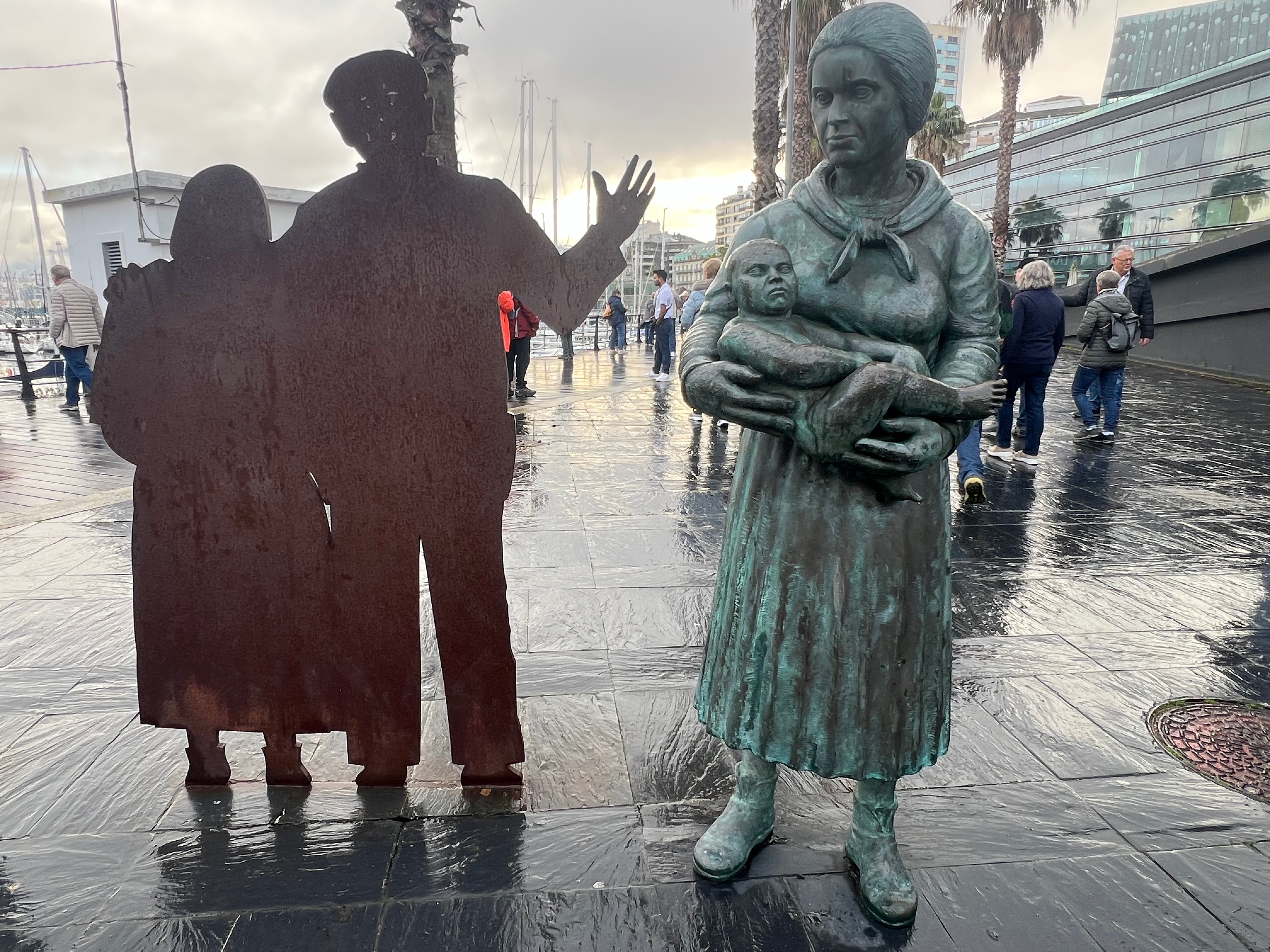
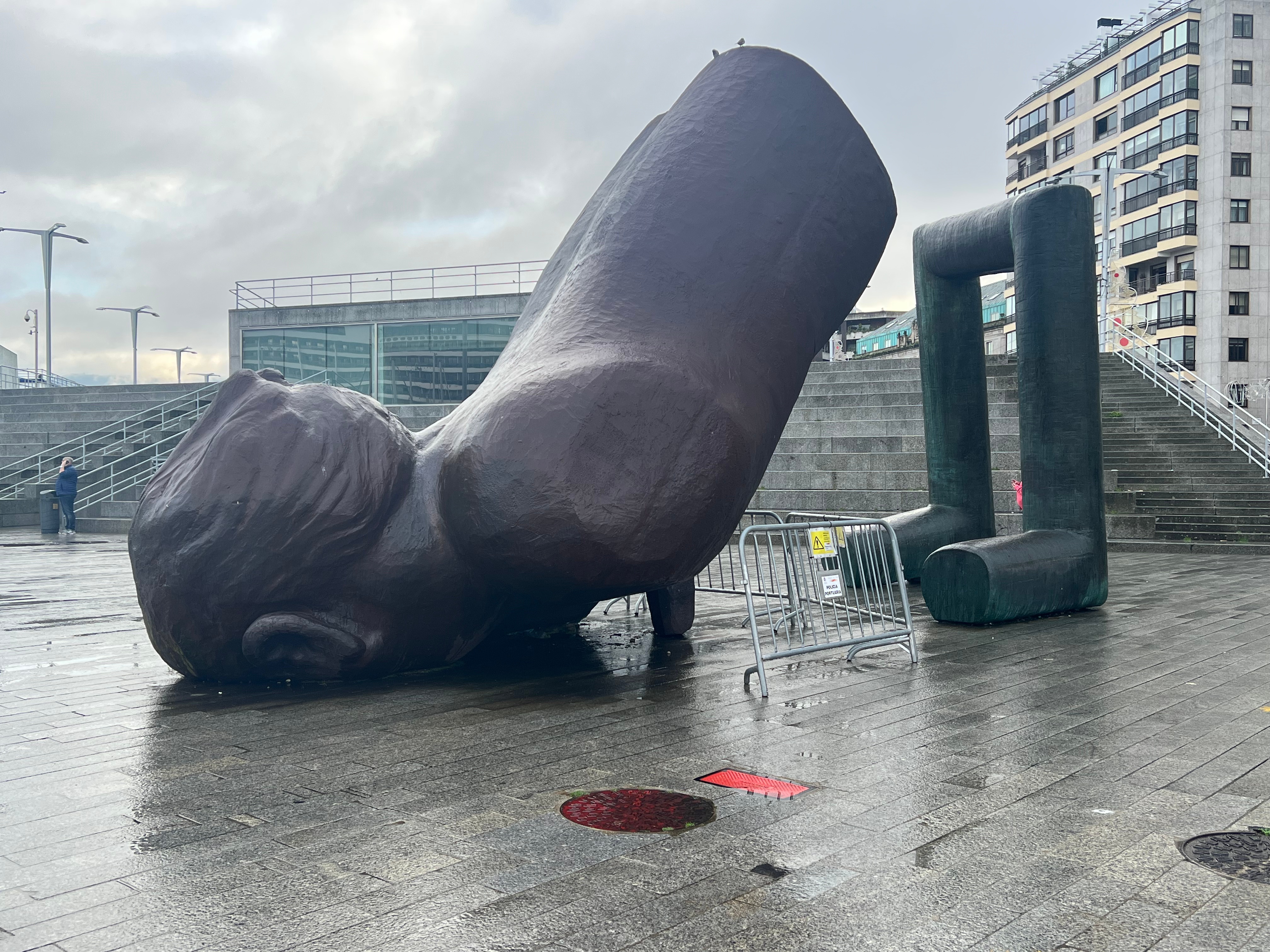
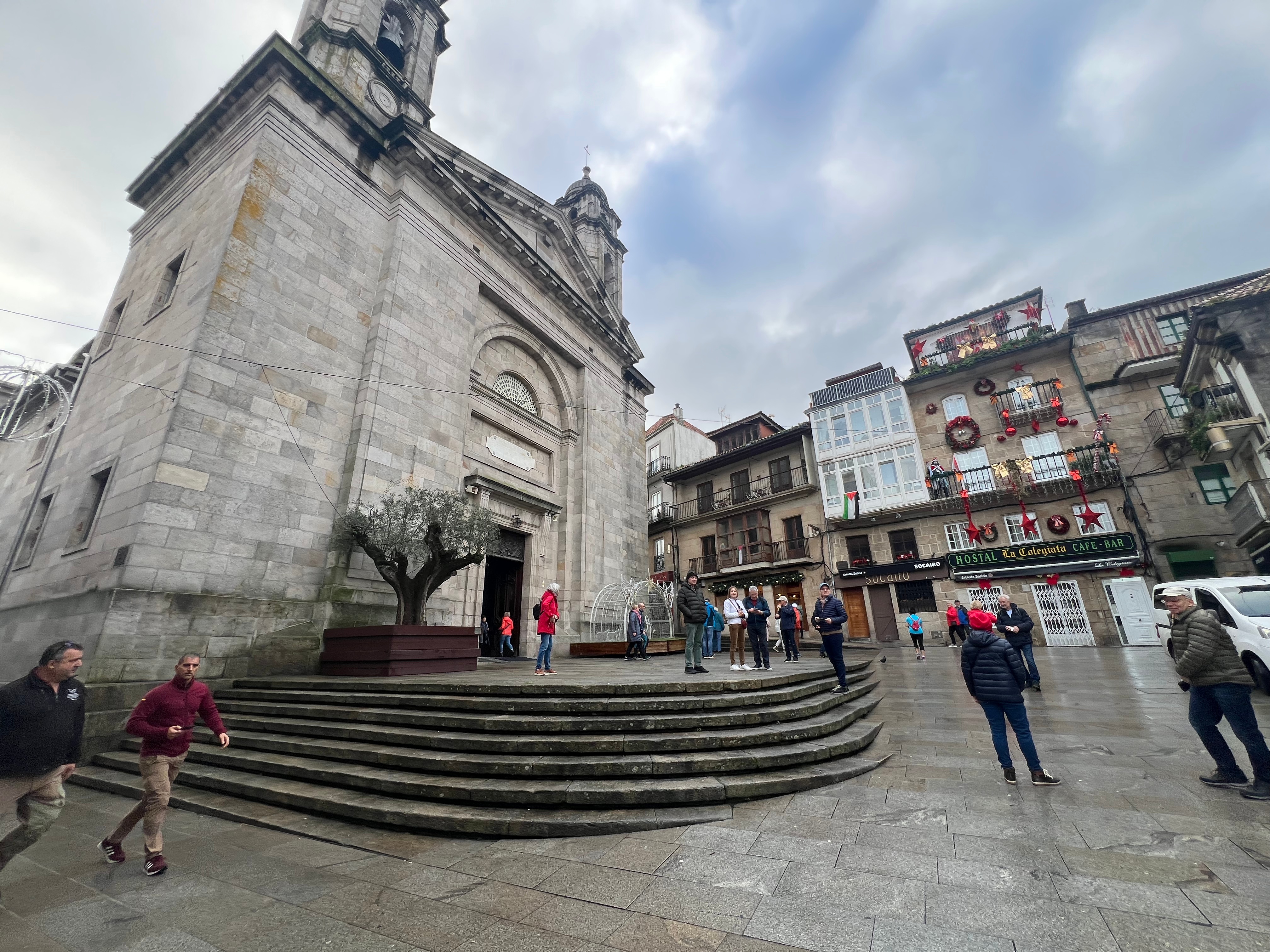
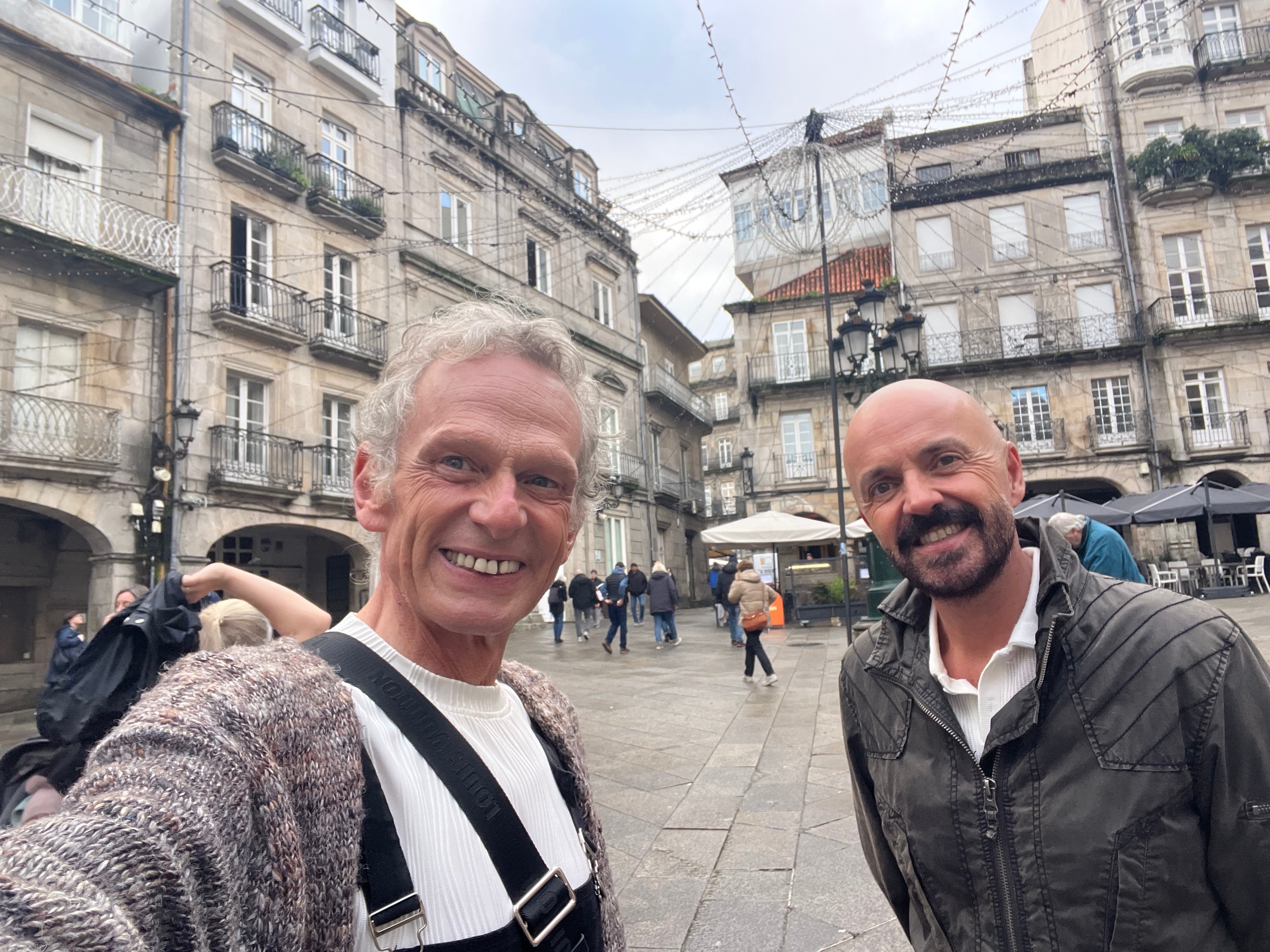
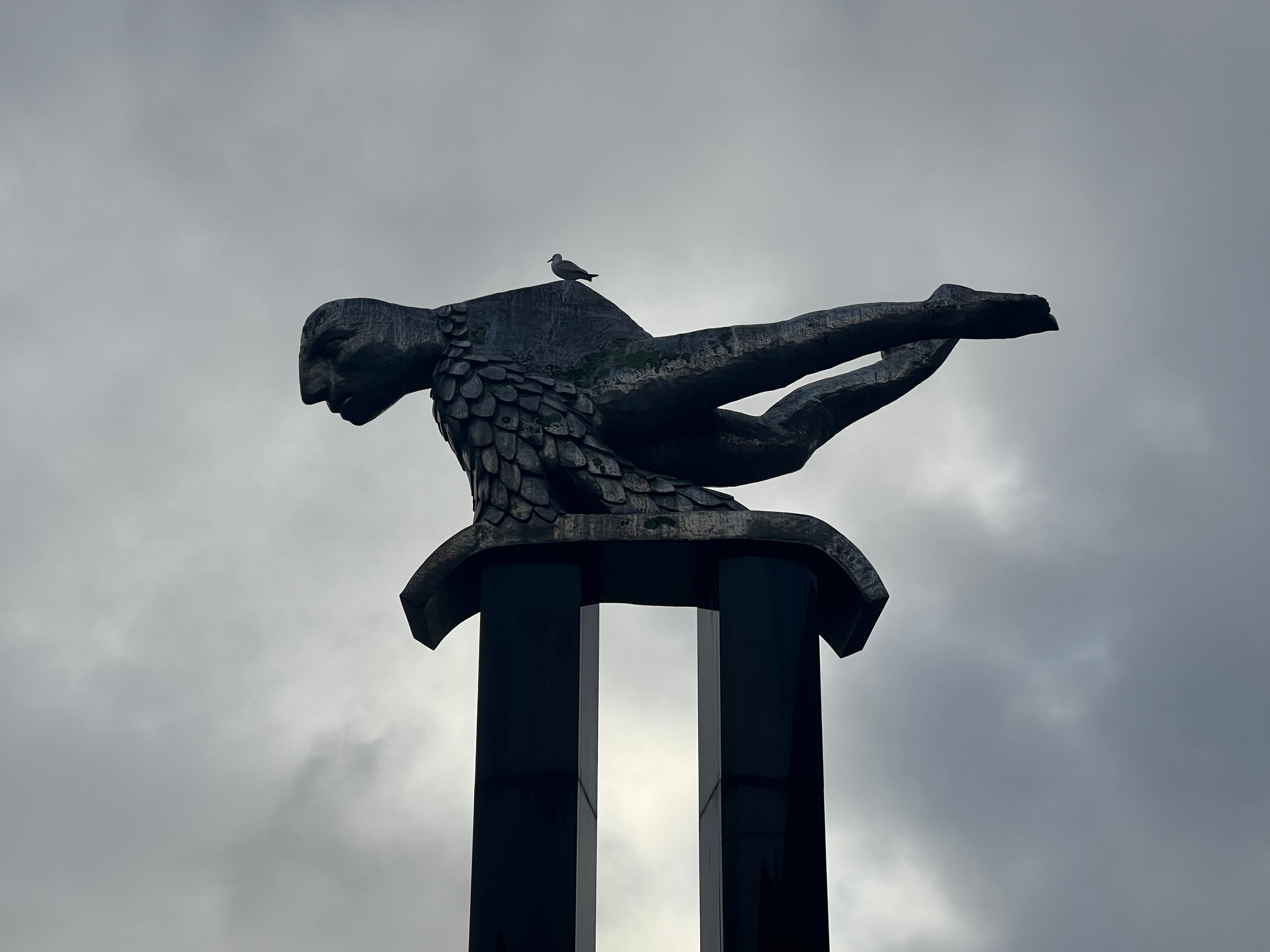
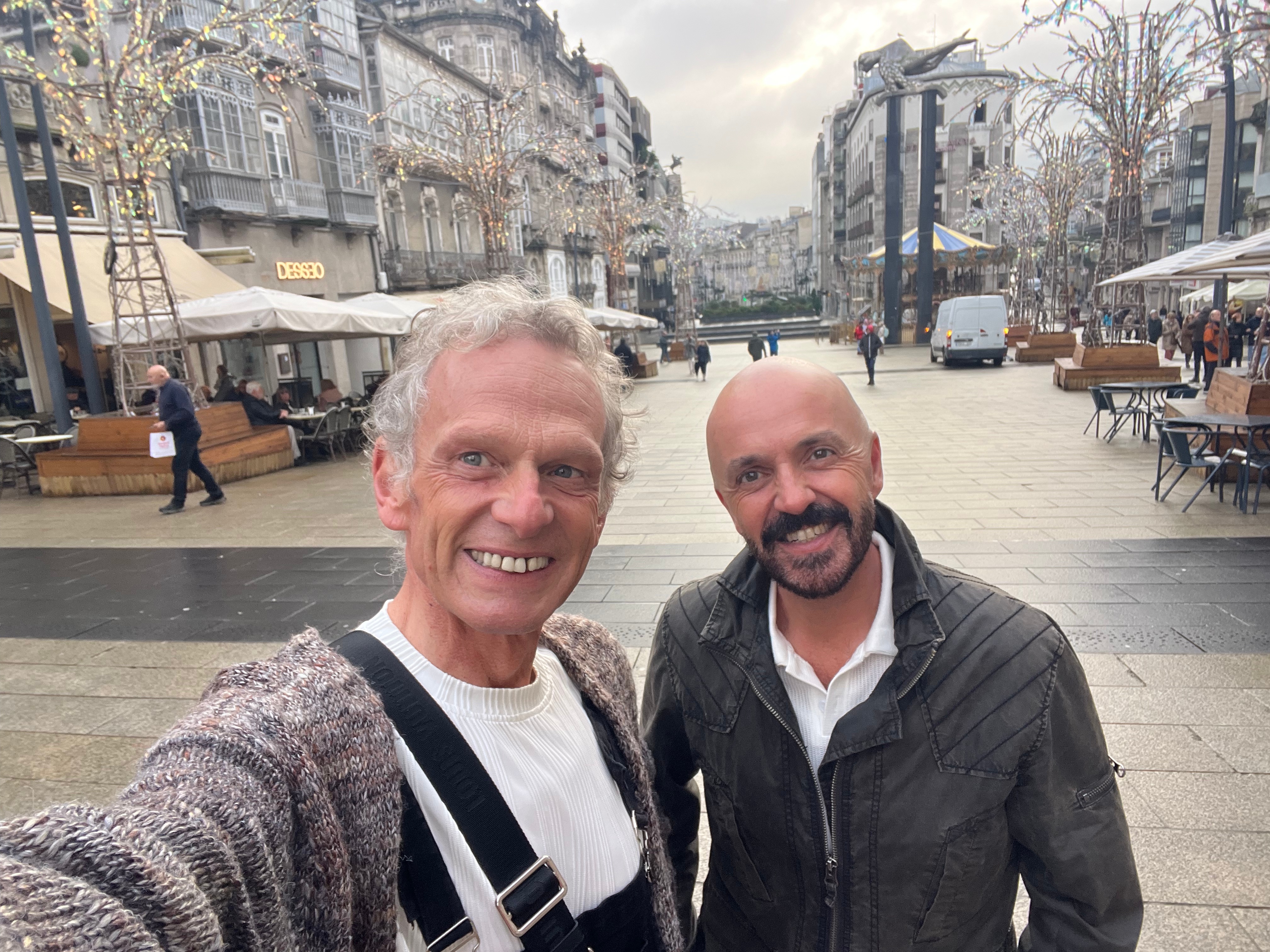
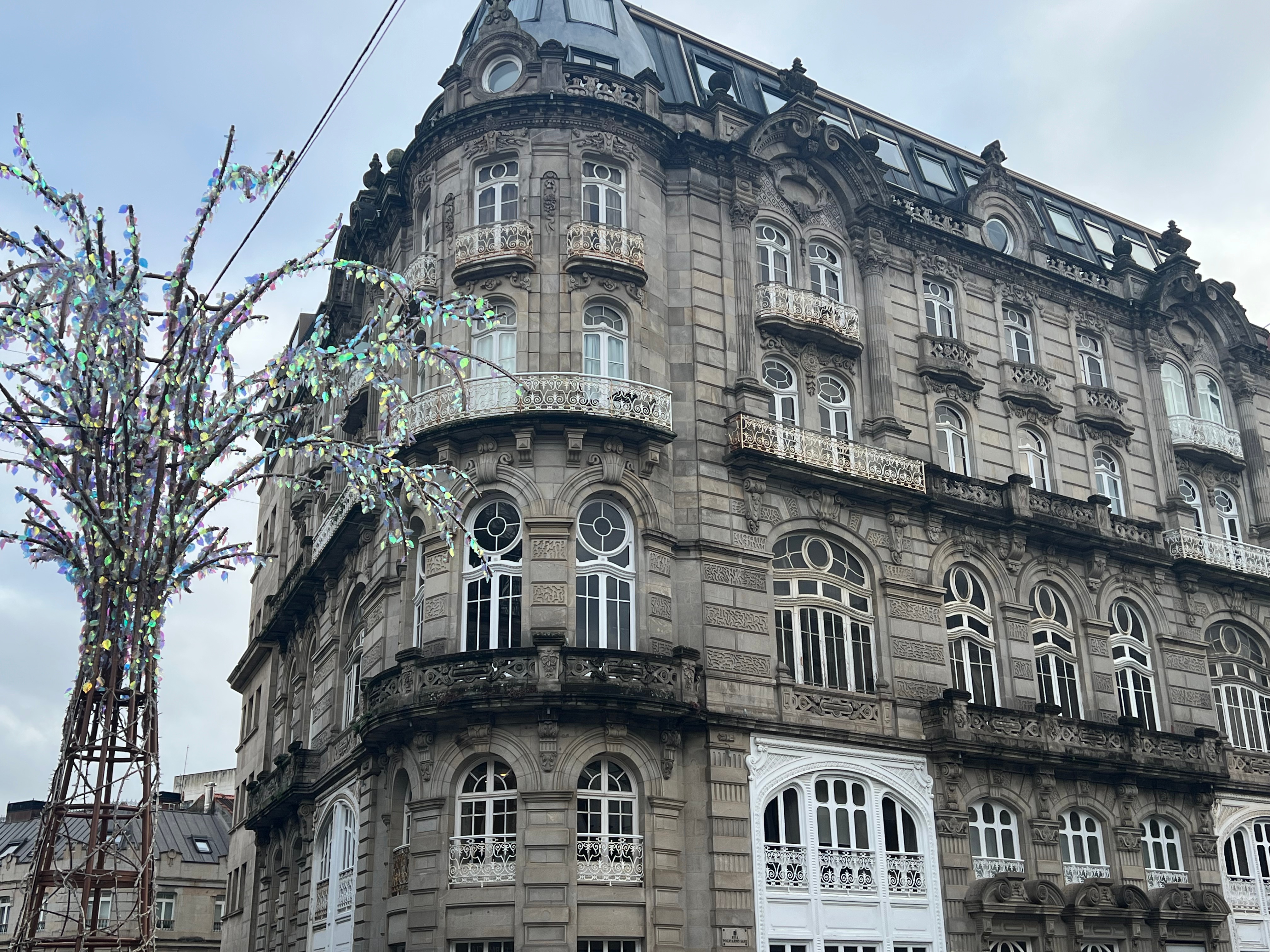
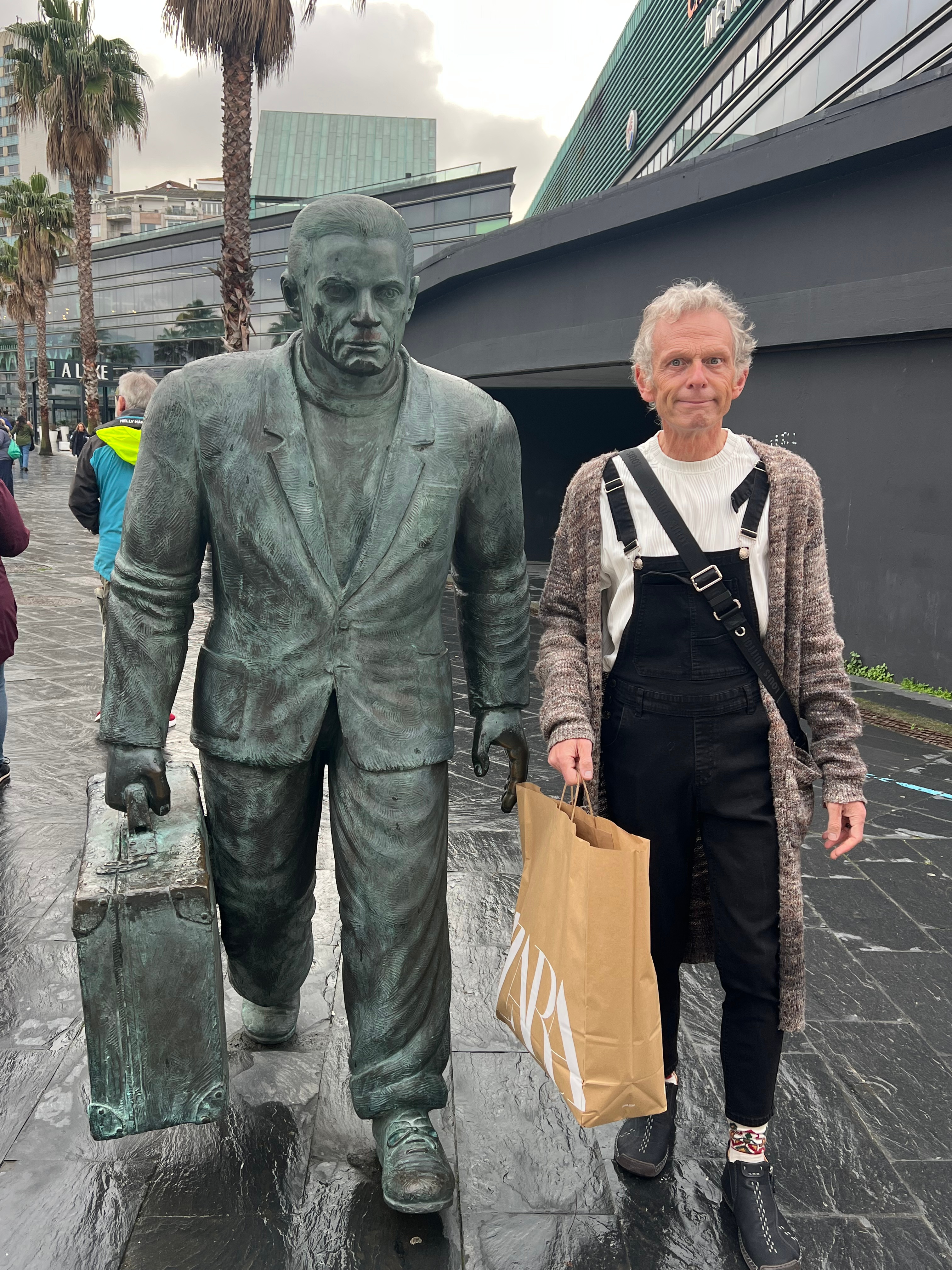
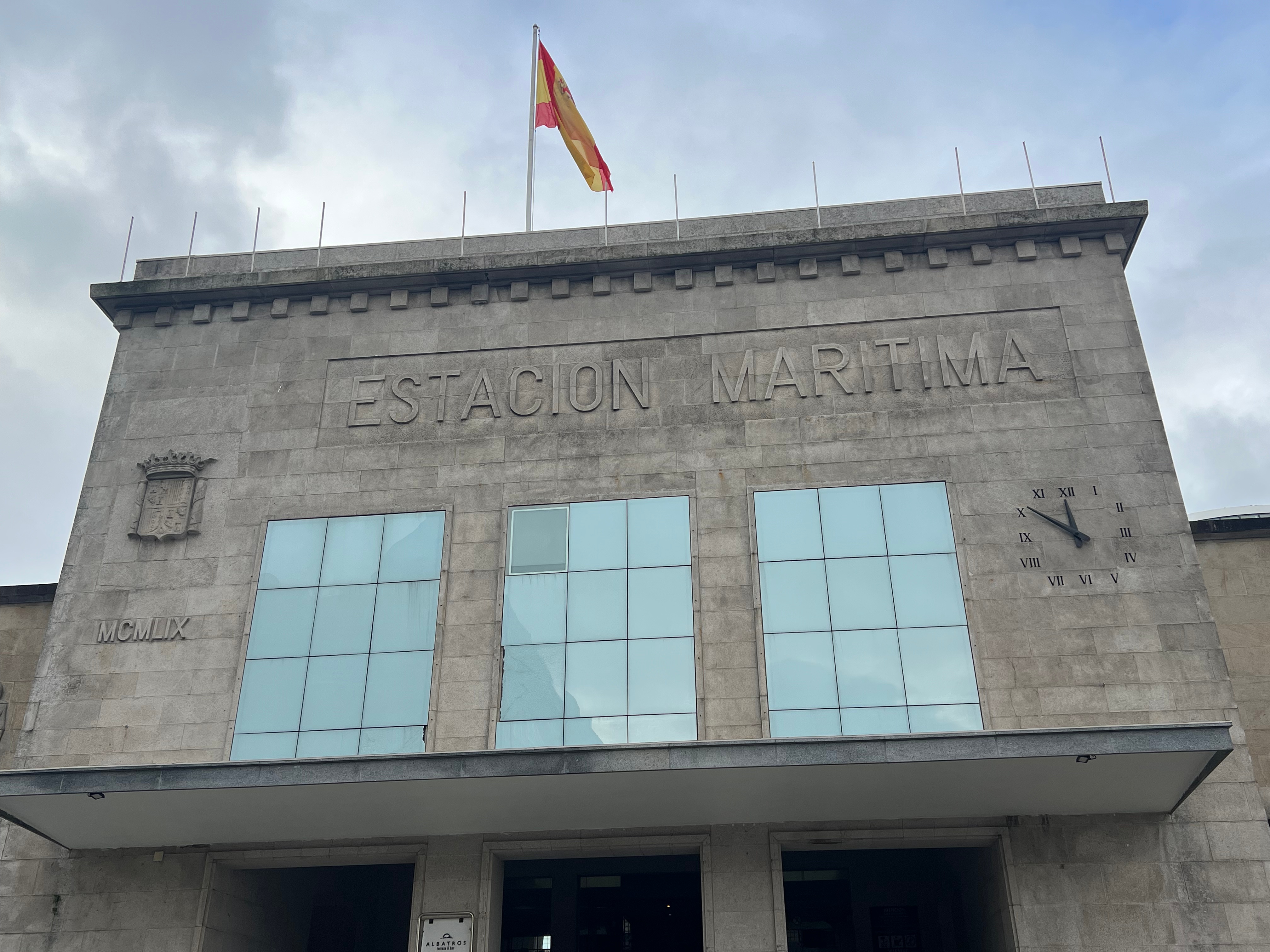
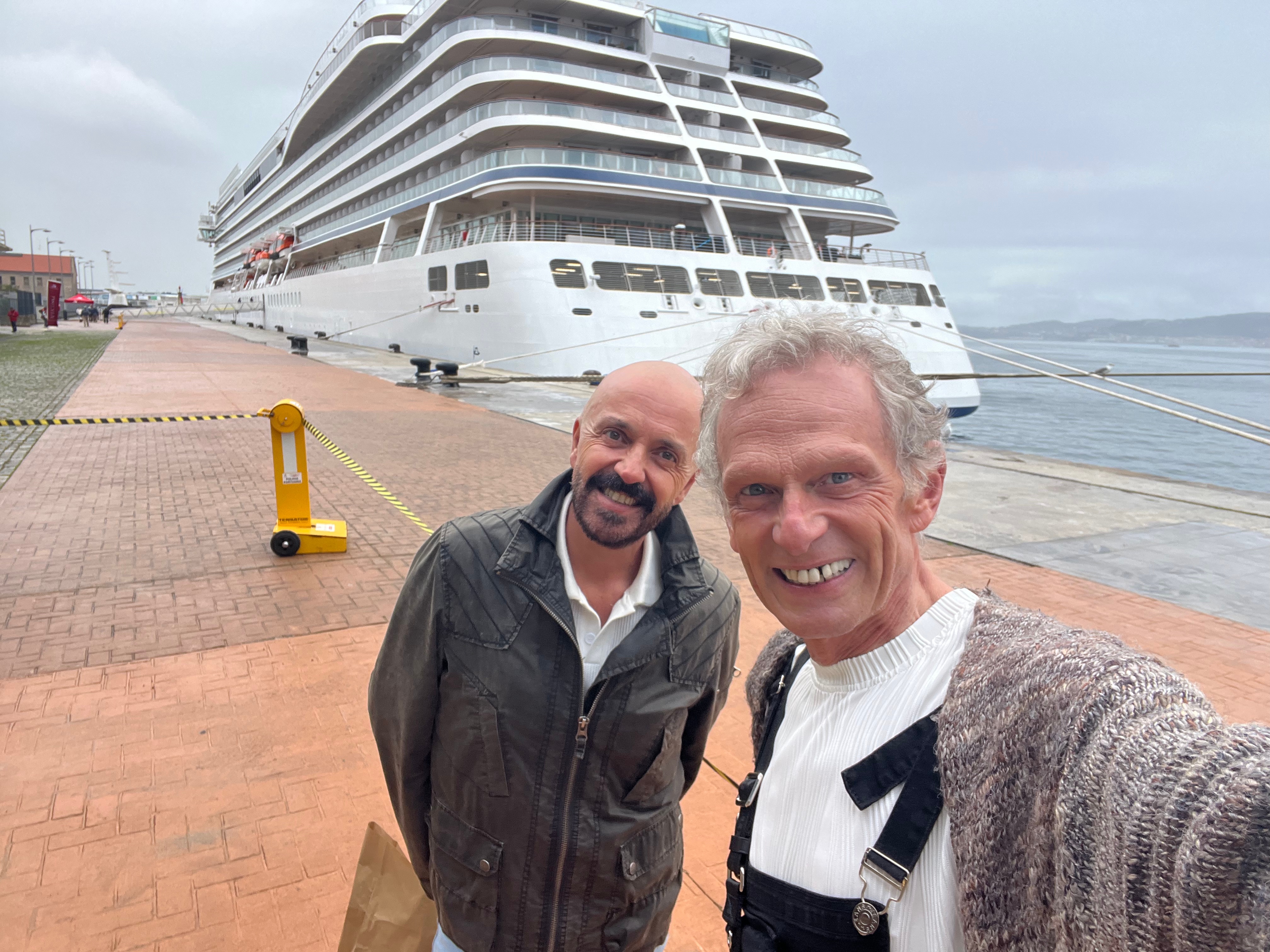
Click here to see our very short stop in Vigo: https://youtu.be/bm9Is2UFwNo?si=3gkOUcWg_ycSRbC8
Another sea day followed, wrapped in an atmosphere that increasingly resembled a very elegant, very expensive retirement home—working hard to project intellectual gravitas, cultural refinement, and “posh flair,” whether or not anyone asked for it.
Portsmouth should have been a highlight: Mary Rose, HMS Victory, naval history everywhere. Instead, it became a race. Arrival at 07:00, immigration taking over an hour, all aboard at 13:00. Predictably, the Stonehenge excursion ran late, and the ship departed at least an hour behind schedule. Tight planning meets British reality—guess who wins.
Finally, Tilbury. The end of the journey. If you didn’t book a post-cruise extension, the day’s pleasures were limited but pleasant: a smooth disembarkation, a charmingly old-fashioned terminal, and an efficient transfer to the airport. No illusions here—just competence
In summary, “Iberian Explorer” sounded like slow, immersive travel but felt like a carefully choreographed sprint. The biggest issue wasn’t the destinations themselves but the lack of transparency and the chronic shortage of time. Viking sells poetry but delivers prose—occasionally good prose, but rarely what was promised. And in a premium-priced cruise, that distance matters.
I still don’t understand why Viking insists on being so pretentious about its itineraries. The promise is always the same: more time in port than the big ships, smaller vessels slipping into lesser-known harbours, deeper cultural immersion, late departures, even evenings ashore. On paper, it sounds like slow travel with a PhD.
On board Viking Vela, however, my so-called Iberian Explorer felt far more like an Iberian Express—efficient, punctual, and gone before you’d finished your coffee. Early arrivals, early departures, and “all aboard” times better suited to a commuter ferry than a culturally enriching voyage made the grand narrative feel increasingly fictional.
There’s nothing wrong with a positioning cruise. In fact, honesty would be refreshing. Sell it as a beautifully designed ship moving elegantly from A to B with curated glimpses of places along the way. Don’t sell it as an opportunity to “circumnavigate the Iberian Peninsula and uncover historic treasures” when most treasures are still opening their shutters as you head back to the gangway.
That’s not ambitious marketing. That’s simply overselling—and on a premium cruise, expectations matter.
MY CABIN – MET EXPECTATIONS
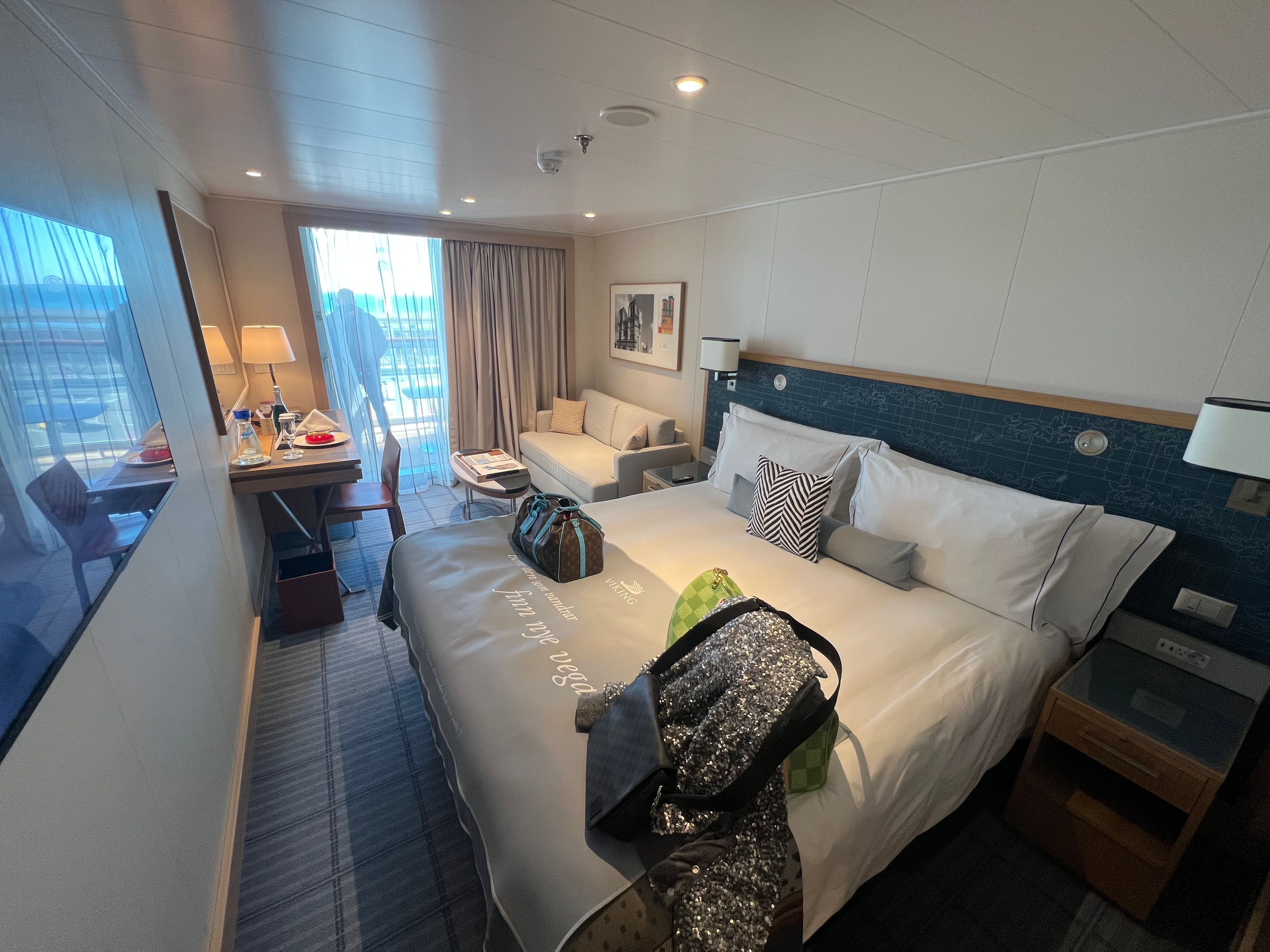
The V1 Veranda Suite (Category V1) on Viking Ocean Cruises is, quite proudly, the entry-level veranda stateroom — the smallest cabin with a balcony on Viking Vela and, in theory, the most democratic way to sample “The Viking Way.” As this was my first Viking cruise, I decided not to splash out too much money on an unknown experience. Sensible traveller logic: try before you Viking.
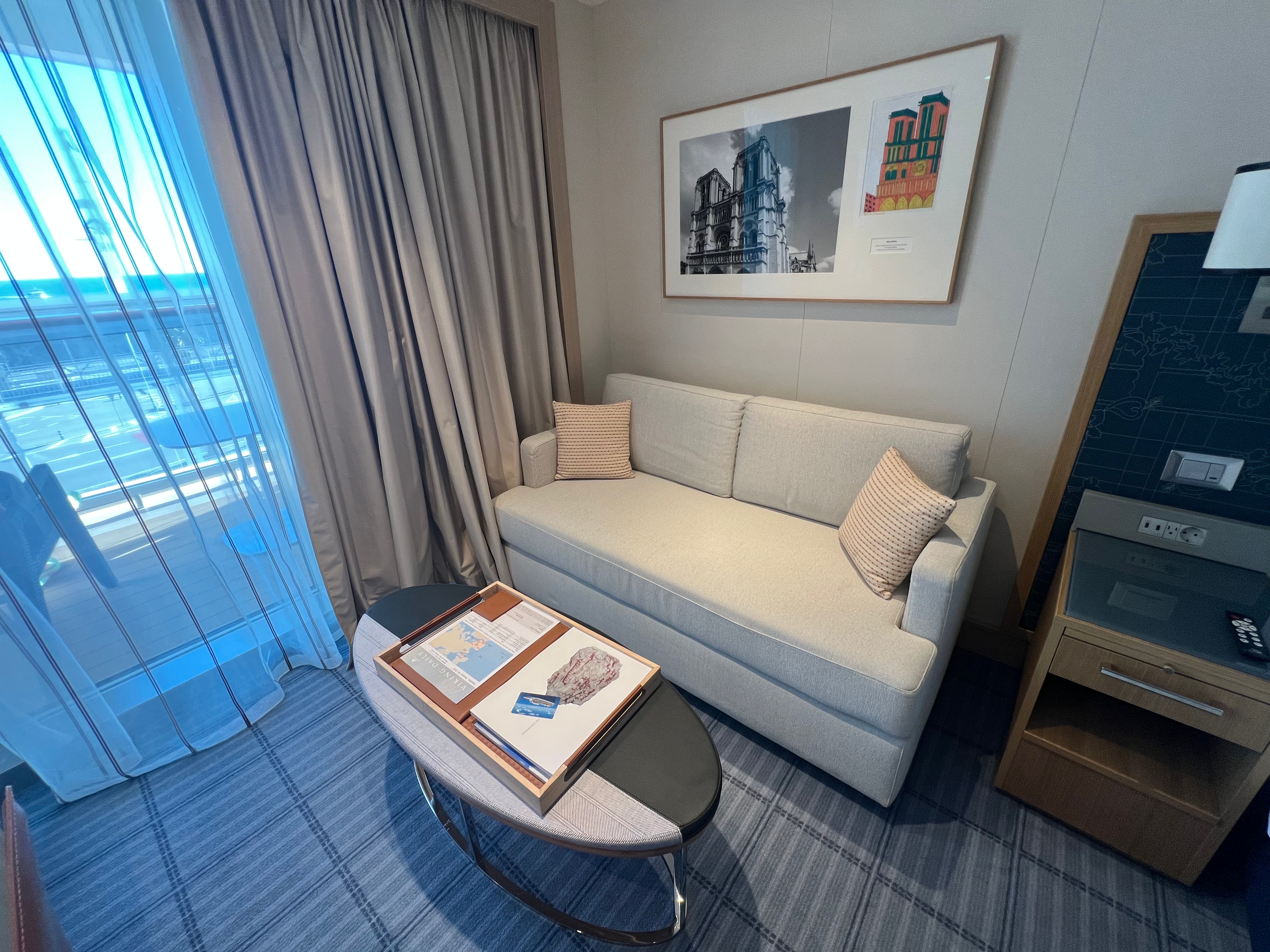
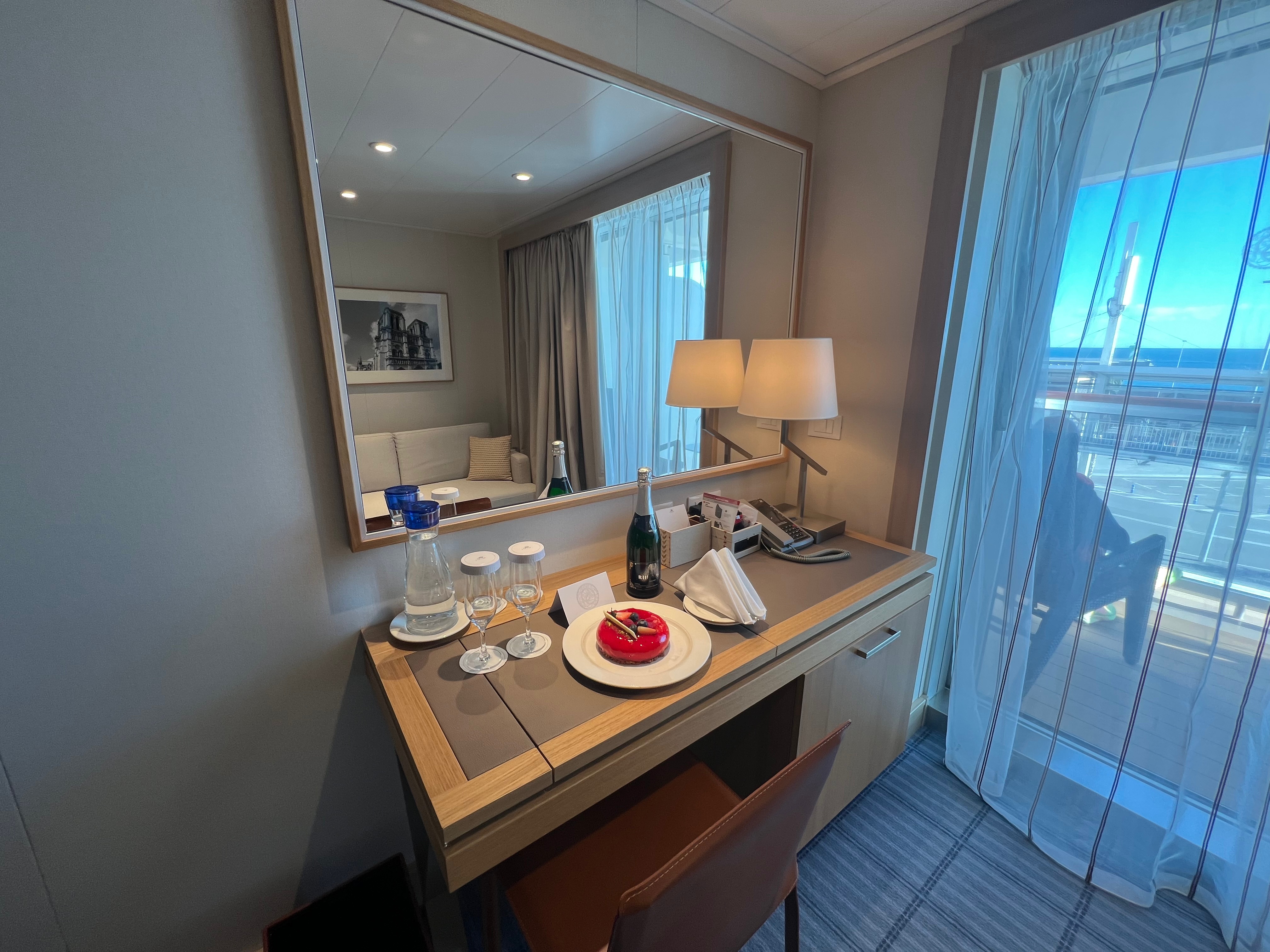
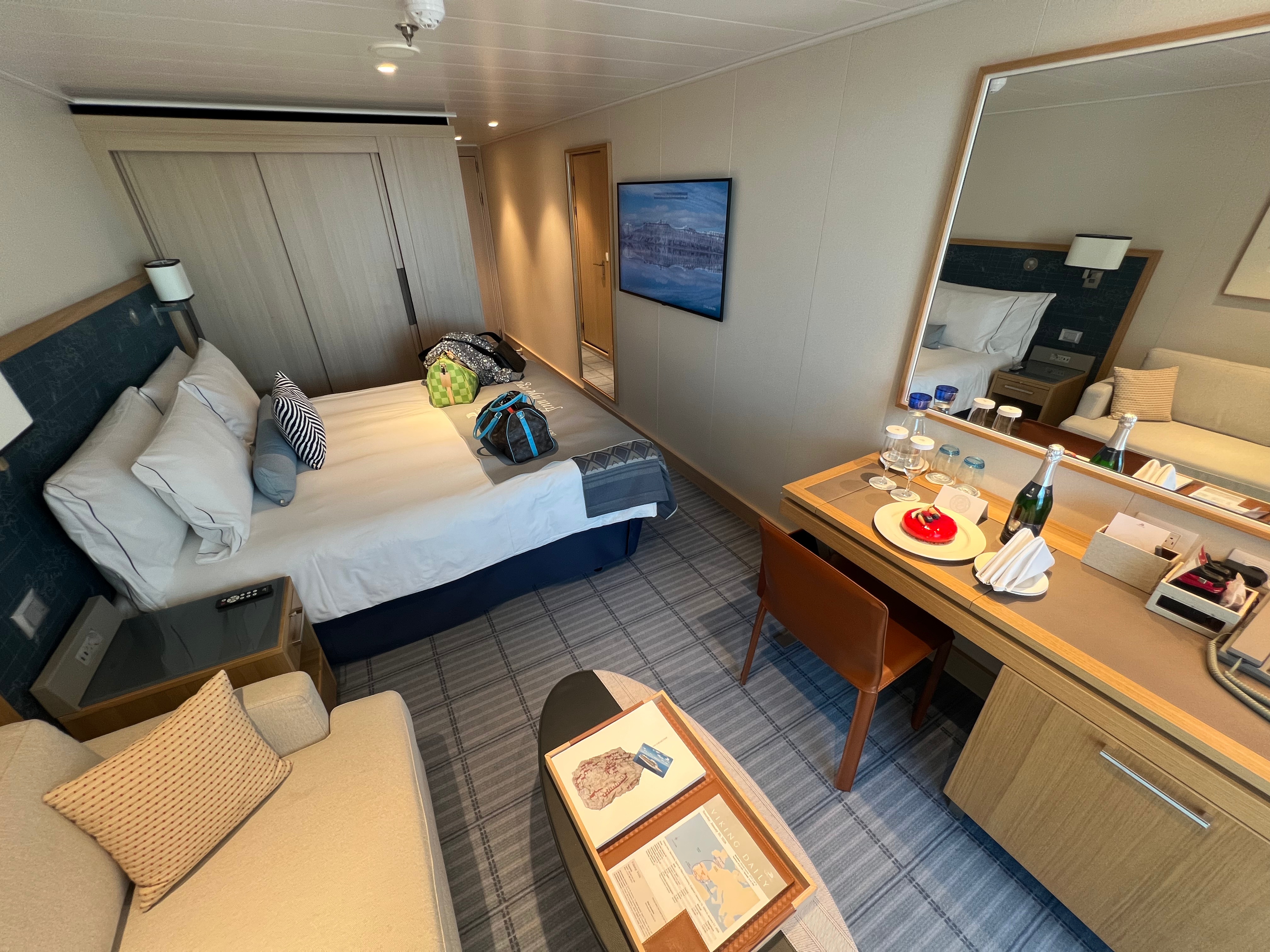
On paper, the V1 looks perfectly respectable. Around 270 square feet including a 45 sq ft balcony, a king-size Viking Explorer Bed (which can split into twins), two armchairs, a coffee table, and a bathroom generously advertised as “spacious.” Add Wi-Fi, a flat-screen TV, USB and power outlets, 24-hour room service and complimentary bottled water, and it all sounds reassuringly premium.
And to be fair — some of it really is.
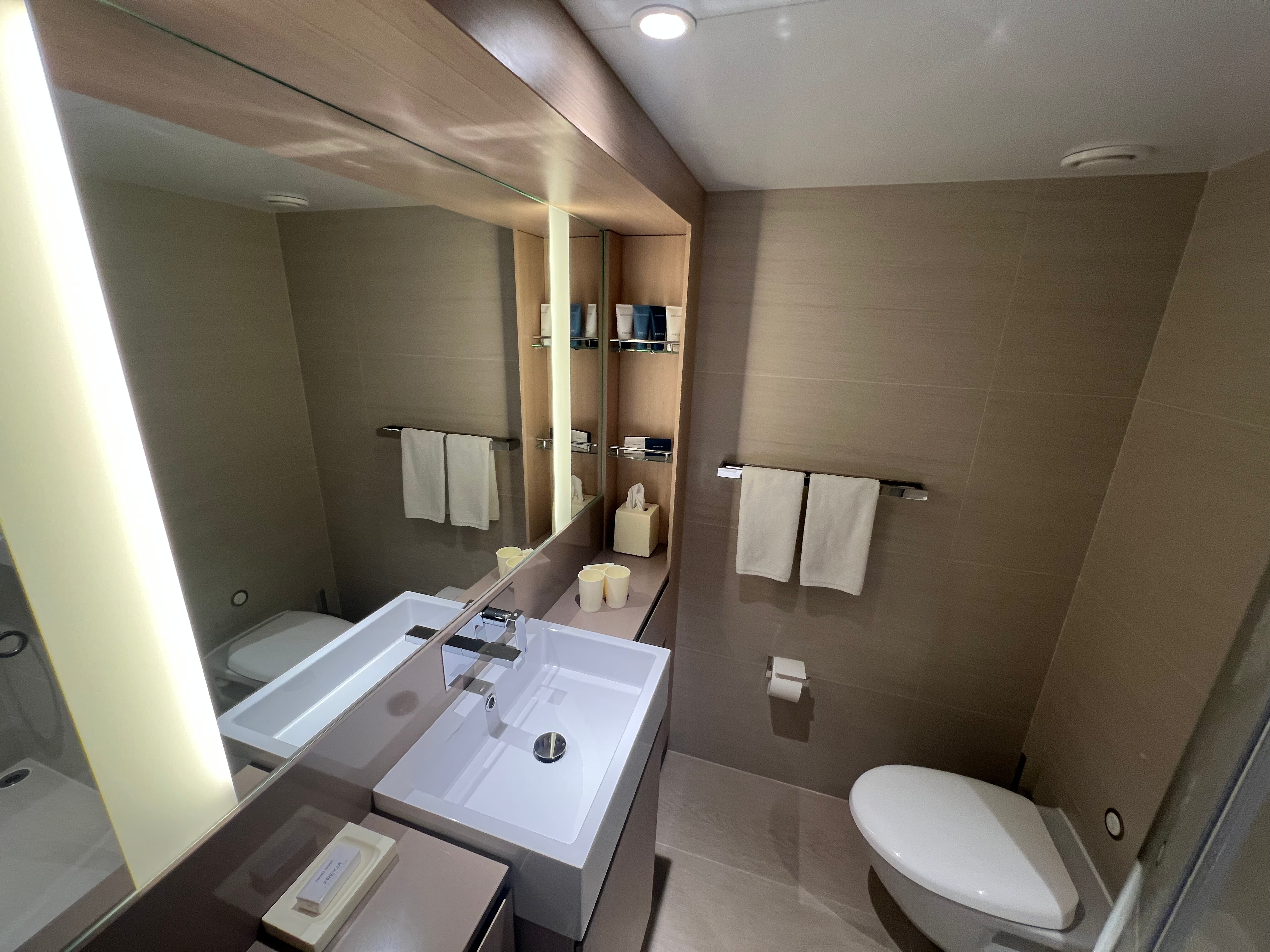
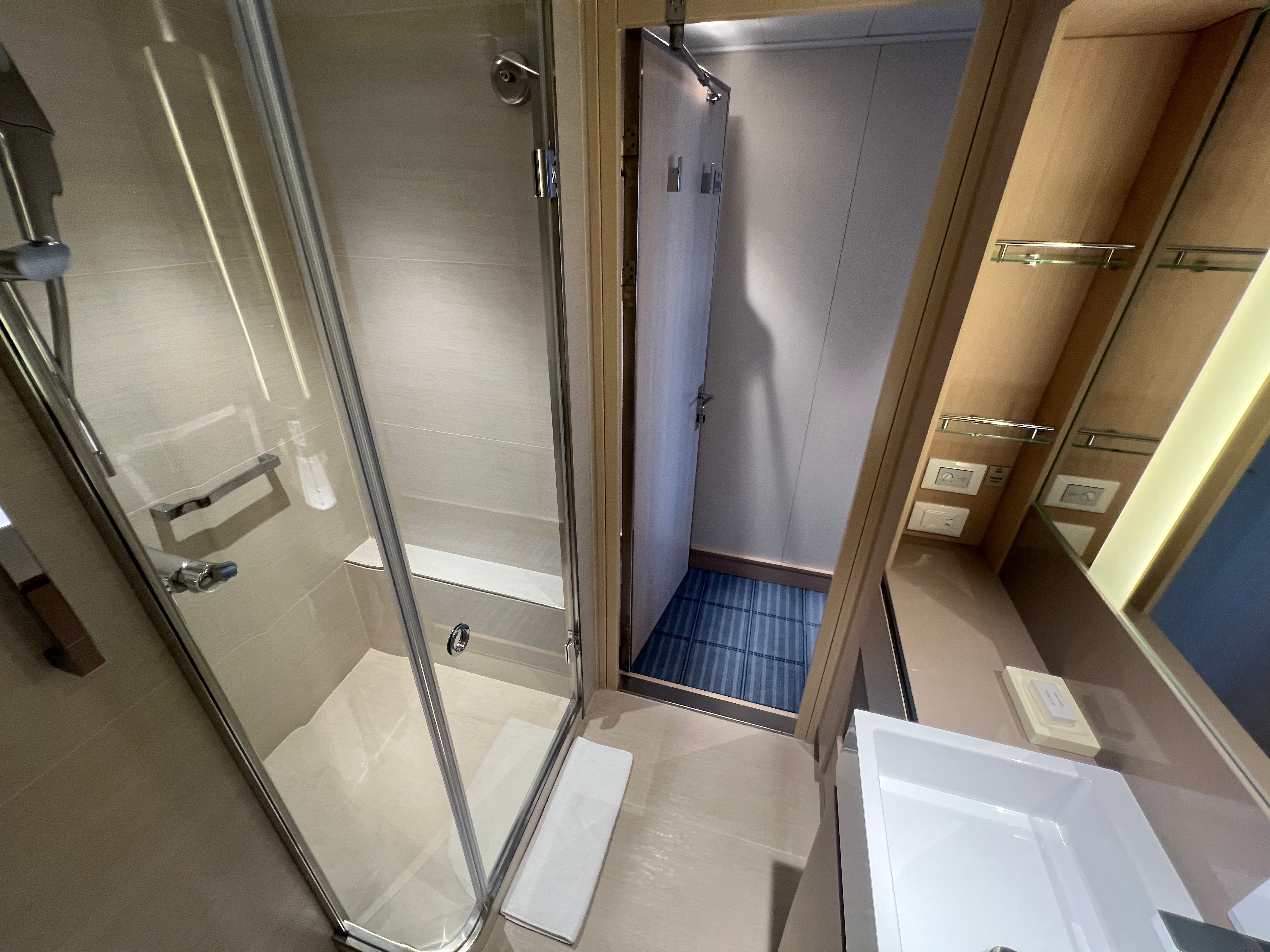
The biggest surprise was the bathroom. Compared to same-category cabins on other cruise lines, this one feels positively indulgent. A decent-sized shower, heated floor (a small luxury you didn’t know you needed until you had it), and plenty of storage space. It’s the kind of bathroom that quietly says, “Relax, you’re not on a mass-market ship anymore.”
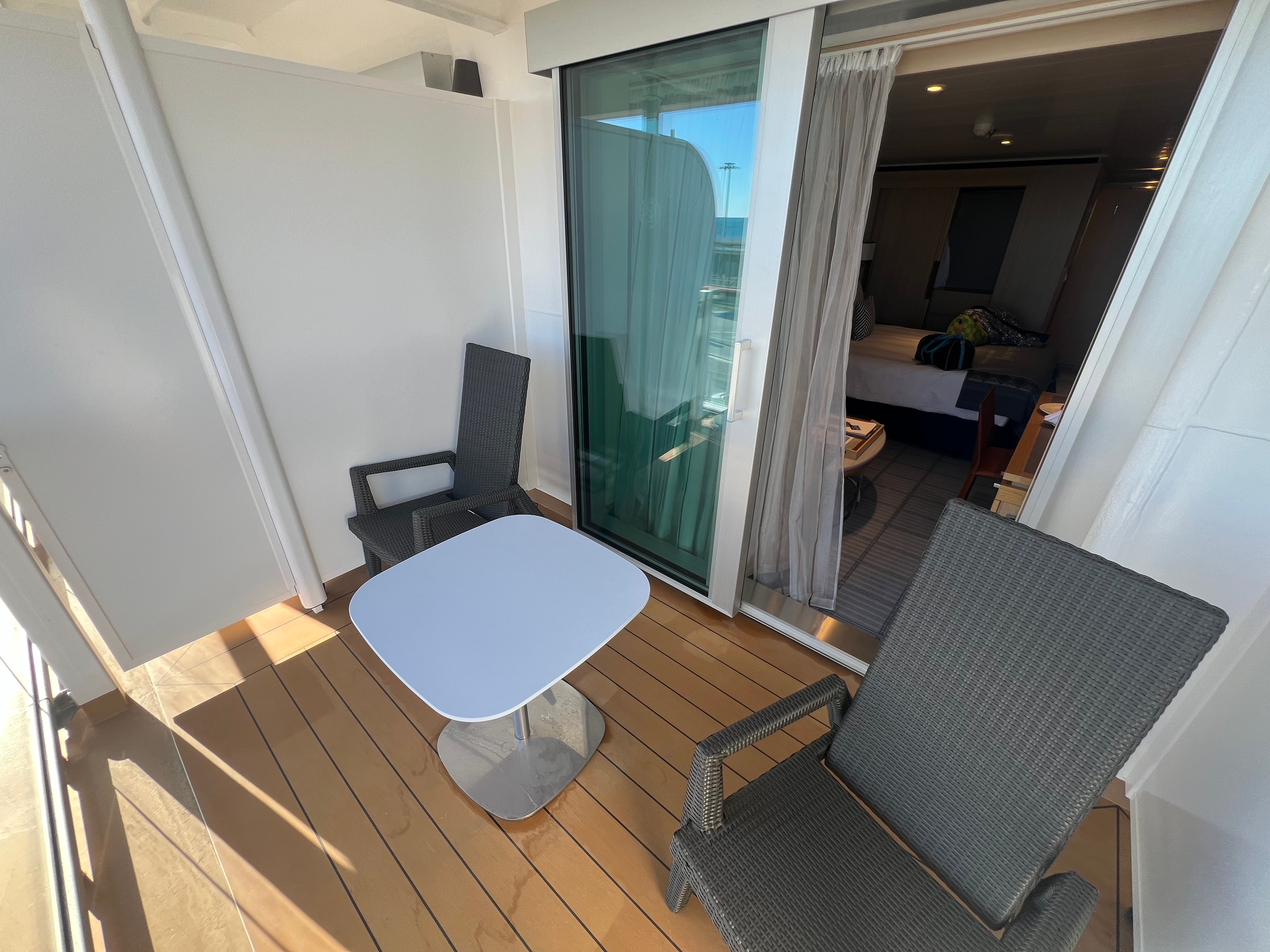
The balcony was another pleasant revelation. While not particularly wide, it’s deeper than average, which makes a world of difference. Two chairs and a small table fit comfortably, and the depth gives a surprisingly good sense of privacy. It’s one of those balconies that invites you to sit down with a coffee and briefly believe you are starring in a Nordic design catalogue.
Then there’s the cabin itself. And this is where the Viking realism kicks in.
The space is… intimate. There’s just enough room to walk around the bed, provided you don’t breathe in too deeply or make any sudden life decisions. The seating area is best described as cosy, assuming you and your partner have an excellent relationship and no unresolved issues. Funny enough, the cabin came with slippers — which I never used, because there simply wasn’t enough room to glide around gracefully like a Scandinavian spa guest.
Storage is adequate but optimistic. Yes, there’s space under the bed for luggage — plenty of it. But if you’re someone who enjoys cruise fashion beyond “two outfits and a dream,” be prepared to keep part of your wardrobe in suitcases under the bed. The closet and drawers appear to have been designed with passengers in mind who prefer the comfort of flying economy with hand luggage only. Minimalism, Viking-style.
My cabin, 3079, was located towards the back of the ship, close to the elevator and launderette. It was quiet, practical, and perfectly fine for a seven-day cruise. That said, I cannot imagine crossing the Atlantic or embarking on a world voyage in this very “thoughtfully compact” space without starting philosophical debates with myself.
Adding to the spatial challenge was Viking’s enthusiasm for branding. Maps, boxes, brochures, booklets, and a rather overwhelming presence of Hagen’s dynasty filled every available surface. After embarkation, I spent a solid hour relocating Viking’s decorative enthusiasm into a suitcase and sliding it under the bed, just to create space for my own belongings. I admire the effort to educate, but I came on holiday — not to open a Viking museum branch in my cabin.

Now, let’s talk about upgrades, because this is where Viking’s logic becomes… adventurous.
Most cruise lines offer pre-cruise upgrade schemes: bidding systems, discounted upsells, or last-minute deals. Sometimes you win, sometimes you don’t — but at least the option exists. Viking, however, prefers a more philosophical approach. The only way to request and pay for an upgrade is on board, after embarkation.
On my Iberian Explorer sailing, occupancy hovered around 75%. Plenty of empty cabins. I politely asked Guest Services about upgrading. The prices quoted were, frankly, heroic — higher than the original website prices. Unsurprisingly, I declined. Even more amusingly, several fellow passengers shared identical stories: asked, laughed internally, declined politely.
It appears Viking believes that empty cabins generate more value than reasonably priced upgrades. A bold strategy. Educational, even.
In conclusion, the V1 Veranda Suite meets expectations — with notable highs (bathroom, balcony) and clear limitations (space, storage). It’s perfectly fine for a short cruise and a good introduction to Viking’s product. Just don’t expect miracles, and don’t expect an upgrade bargain.
After all, this is Viking: refined, different… and occasionally determined to Viking its own revenue
Click here to see Veranda cabin (V1) 3079: https://youtu.be/amZUSw-4yPA?si=T91i34SLj4df–e1
EMBARKATION & DISEMBARKATION – ABOVE EXPECTATIONS
Embarkation and disembarkation are the two most emotionally charged moments of any cruise. They are, respectively, the honeymoon phase and the goodbye hug of the hospitality industry. Get them right and passengers forgive almost everything. Get them wrong and even the finest champagne tastes bitter. After more than 100 cruises, I’ve experienced both extremes — from military-grade efficiency to scenes that could qualify for disaster-training documentaries.
Viking, I must say, gets this part almost perfectly right.
The experience started immediately after landing in Barcelona. Before I could even question where I was or which way Spain was, a small army of Viking representatives appeared — airside and landside — dressed in uniform and armed with clipboards, smiles, and an impressive sense of purpose. They guided passengers from the aircraft to baggage reclaim, where luggage was efficiently marked, collected, and sent on a separate logistical adventure directly to the transfer buses.
Passengers, meanwhile, were calmly escorted landside, where another host checked names and booking numbers before guiding everyone to the buses — where, miraculously, the luggage was already waiting in the trunk. No chaos, no shouting, no desperate spinning of suitcases looking for “the one with the red ribbon.”
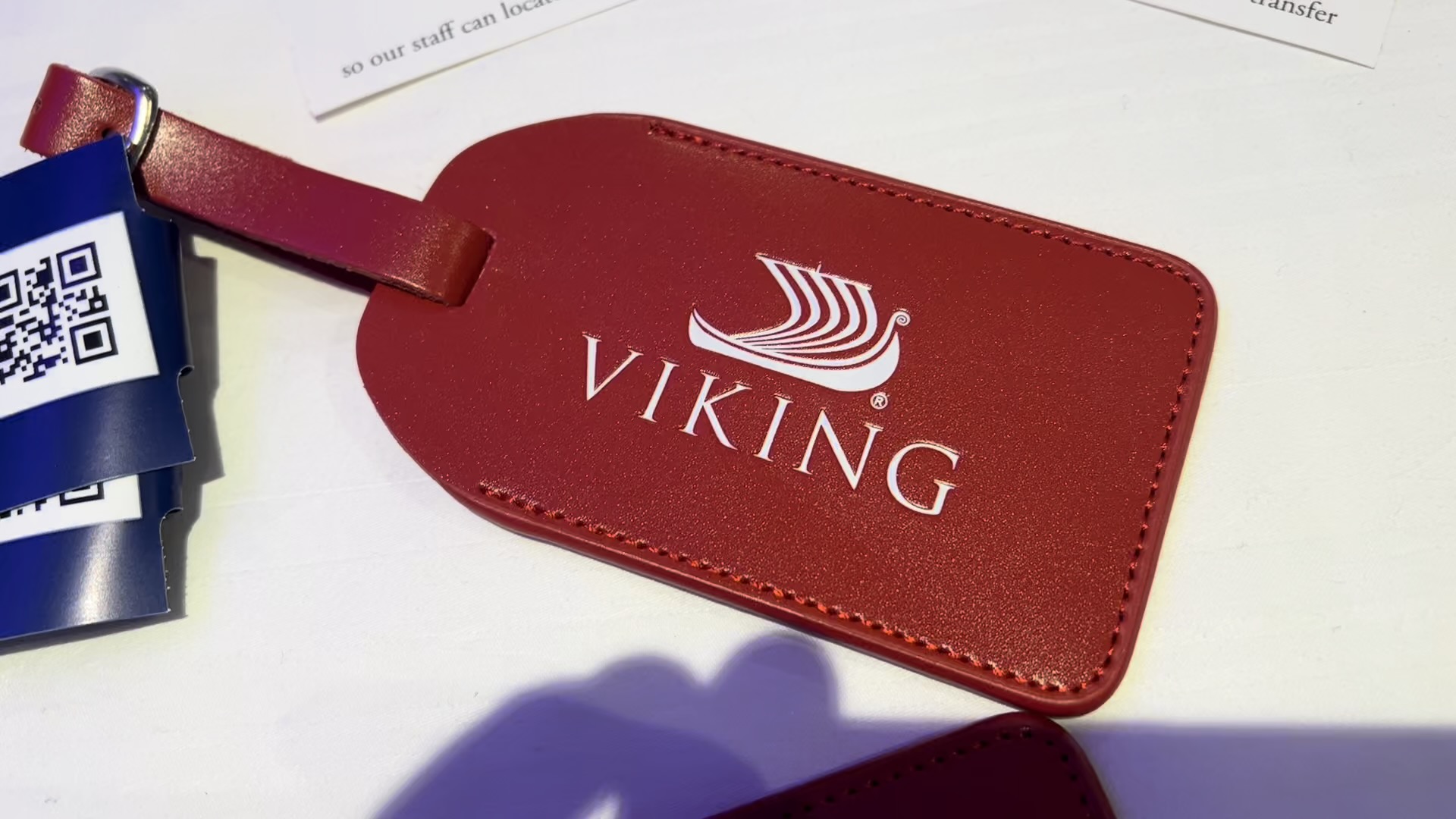
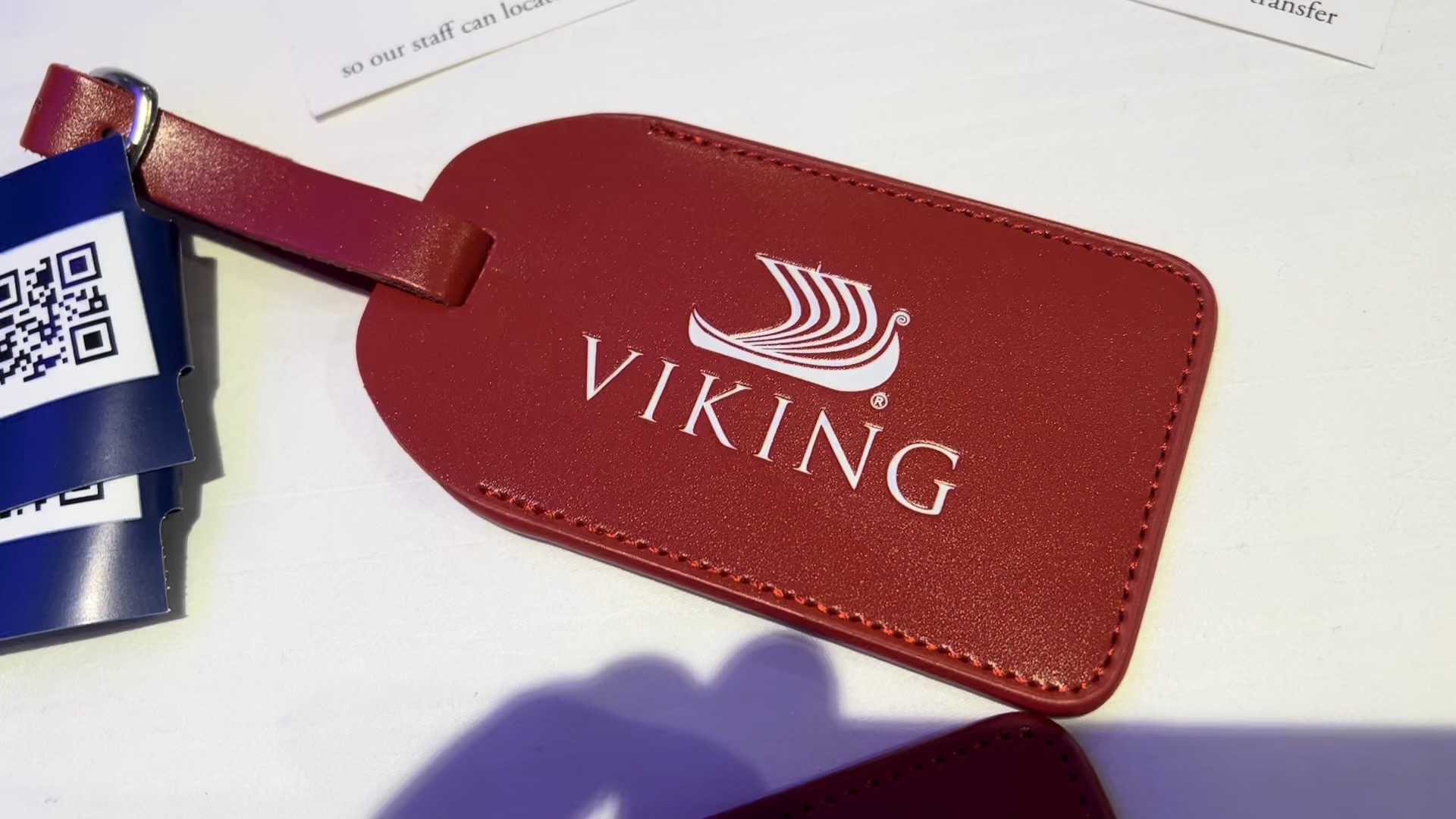
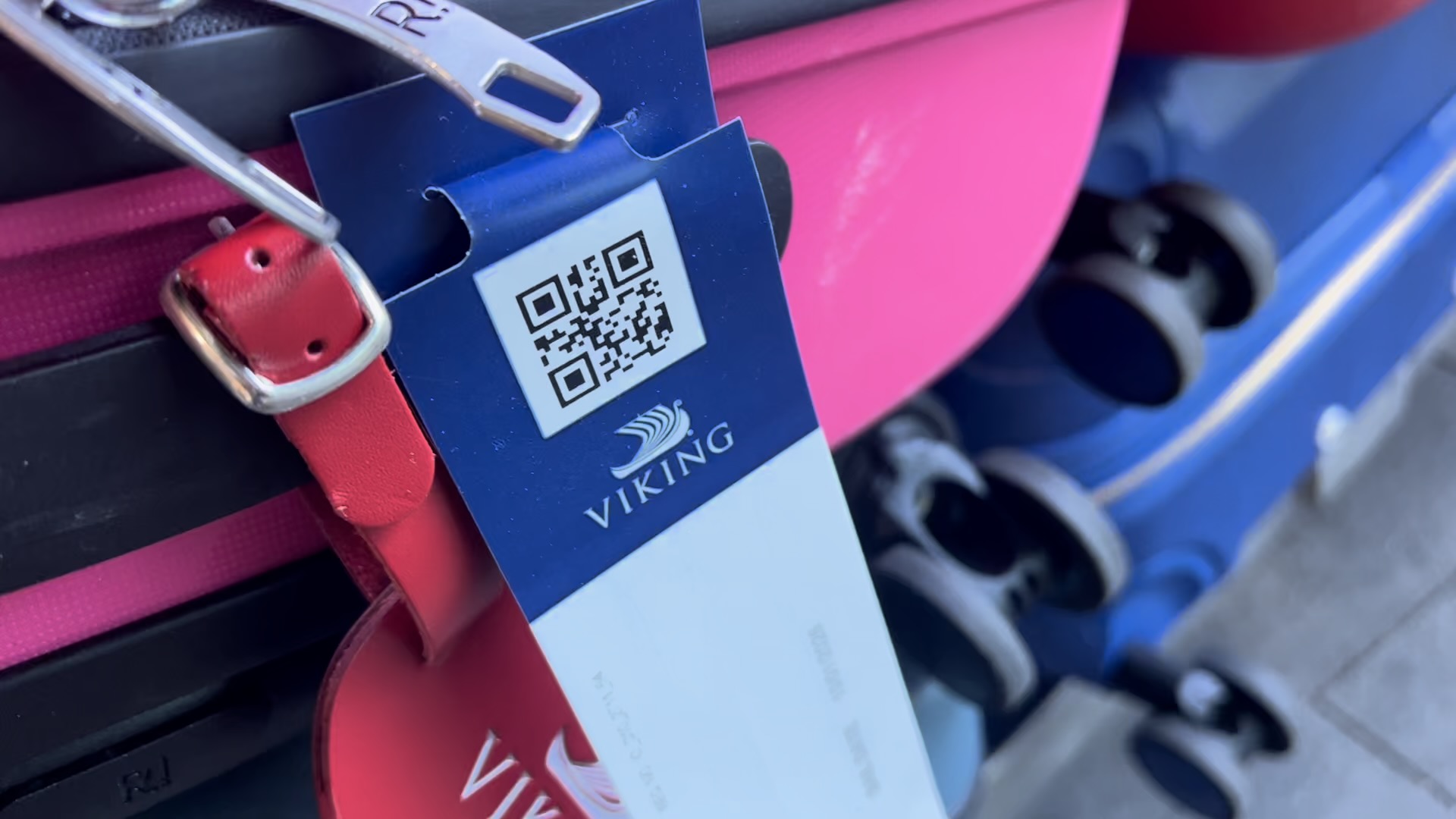
And best of all: no ridiculous Viking luggage stickers. You know the ones — lovingly worn by some passengers on the same jumper for the entire cruise, as if it were a badge of honour. Was it love? Loyalty? Or simply the comfort of “hand-luggage-only” living? The mystery remains.
If I had one small suggestion, it would be to allow passengers to visually identify their luggage before boarding the bus — just as a precaution to avoid the occasional suitcase drama. But honestly, this is nit-picking at a very high level.
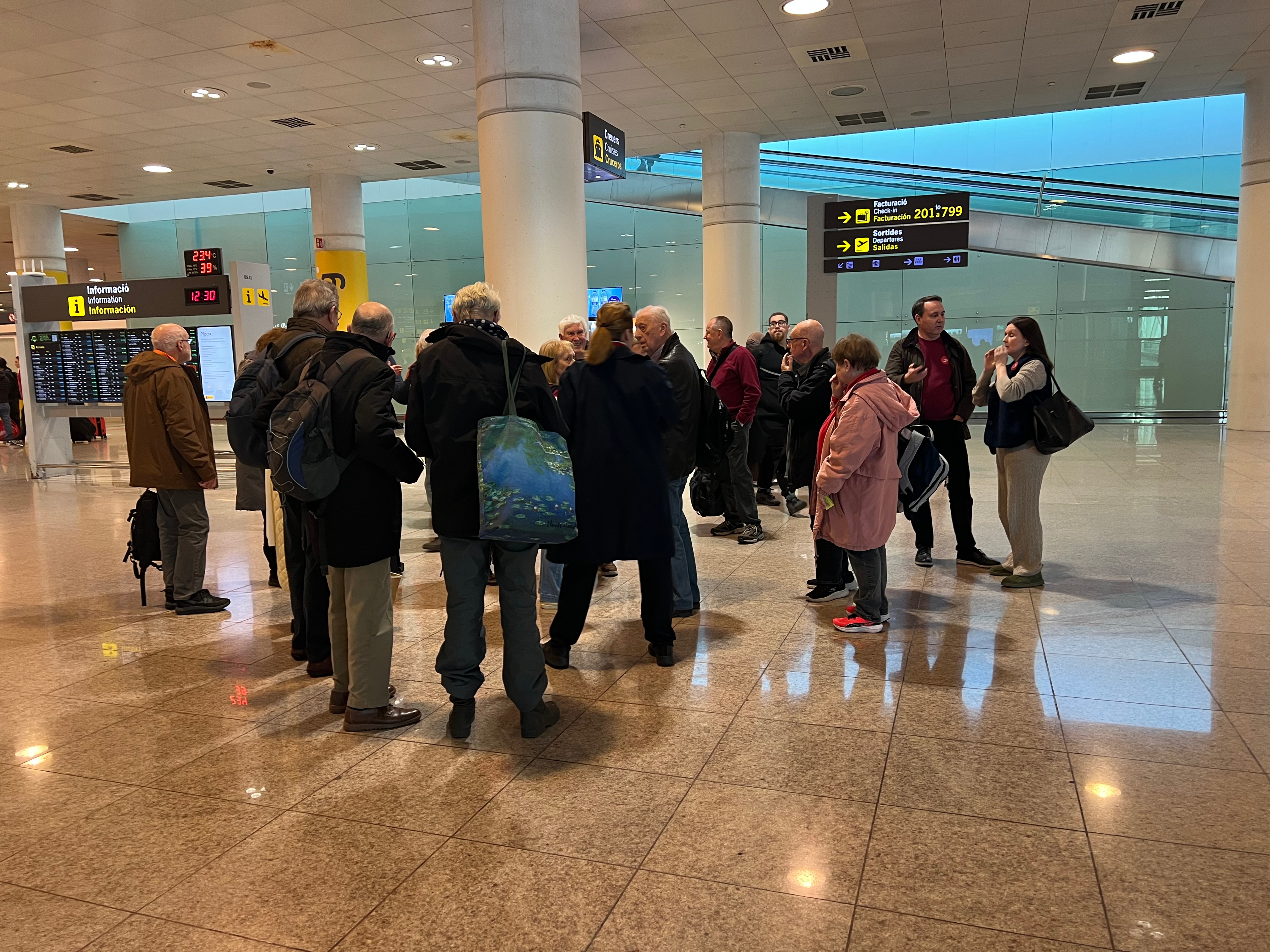
After a short drive to the terminal, the smoothness continued. Viking had timed arrivals so well that there were no long queues, no standing around clutching documents, no sense of organised panic so common with other cruise lines. From terminal entry to standing on the gangway with my first glass of champagne took less than 20 minutes. That moment alone deserves a slow clap. A genuine wow.
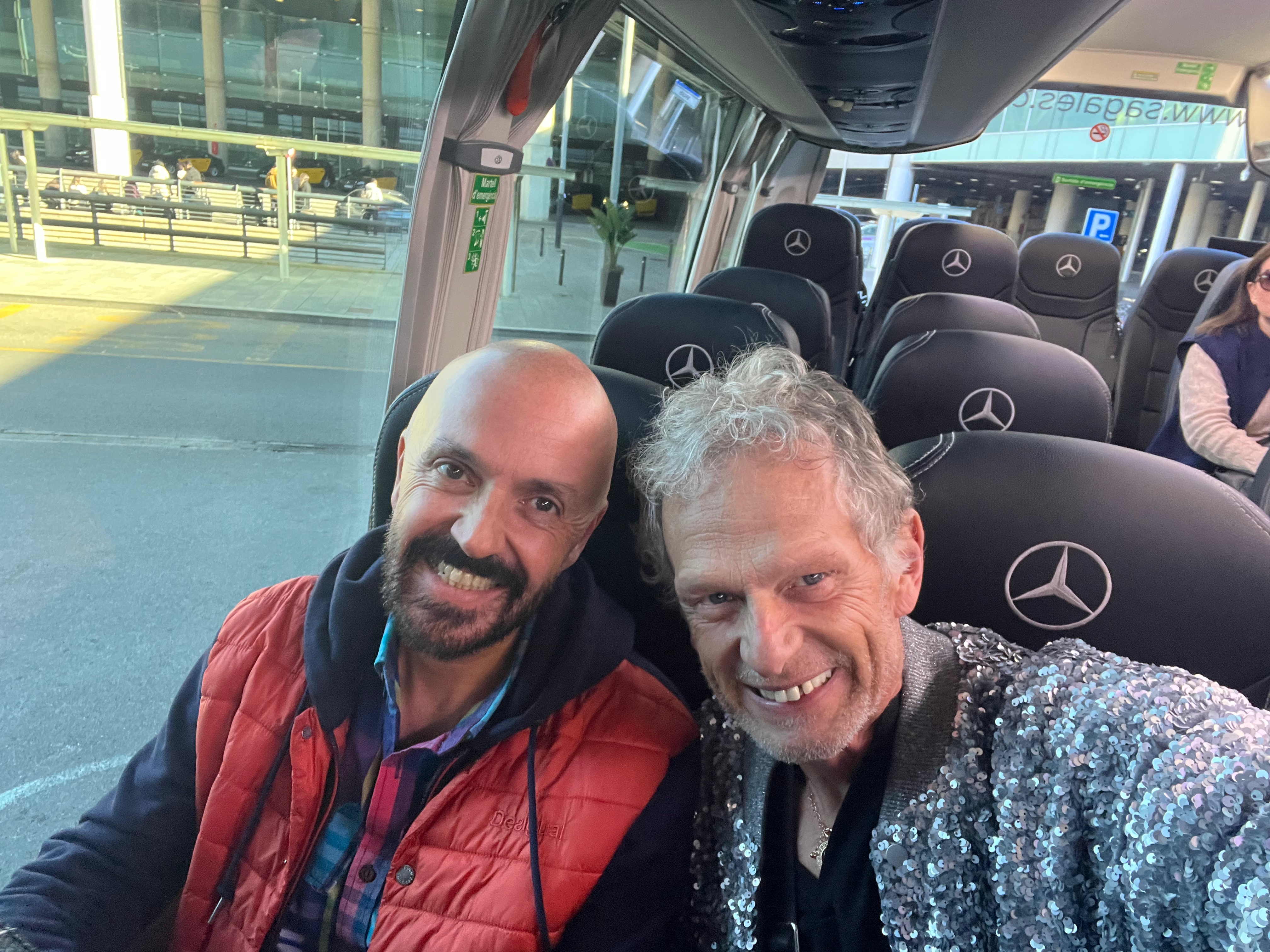
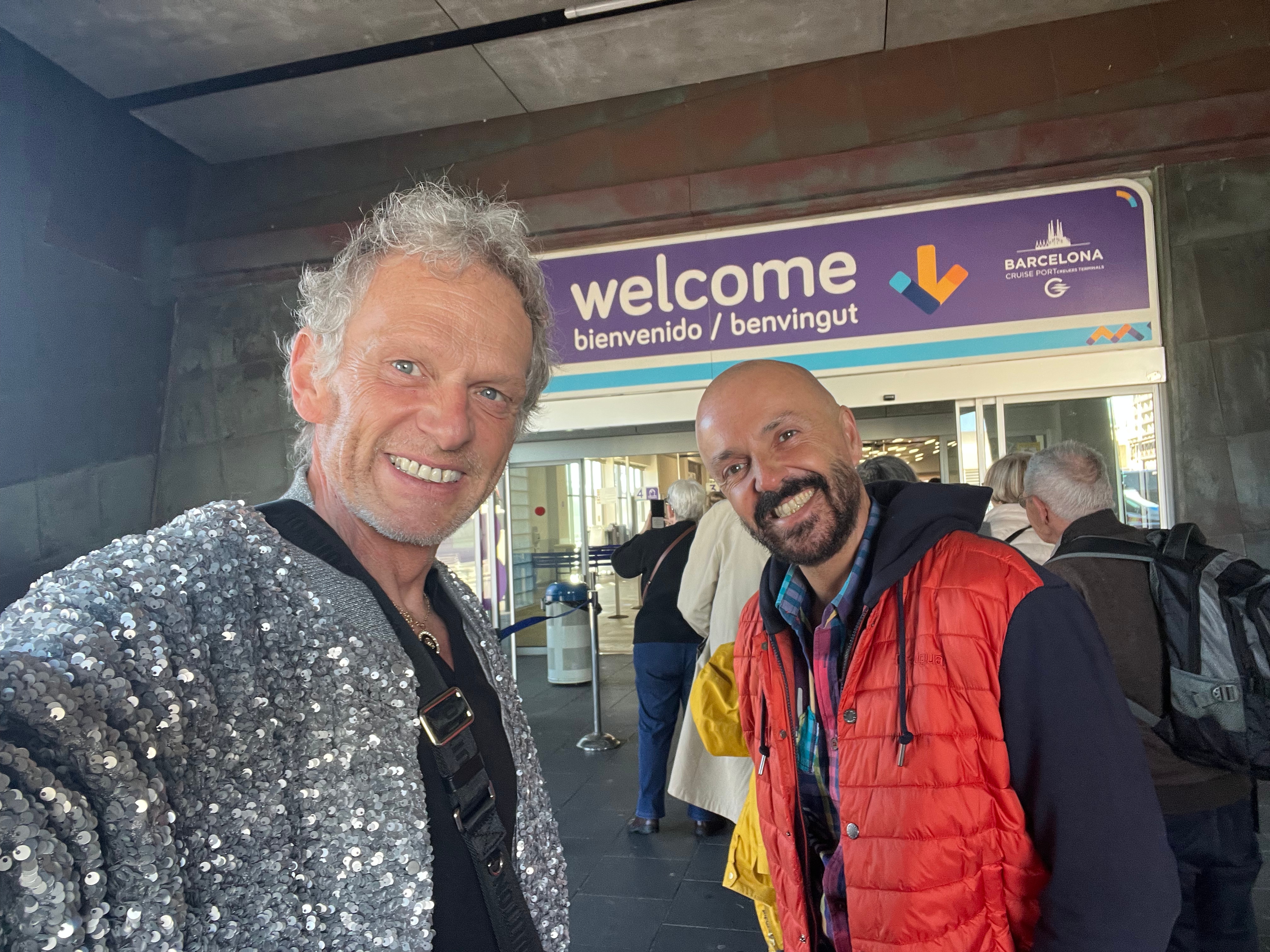
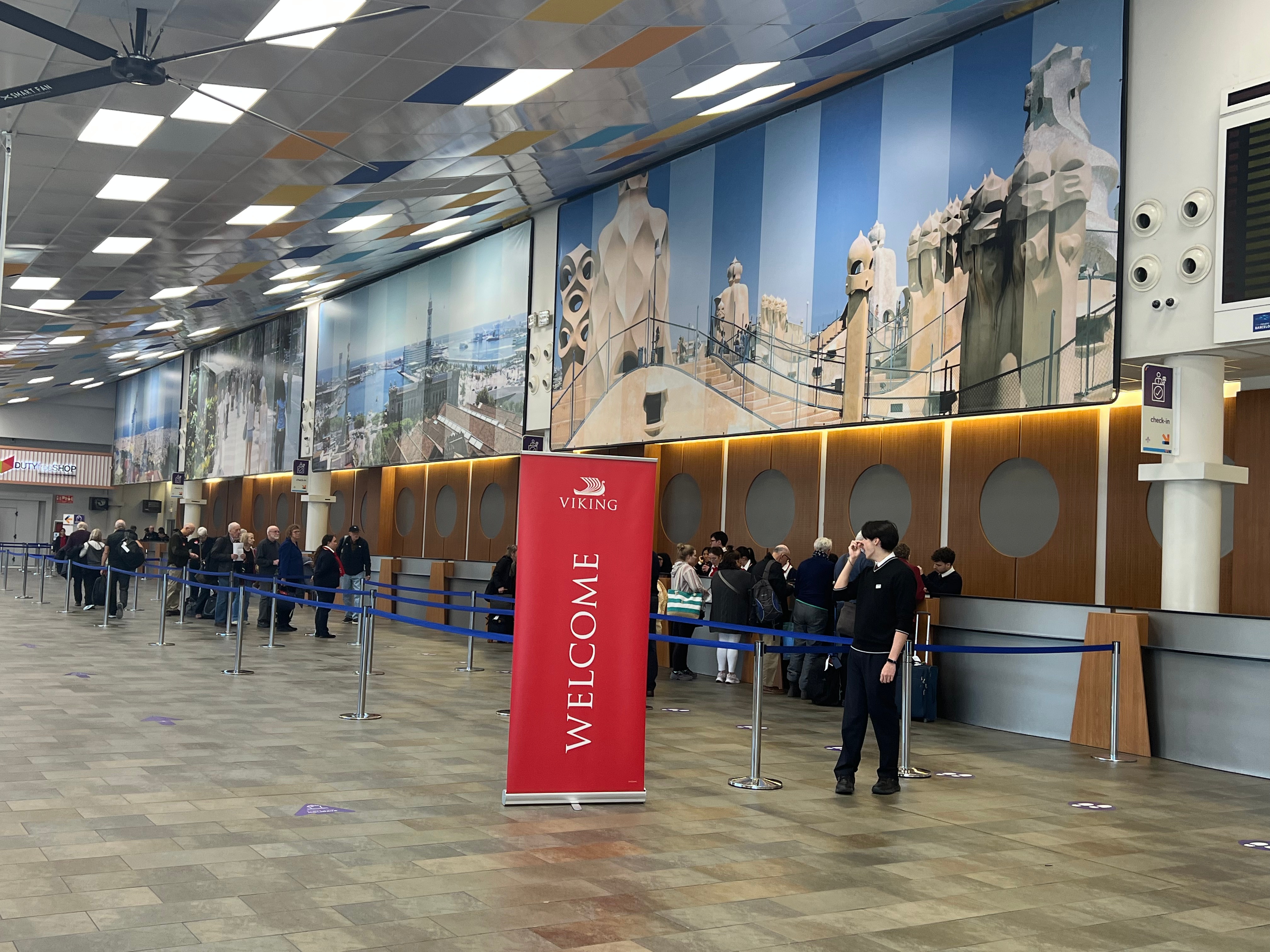
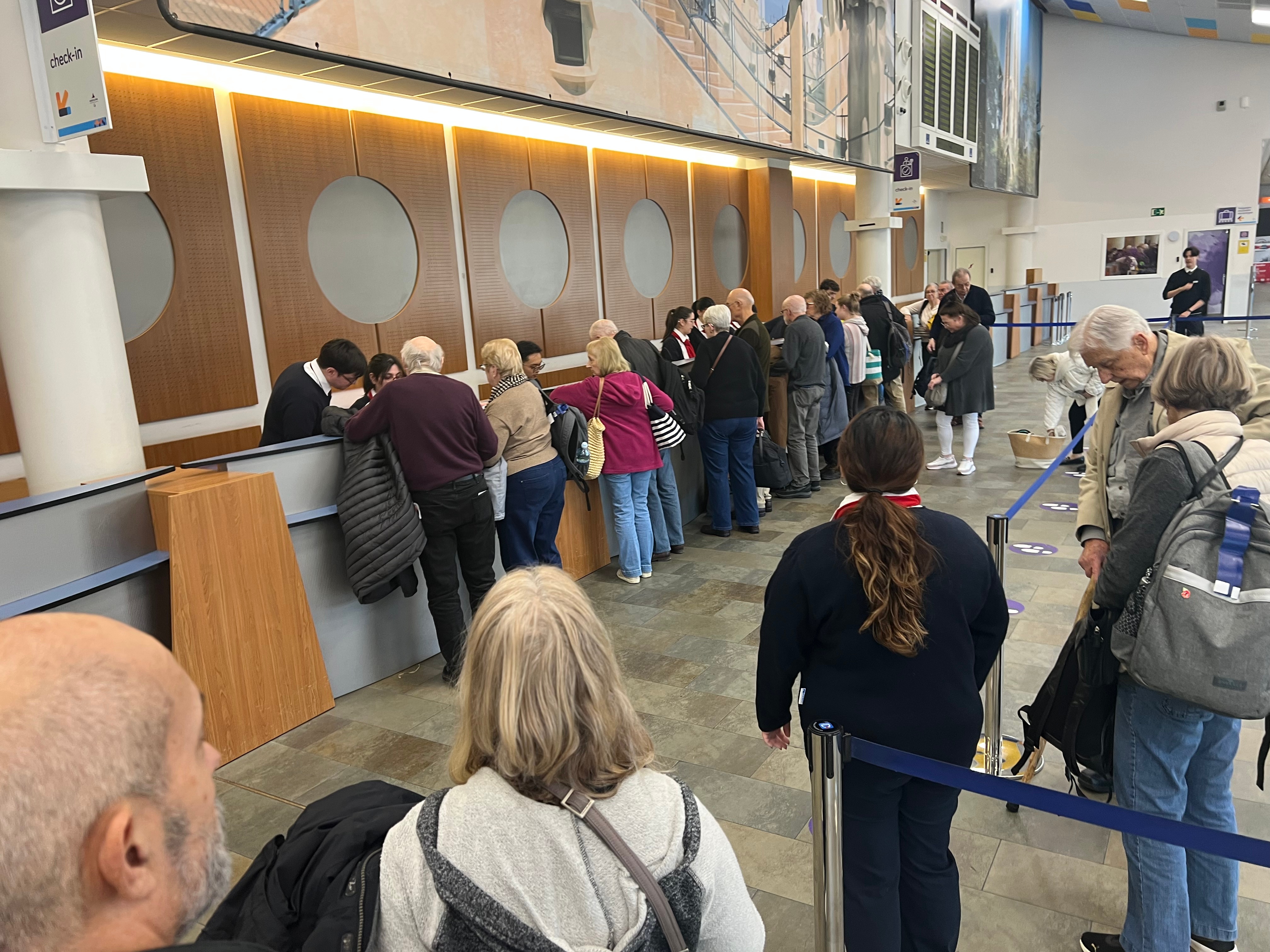
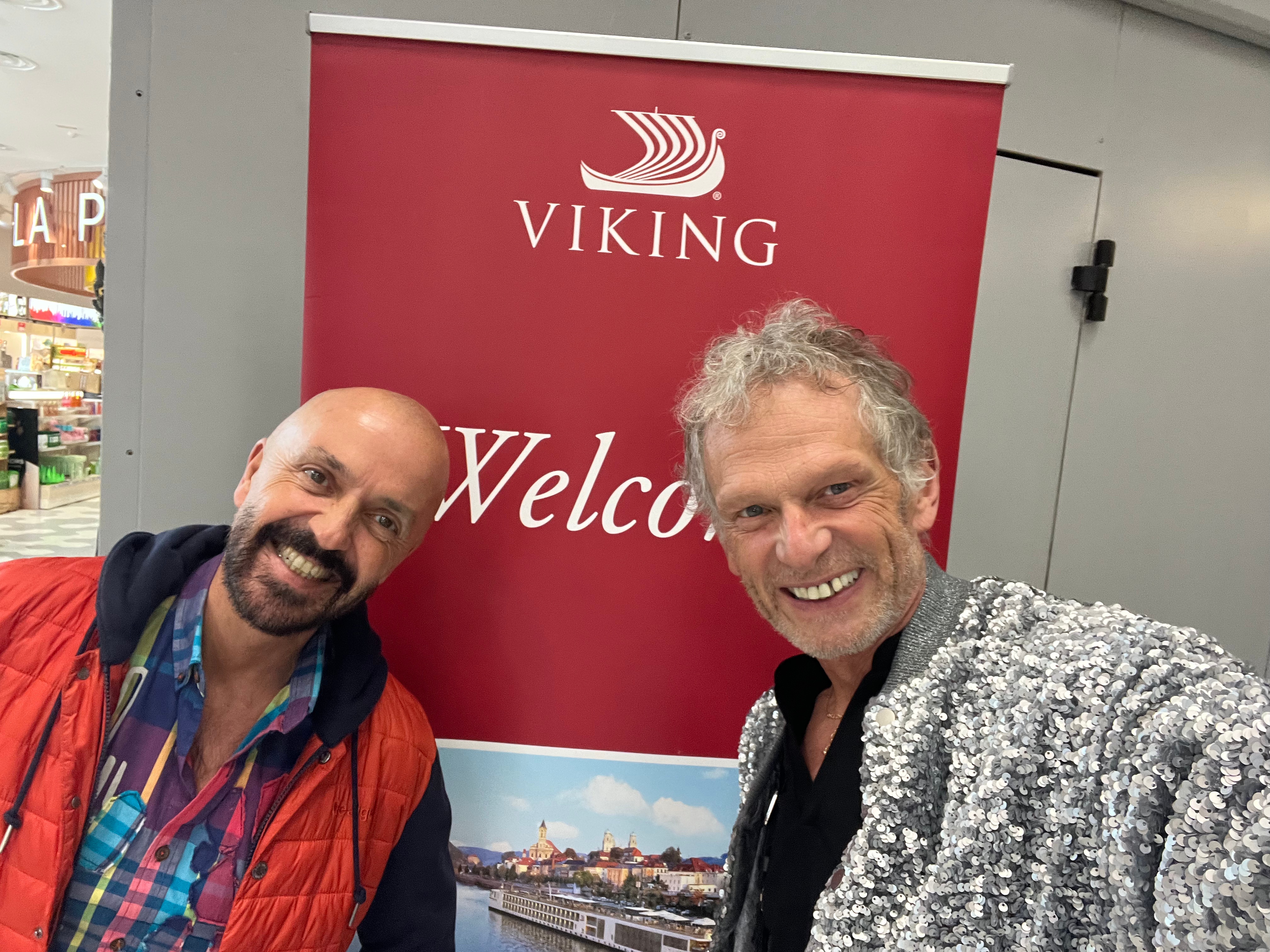
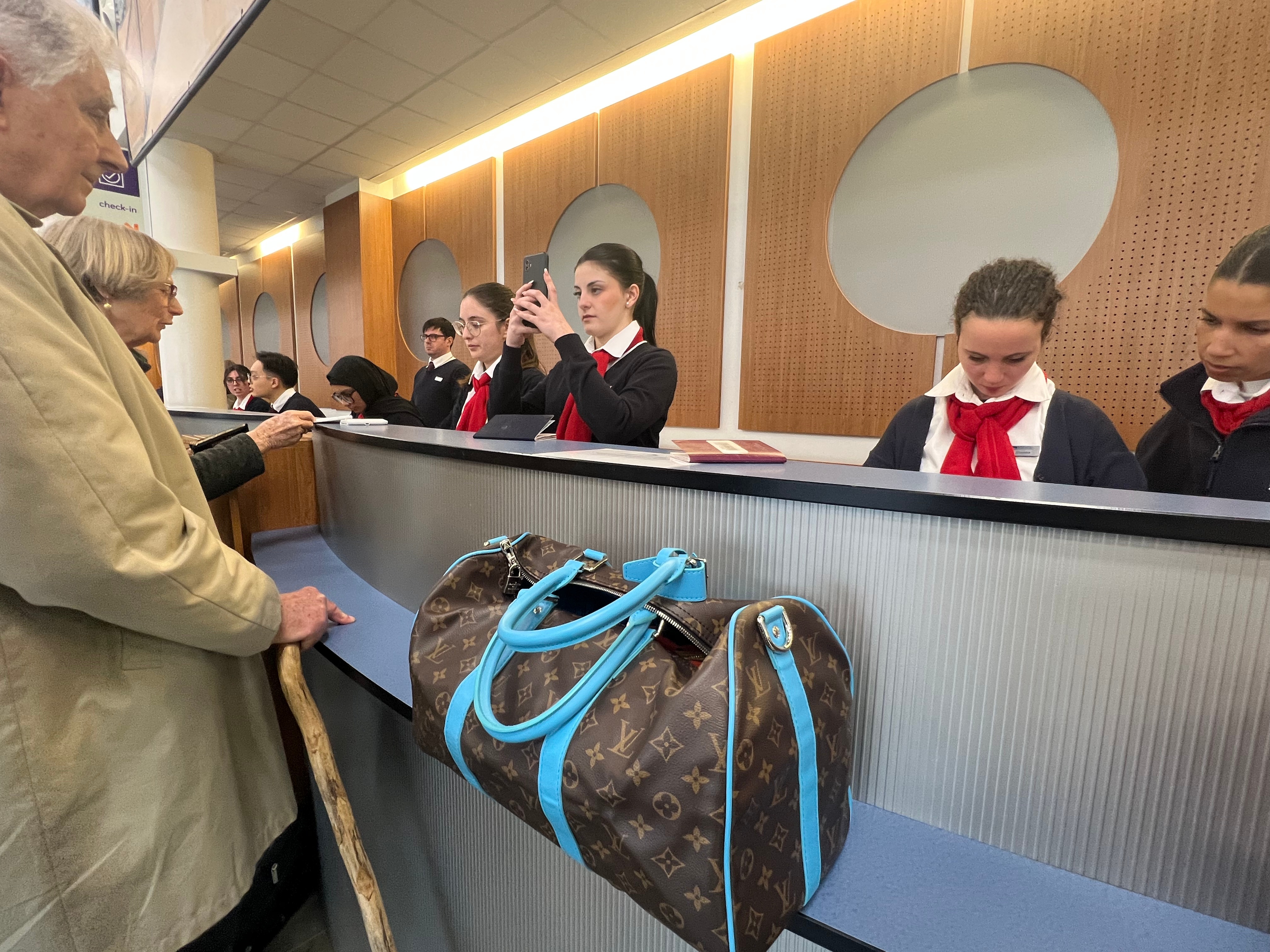
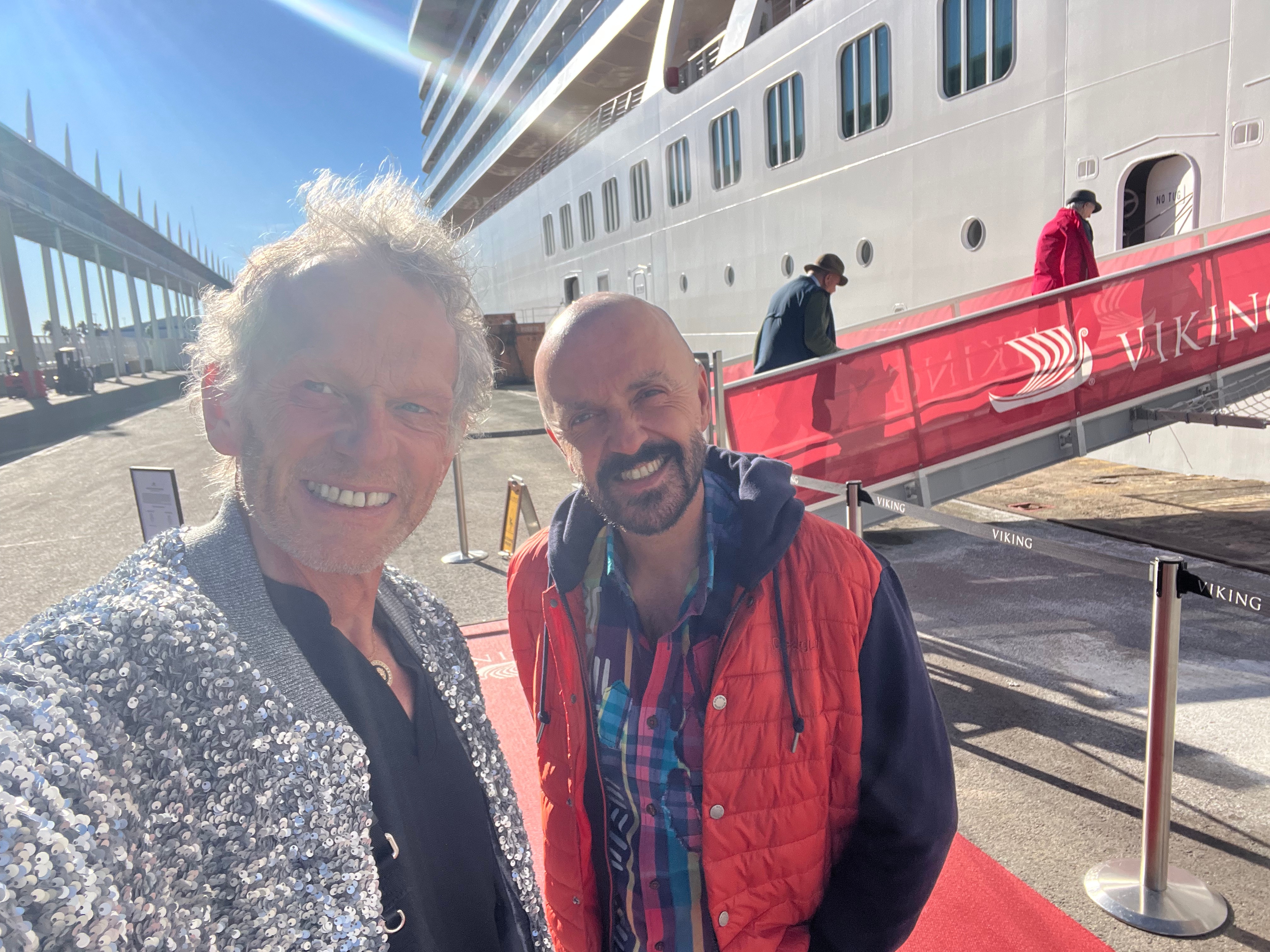
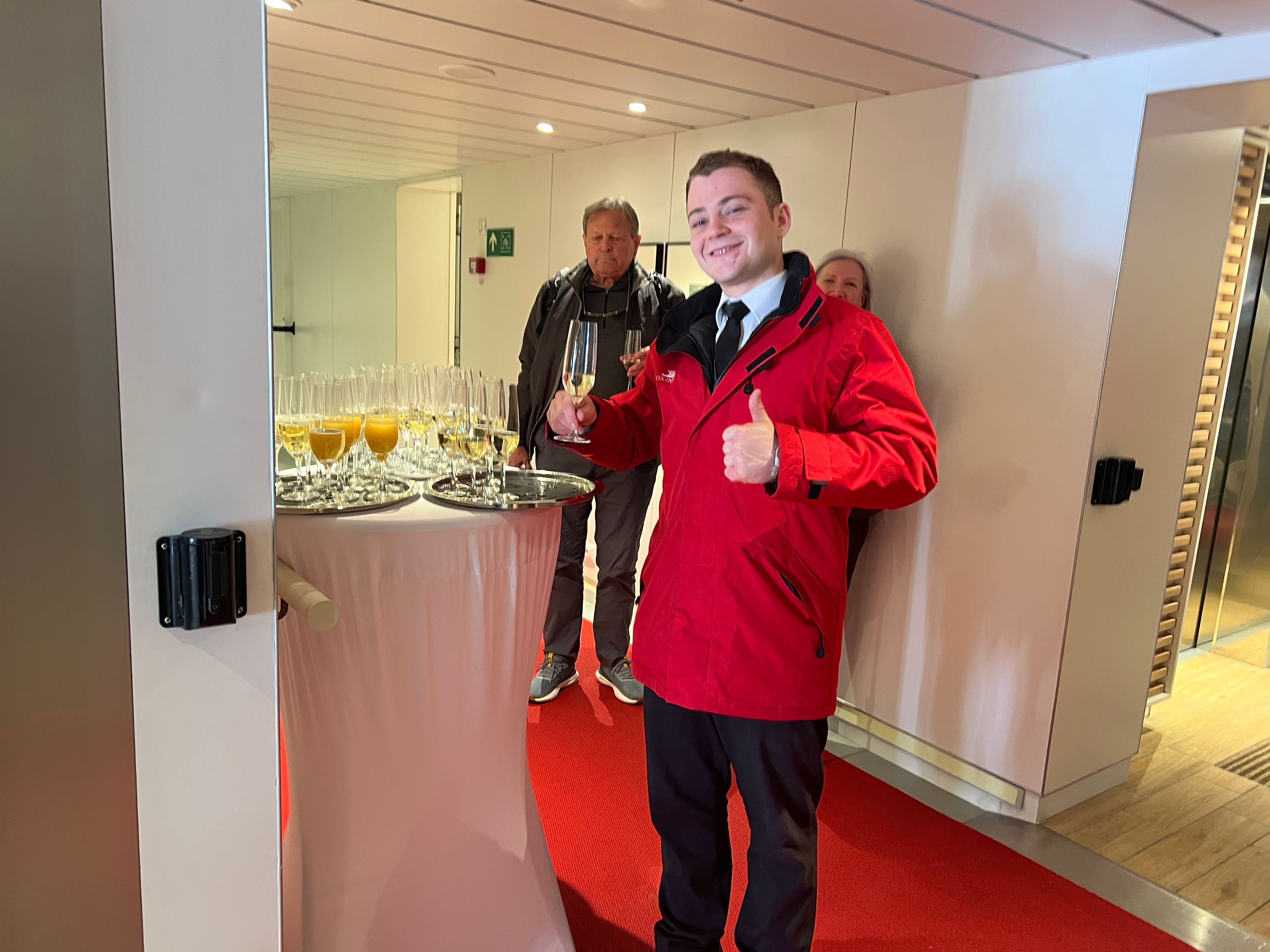
Click here to see a video of embarkation in Barcelona: https://youtu.be/zDI8PAncQyA?si=p4123RITRNLkOPyM
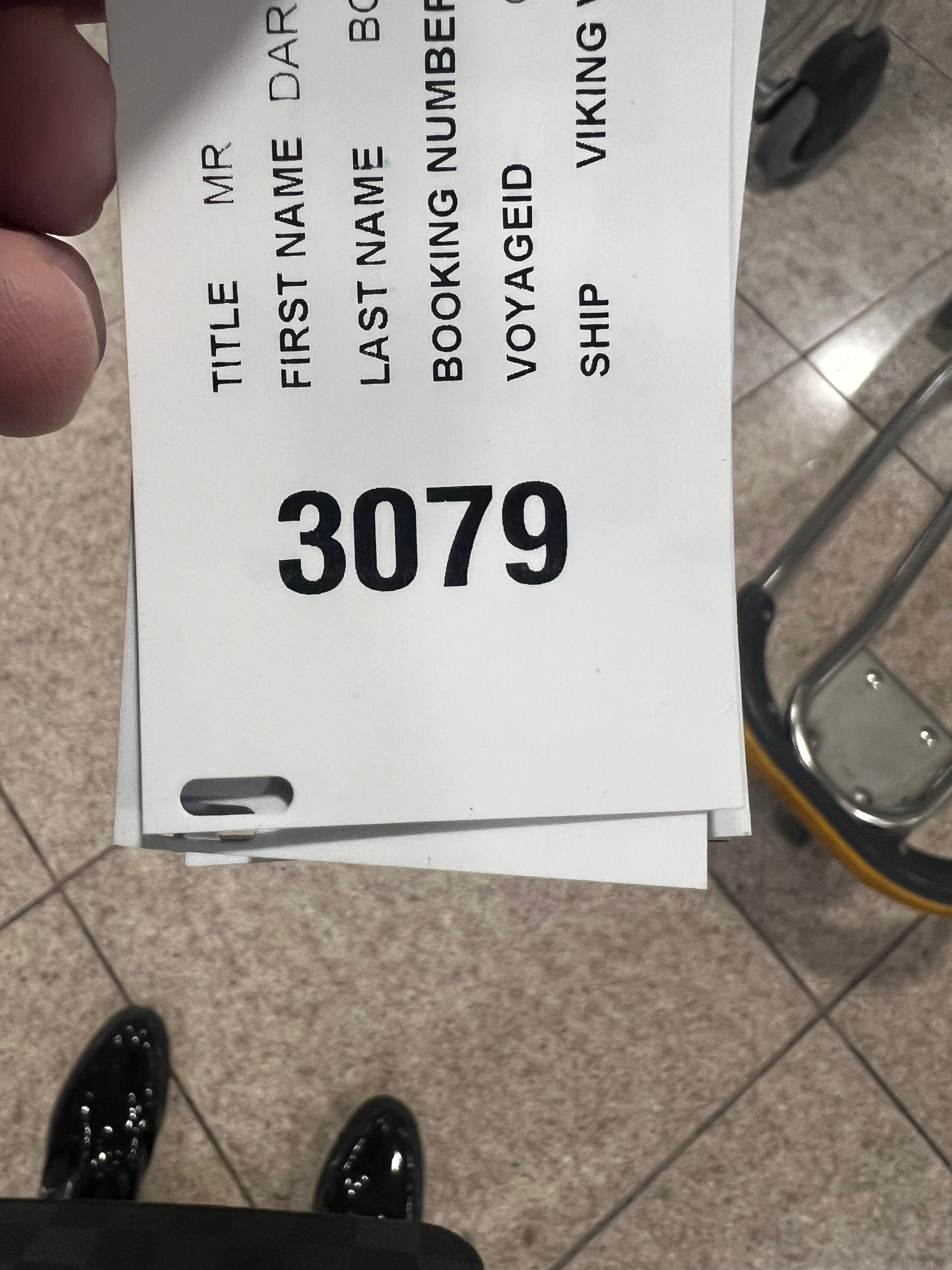
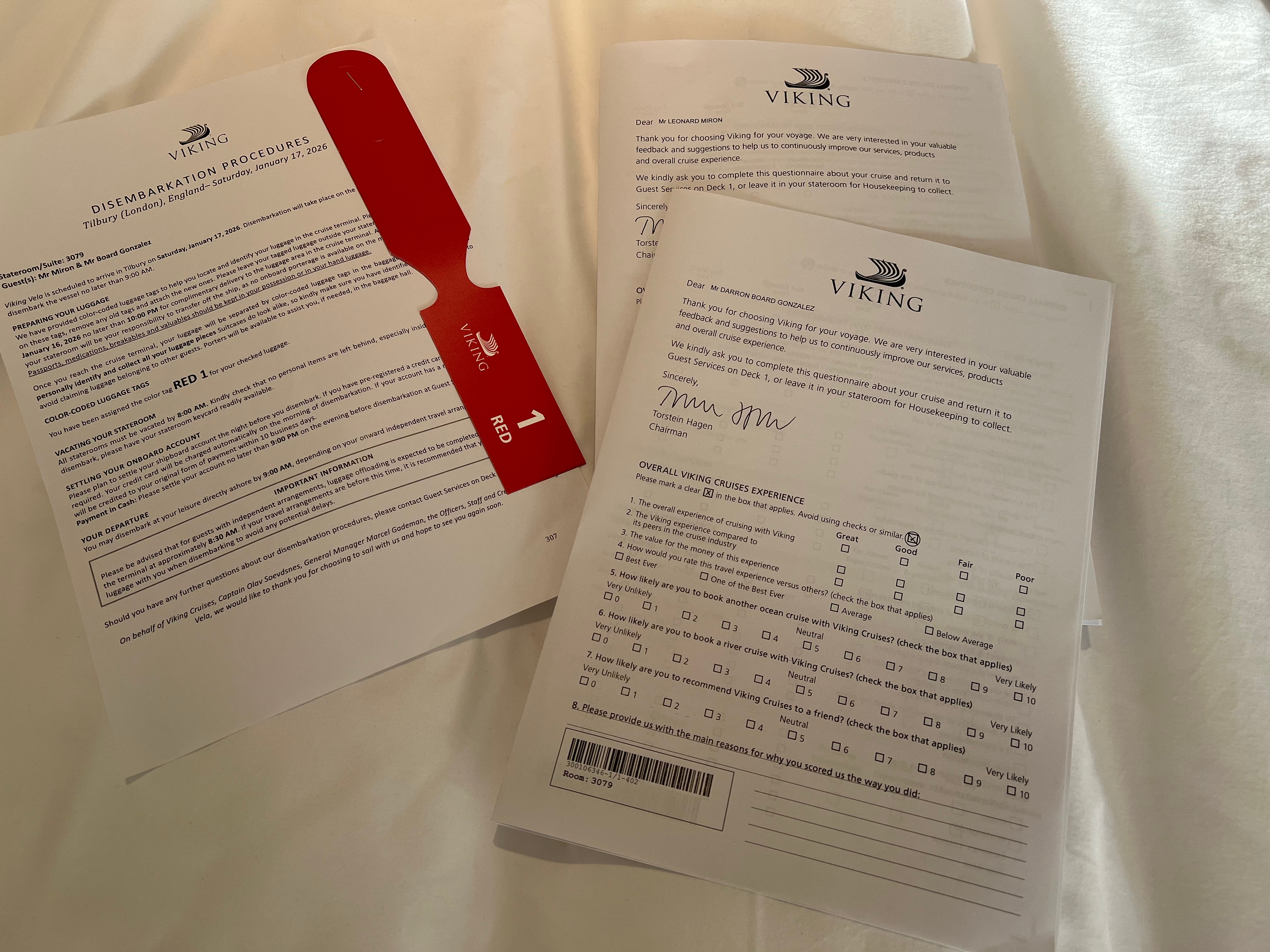
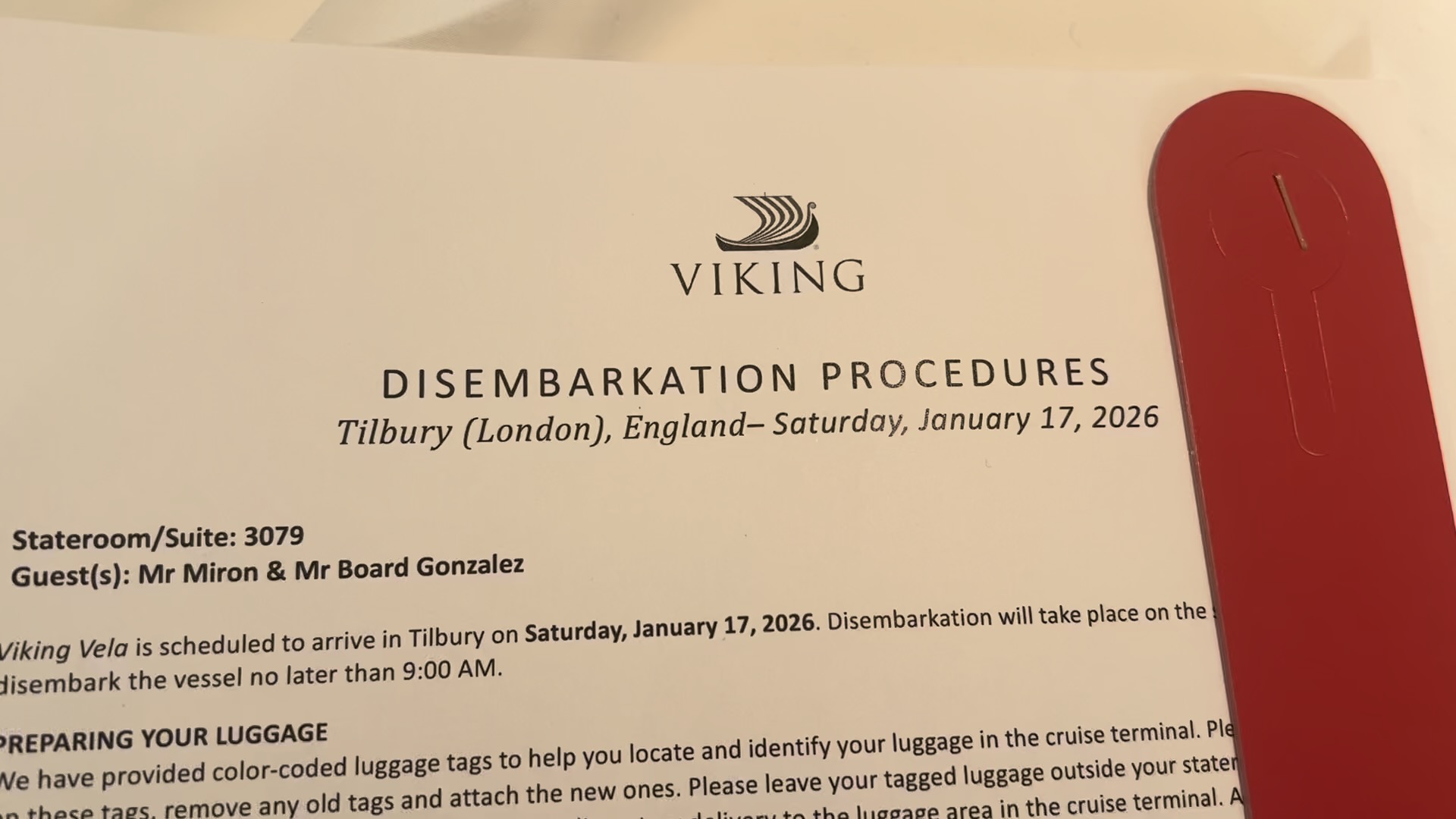
Disembarkation, often the Achilles’ heel of cruising, was equally well handled. Two days before arriving in Tilbury, all relevant information and luggage tags appeared in the cabin. Clear, simple, and well explained. Luggage had to be placed outside the cabin by 22:00 the night before — a little early in my opinion — but the cabin vacation time of 08:00 was reasonable.
What I really appreciated was the fact that room service was still available on the last morning, and breakfast in the World Café was relaxed and civilised. No cattle-herding, no tray juggling. However, the final deadline to leave the ship at 09:00 felt slightly… enthusiastic. What if your flight is later in the day? Should passengers then spend hours in “airport comfort” sitting on their suitcase contemplating life choices?
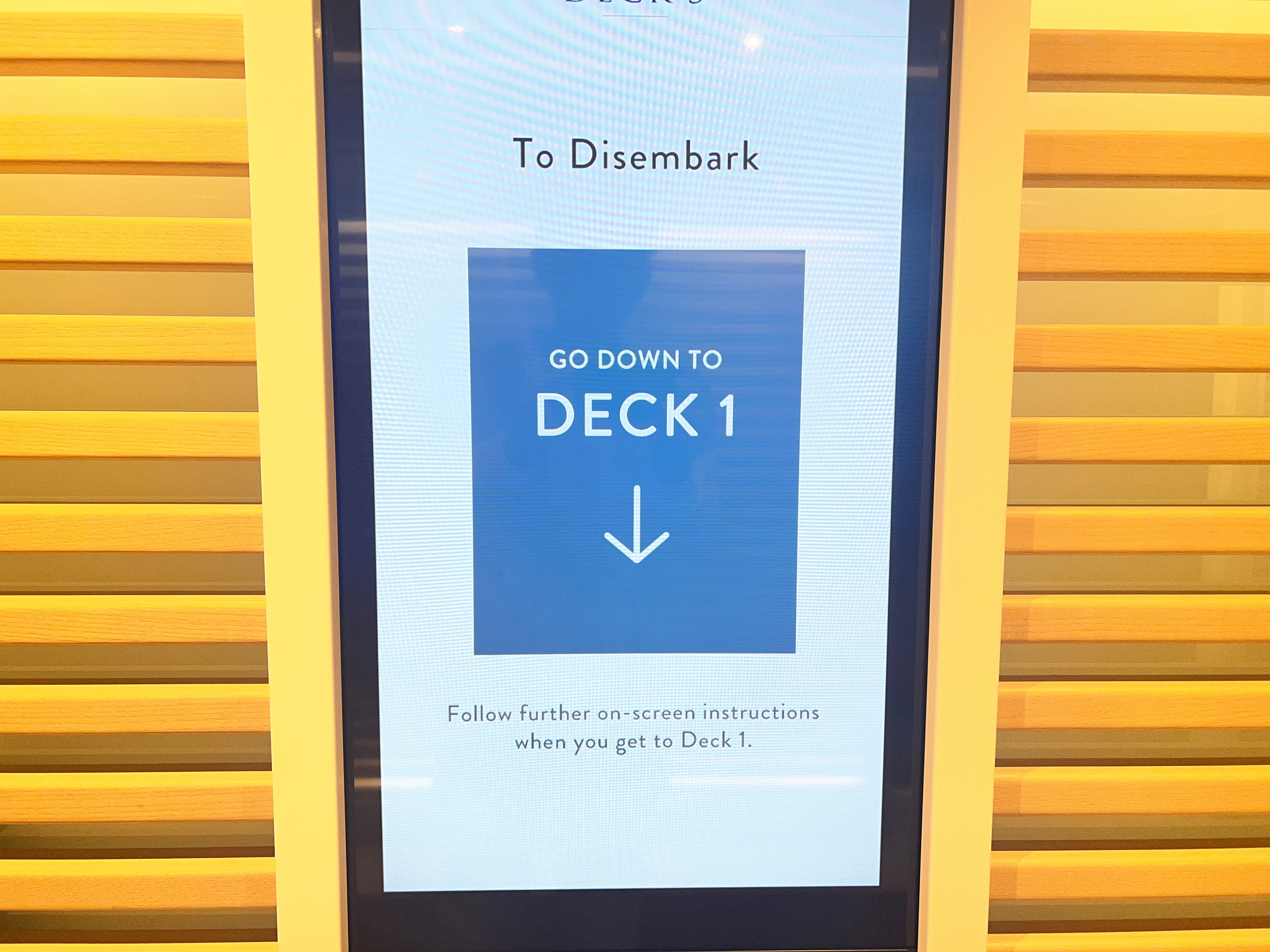
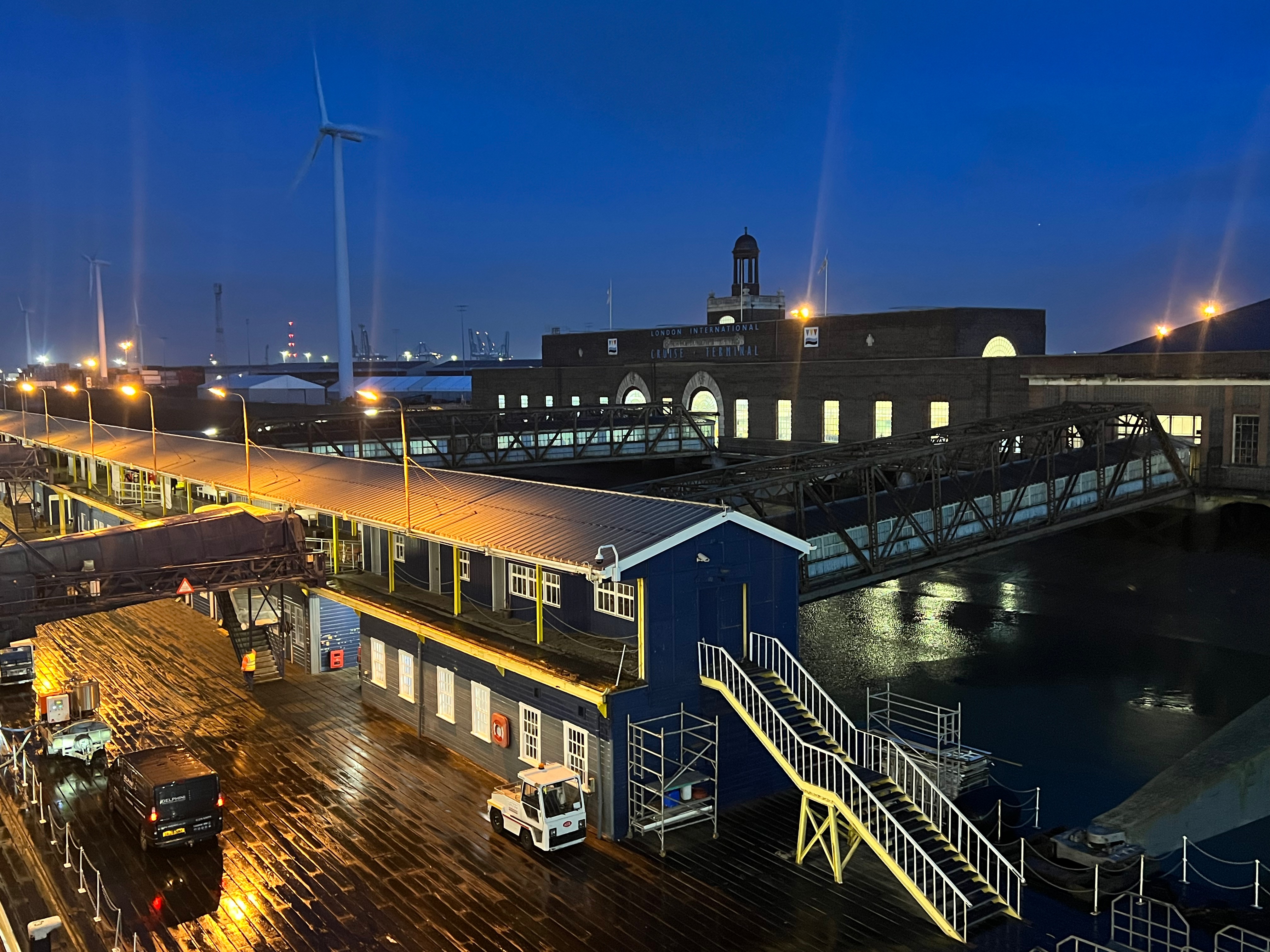
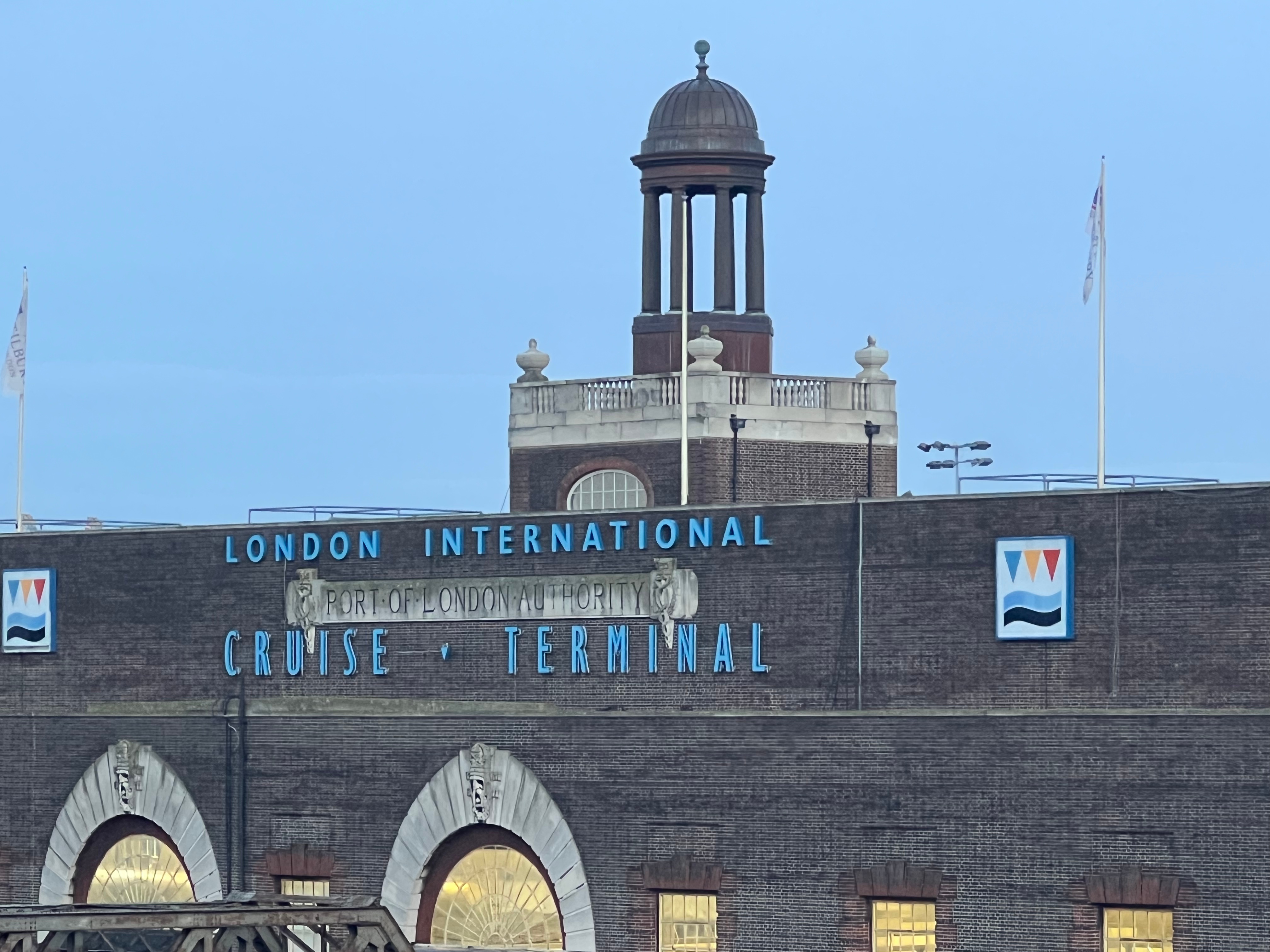
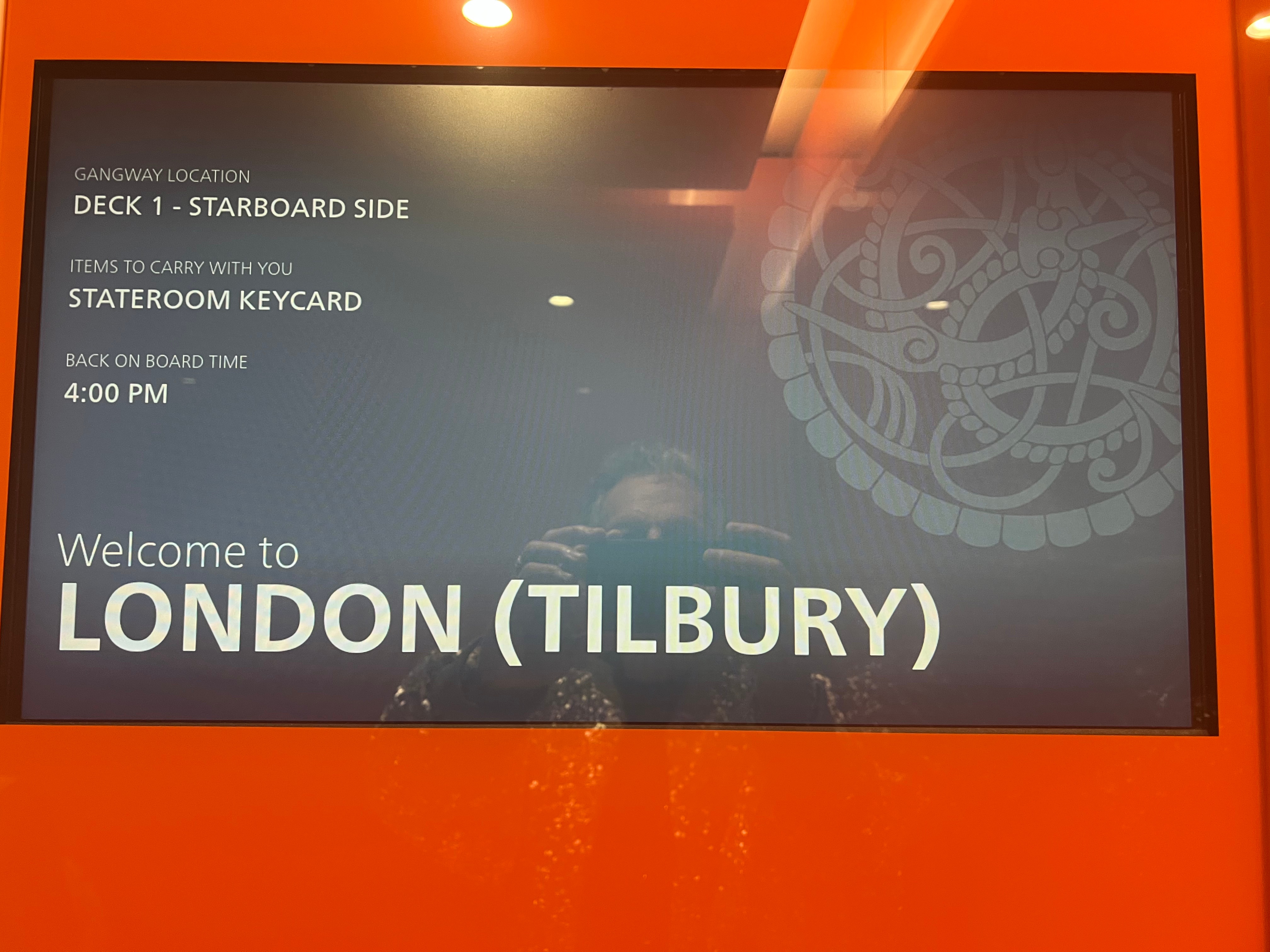
Once ashore, it was a short walk to Tilbury terminal — which I absolutely loved for its old-fashioned, slightly historical charm. Fifteen minutes later, I was on my transfer home. Efficient, elegant, stress-free. Viking clearly understands that first and last impressions matter.
Click here to see disembarkation in Tilbury: https://youtu.be/yZSj3lxFT0k?si=ua3l8gaRyZ7Skphn
But then… paperwork happened.
Among the neatly printed disembarkation documents delivered to my cabin was a letter written in a very serious tone stating that passengers without the correct immigration documents to enter the UK must disembark in Vigo. Small problem: Viking Vela had already left Vigo at 13:00. The letter arrived at 21:00. The following day was a full sea day crossing the Bay of Biscay.
So unless Viking secretly offers a teleportation service — or encourages guests to invent a reason for a dramatic CODE MIKE: Man Overboard — this instruction was, let’s say, slightly impractical.
It was hilarious, yes. But also thought-provoking. Does anyone onboard actually proofread these documents? And more importantly: does anyone read all the paperwork generously delivered to their cabin?
Click here to see the weird/funny disembarkation instructions: https://youtu.be/JKYkDSG7msQ?si=n6_rRxEfFye_pg0q
Overall, Viking delivers near-perfect logistics where it matters most. But sometimes, even the most refined operation can trip over a piece of paper sailing one port too late.
SHORE EXCURSIONS – MET EXPECTATIONS
One of Viking Ocean Cruises’ strongest selling points — proudly highlighted in brochures, emails, and poetic onboard descriptions — is the promise of included shore excursions in every port of call. On top of the paid options, guests are offered complimentary tours that allegedly deliver “cultural immersion in local life, history, and iconic landmarks, providing rich context for curious and engaged guests.”
It sounds magnificent. It also sounds like National Geographic. In reality, it often feels more like Discovery Channel: Bus Edition.
On my Iberian Express itinerary, with its heroic “blitz stops” in Cartagena, Vigo, and Portsmouth, I booked two included excursions — one in Cartagena and one in Vigo. On the surface, everything worked flawlessly. Tickets were delivered to the cabin early in the cruise. Meeting points were clearly organised on shore rather than in crowded ship venues. The excellent QV9 audio system functioned perfectly, and the guides were knowledgeable, professional, and genuinely informative.
Logistically, Viking deserves applause. Conceptually… that’s where things begin to wobble.
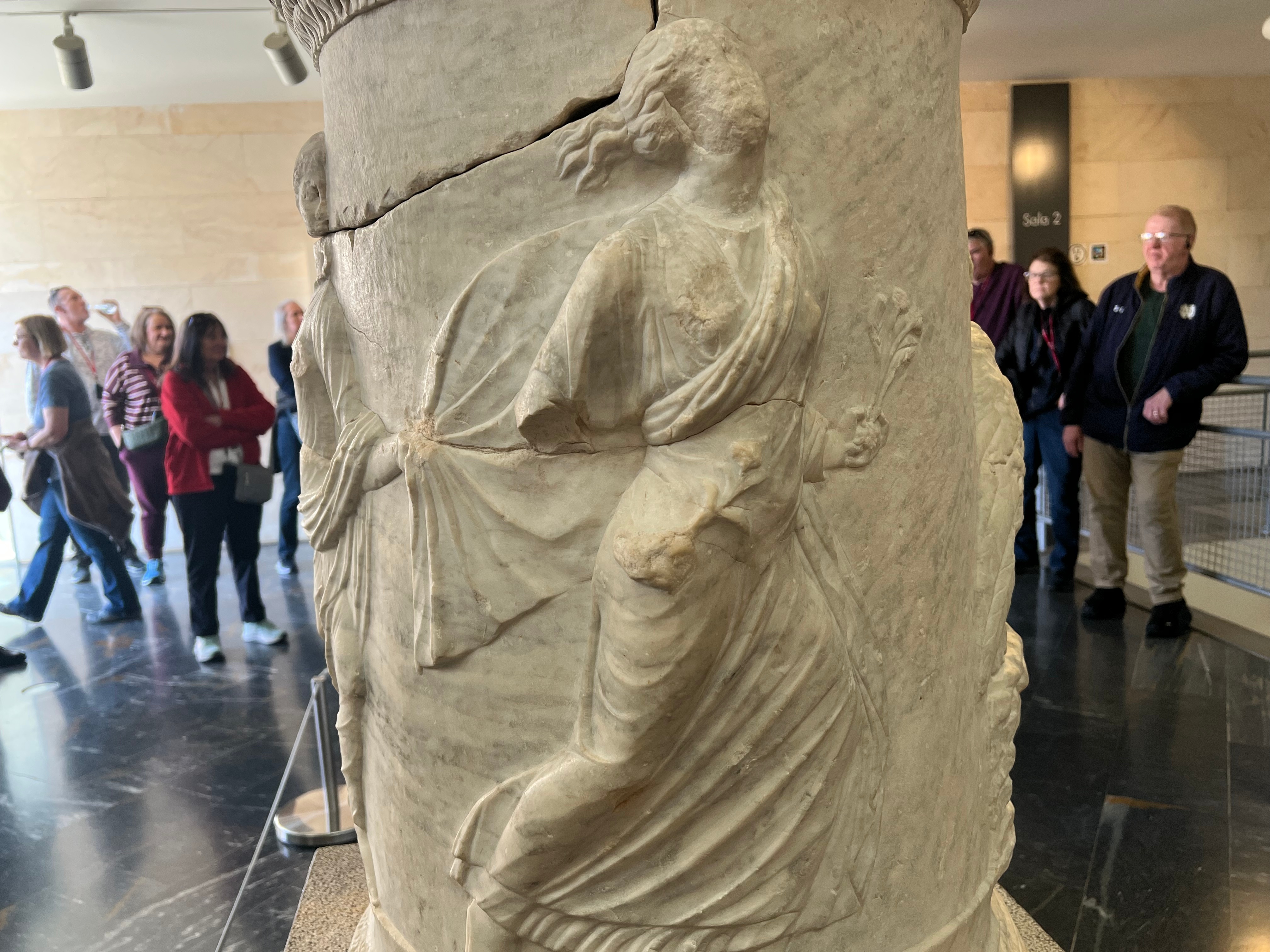
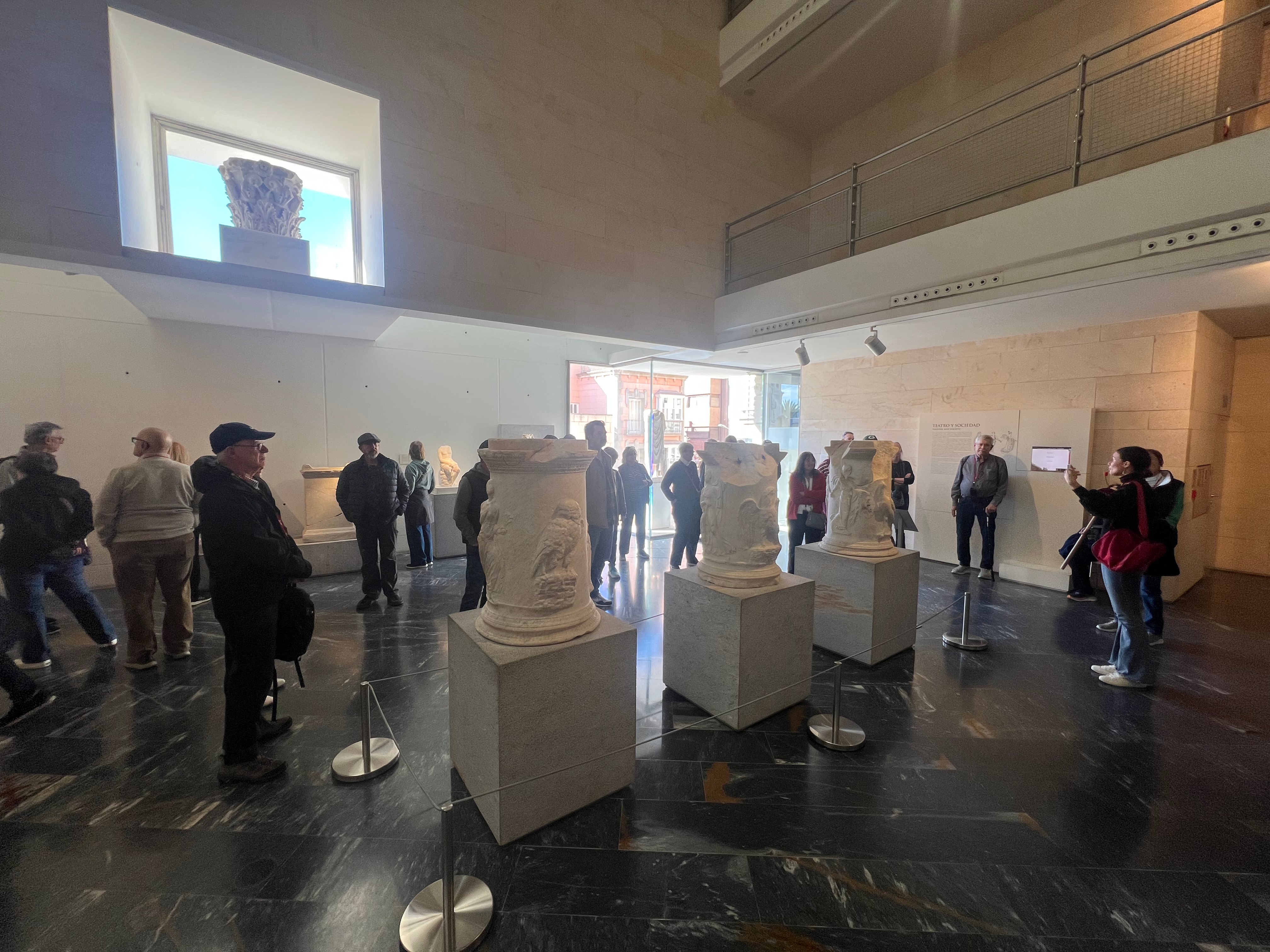
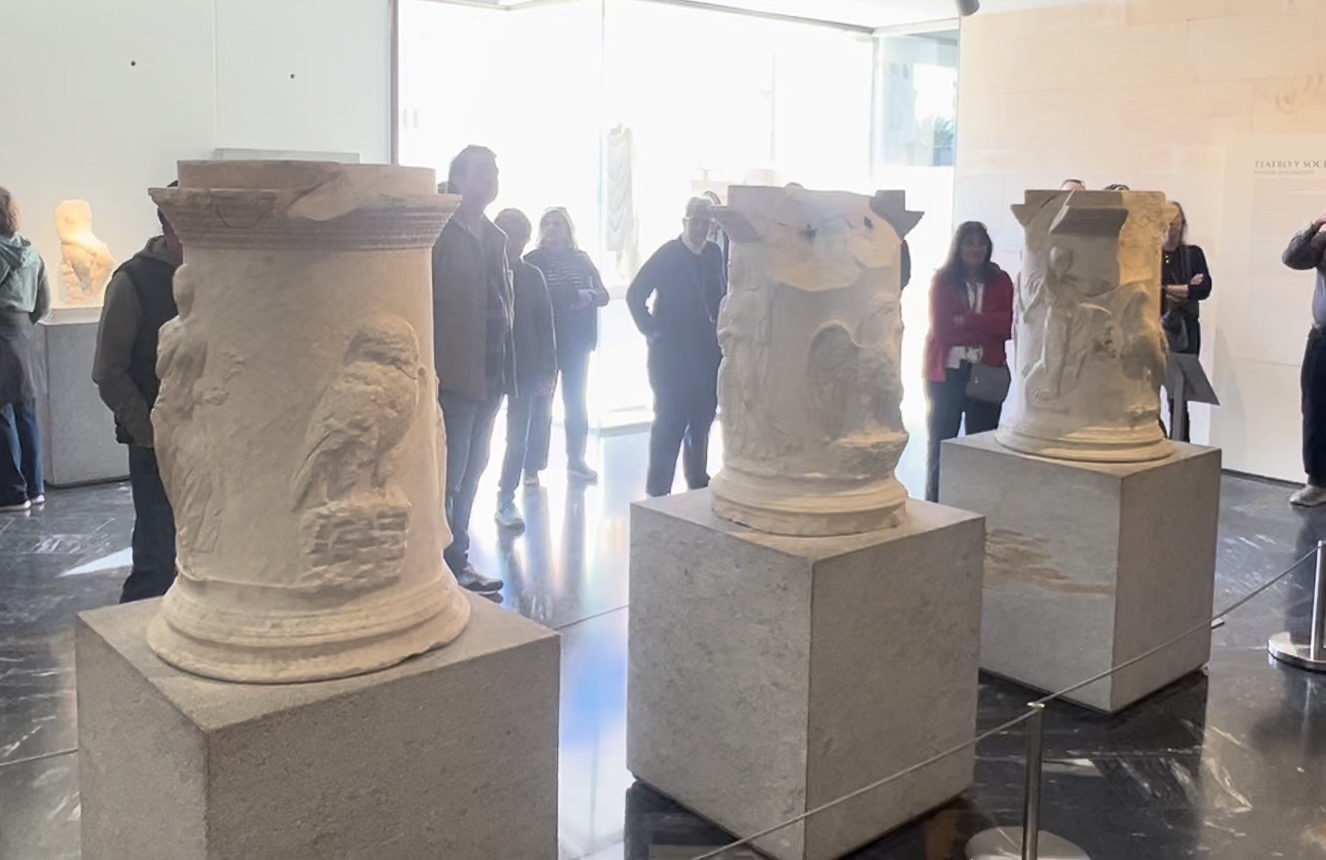
How exactly does one promise “cultural immersion” in a two-to-three-hour tour, most of which takes place seated on a bus, interrupted only by carefully timed photo opportunities? In Cartagena, after a genuinely excellent visit to the Roman Theatre — admittedly a bit rushed — the remainder of the tour was essentially a scenic drive culminating in photos of the Cabo de Palos lighthouse. Lovely lighthouse. Very photogenic. Deep cultural immersion? Let’s say… symbolic.
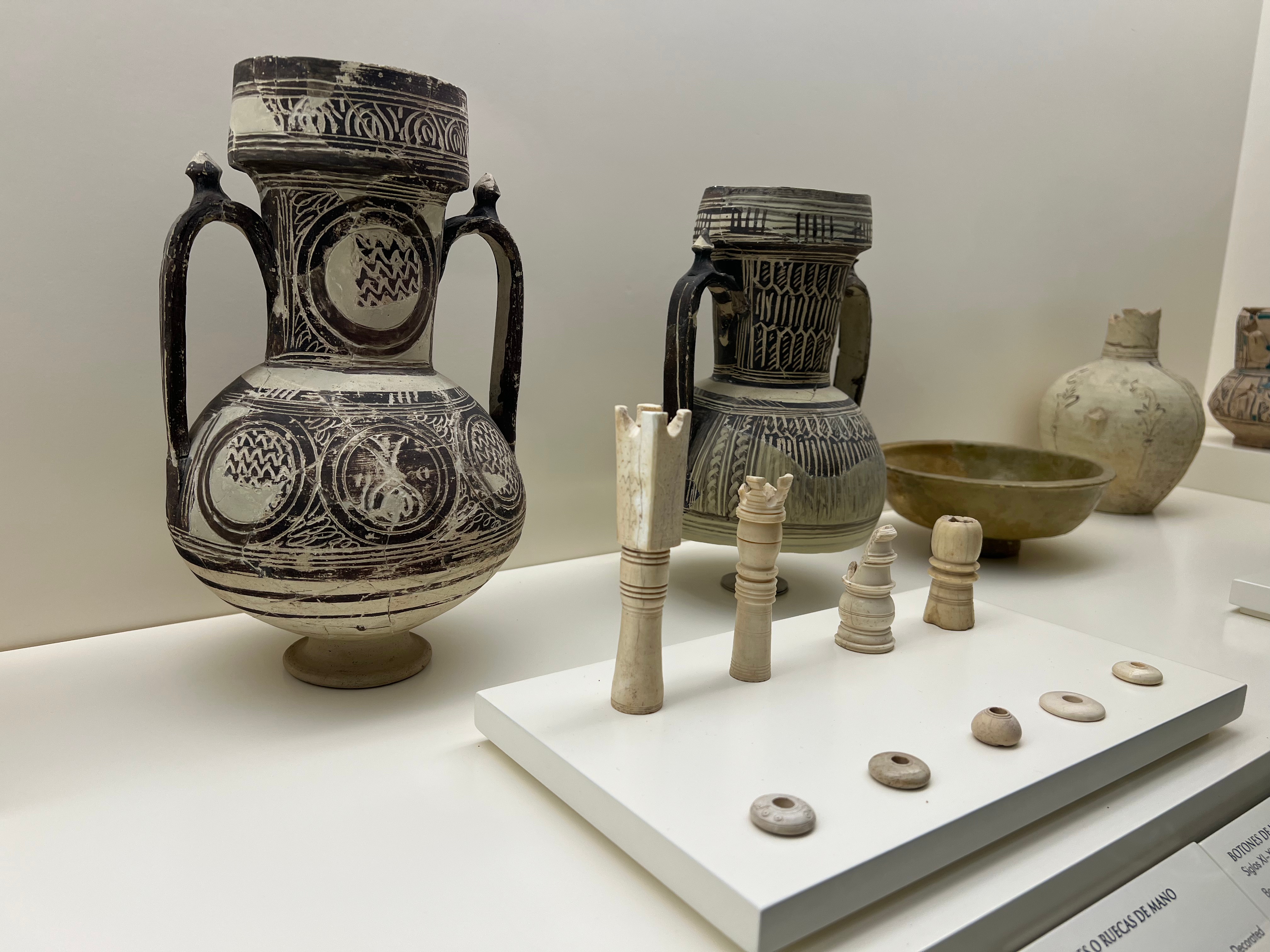
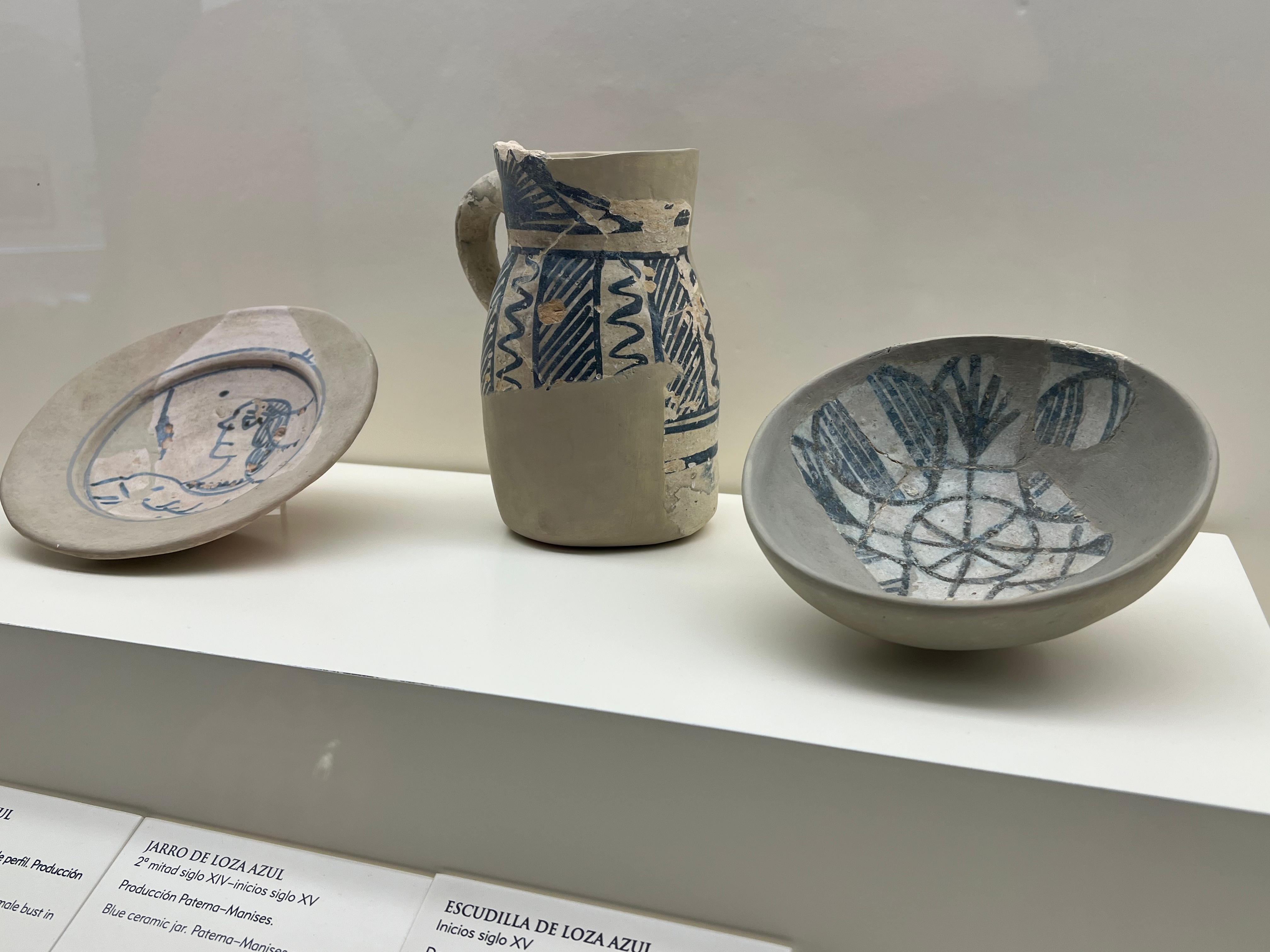
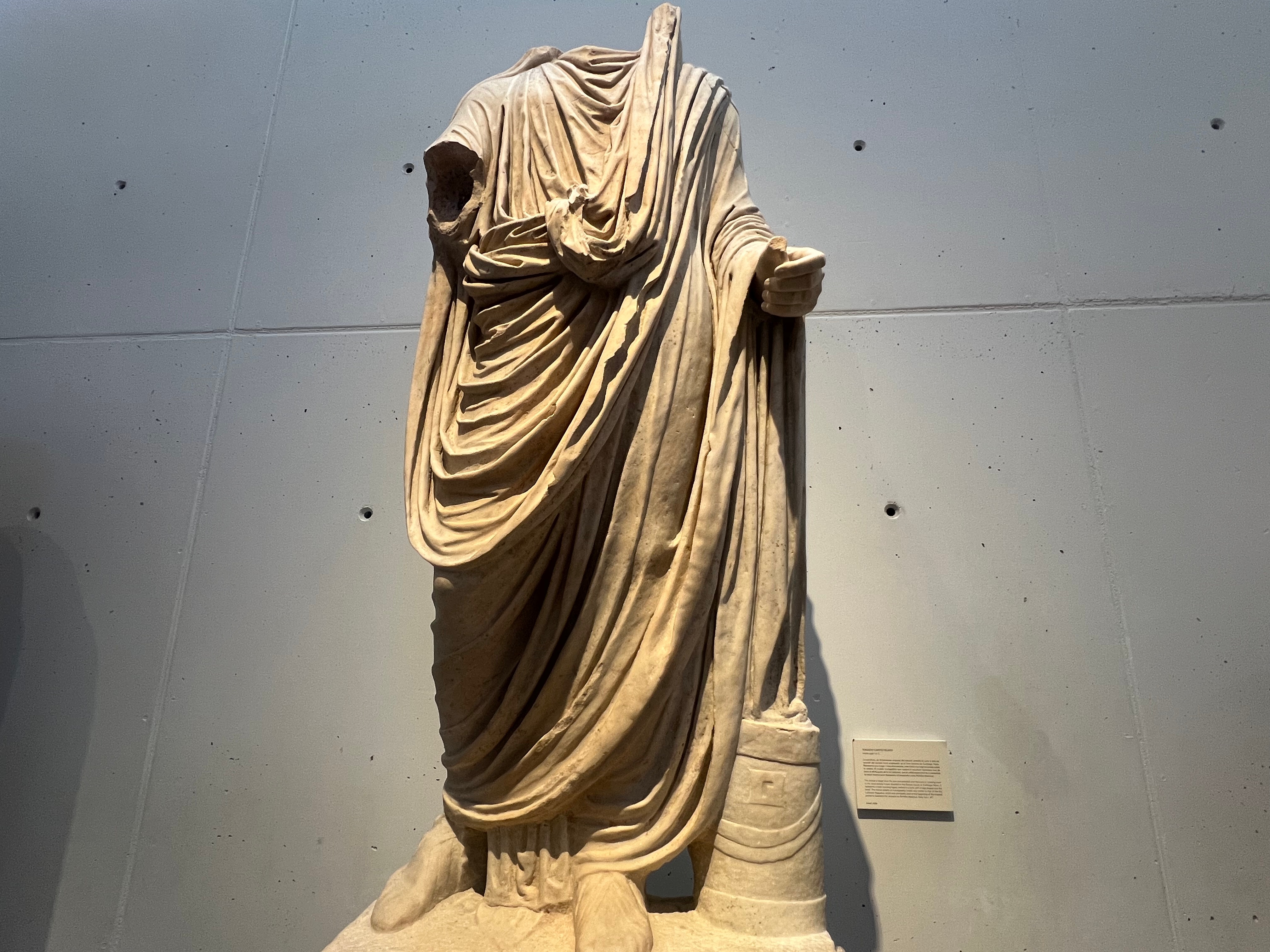
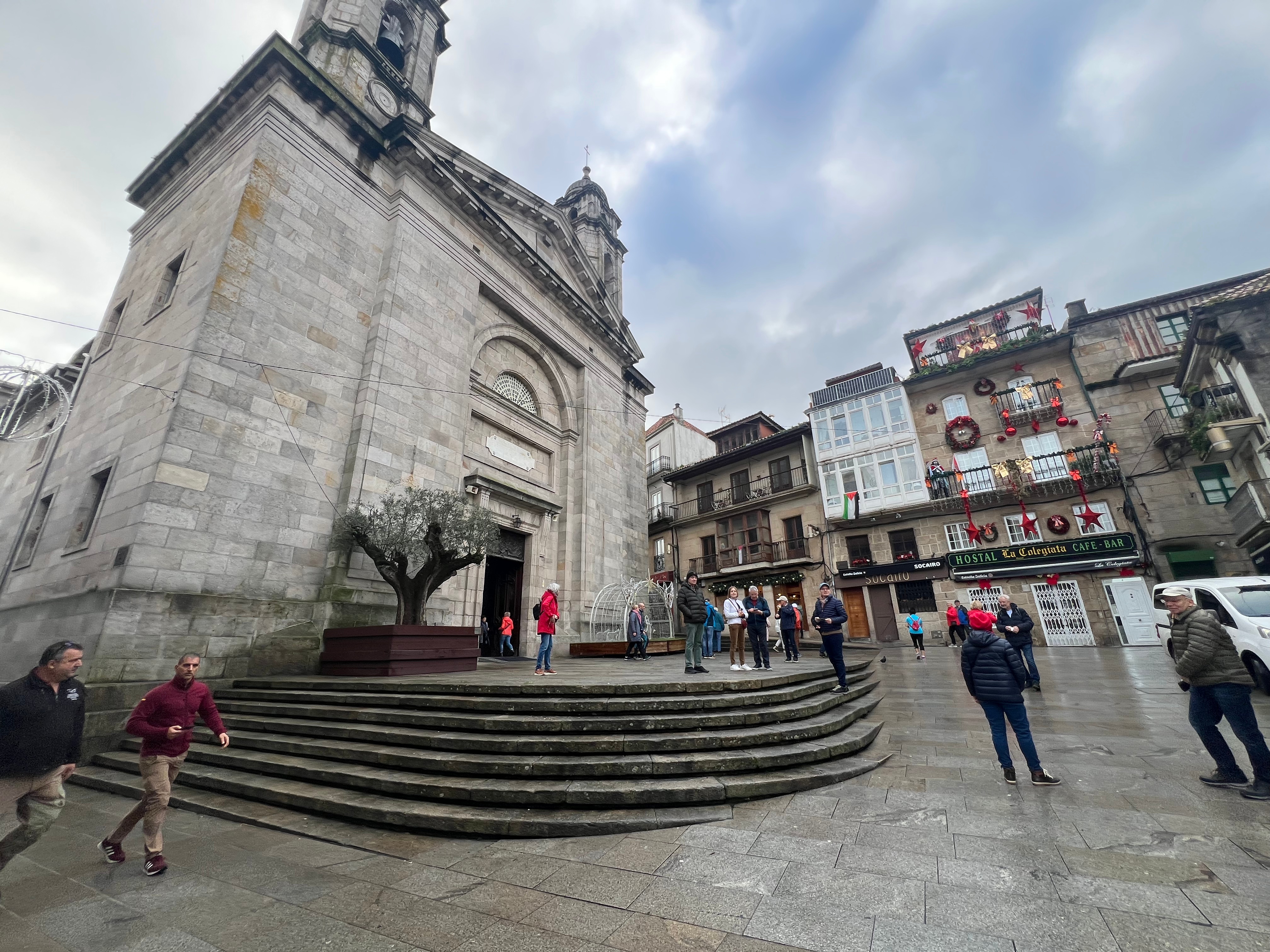
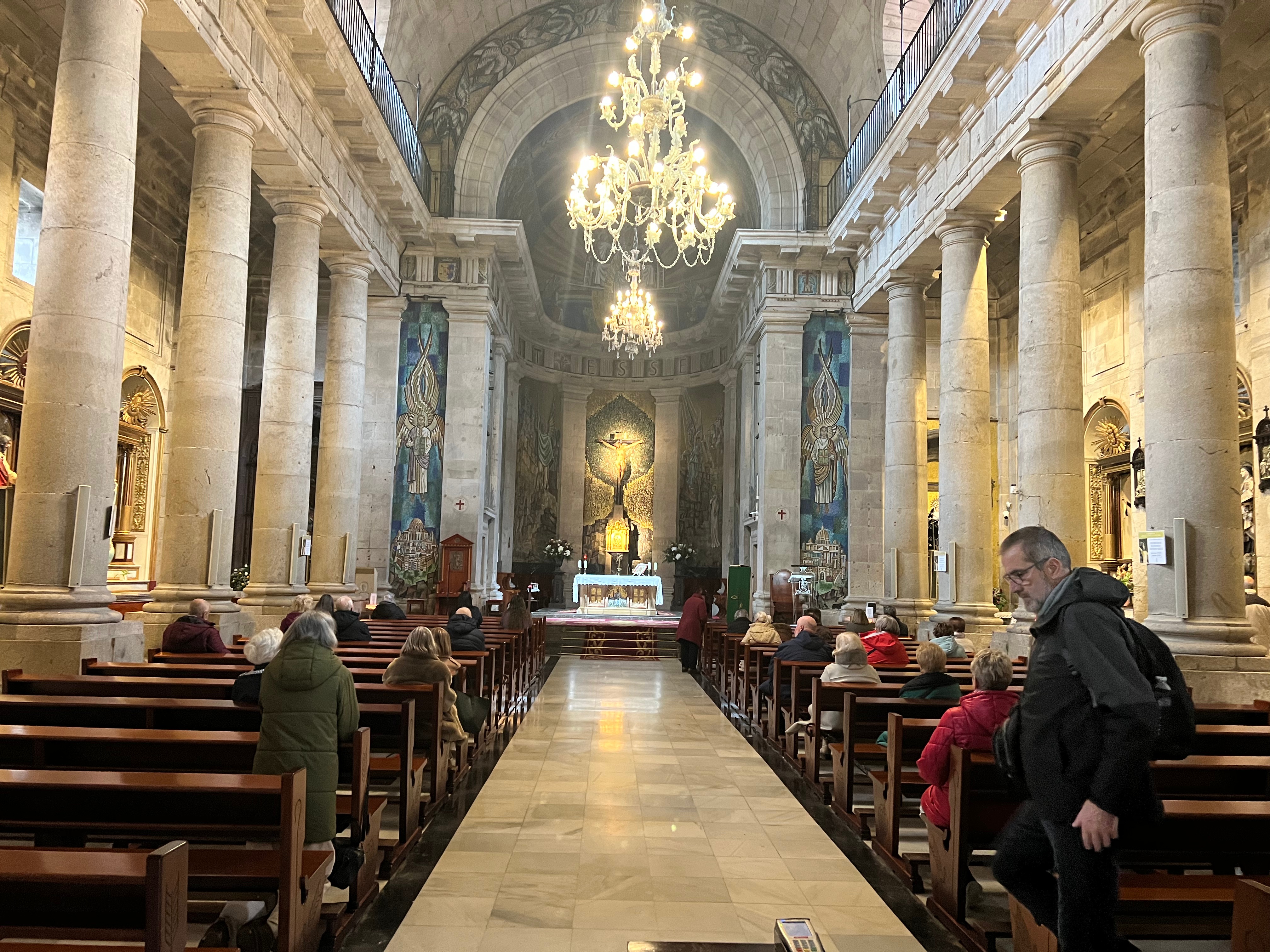
Vigo was even more pathetic than poetic. The included excursion departed at 08:00. In Galicia. In winter. Translation: it was still dark. What followed was less “Vigo by day” and more “Vigo by night, minus the nightlife.” By the time daylight made a guest appearance, it was already time to think about returning to the ship, as all-aboard was at 13:00.
Viking Ocean Cruises is clearly designed for guests who enjoy bus-based exploration as a central part of their cruise experience. Add to this the enthusiastic participation of fellow travellers who have carefully curated their worldview around Fox News and have never encountered National Geographic, History, or Discovery Channel — and you begin to understand the… unique exploring atmosphere. I say this politely. Very politely.
Hoping paid excursions might offer a different experience, I spoke with other passengers after their tours. Sadly, the reality wasn’t much improved — despite the rather impressive price tags. The Santiago de Compostela excursion, for example, was advertised as a four-hour tour. Given that the drive alone is 1.5 hours each way, this leaves a generous 30–45 minutes to explore one of Spain’s most magnificent cathedrals — independently, of course. Blink and you’ve completed your pilgrimage.
The Stonehenge tour from Portsmouth followed a similar logic: 1.5 hours driving each way, 30 minutes on site, and a quick retreat to meet the 13:00 all-aboard time. Unsurprisingly, the ship departed late that day due to delayed tour returns. Cultural immersion, but make it rushed.
Even tours proudly labelled as “walking tours” turned out to be mostly seated affairs. On one such excursion, we walked for approximately 30 minutes during a 3.5-hour tour. We spent more time waiting for group bathroom breaks than actually walking through history.
In the end, Viking’s shore excursions feel less like genuine exploration and more like a conscientious effort to tick the “included tour” box. Efficient, polished, well-described — but ultimately cautious, compressed, and overwhelmingly bus-centric.
Immersive? Perhaps in brochure language.
Educational? Occasionally.
Exploratory? Only if your definition of exploration includes a reclining seat and a panoramic window
GASTRONOMIC EXPERIENCE – BELOW EXPECTATIONS
In modern cruising, gastronomy is no longer just about feeding passengers three times a day and hoping for the best. Food has evolved into one of the strongest selling points of a cruise — a core element of the overall vacation experience. Dining today drives loyalty, creates emotional memories, and caters to a clientele that increasingly sees itself as culinarily curious, well-travelled, and demanding more than just “nice enough.”
Viking knows this. At least on paper.
Across its marketing materials, Viking promises destination-focused, high-quality cuisine served across multiple included venues. Elegant main dining, live cooking stations at the World Café, Italian specialities at Manfredi’s, Nordic comfort food at Mamsen’s, themed tasting menus at The Chef’s Table, afternoon tea in the Wintergarden — all paired with complimentary wine and beer at lunch and dinner and delivered with exceptional, personalised service.
It sounds like a floating culinary symposium.
Unfortunately, looking back at my Iberian Explorer sailing on Viking Vela, I must admit that the gastronomic experience was the weakest link of the entire cruise — with too many missteps to ignore, especially given the premium price tag attached.
But let’s eat our way through this. Step by step.
Located on Deck 2, The Restaurant is Viking Vela’s main dining room and largest culinary venue. There is no reserved seating, allowing guests to dine at their leisure during opening hours. Menus change daily, supported by a selection of “always available” classics, vegetarian and vegan options, and dishes inspired by the region or port of call.
In theory, this should be the heart of Viking’s destination-focused dining philosophy.
In practice, after dining here five nights out of seven, I experienced a gastronomic roller coaster — with a couple of highs and far too many lows.
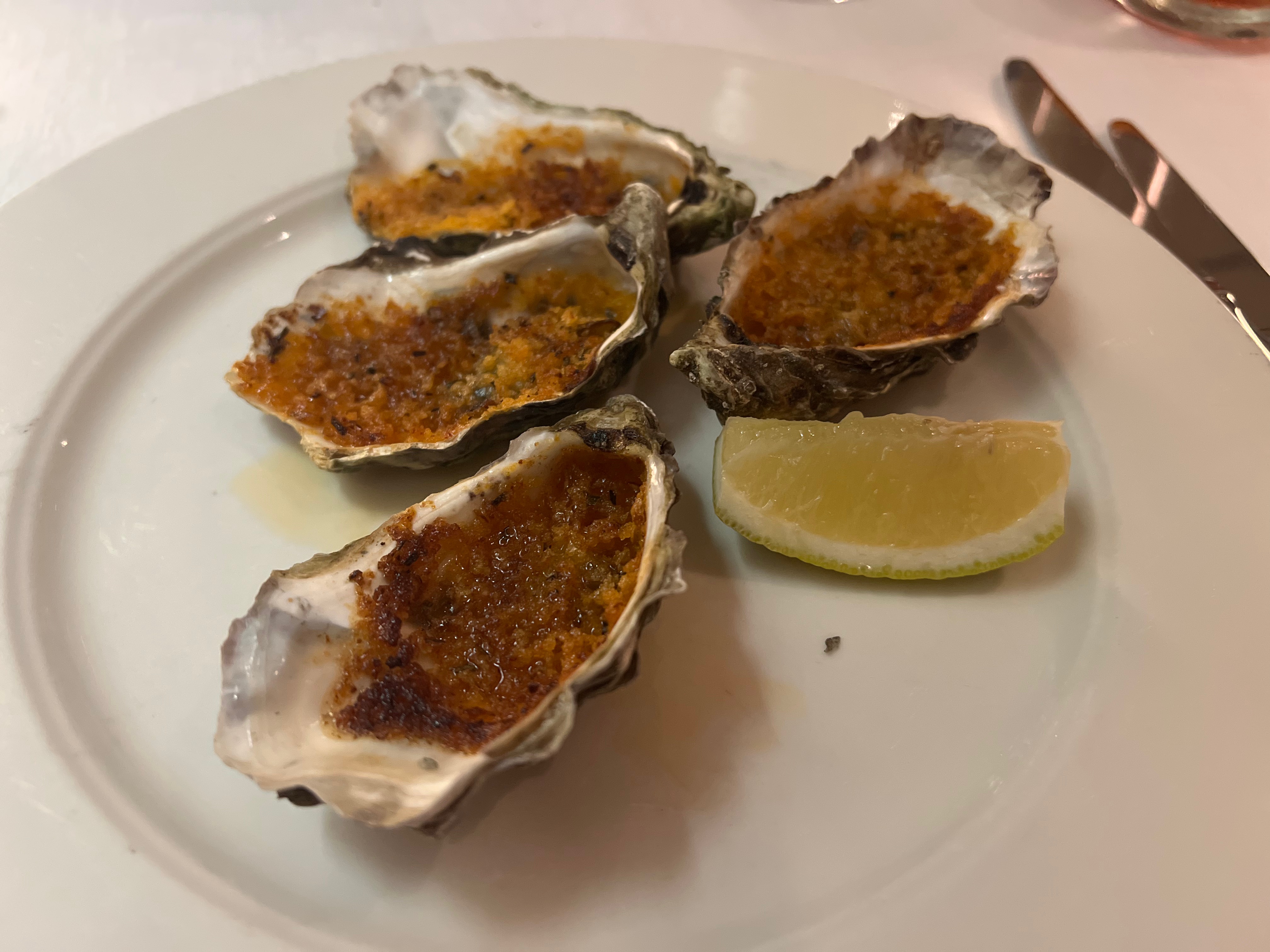
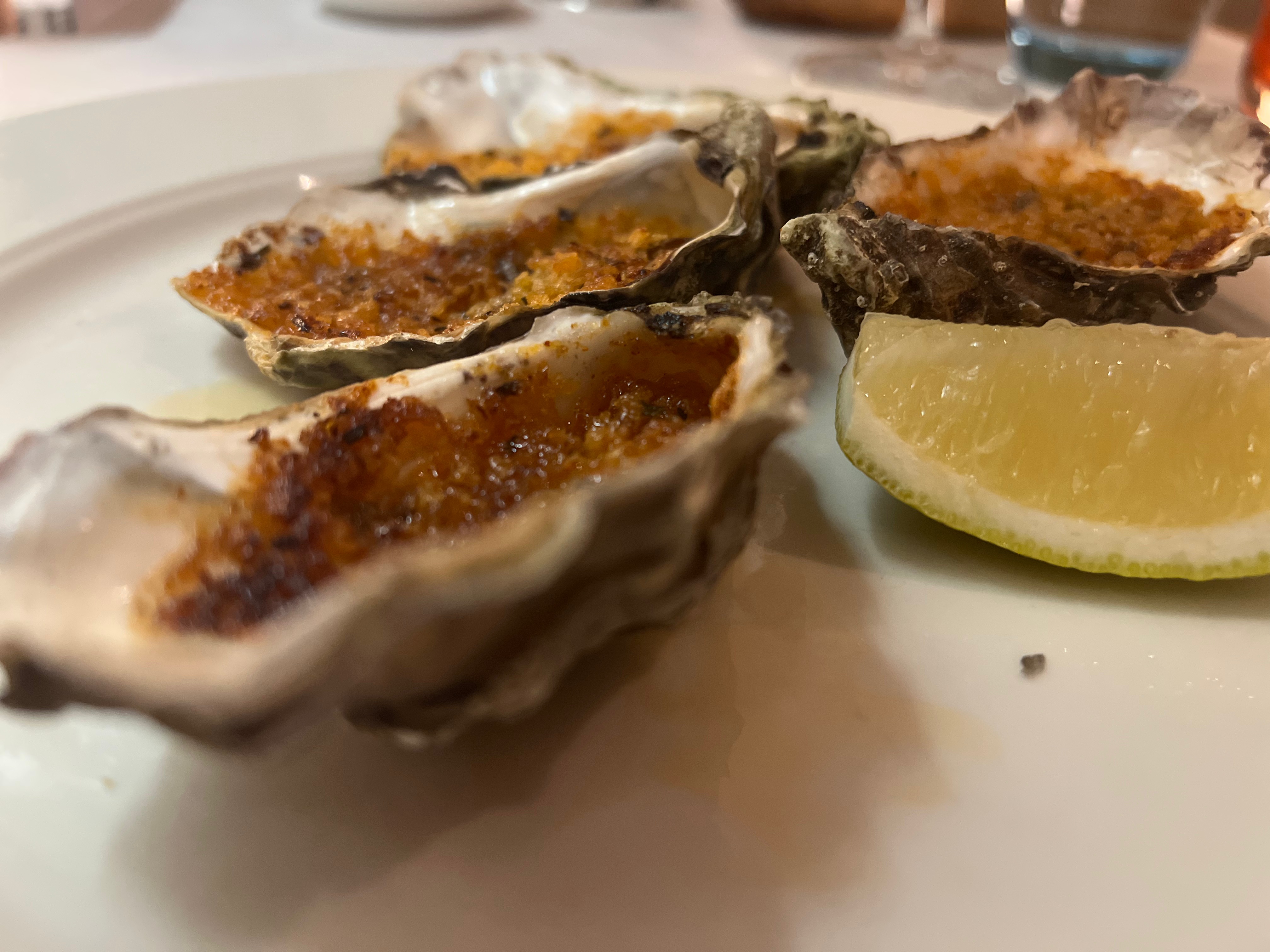
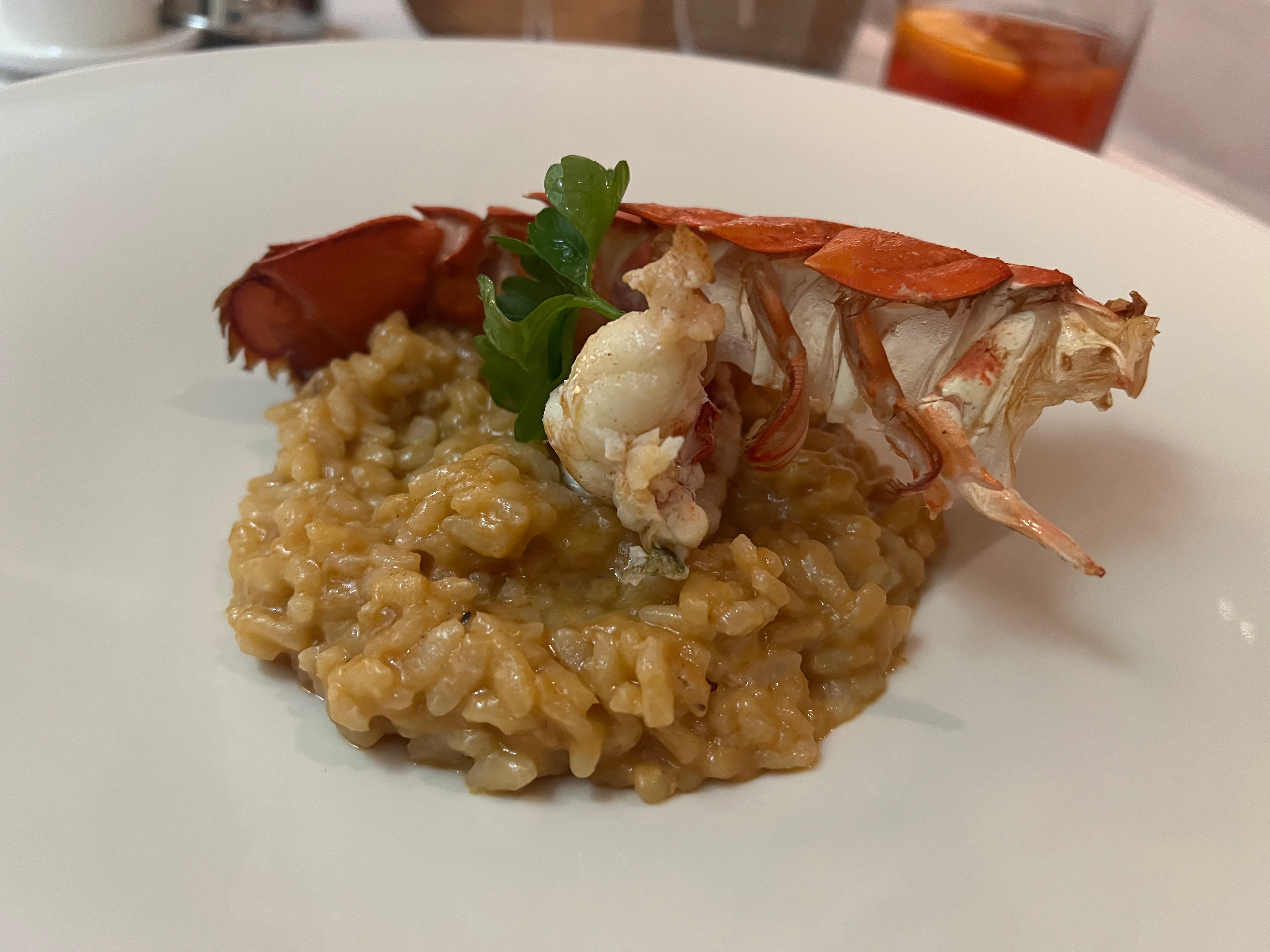
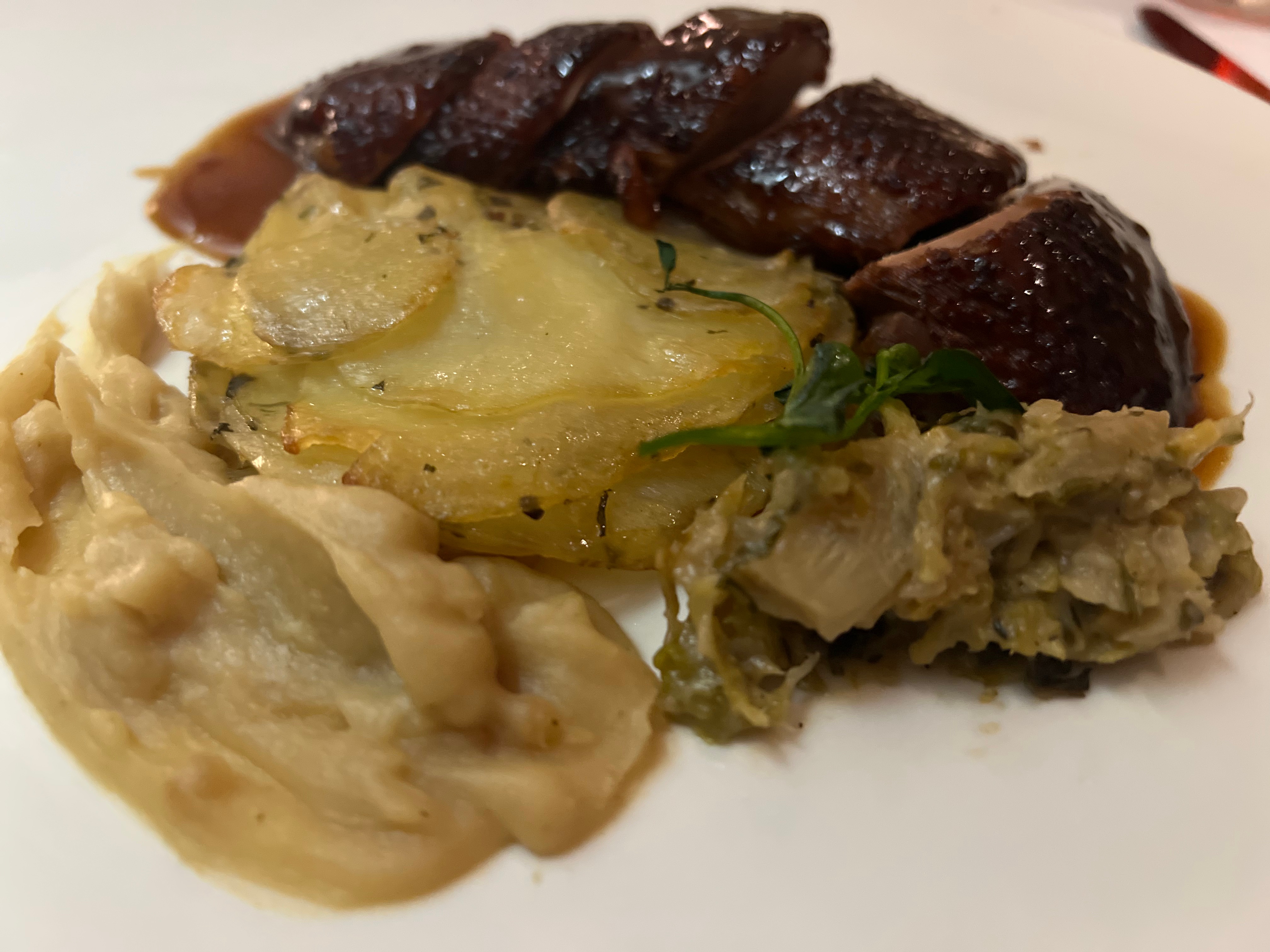
Viking’s culinary approach is clearly designed with the American market’s interpretation of European cuisine in mind. What arrives on the plate is a pastiche of international flavours, dominated by an obsession with sous-vide cooking. Meat consistently arrives with that familiar mushy texture, generously covered in sauces attempting to disguise mediocre ingredients with confused flavour profiles.
Wine pairing? That eternal classic: “Red or white?”
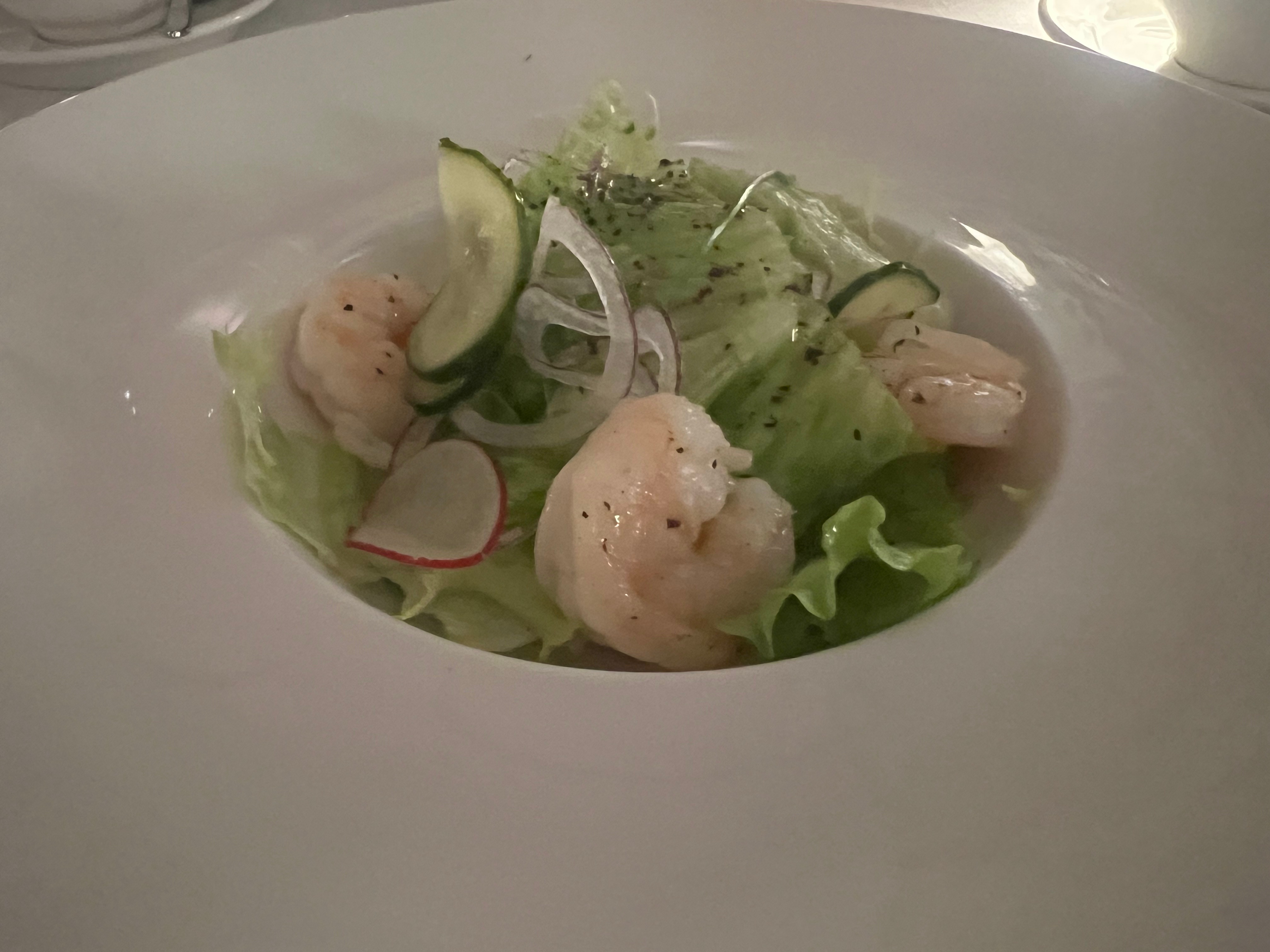
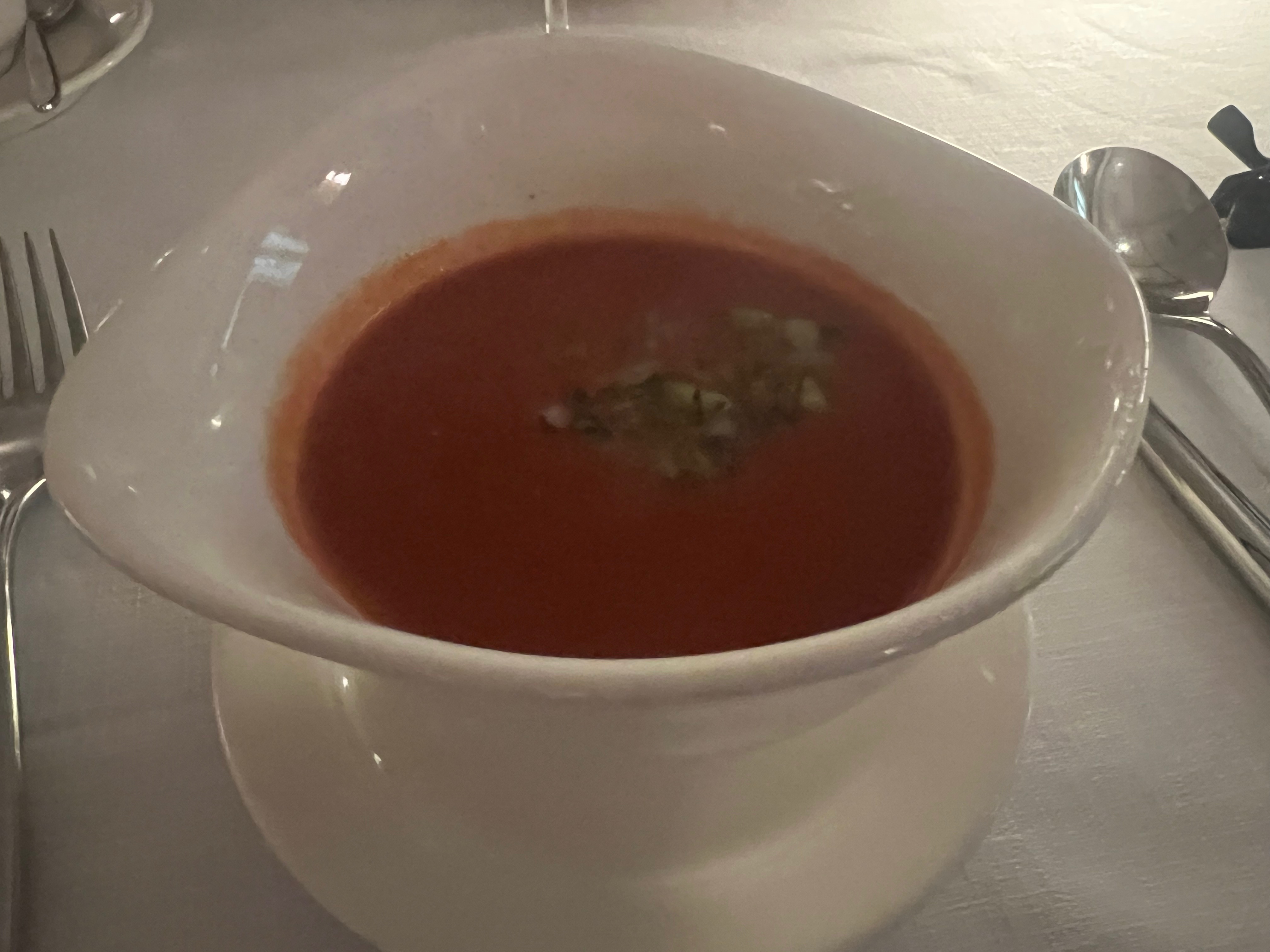
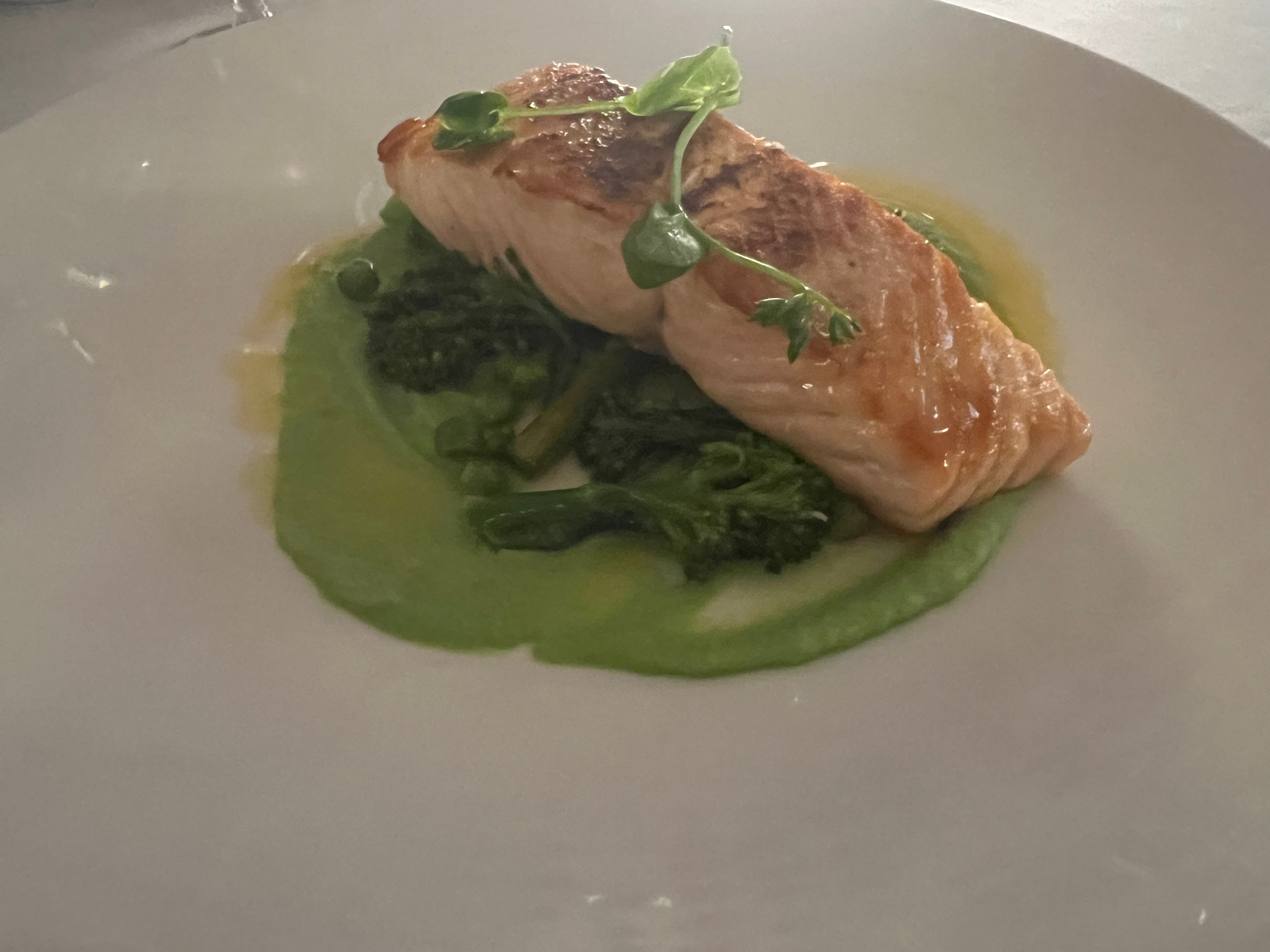
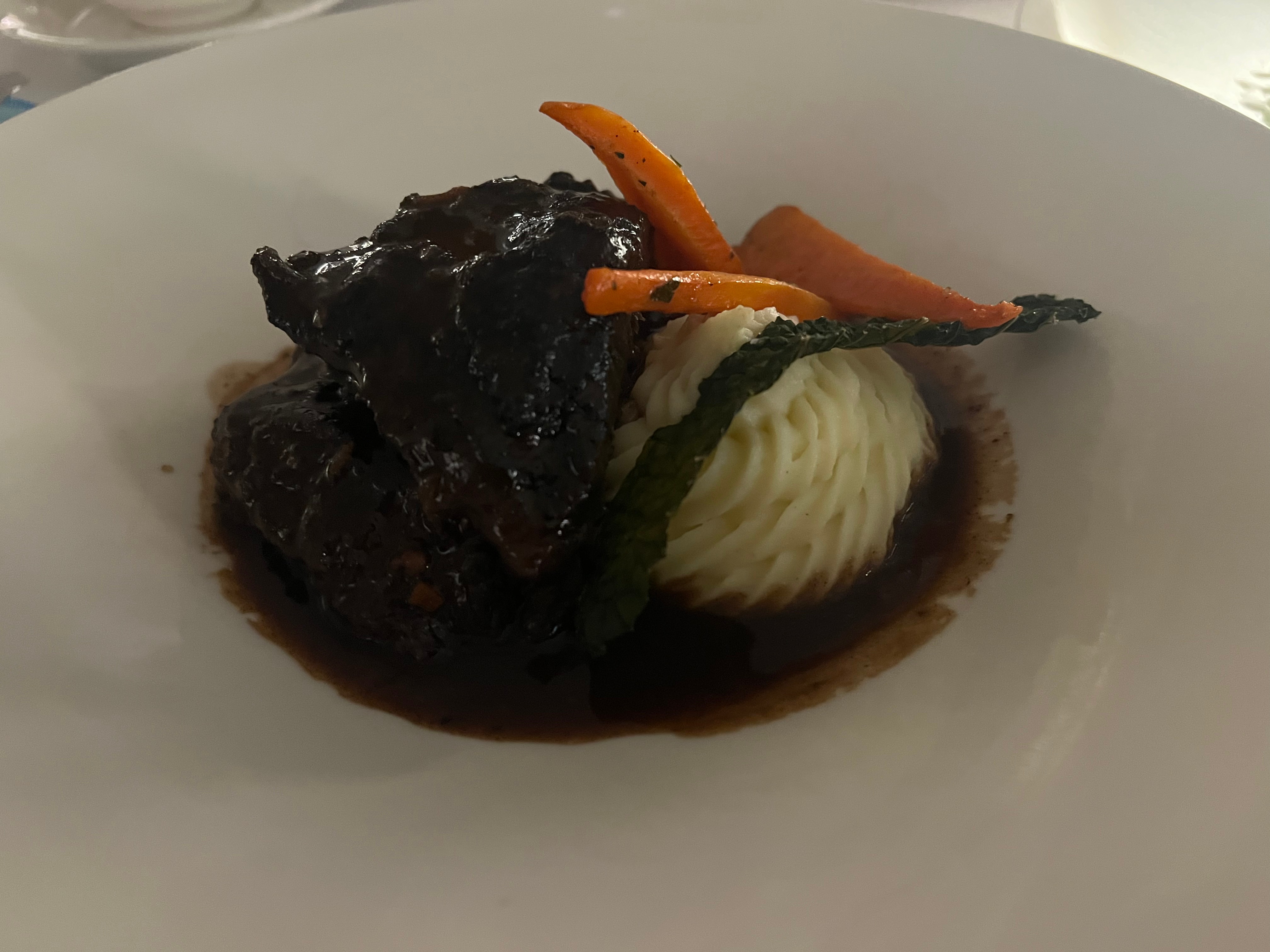
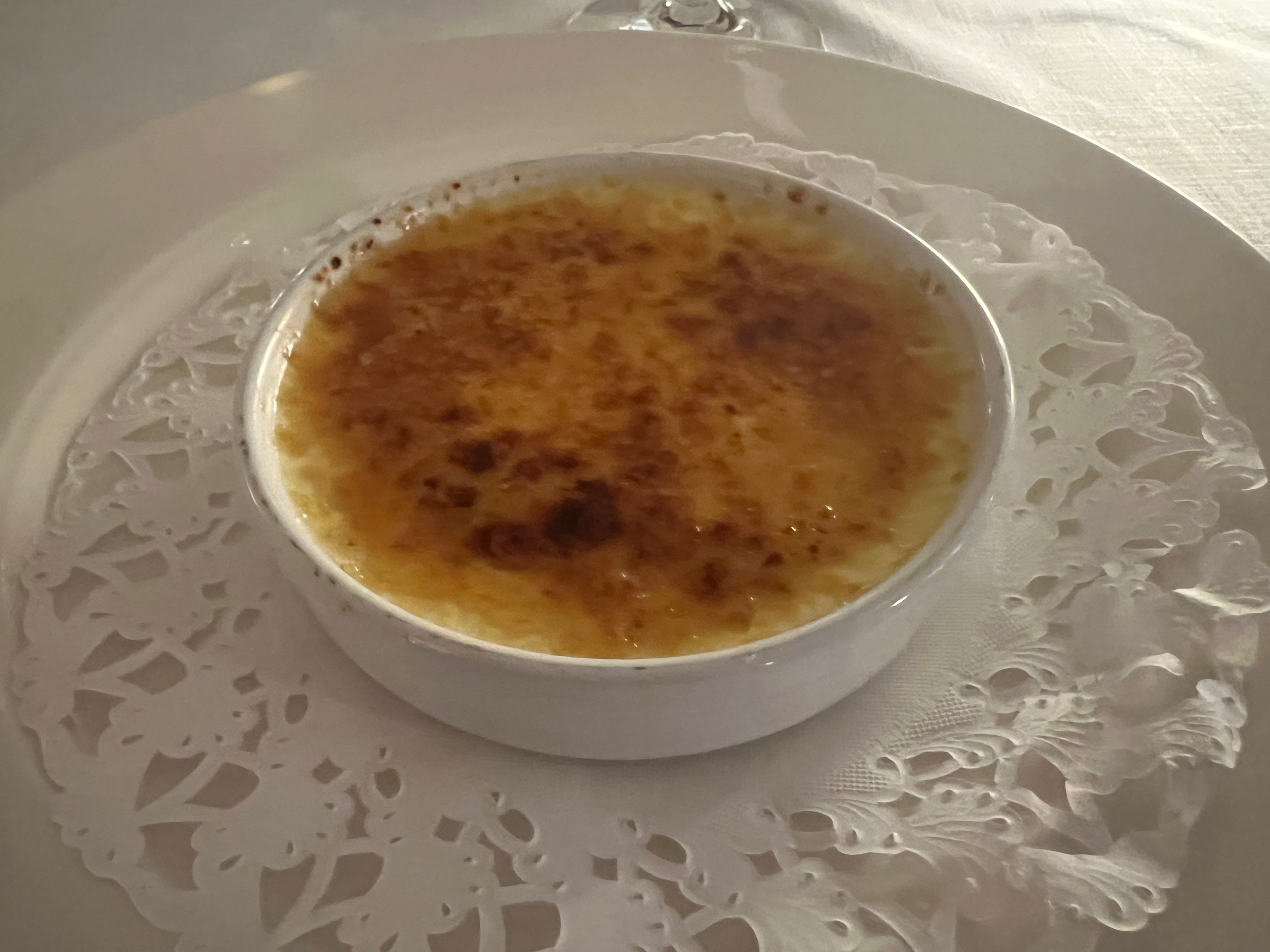
Click here to see my first dinner in THE RESTAURANT on Viking Vela: https://youtu.be/gtHD0OLfsn4?si=GRDGGbudT0NbJuyM
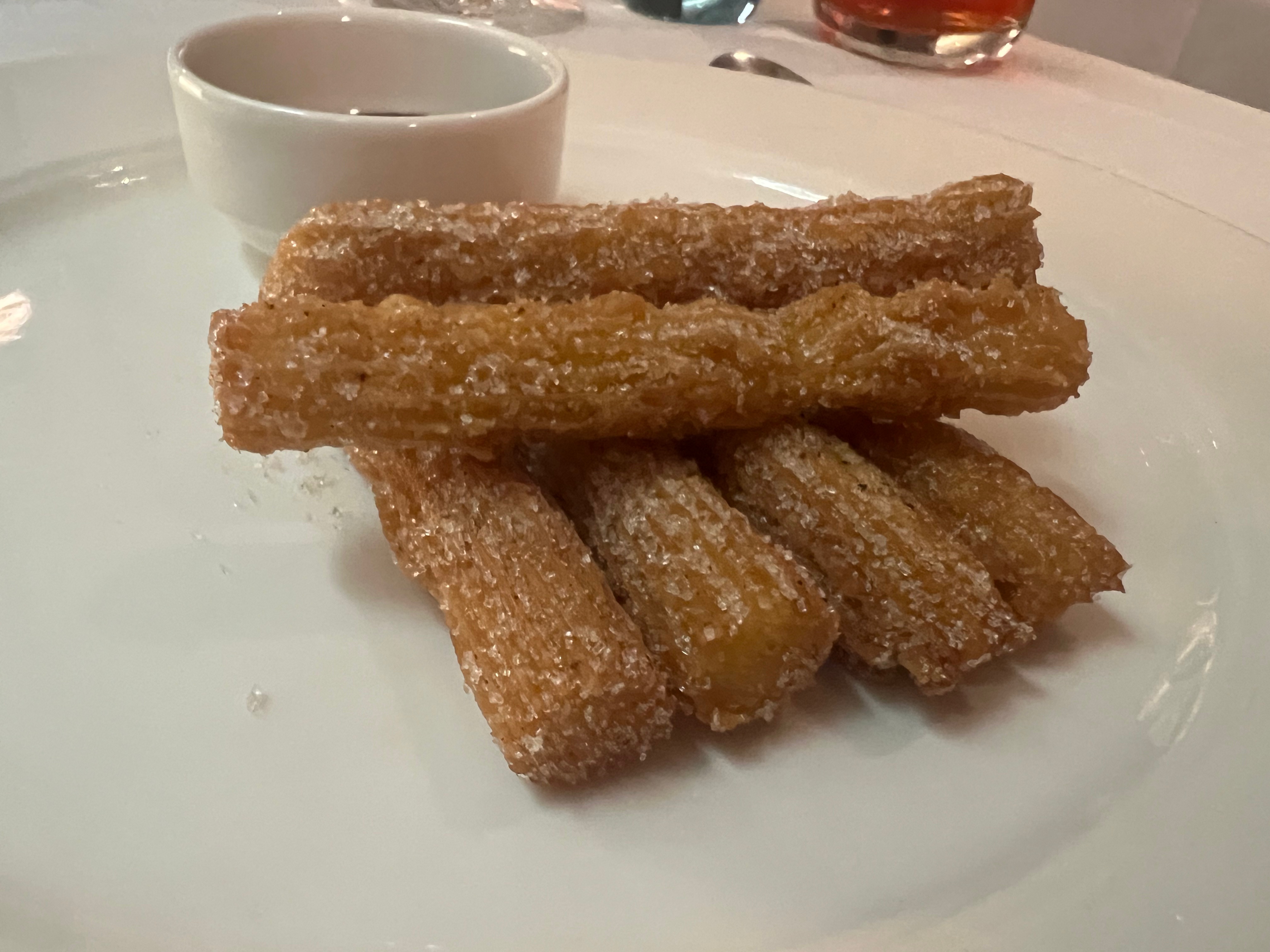
The menus themselves were a constant source of surprise — though not always in a good way. Spanish churros reimagined as a dessert served with Nutella (!!!). A Sunday roast appearing heroically on a Tuesday. Traditional Valencian paella offered in Andalusia and — brace yourself — labelled Paella Catalunya. At this point, culinary education quietly left the ship.
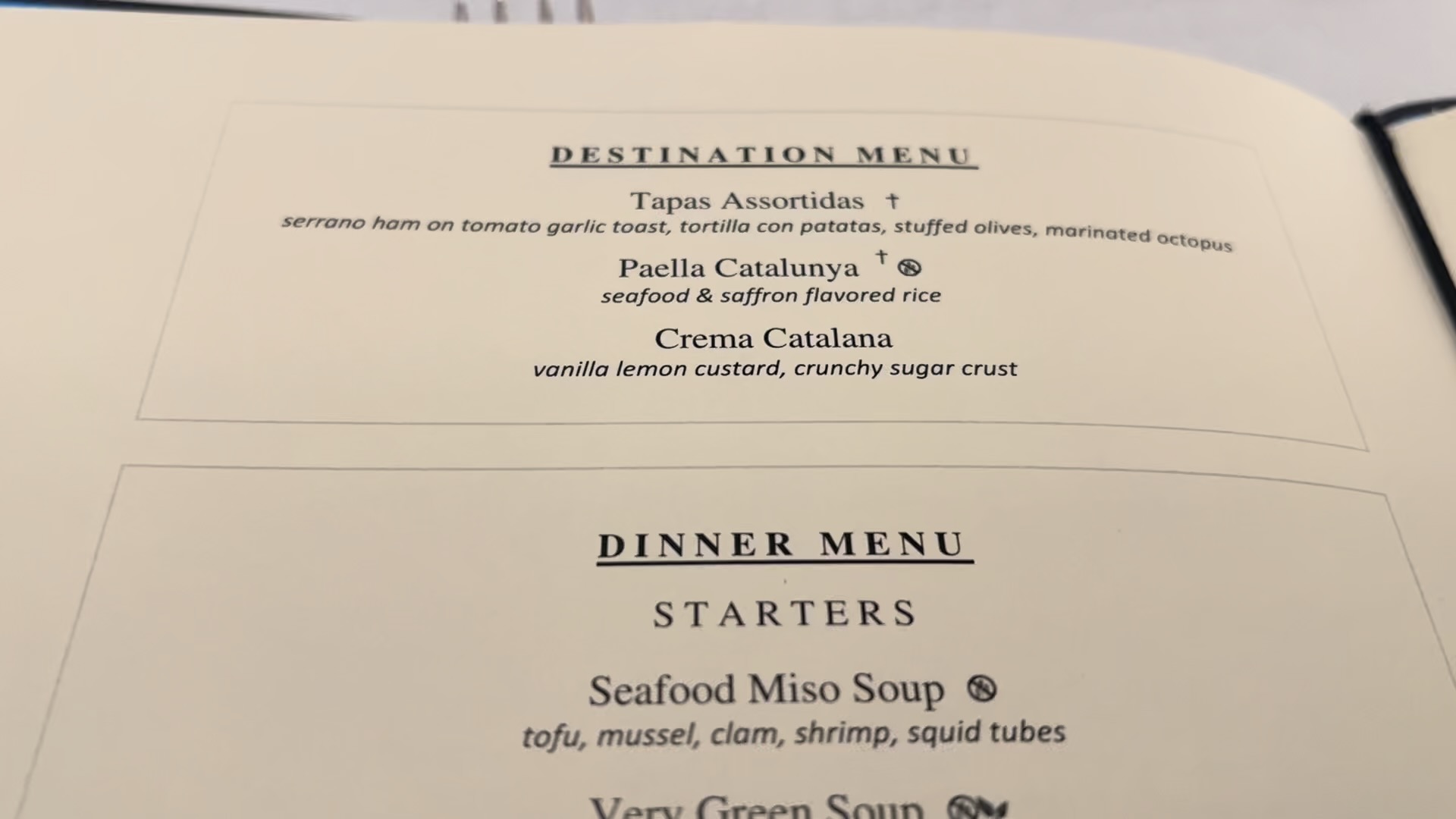
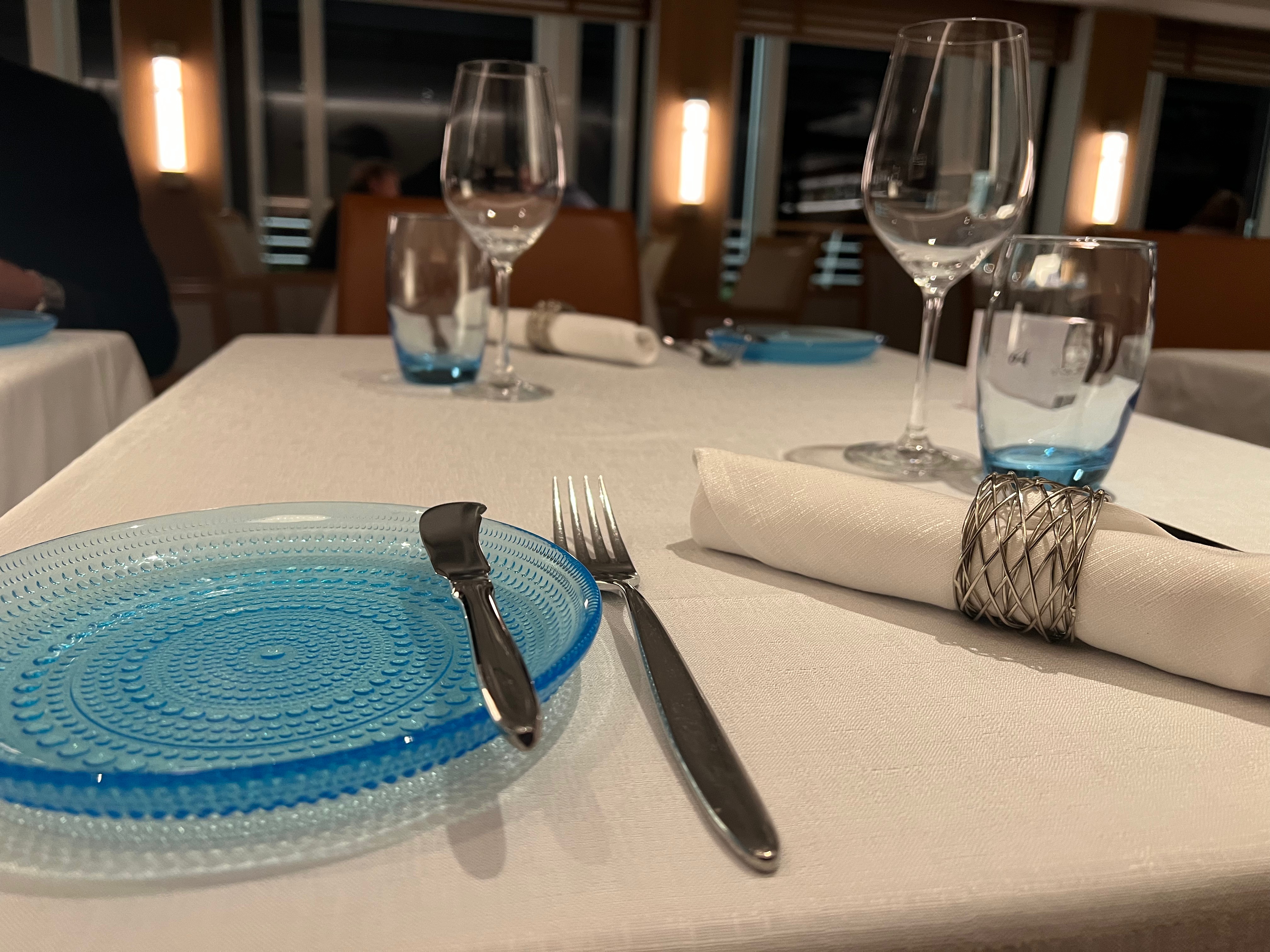
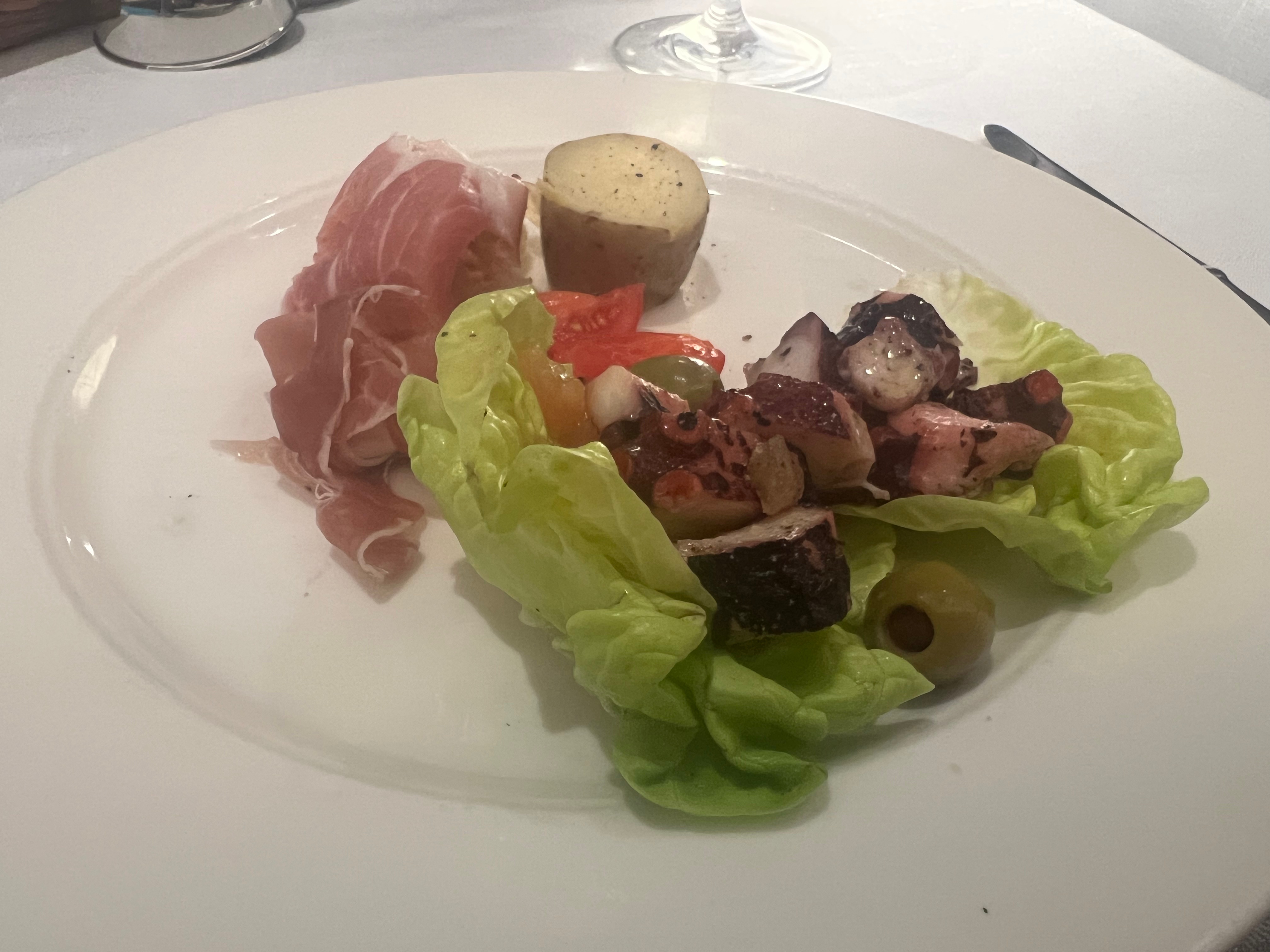
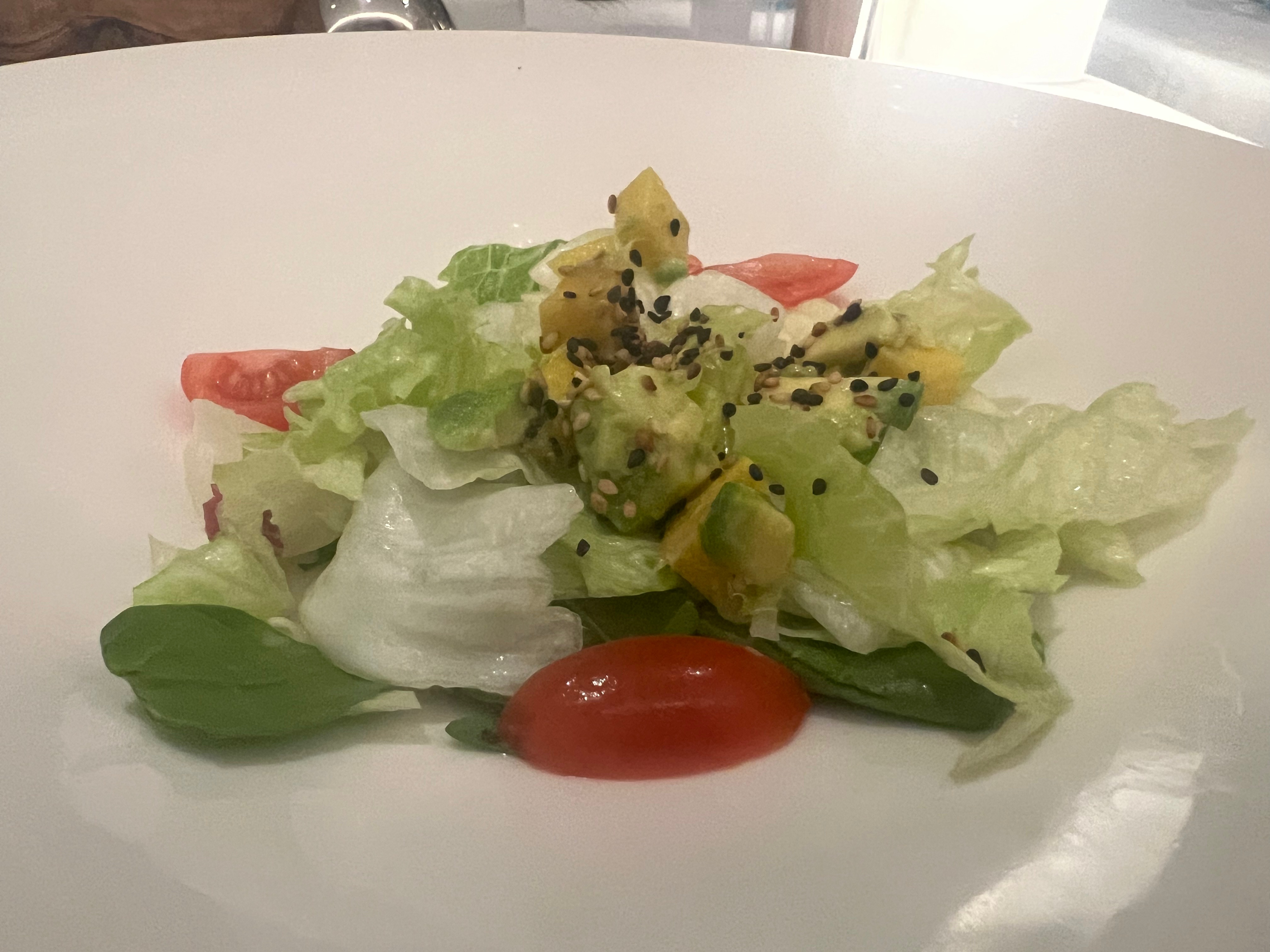
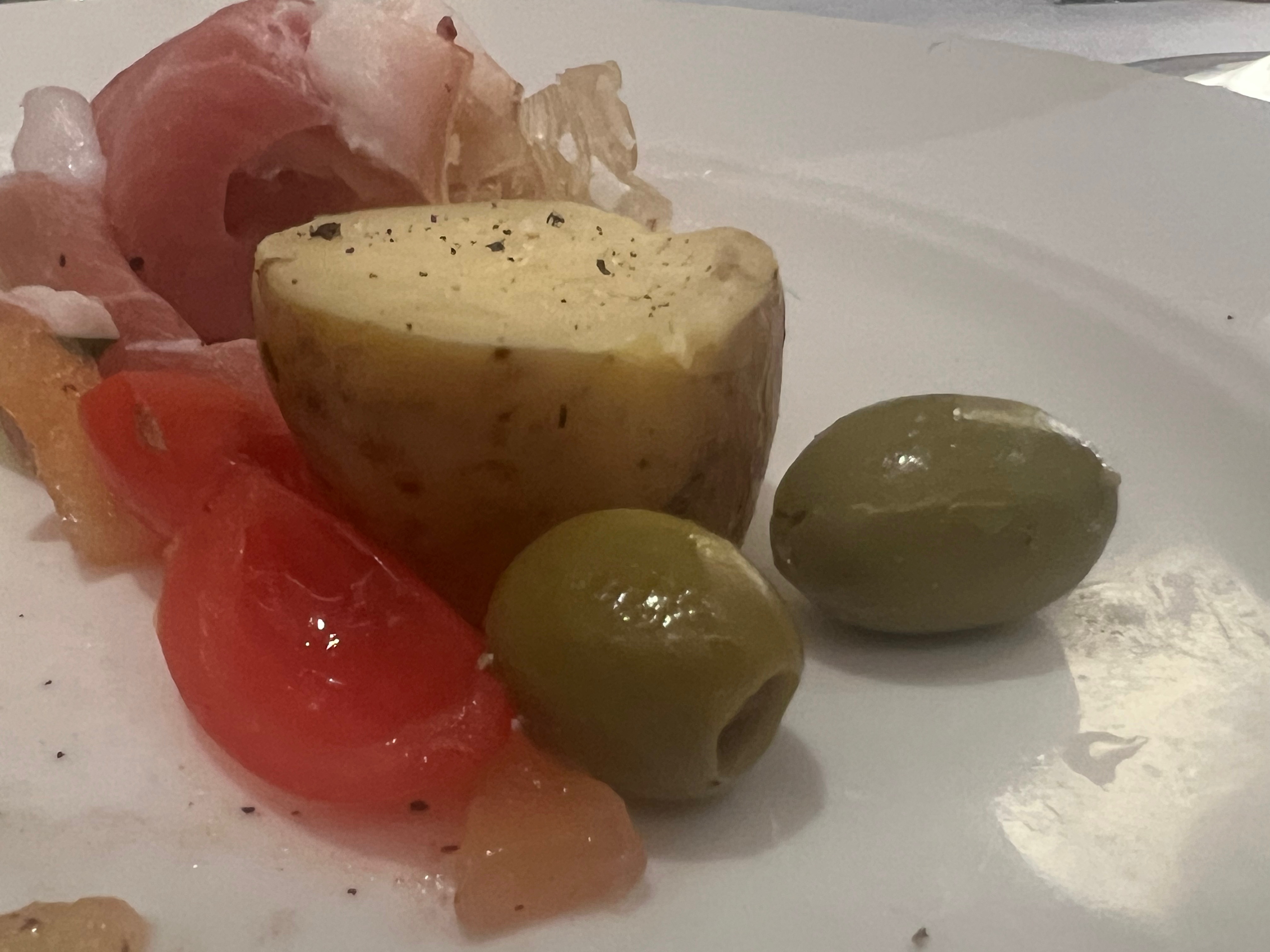
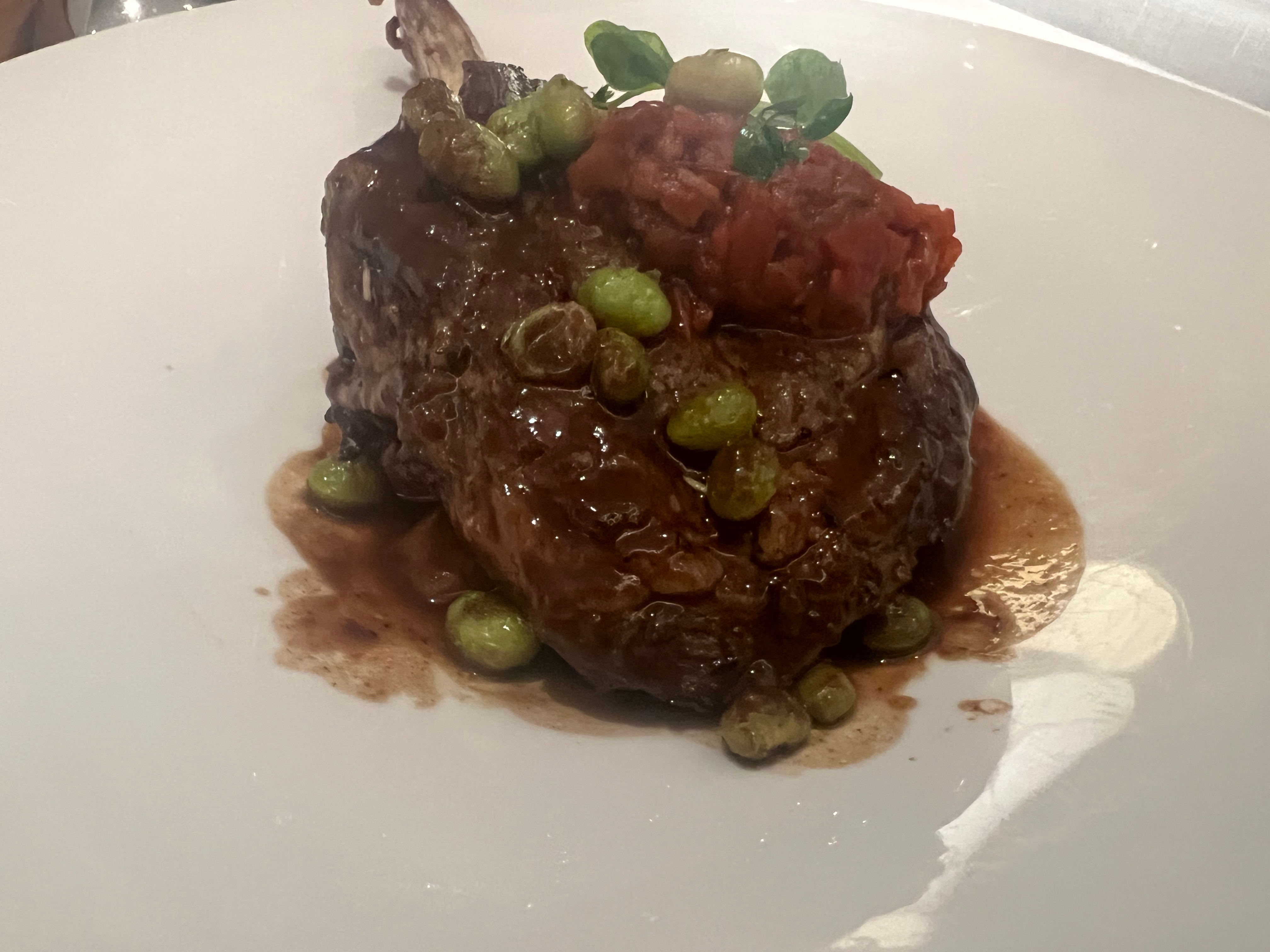
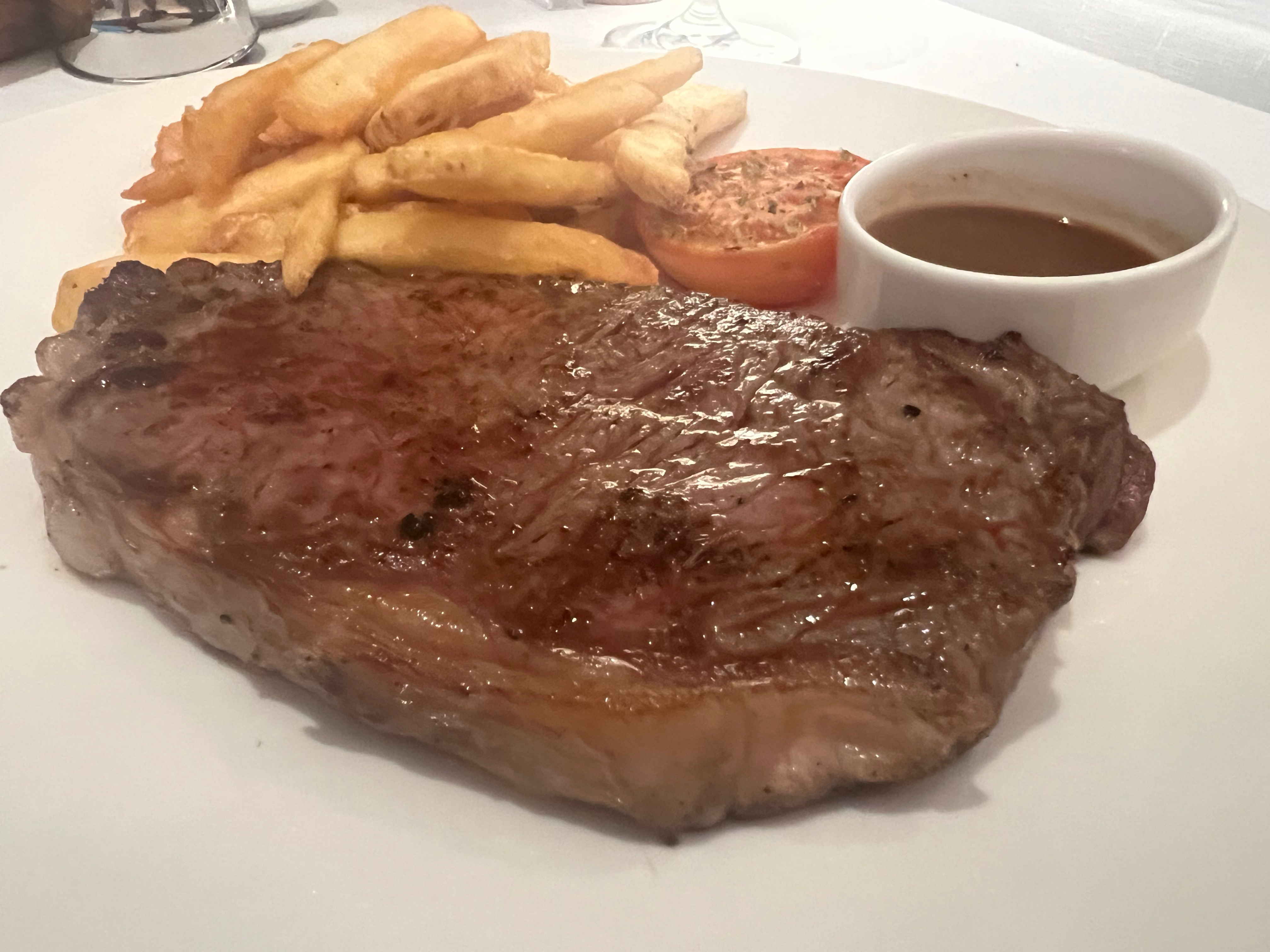
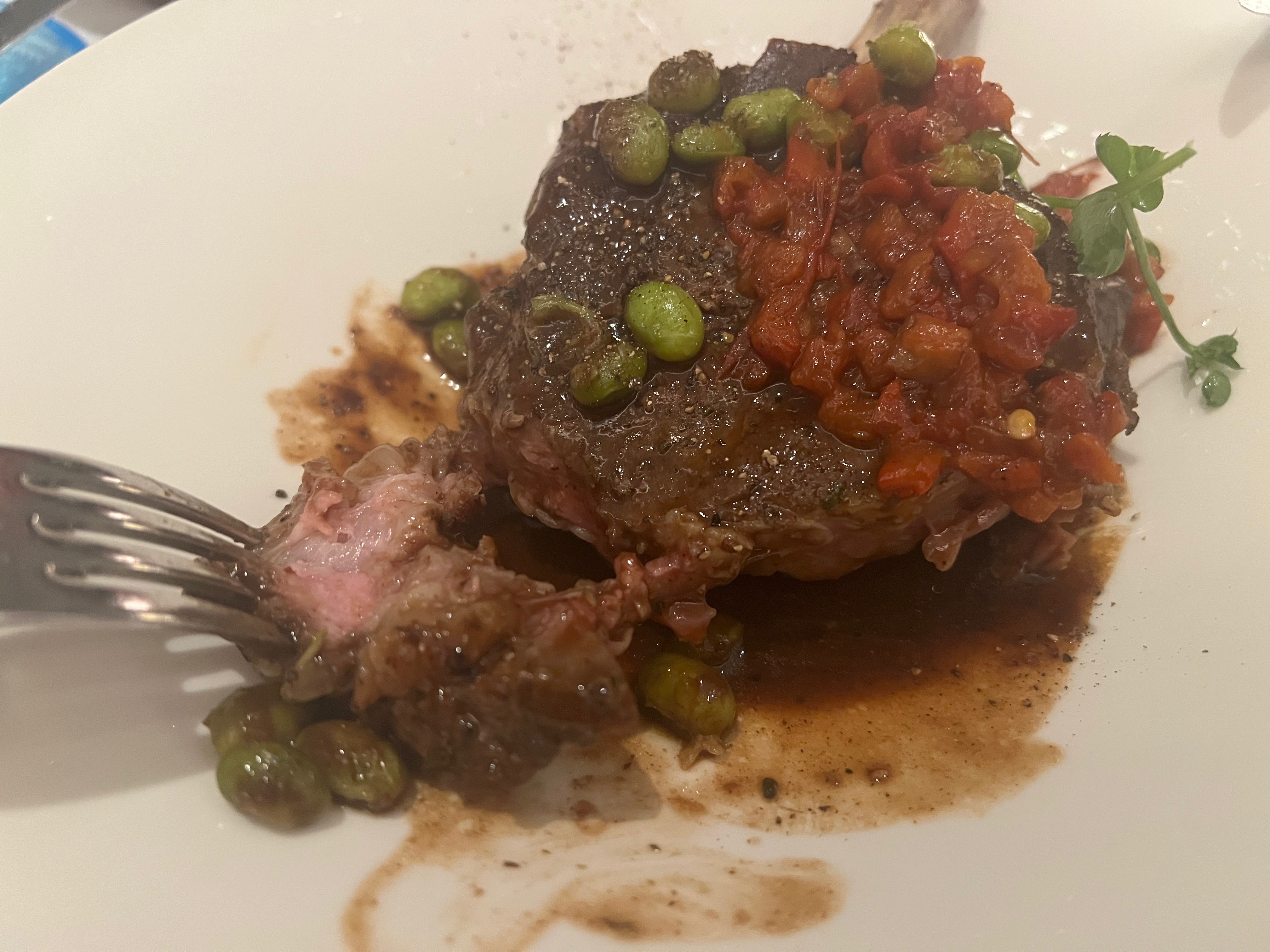
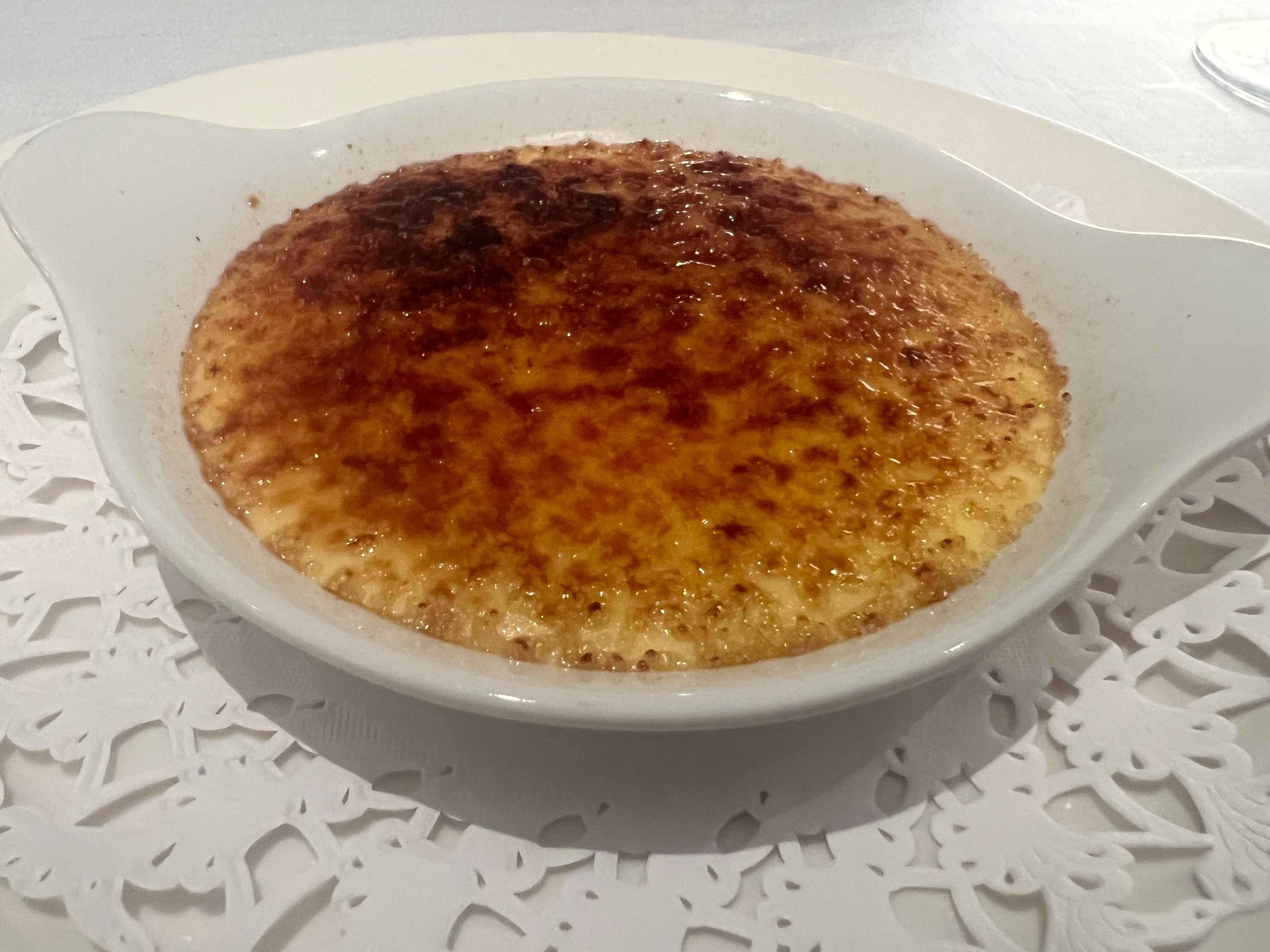
Click here to see another dinner experience in THE RESTAURANT: https://youtu.be/H1t14ssW6bs?si=xqEn4pA8yn2RkVxR
Rather than showcasing regional authenticity, the menus felt more like budget-friendly availability exercises disguised as cultural representation.
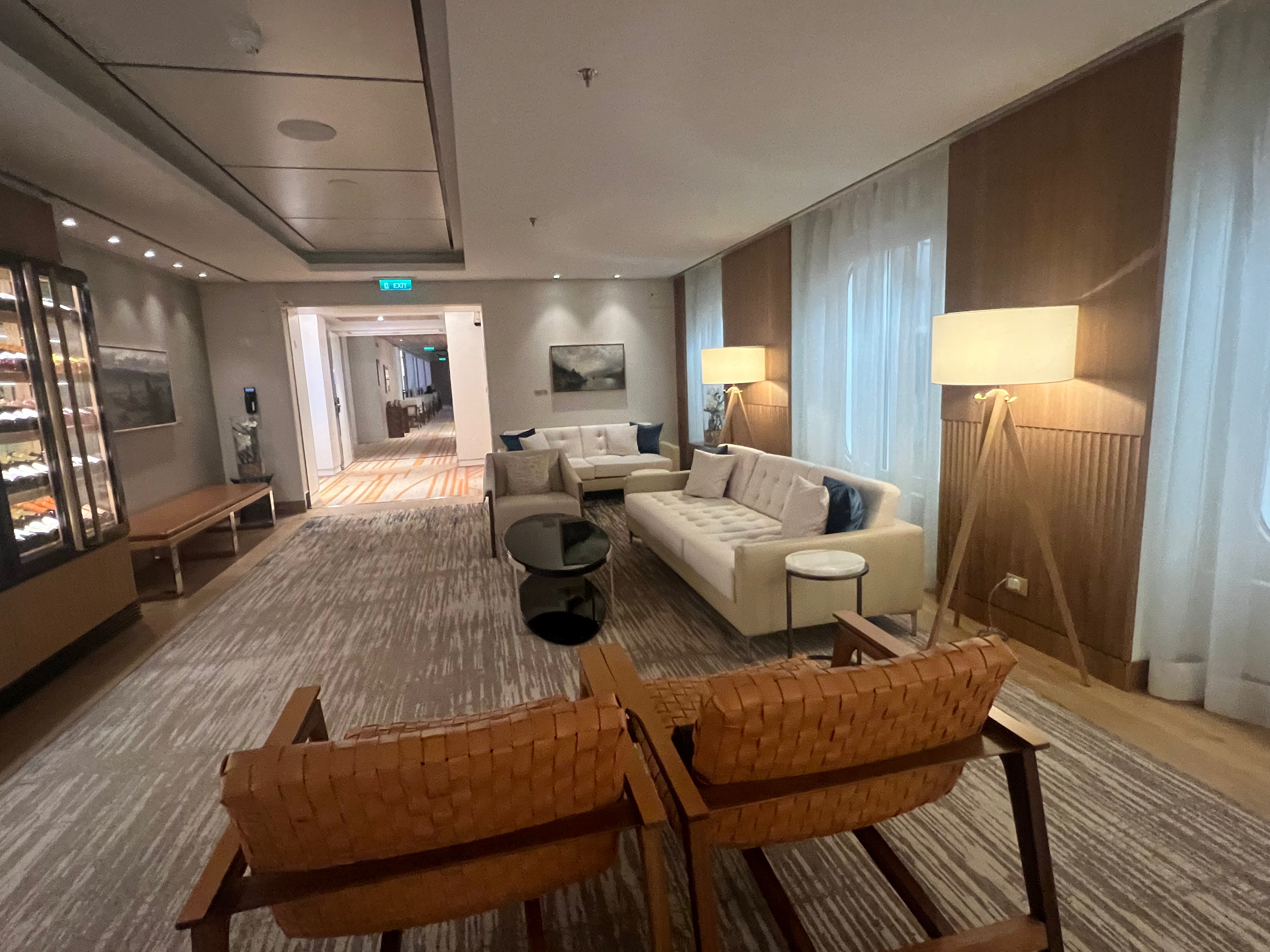
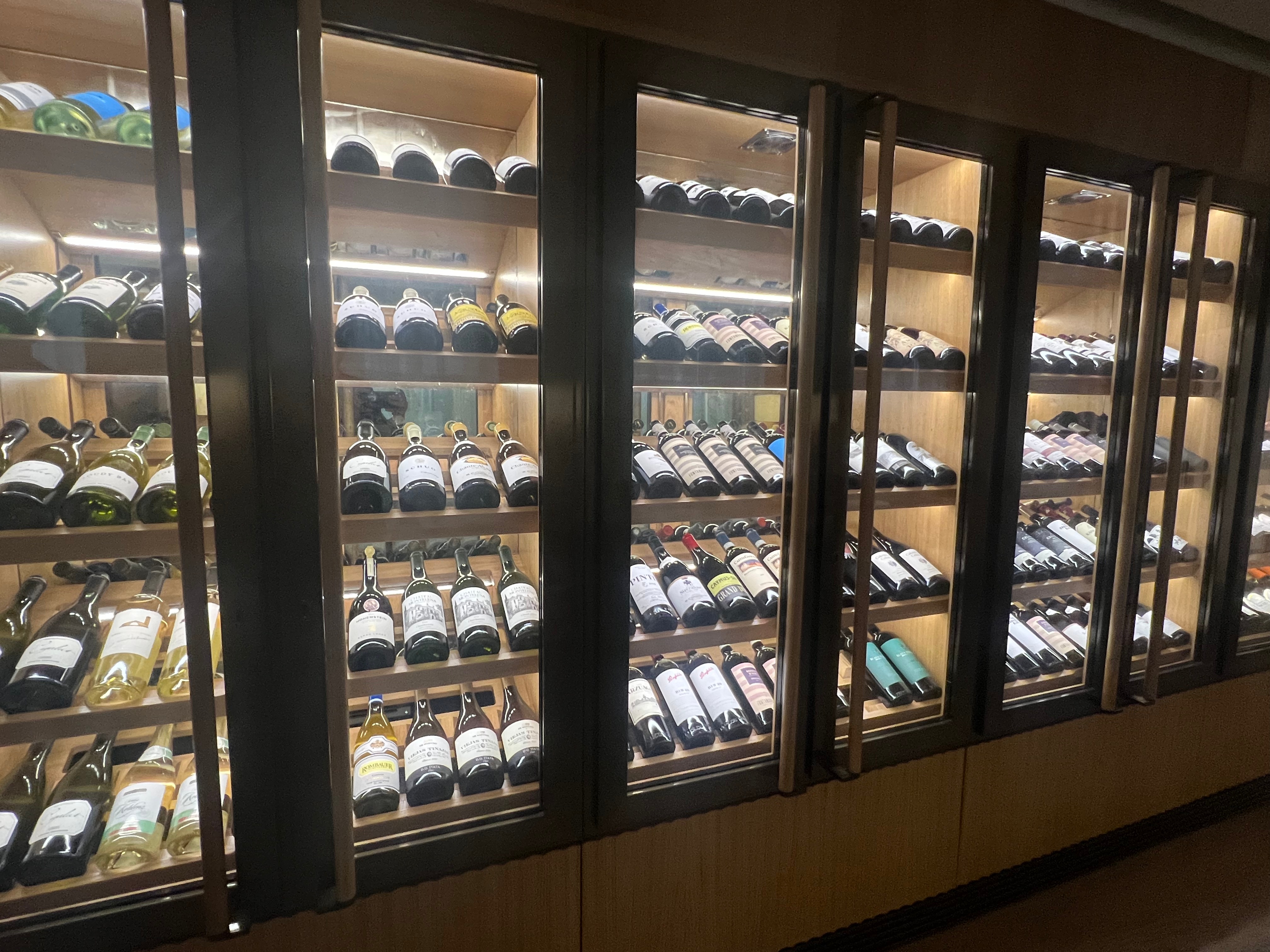
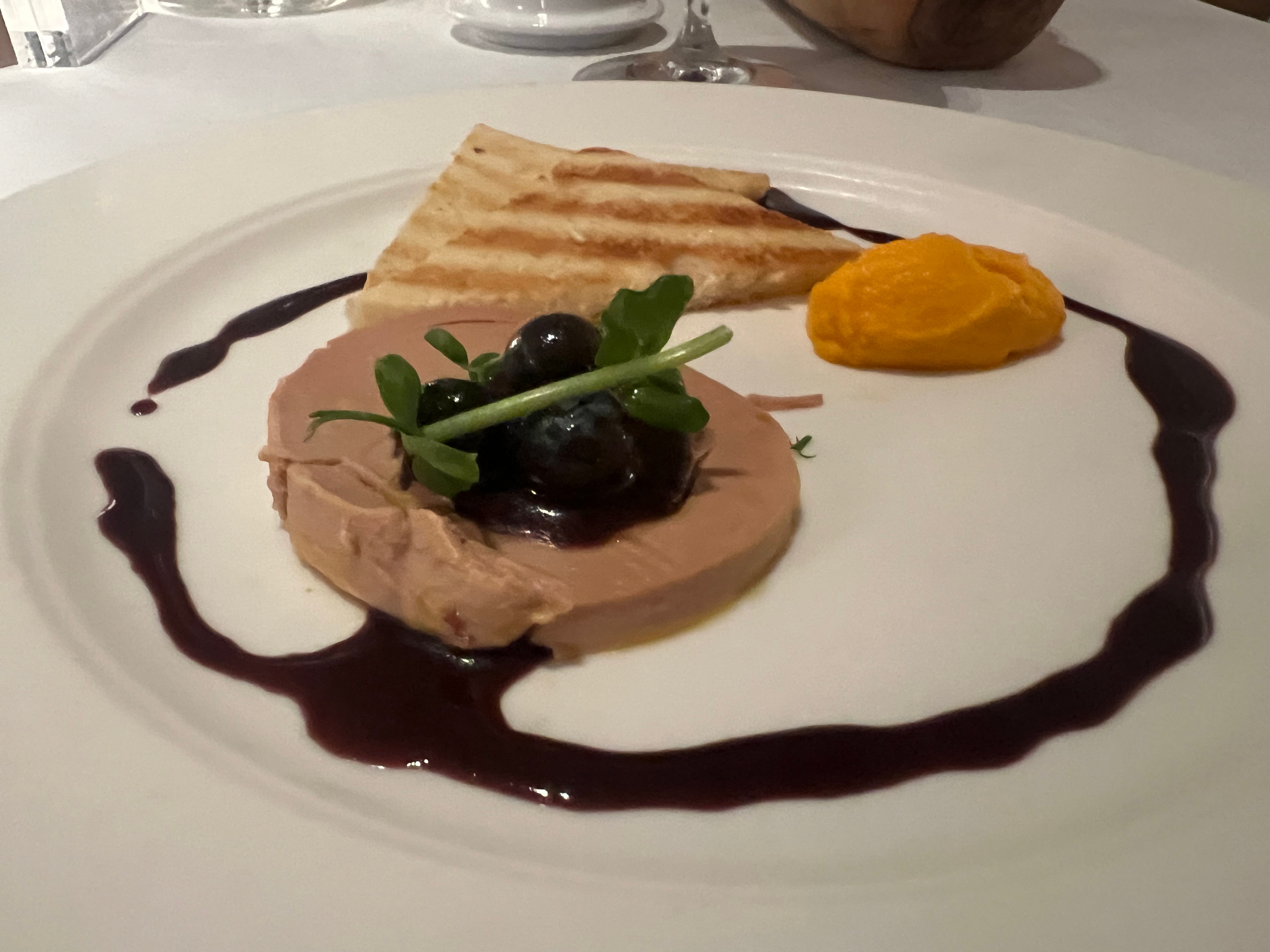
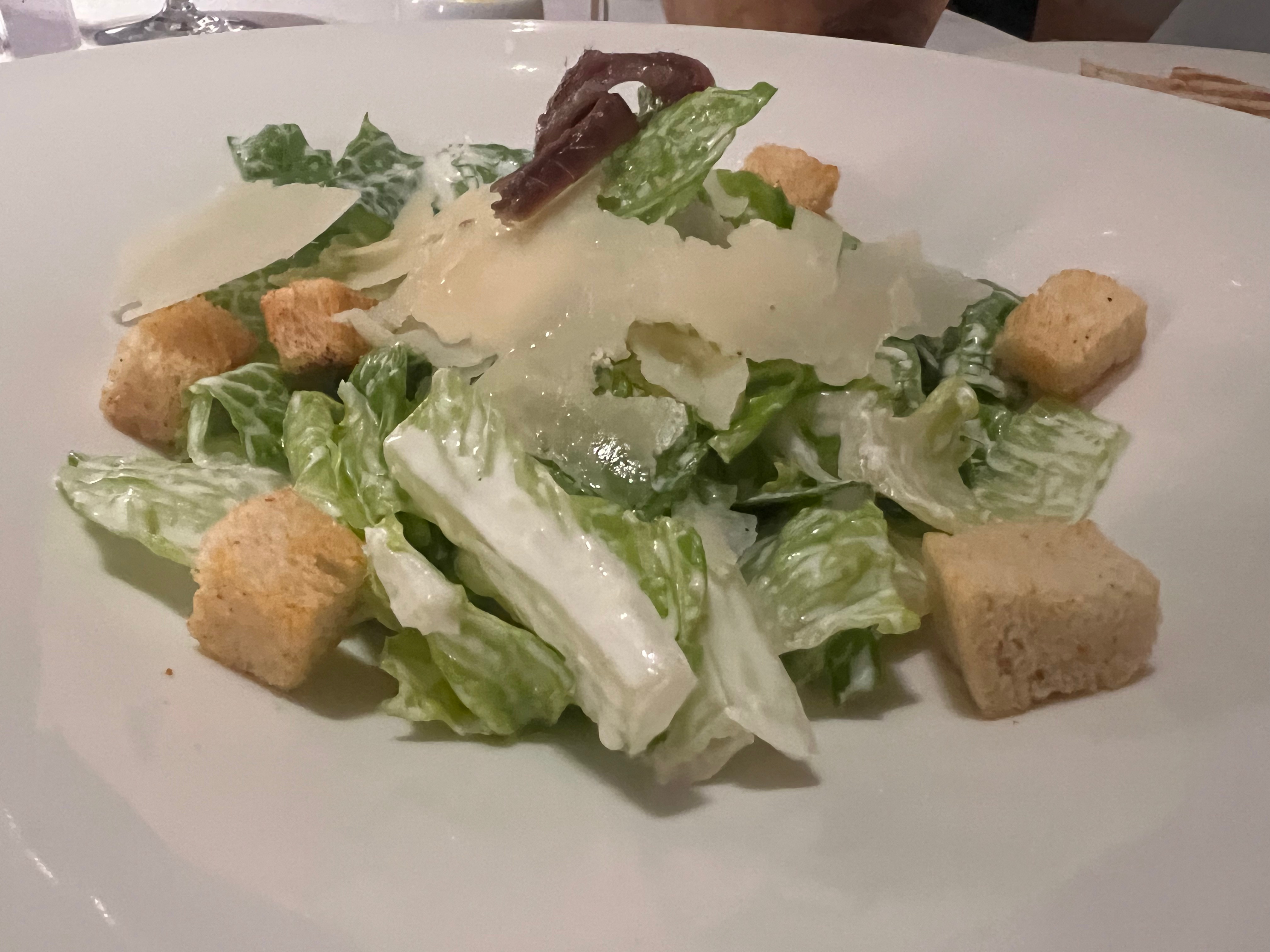
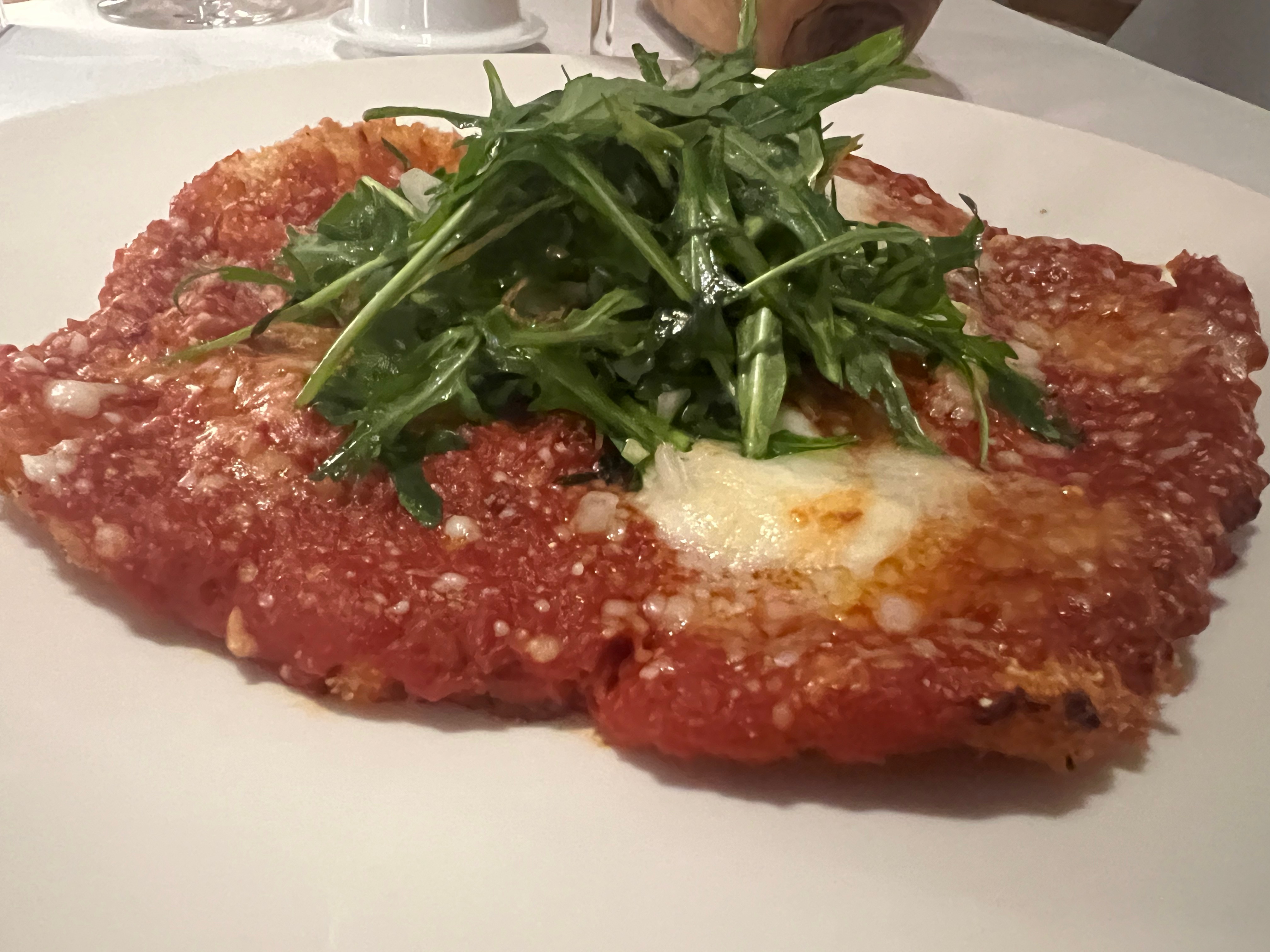
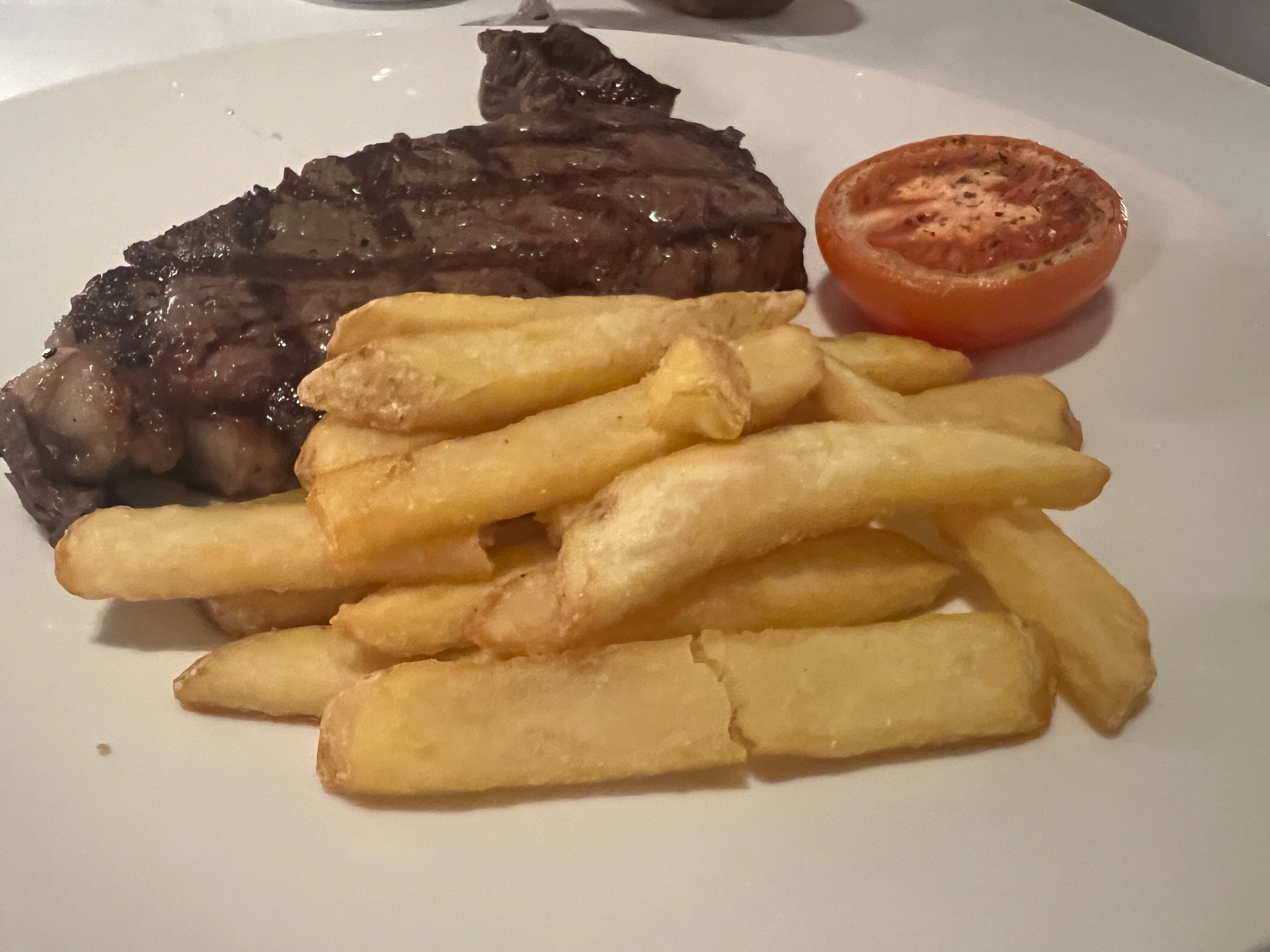
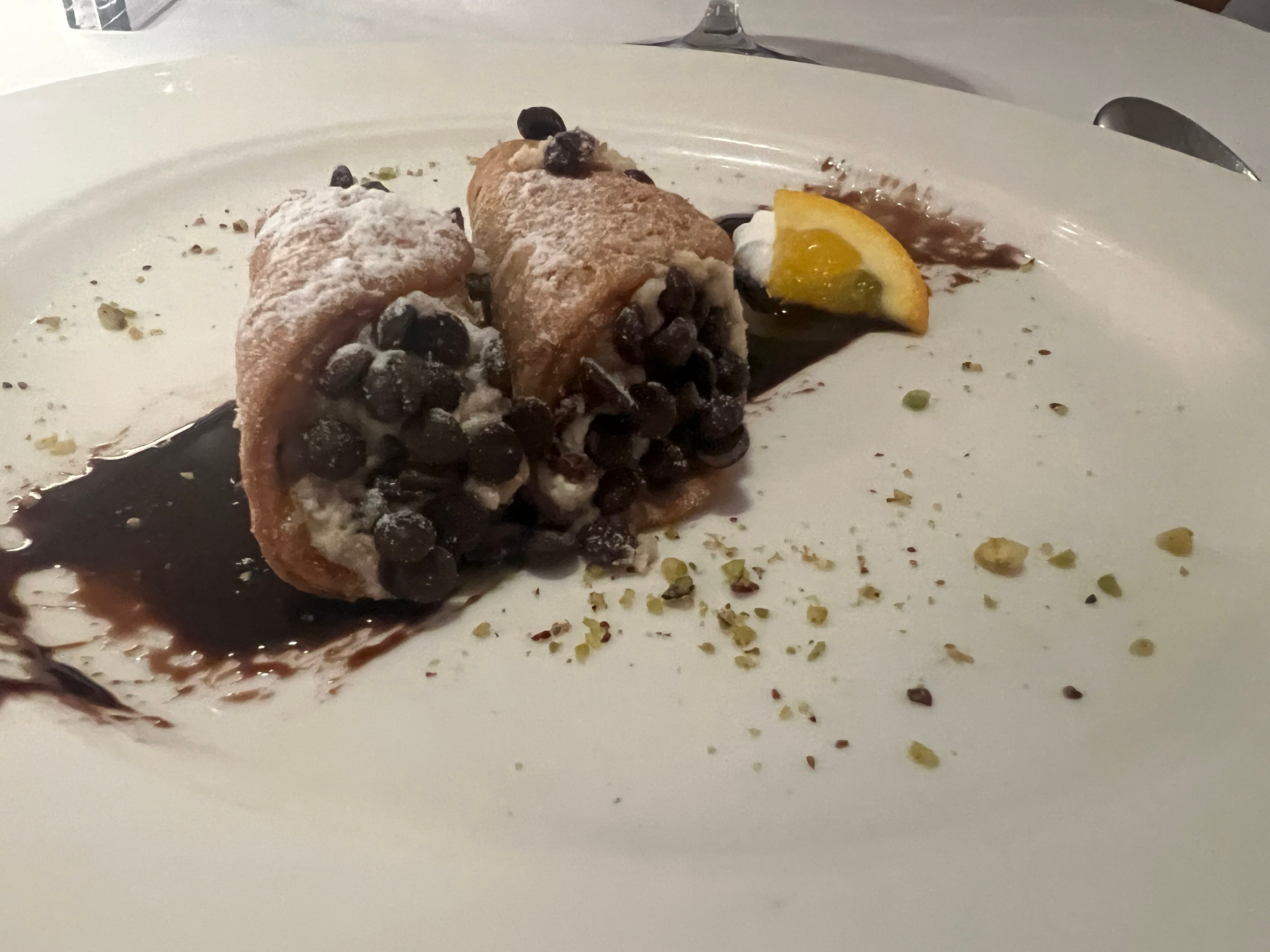
Click here to see a successful dining experience in THE RESTAURANT: https://youtu.be/GJq4RFtx1cc?si=WA0jUlNlc3Gh3_B_
Service mirrored the food: functional, routine, and oddly detached. The question “How was your…?” was often delivered as a formality rather than an invitation to respond. Occasionally, a waiter shone — warm, engaged, genuinely attentive — but those moments felt like pleasant surprises rather than the standard. Management seemed more interested in fishing for compliments than encouraging honest feedback.
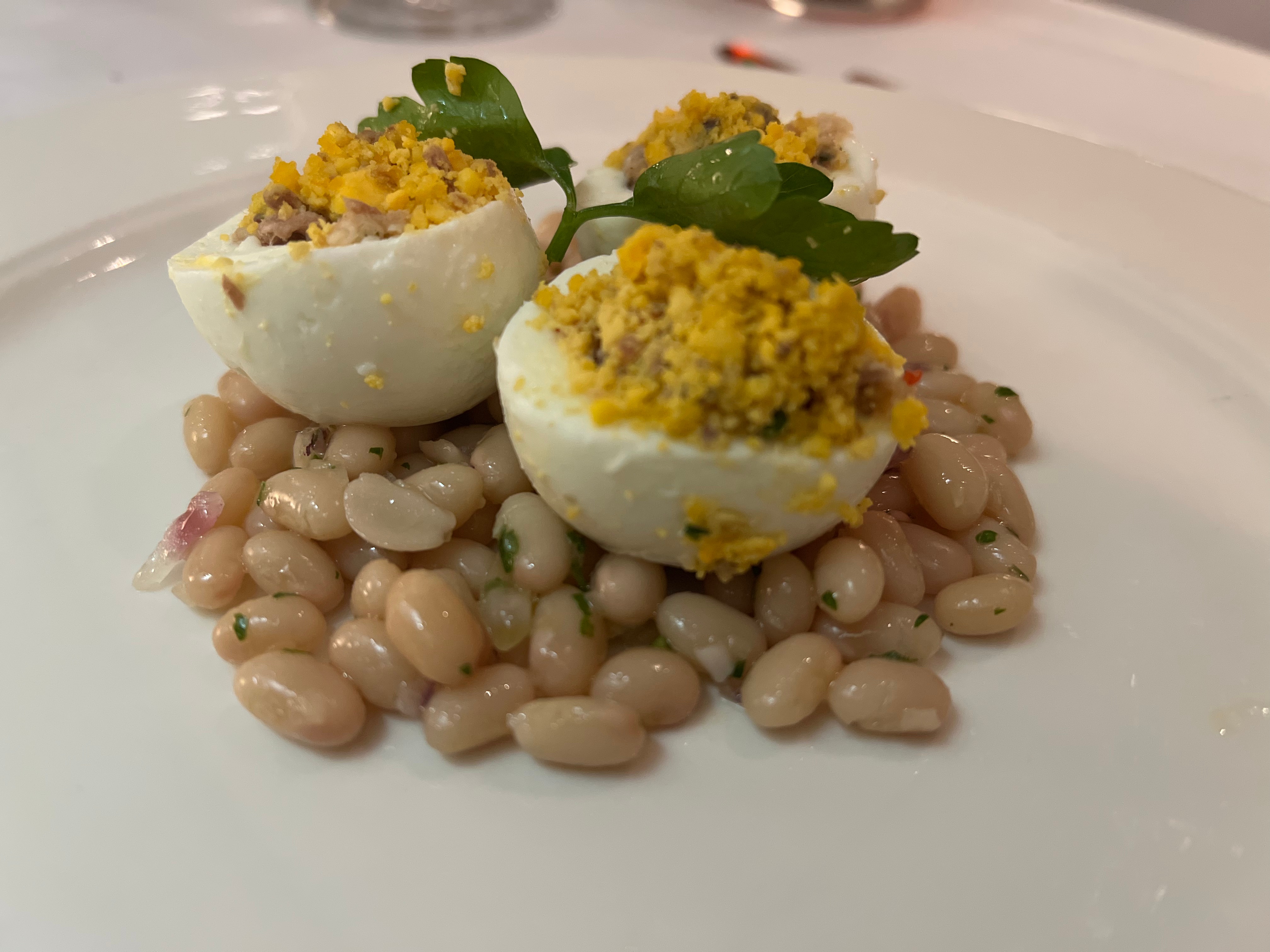
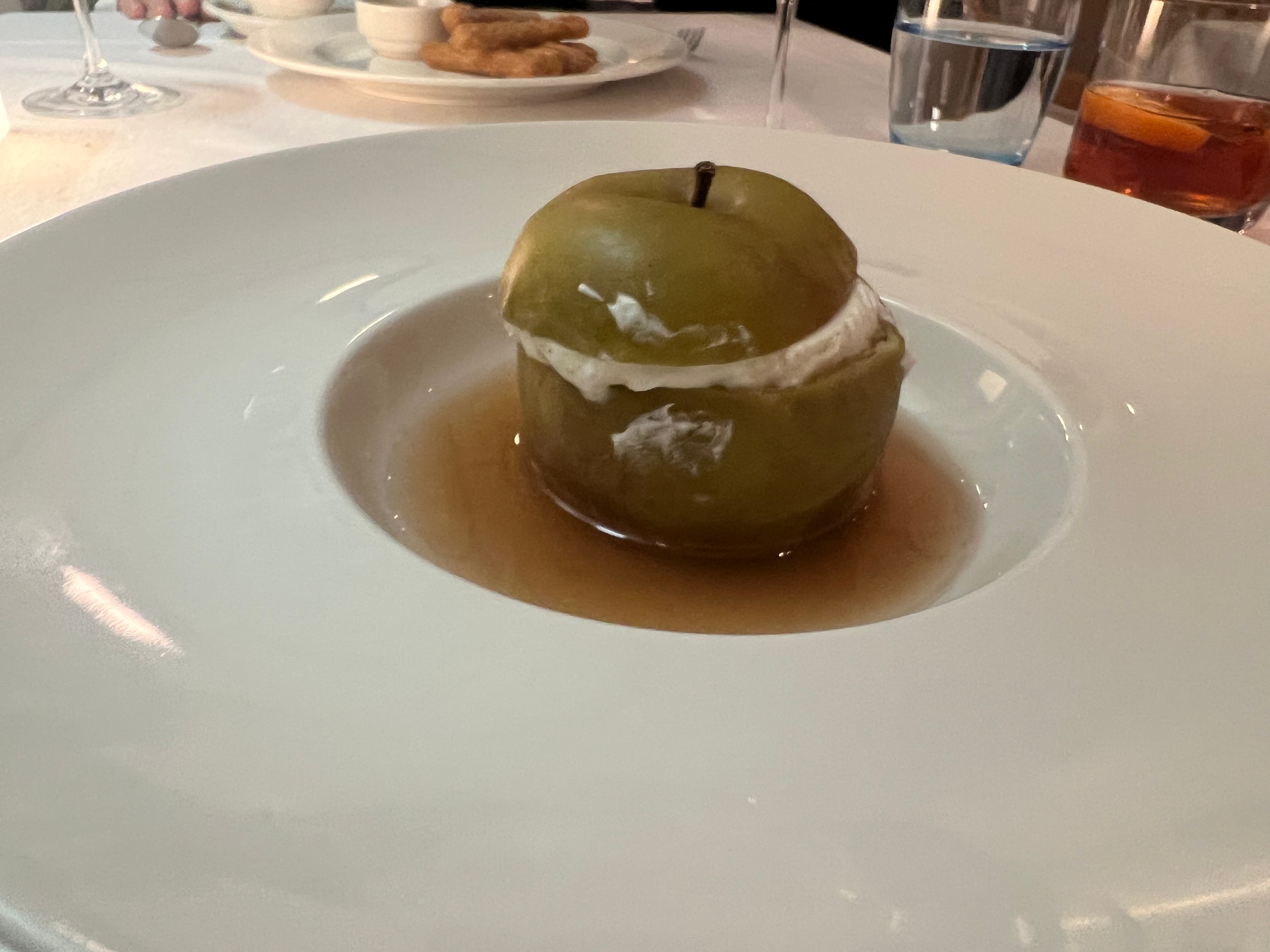
Click here to see how you can loose weight on board Viking Vela: https://youtu.be/UINe-vXPTHQ?si=7-R5aE2vDjDiVNn5
Overall, The Restaurant felt far closer to a mainstream cruise dining room than the premium experience Viking promises.
Here comes the plot twist.
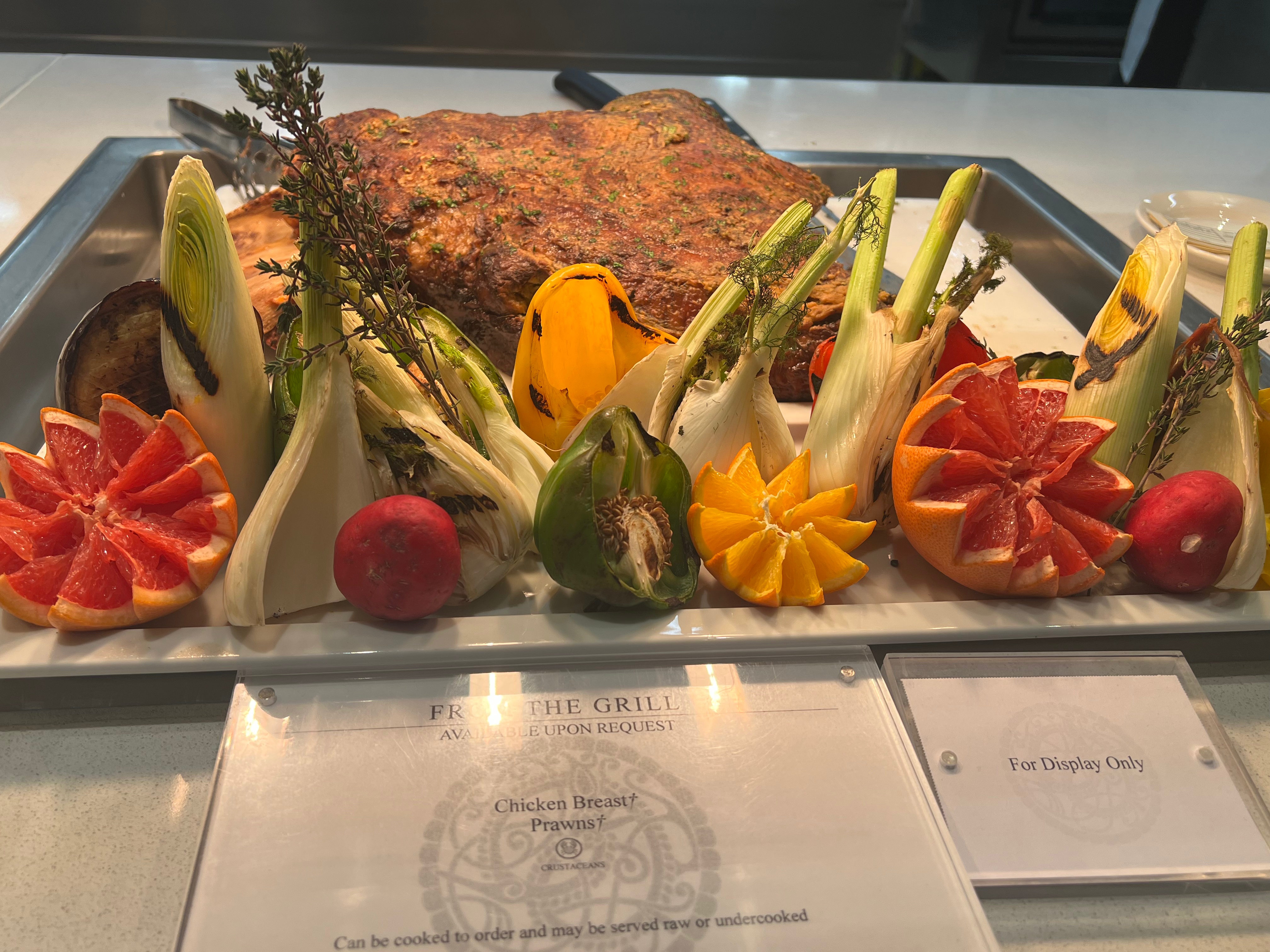
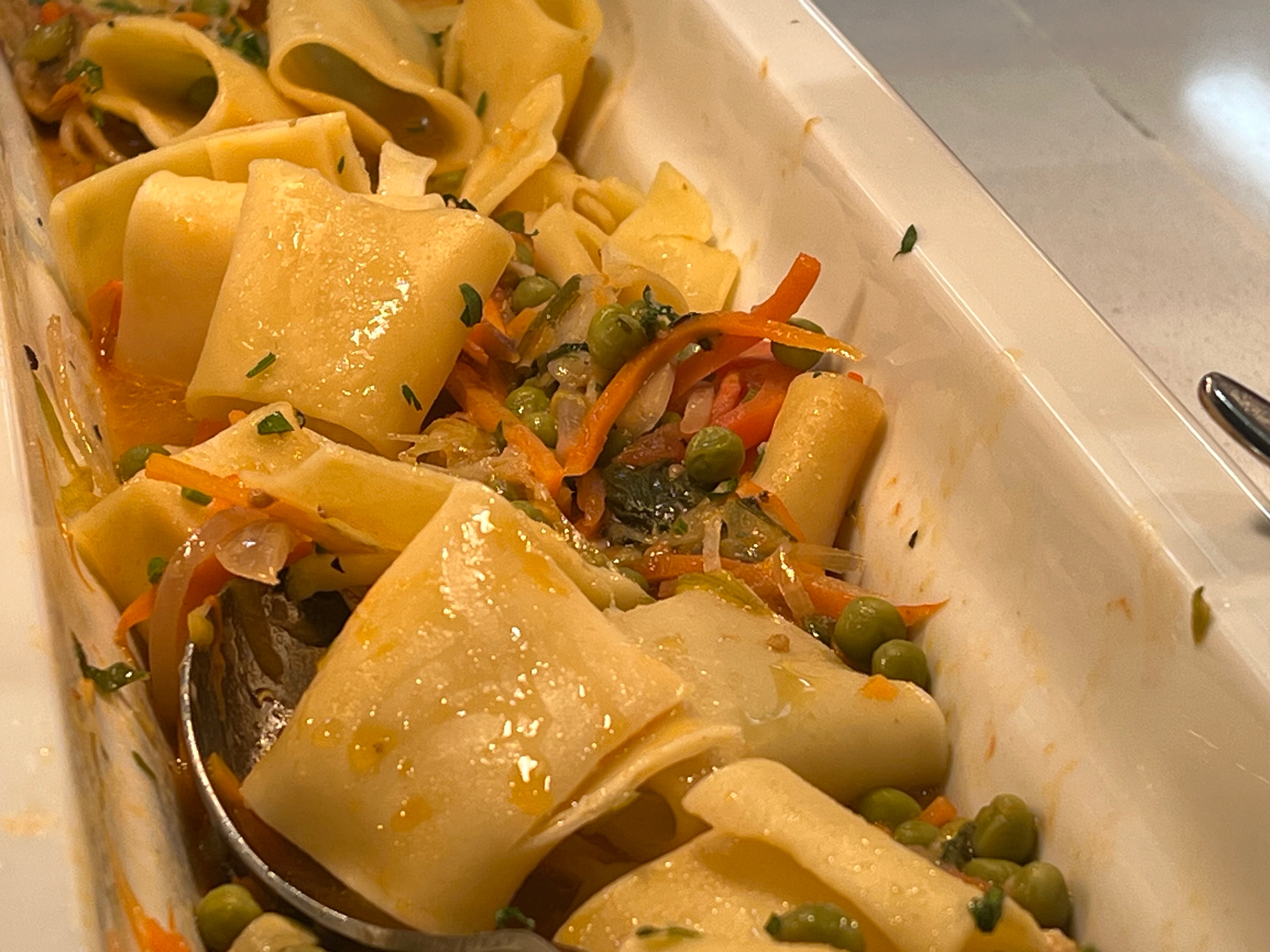
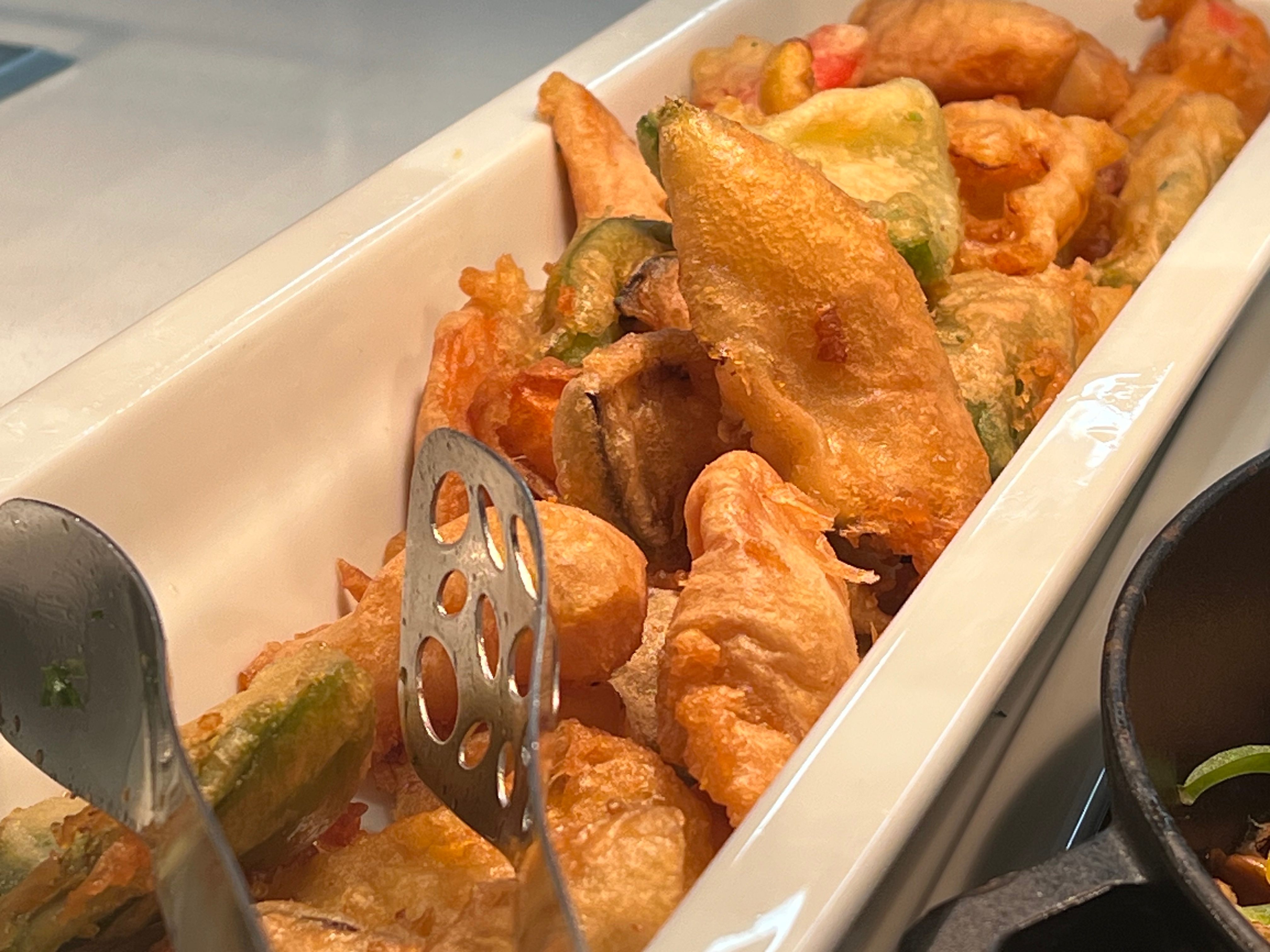
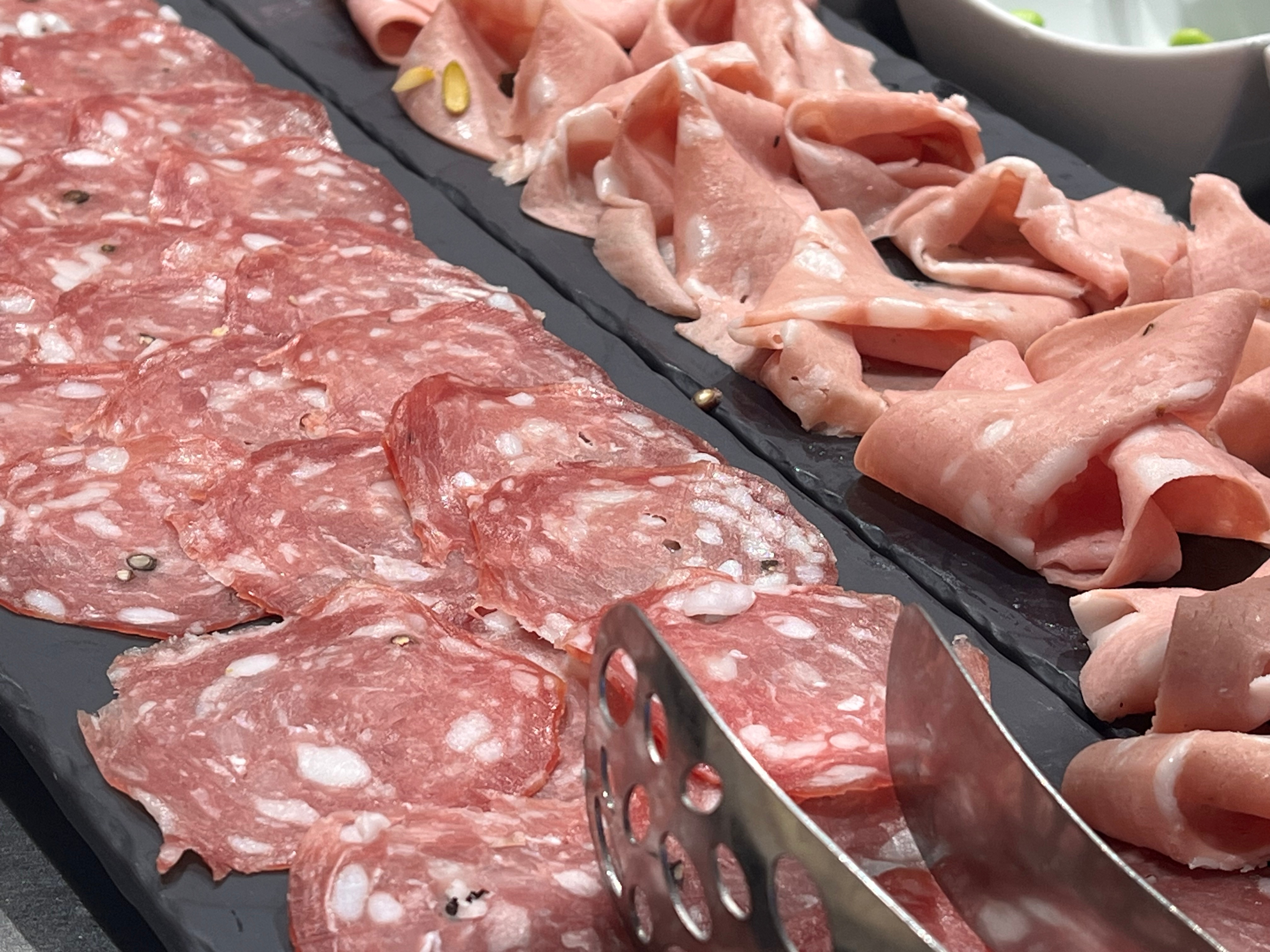
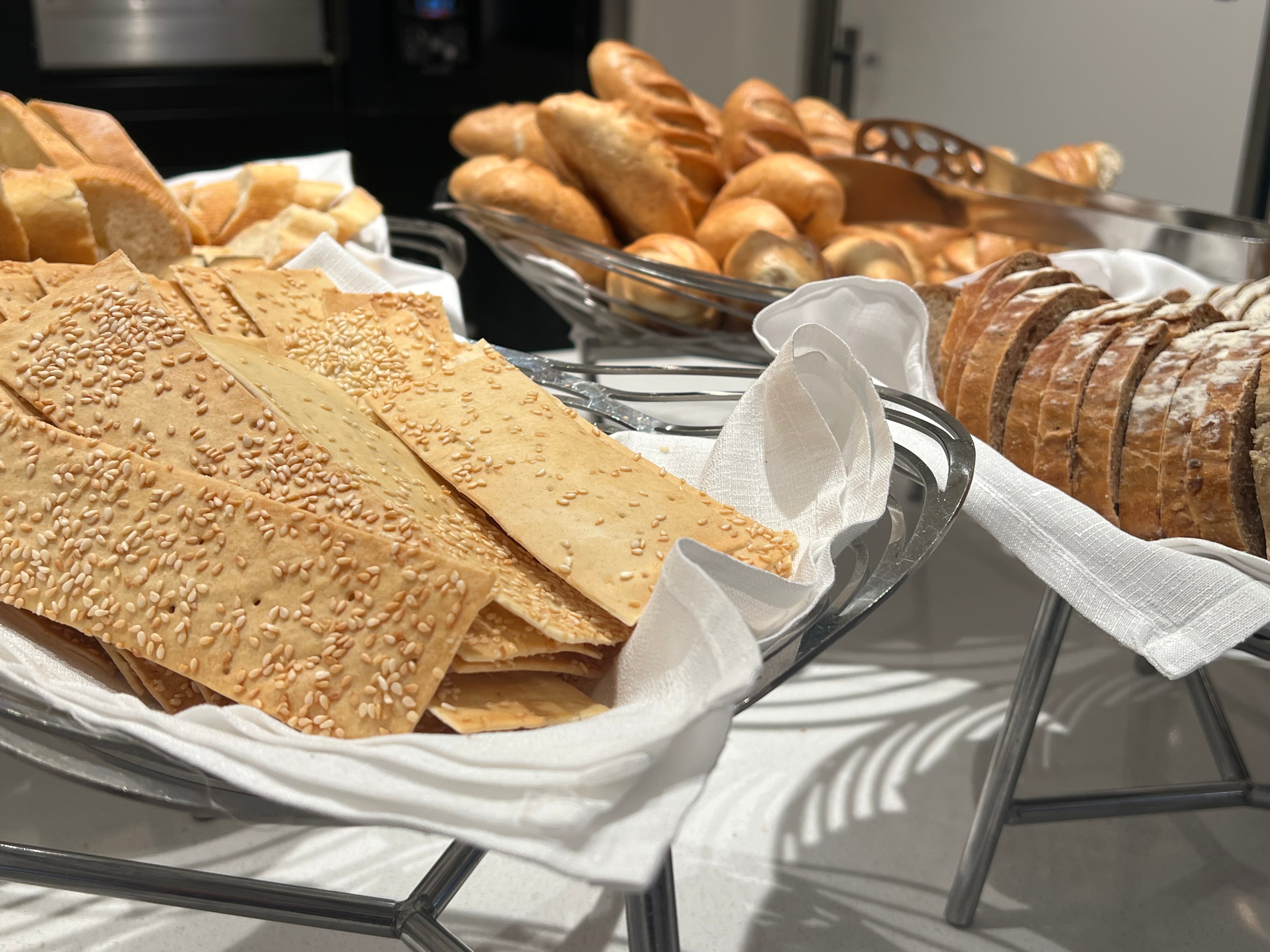
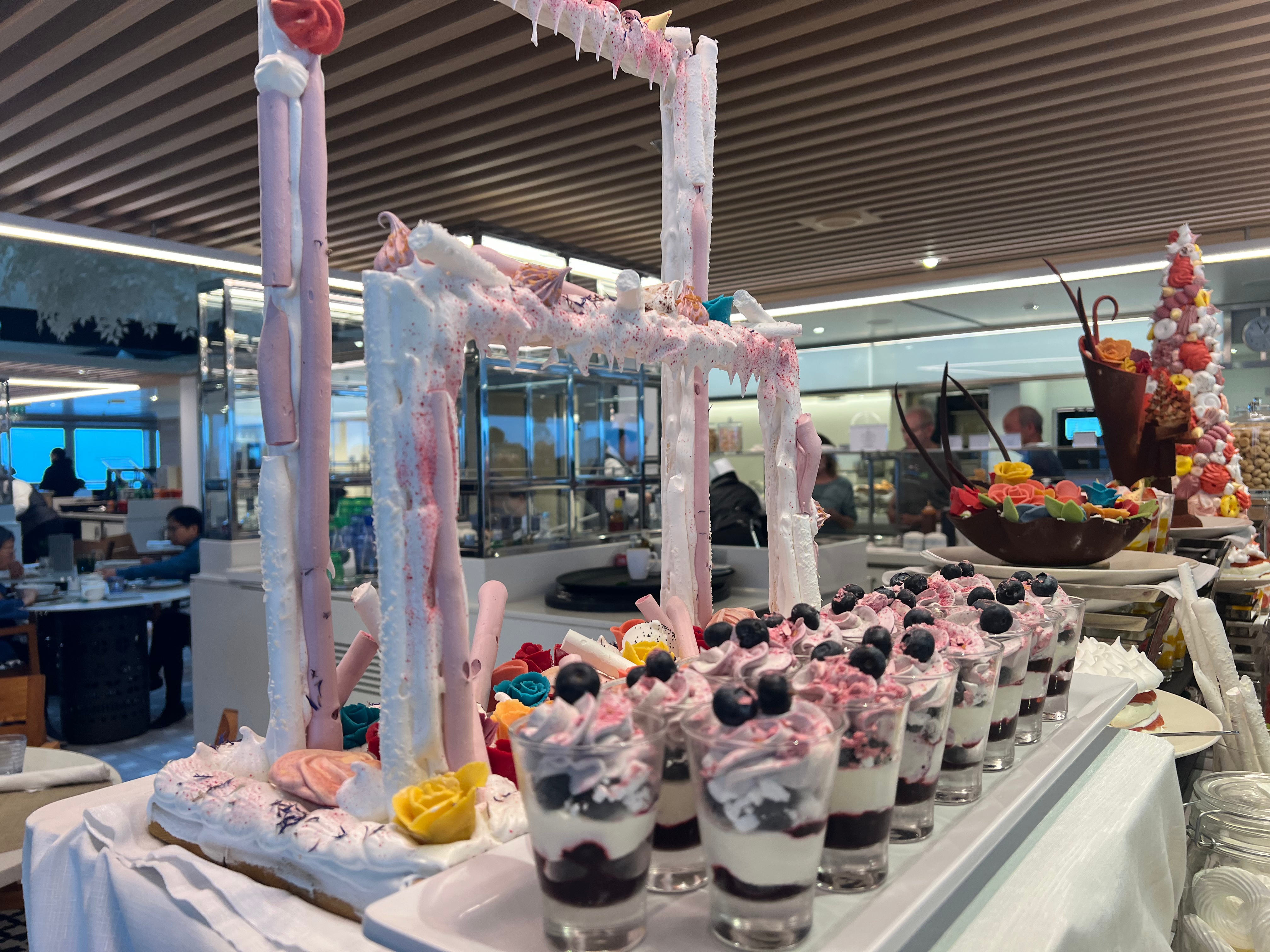
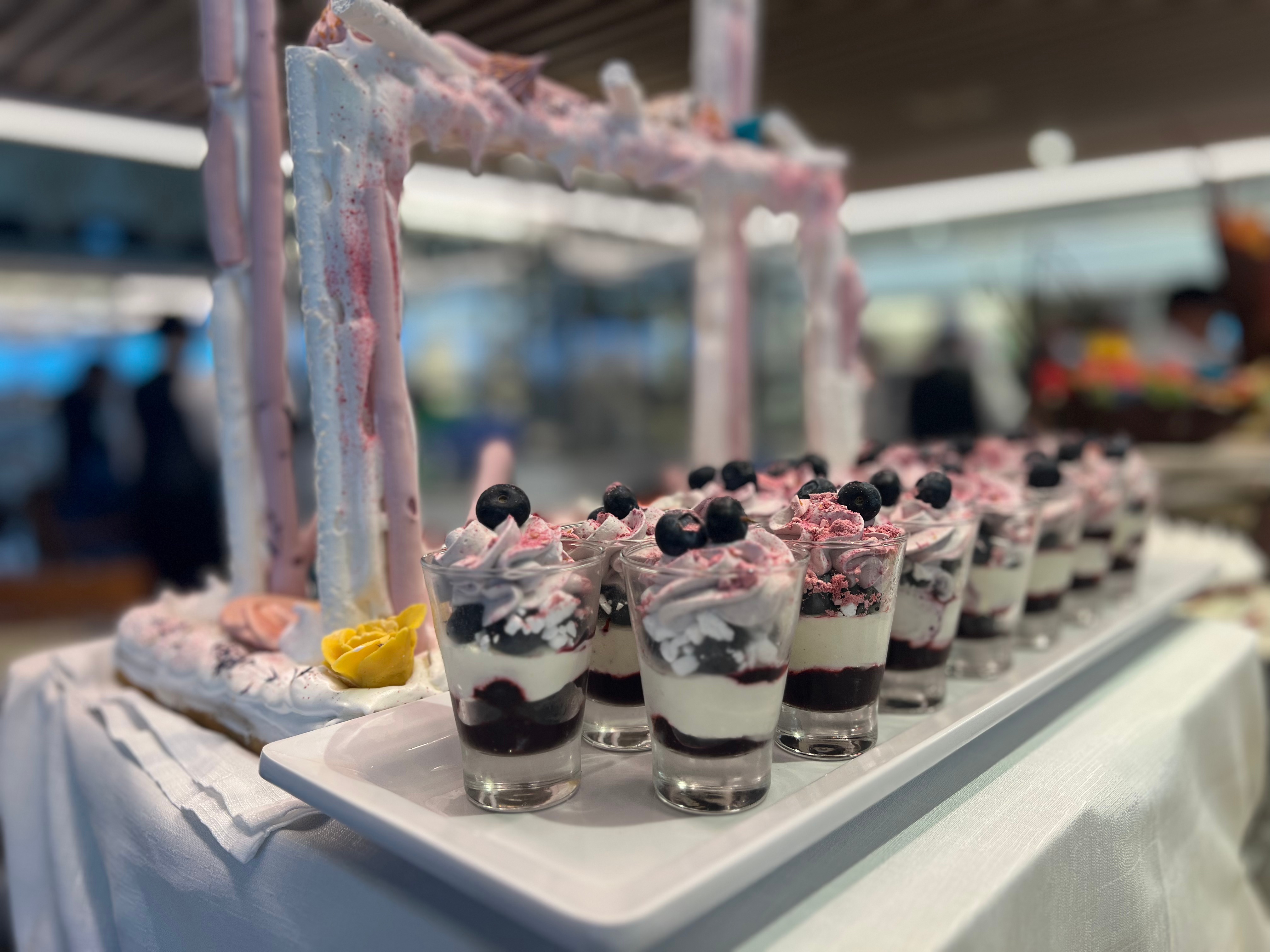
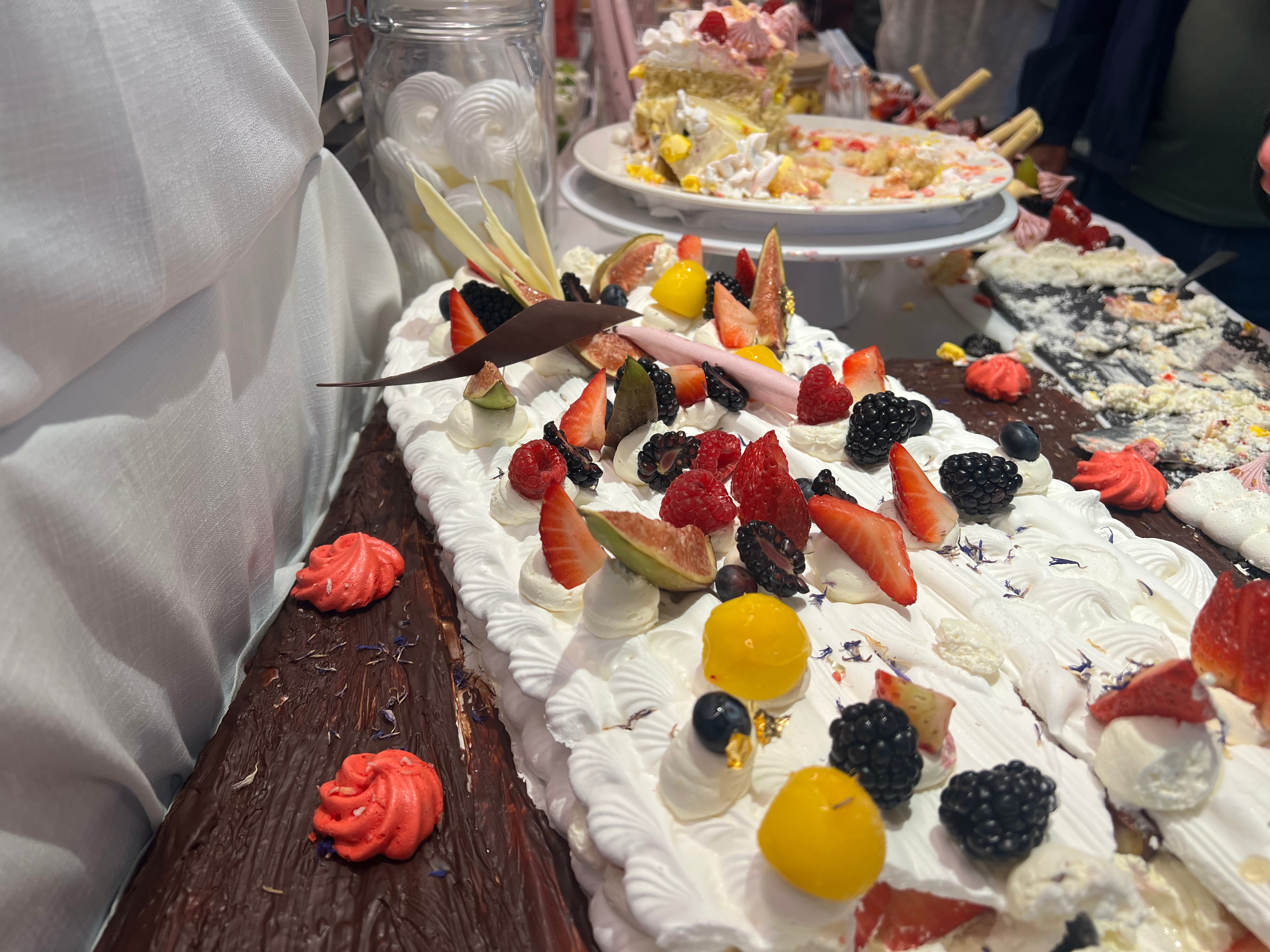
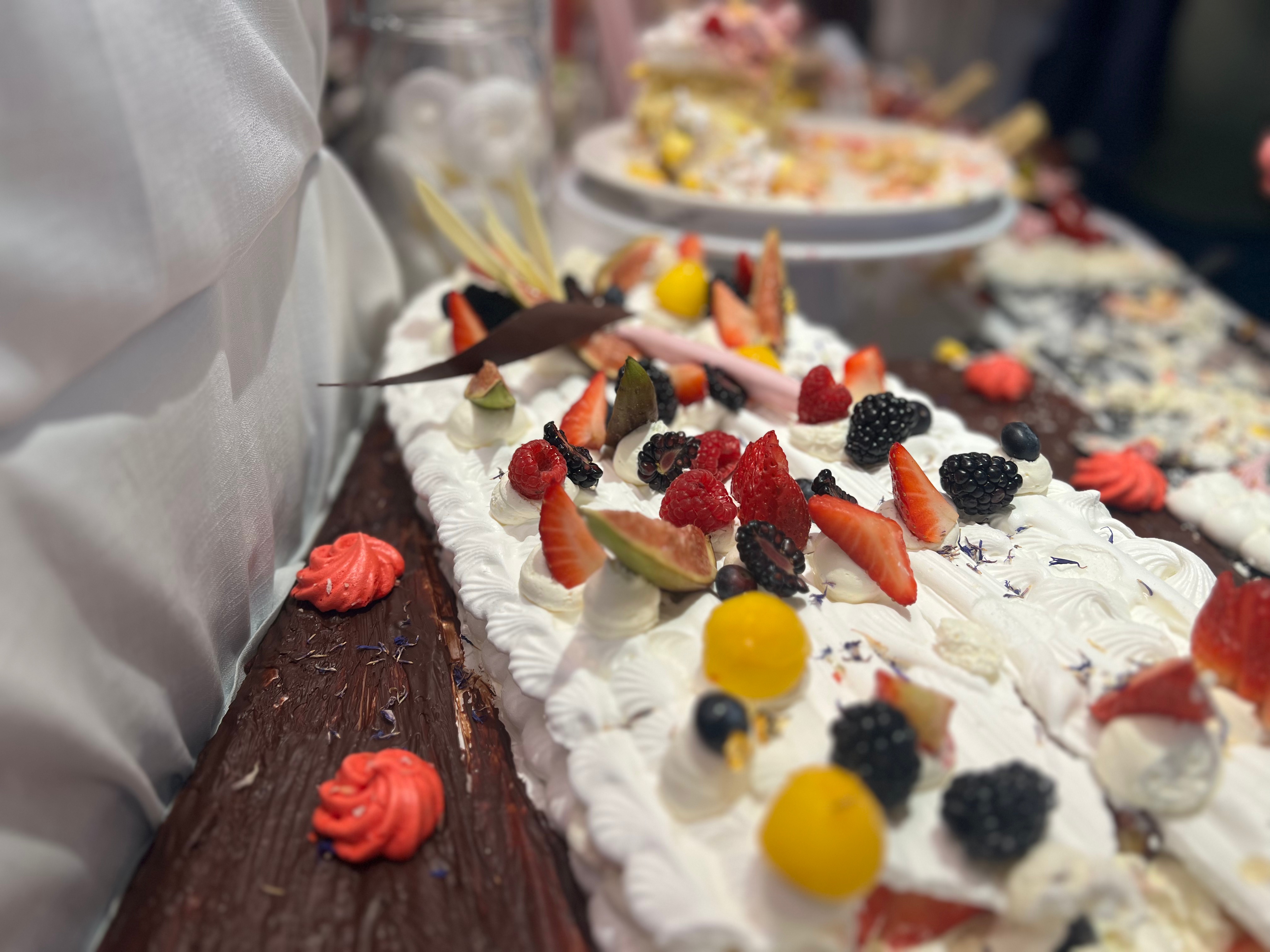
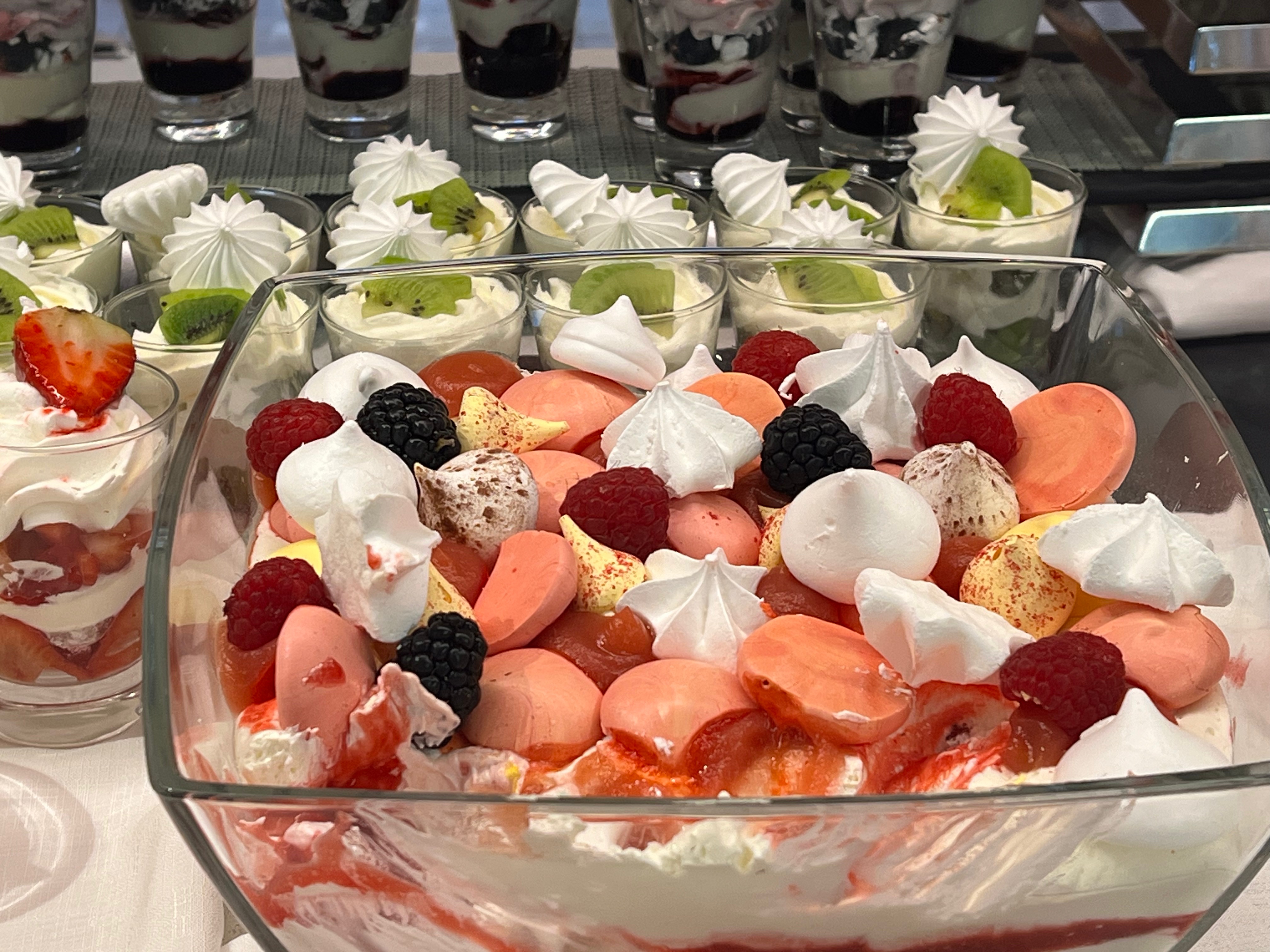
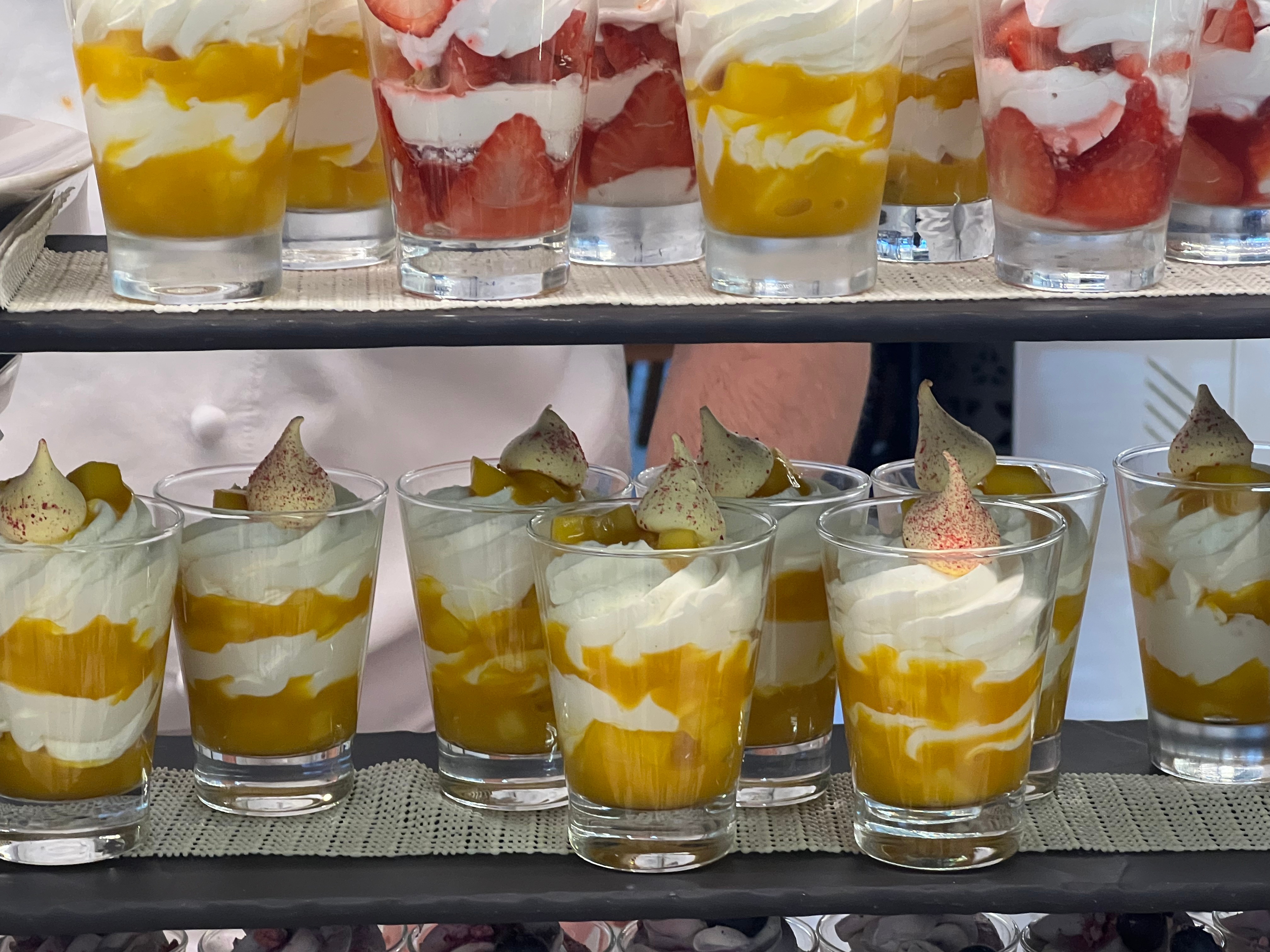
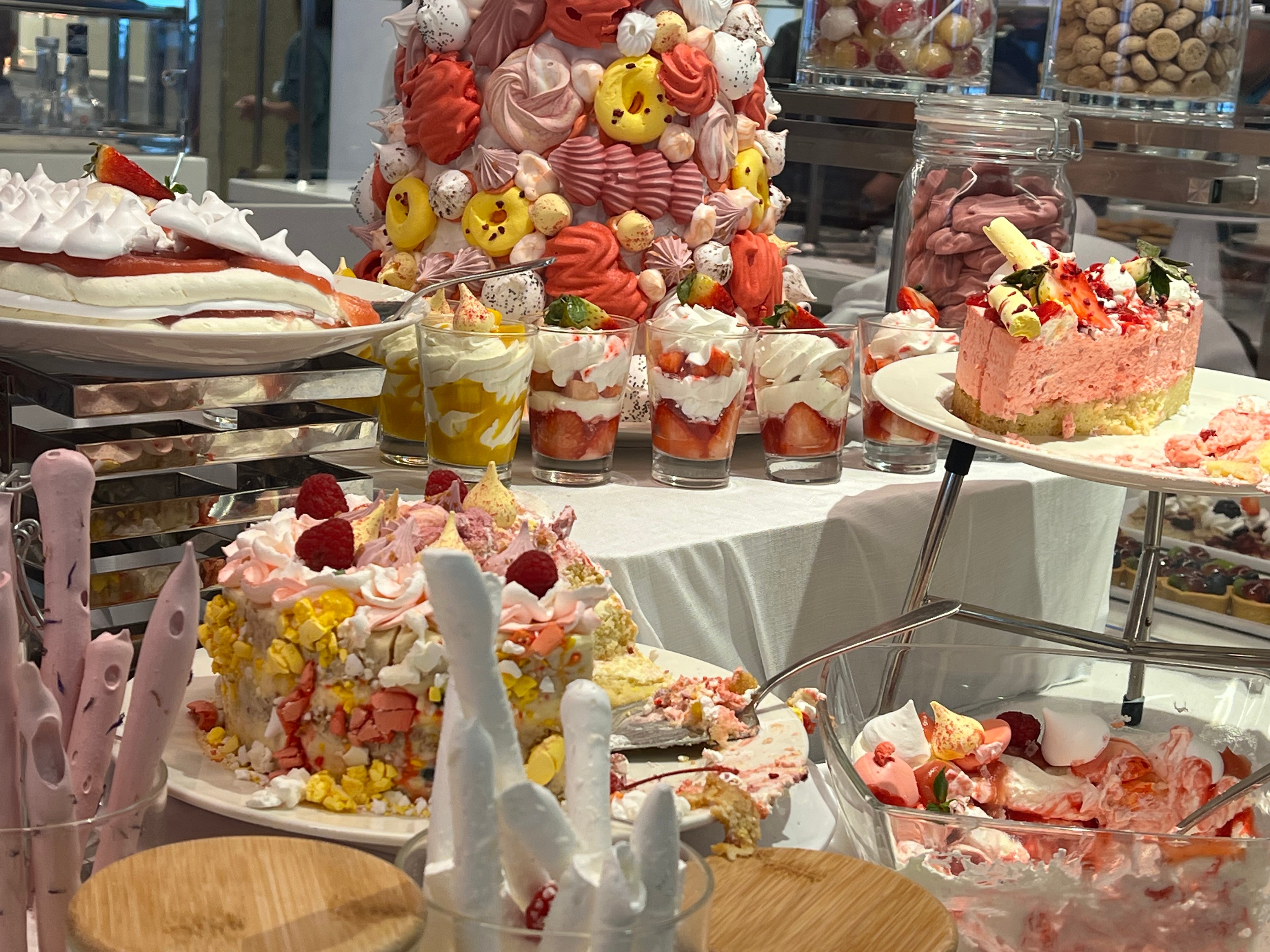
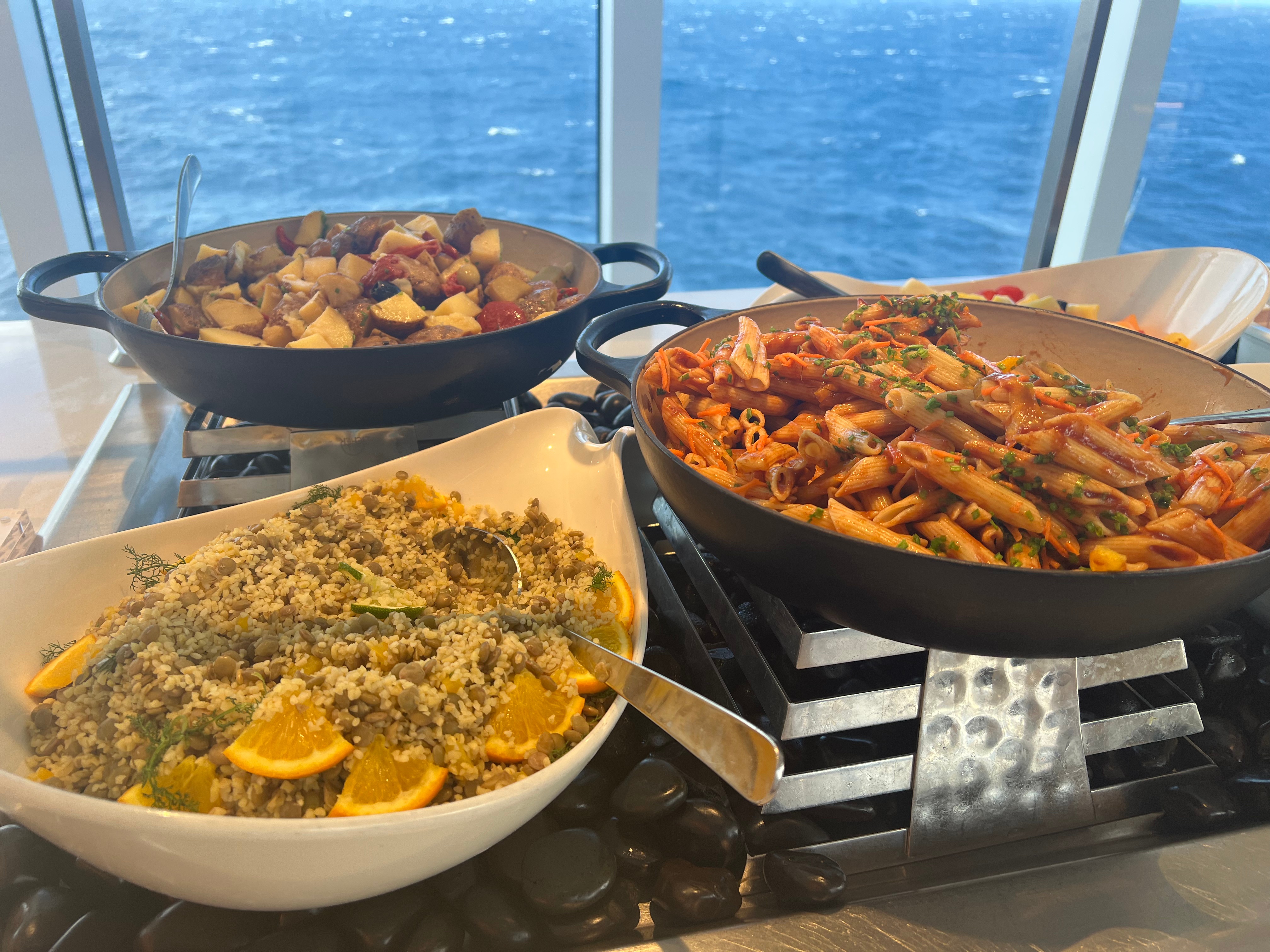
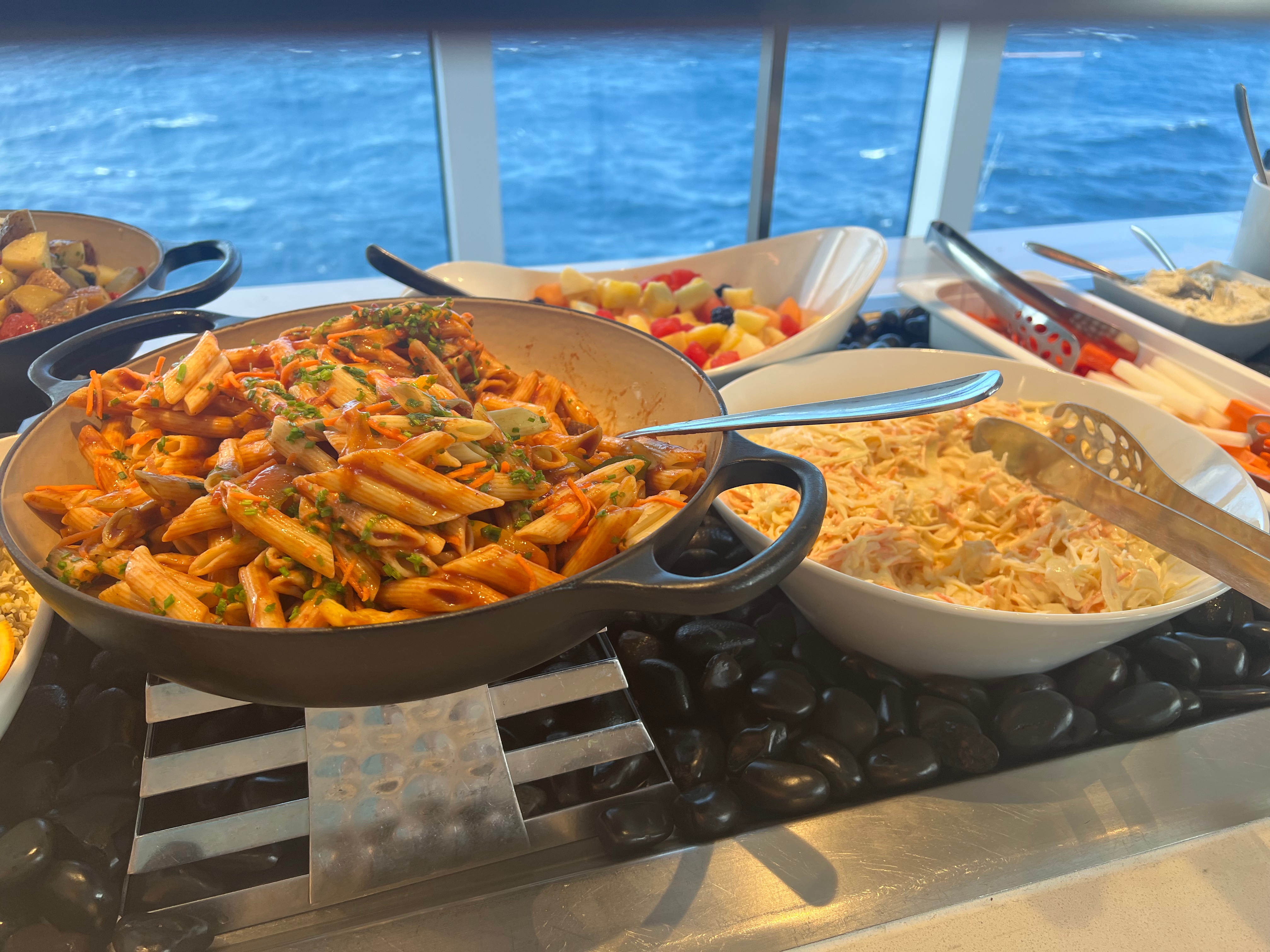
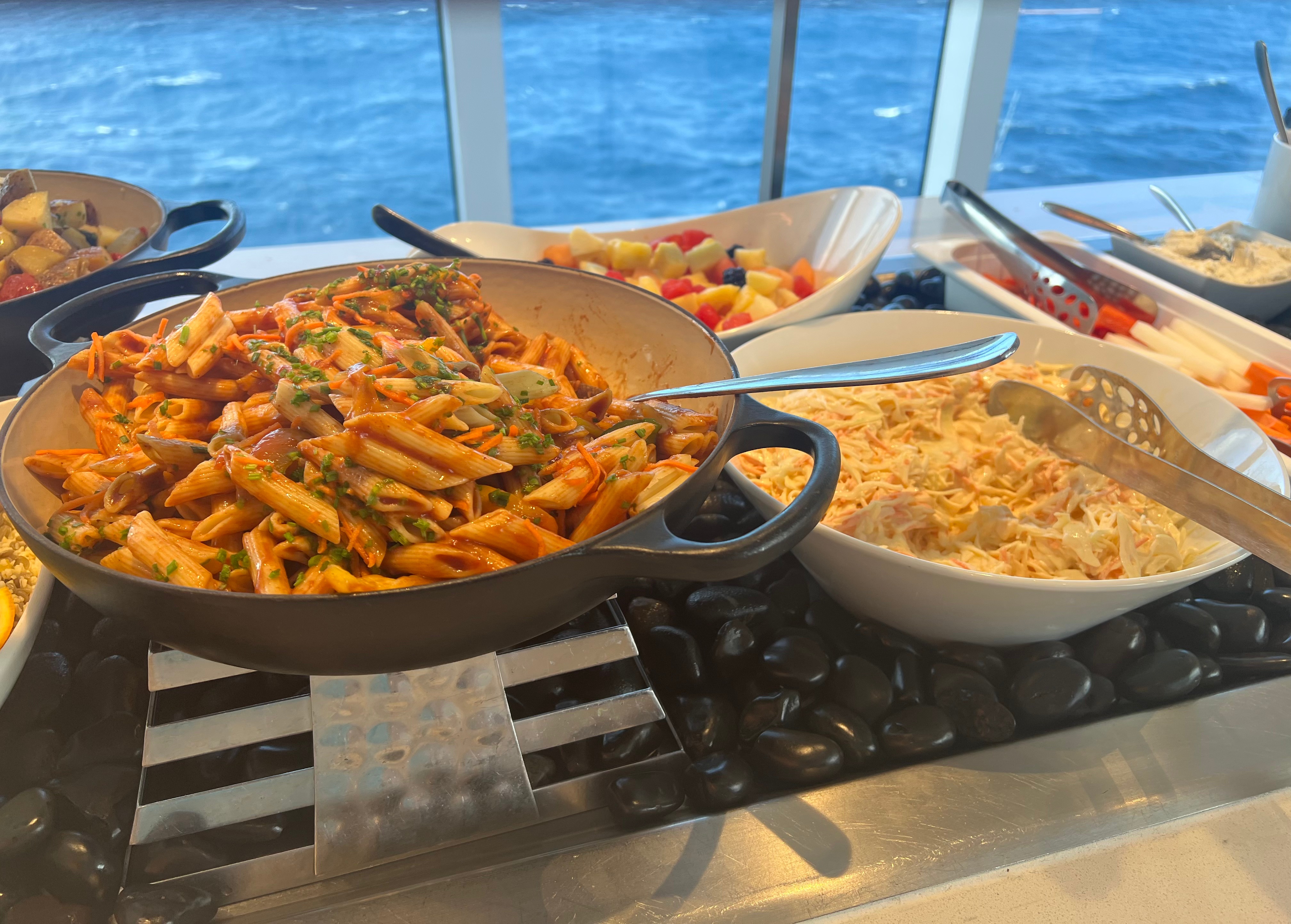
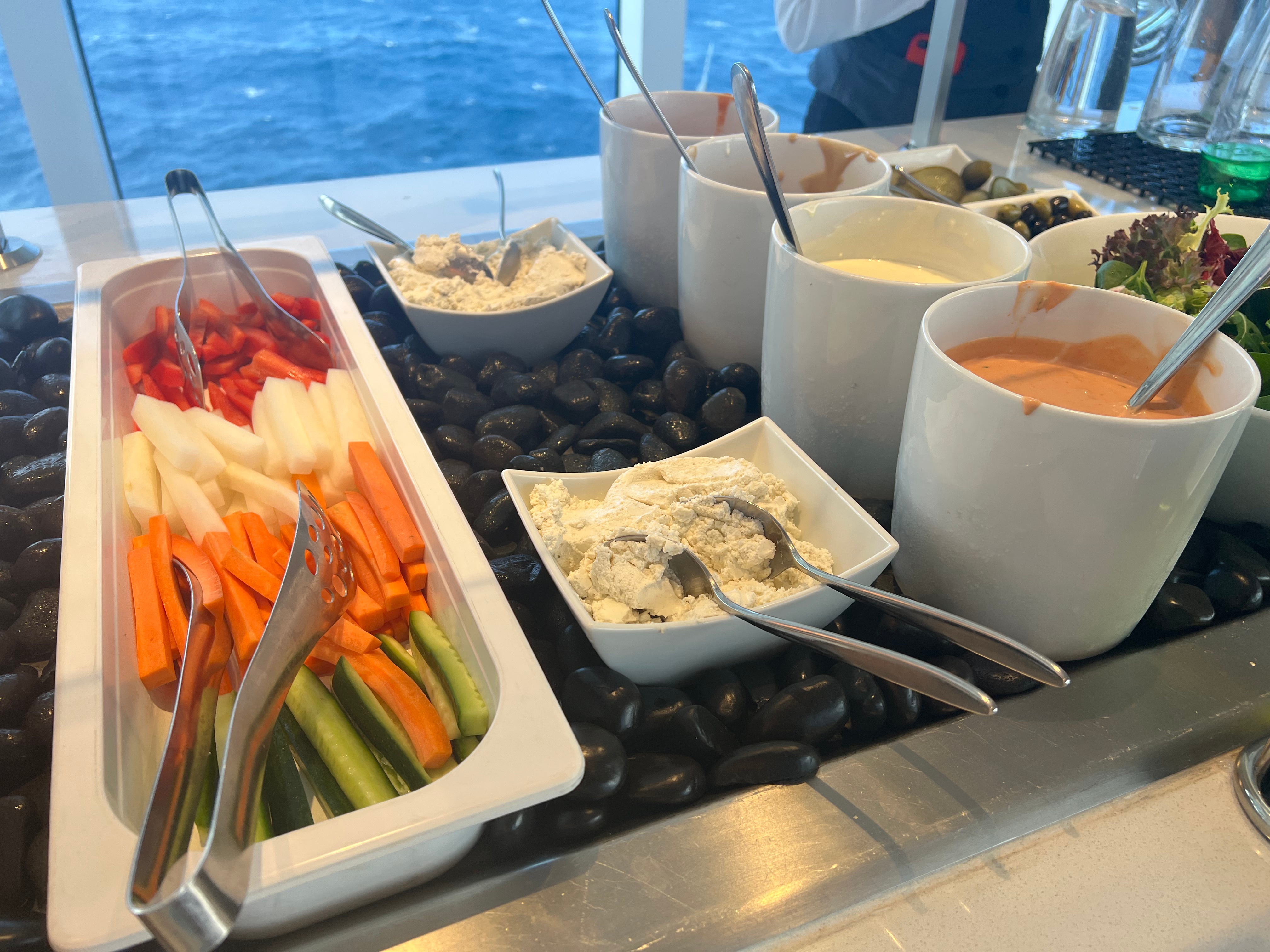
On almost every other cruise I’ve taken, the buffet has been the weakest link of the culinary offering. On Viking Vela, it was quite the opposite.
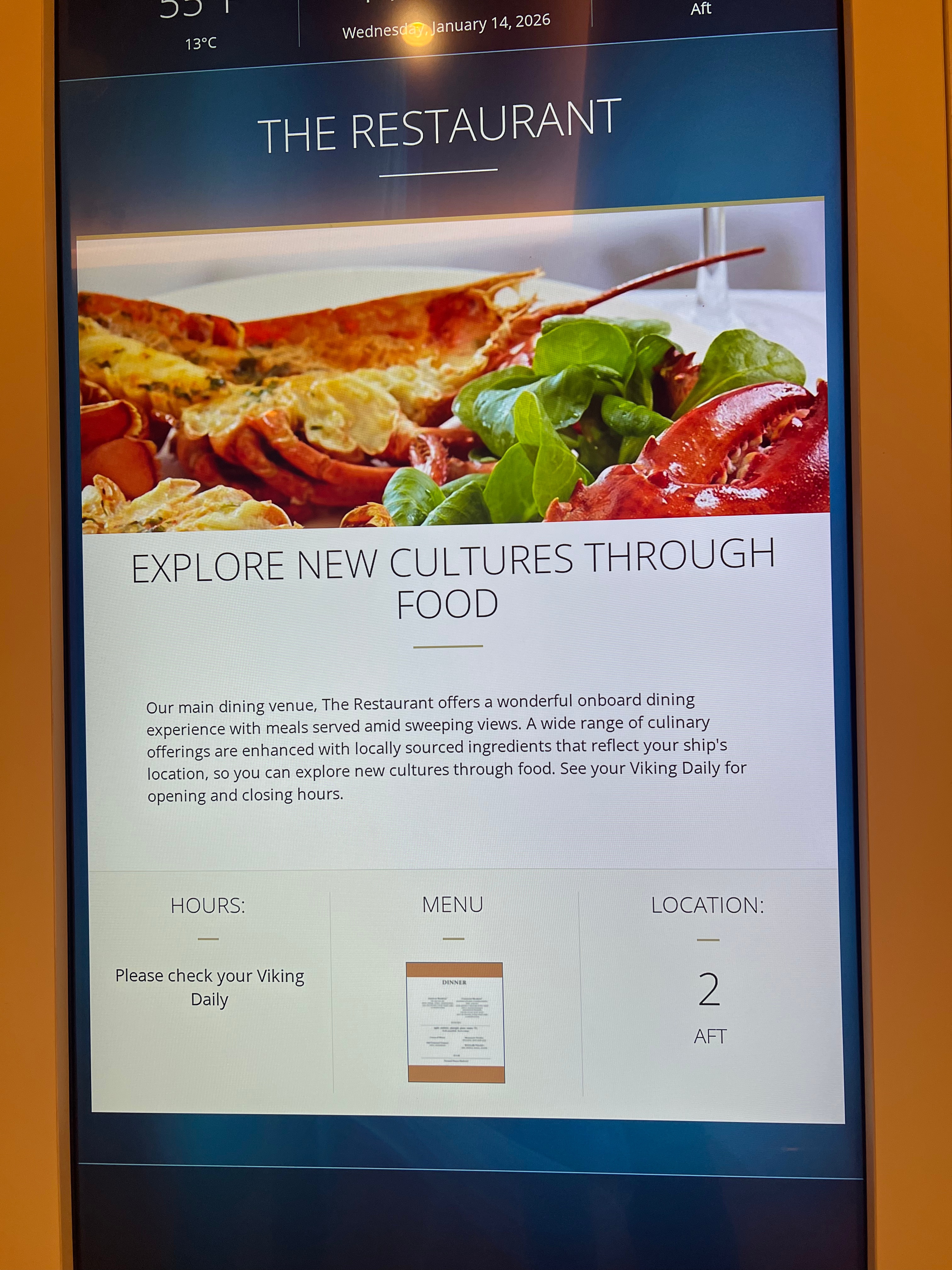
The World Café, located on Deck 7, operates as a buffet-style venue for breakfast, lunch, and dinner — the only restaurant open for all meals. Thanks to its location, it also offers some of the best views onboard, especially near the Aquavit Terrace.
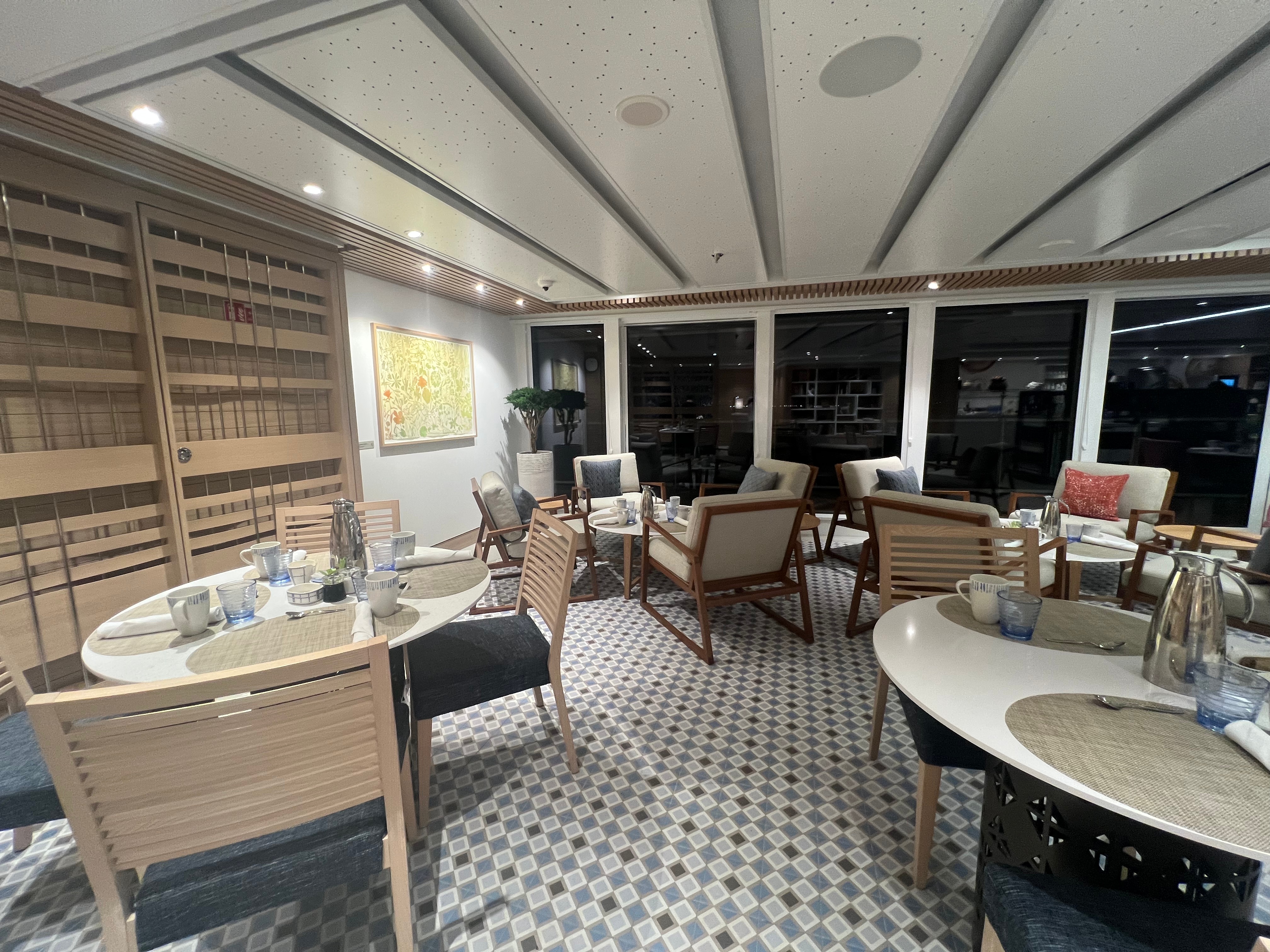
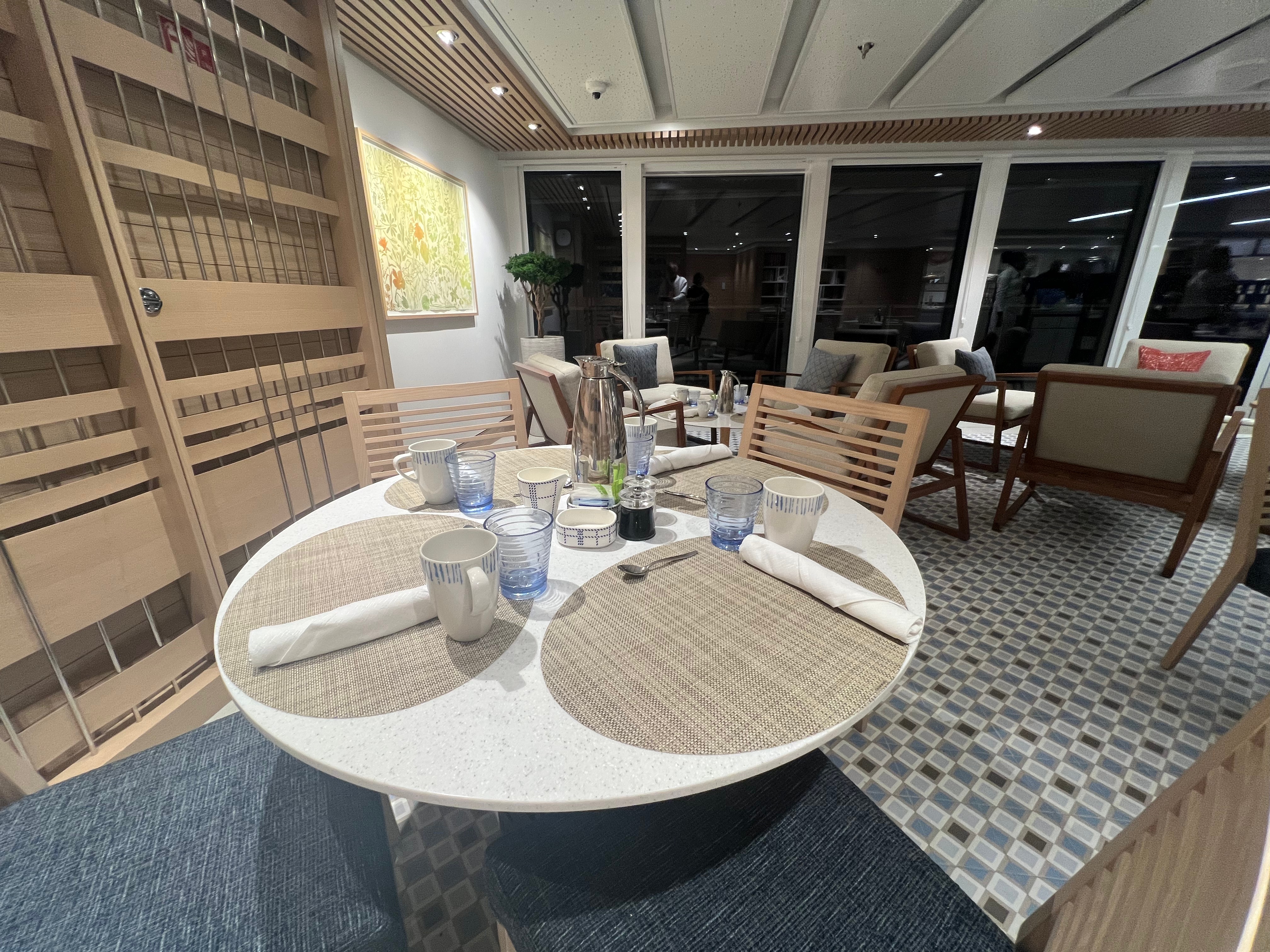
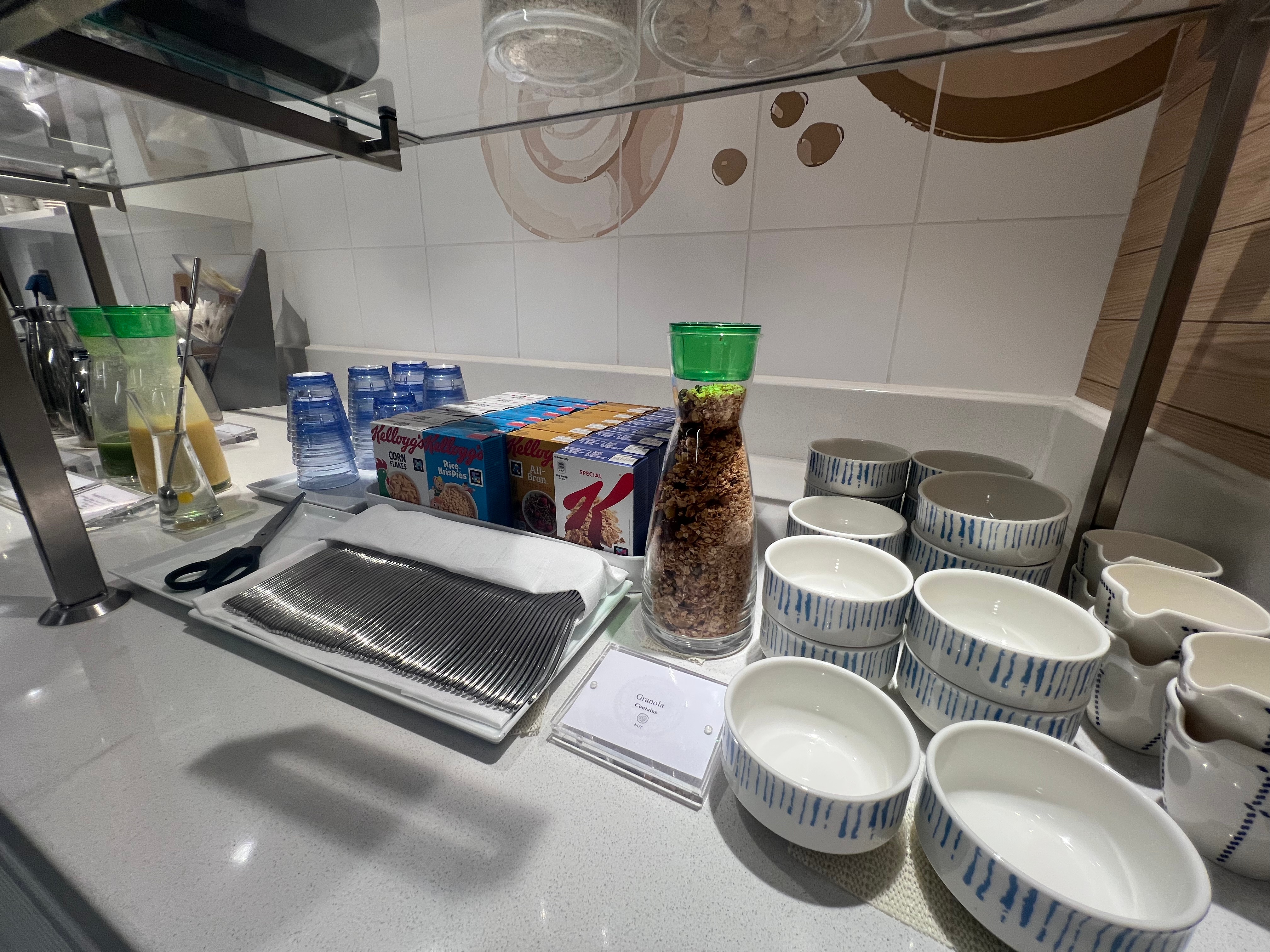
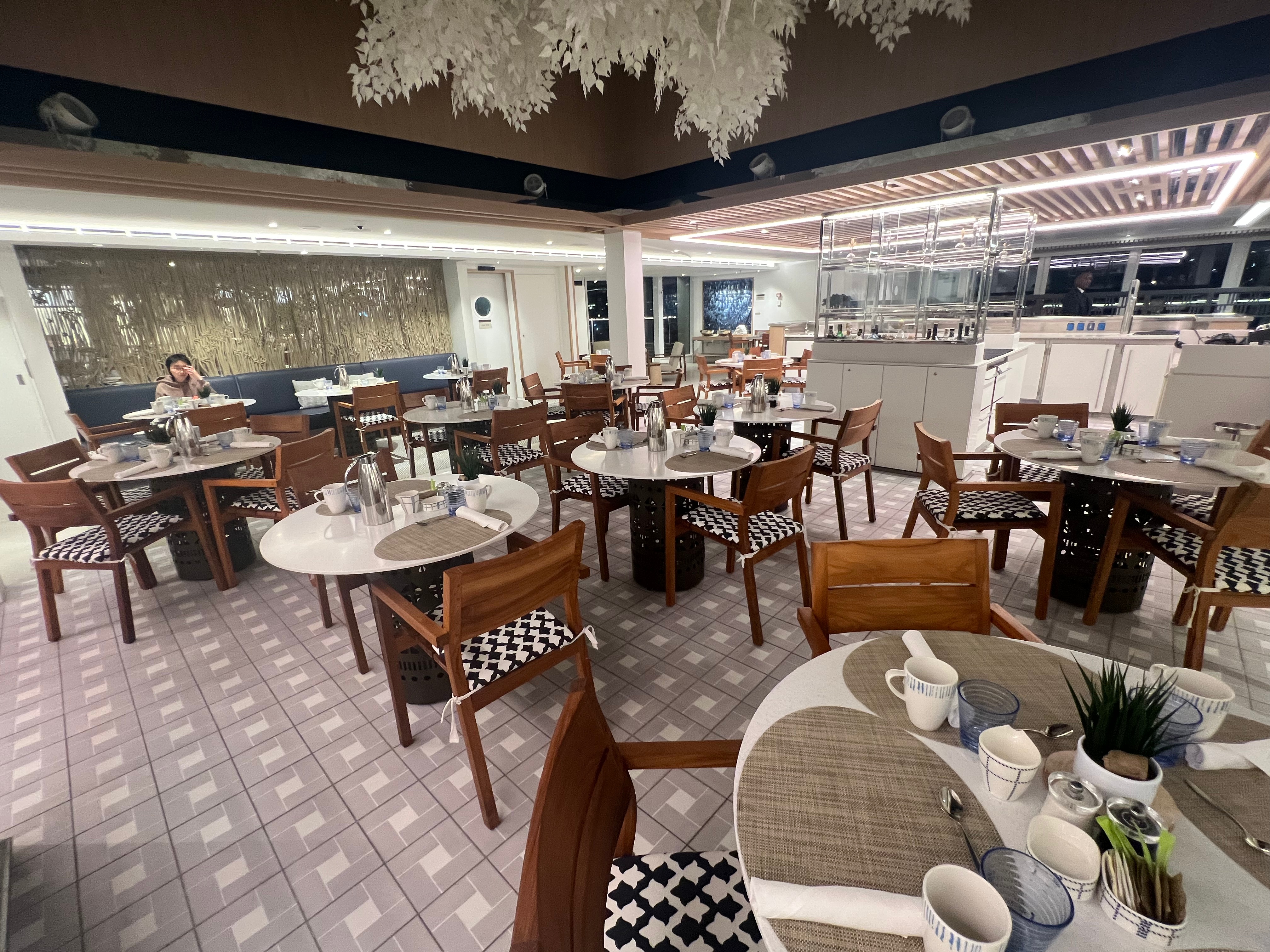
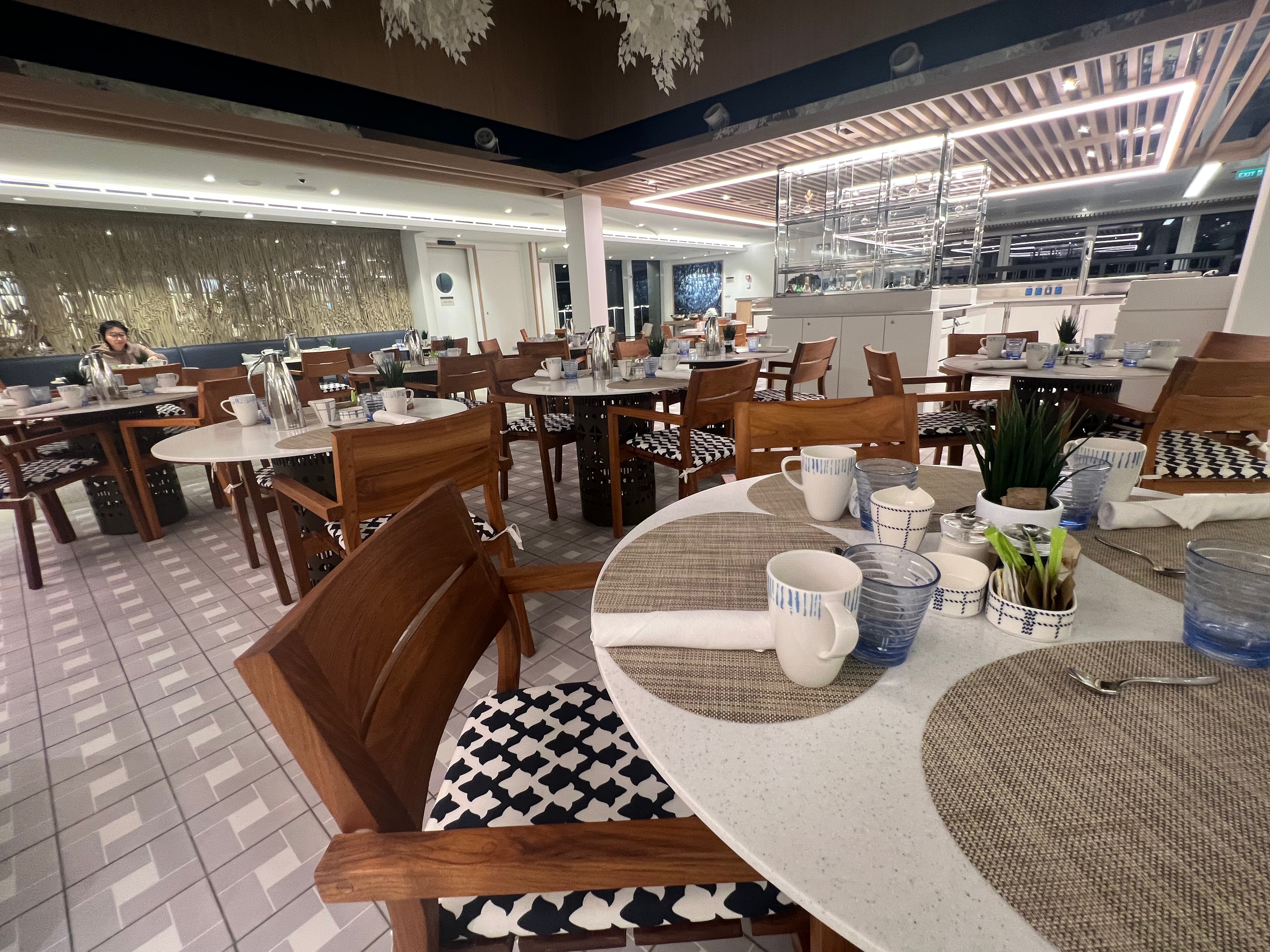
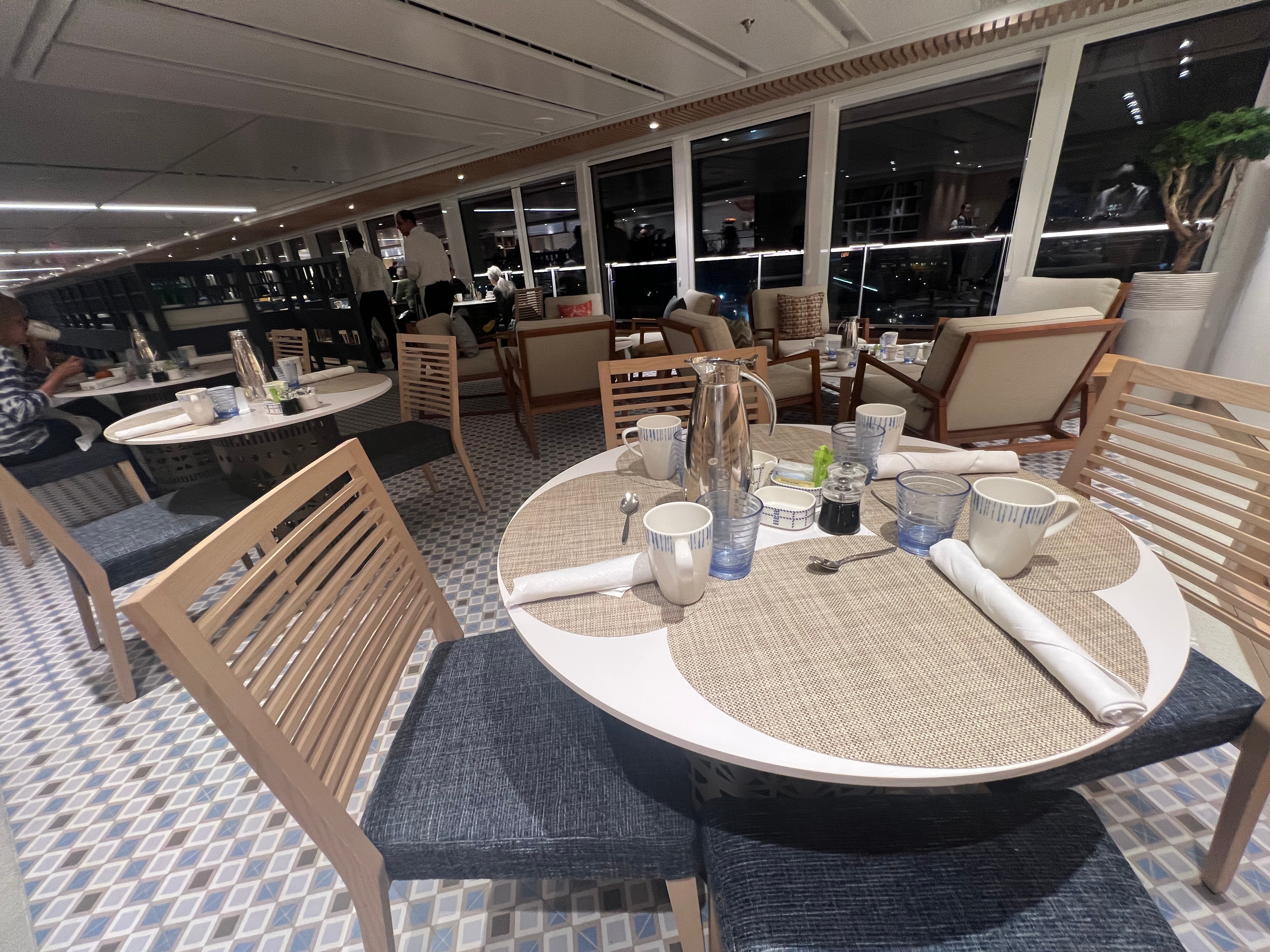
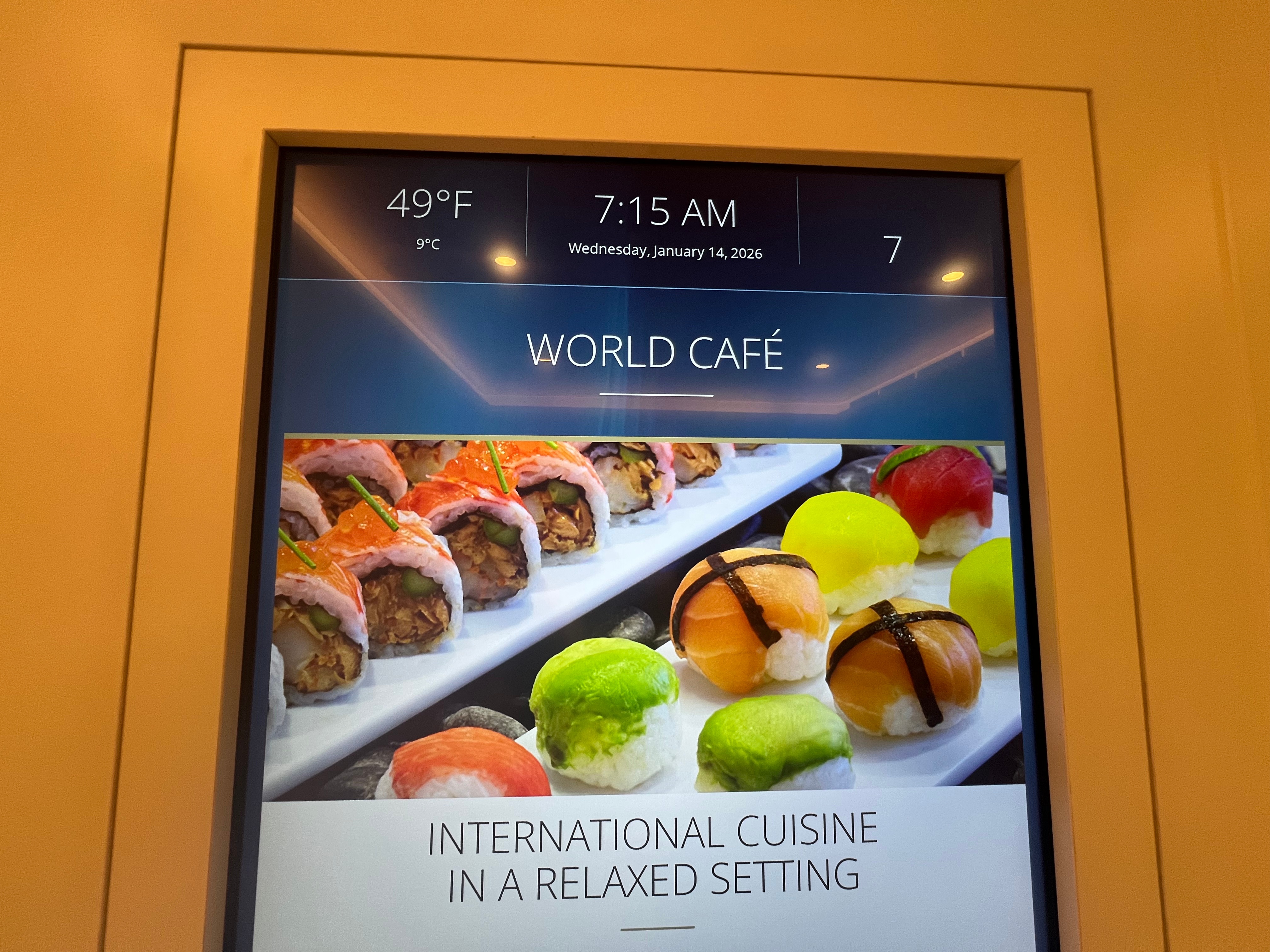
And paradoxically, both the food and the service here were better than in the main restaurant.
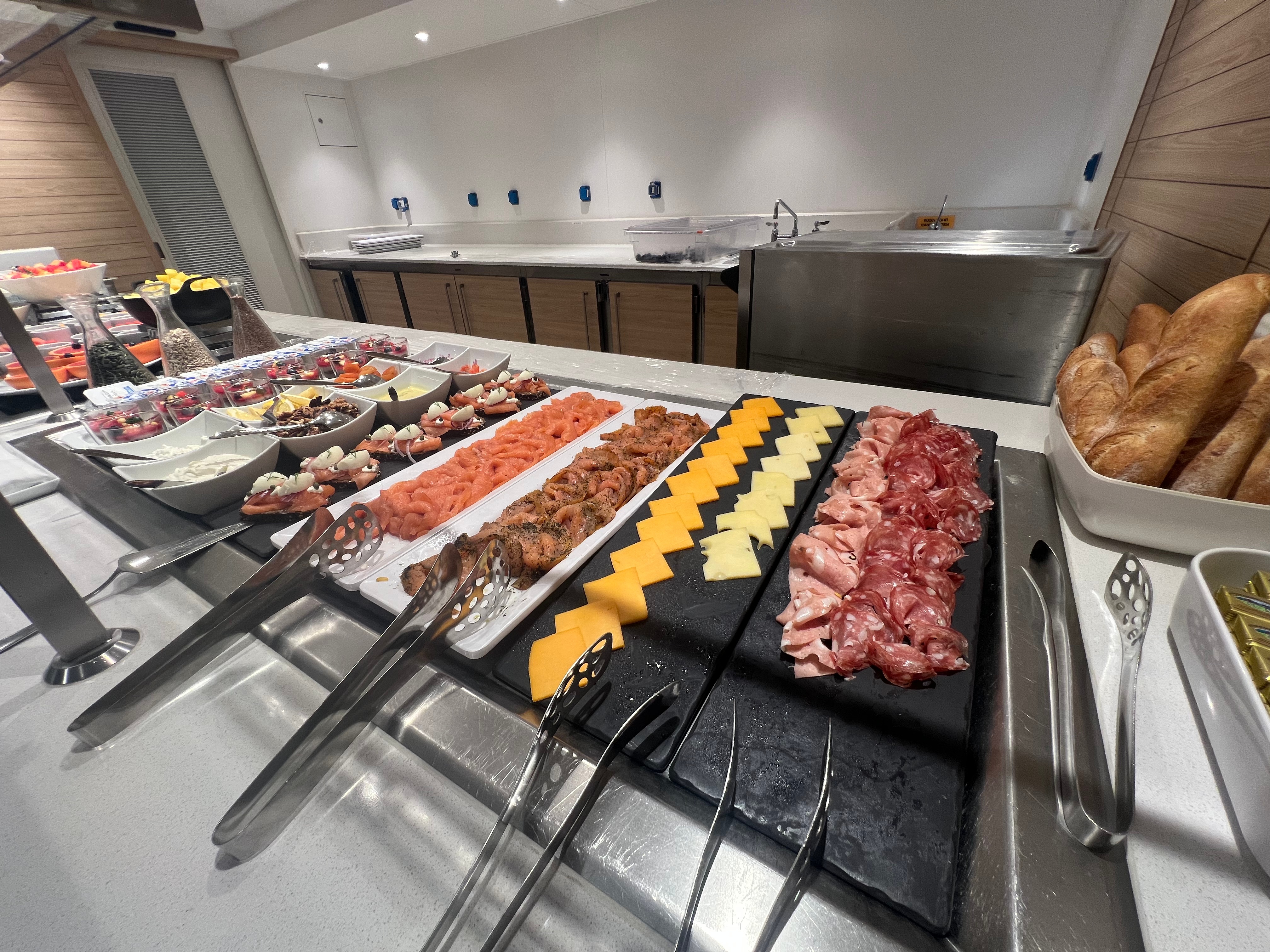
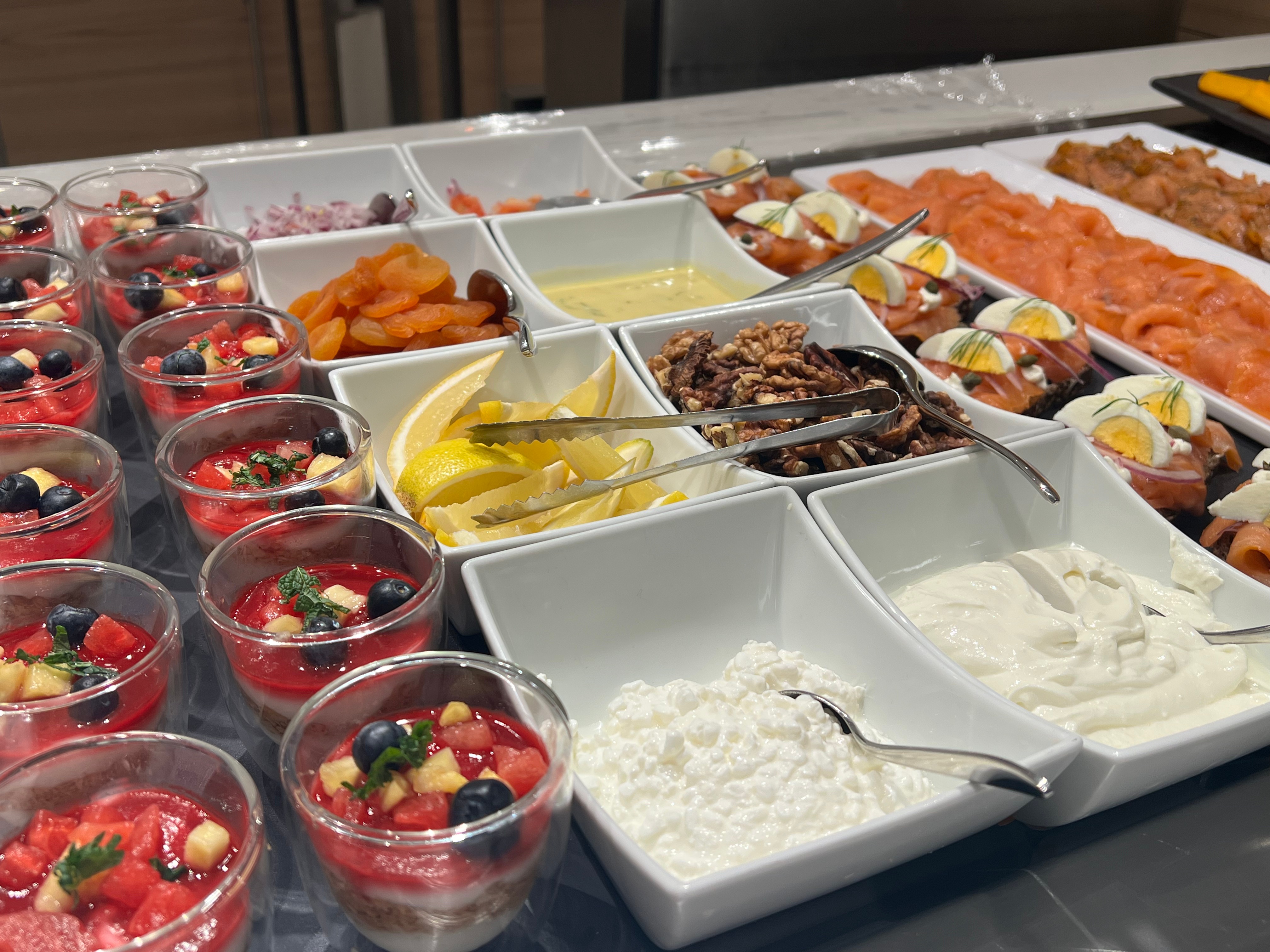
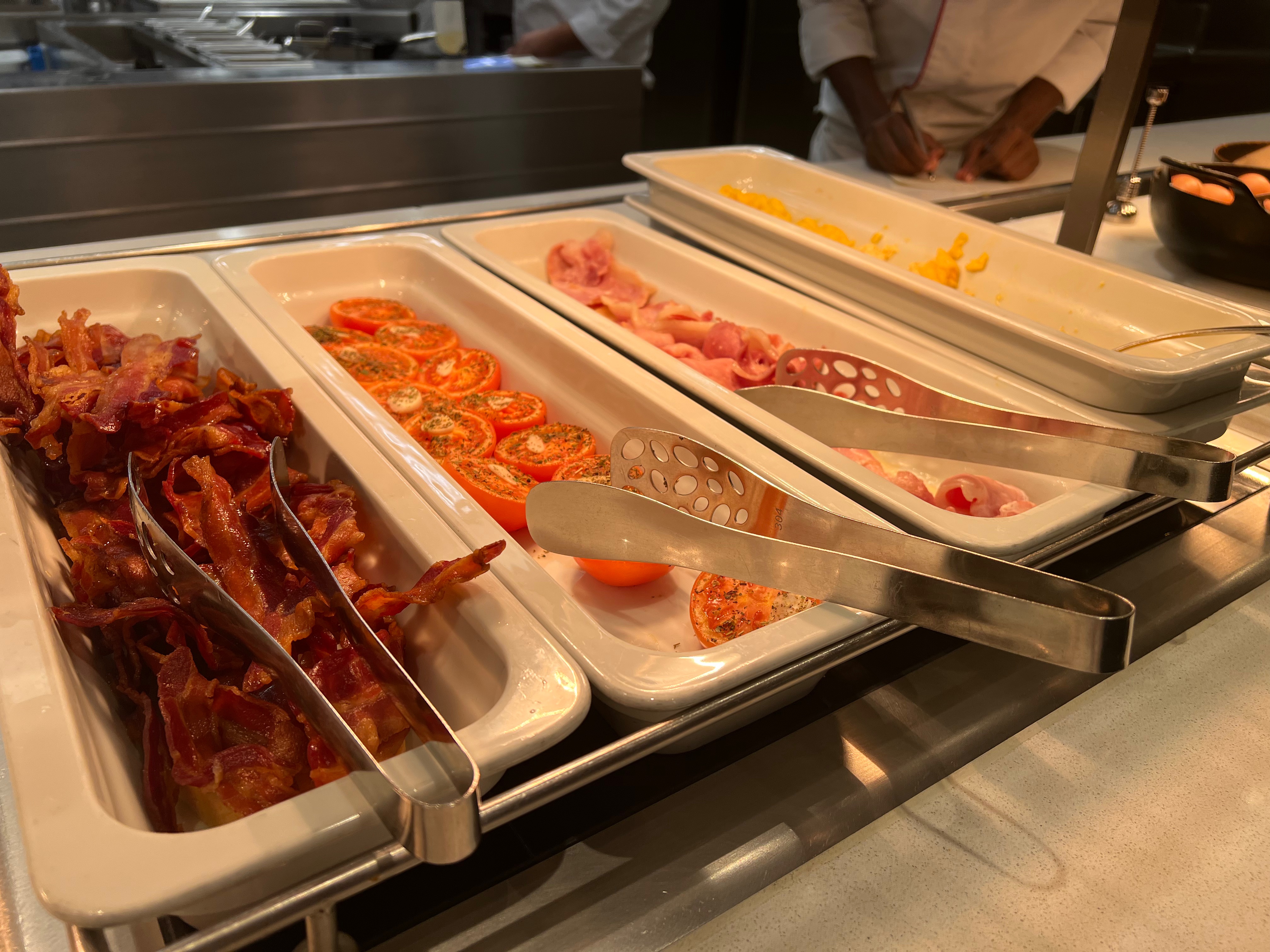
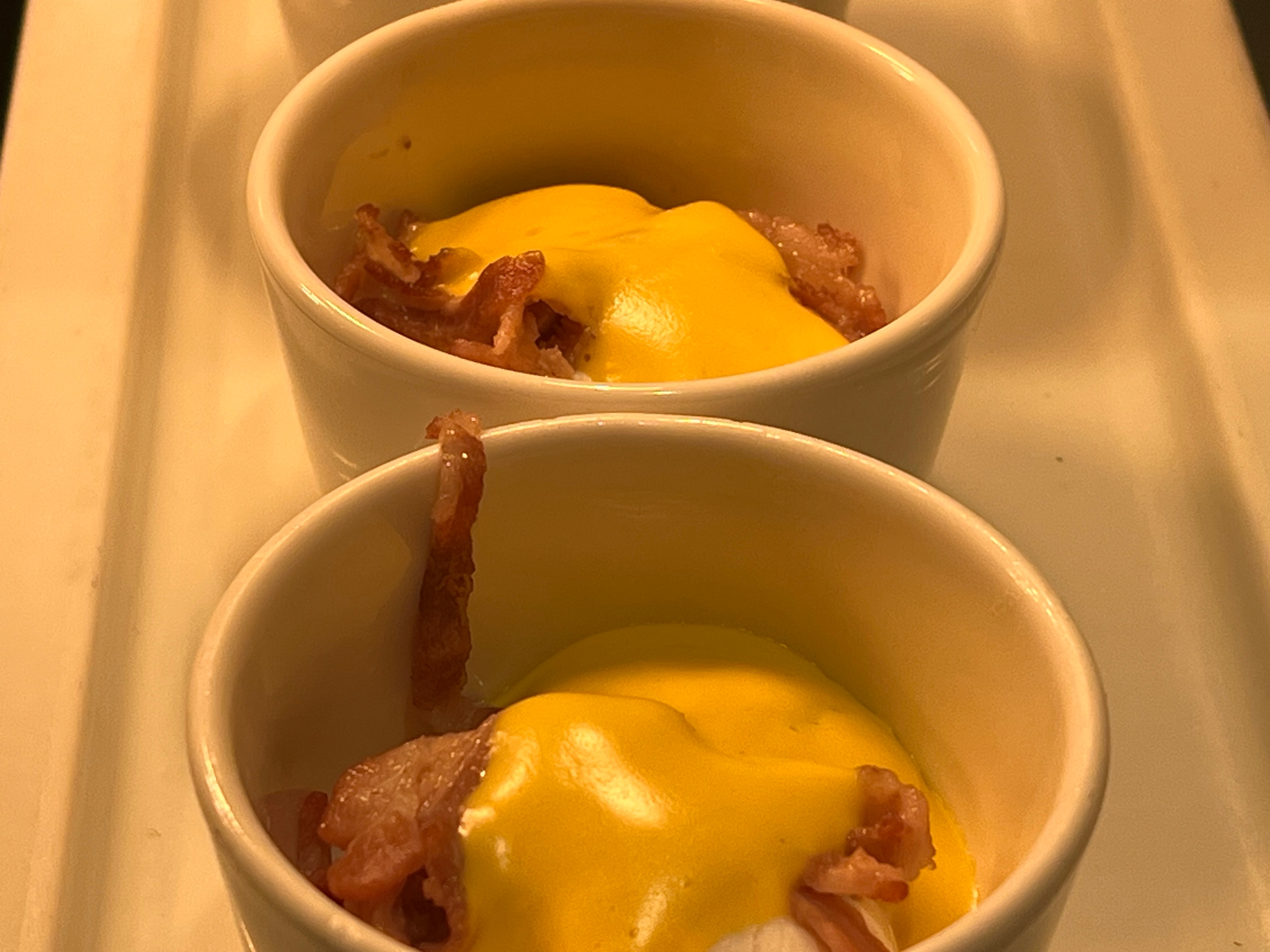

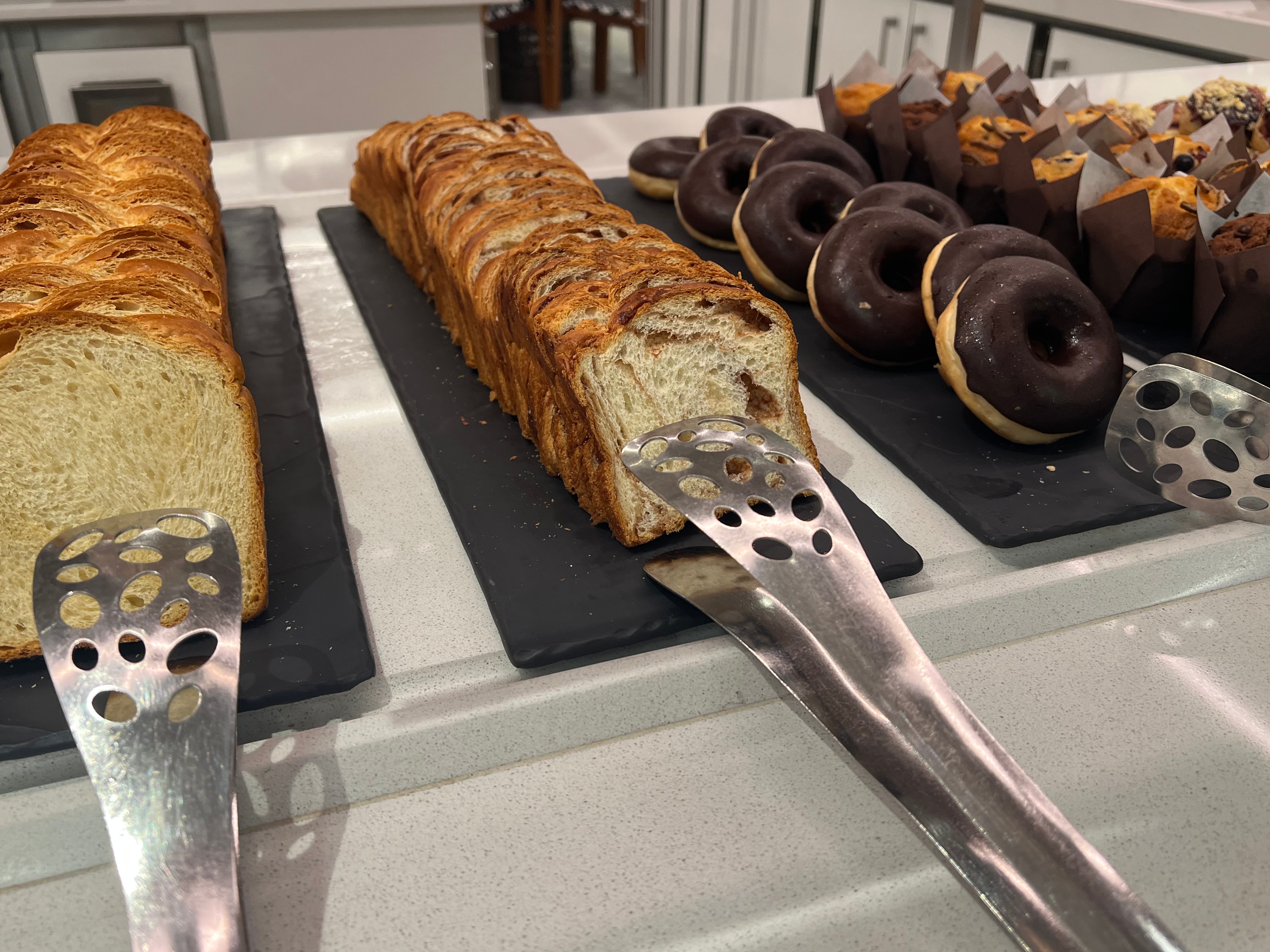
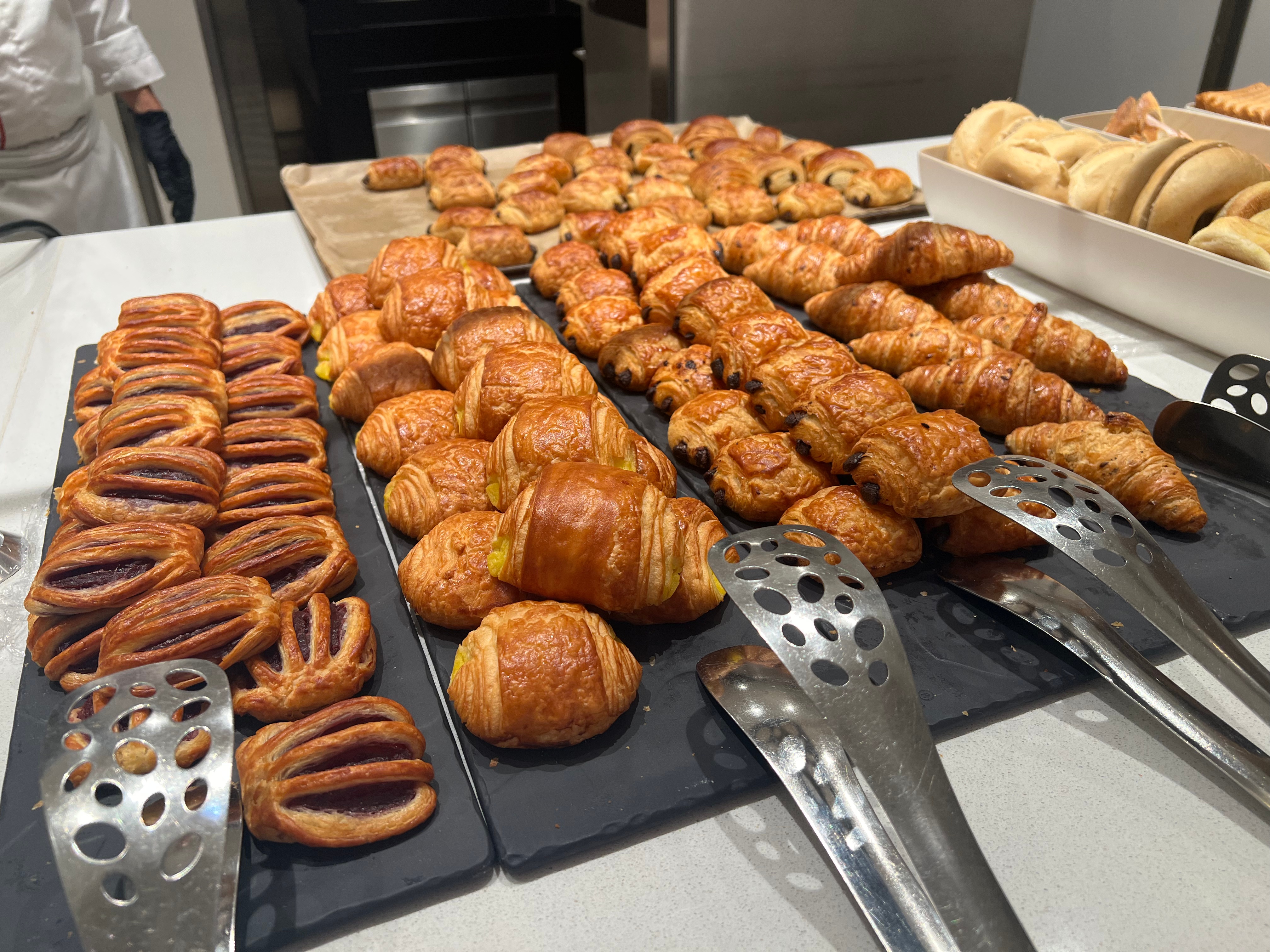
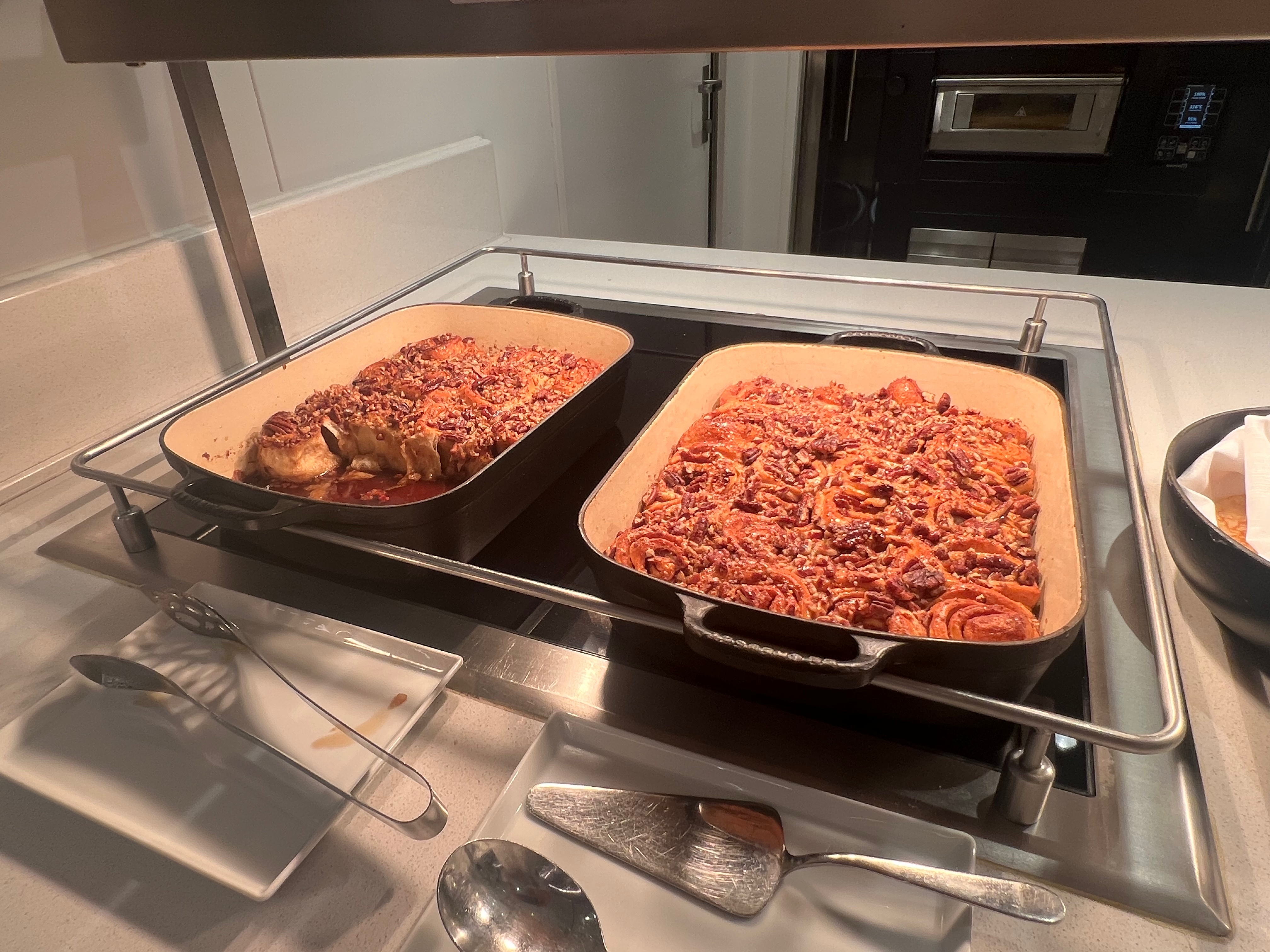
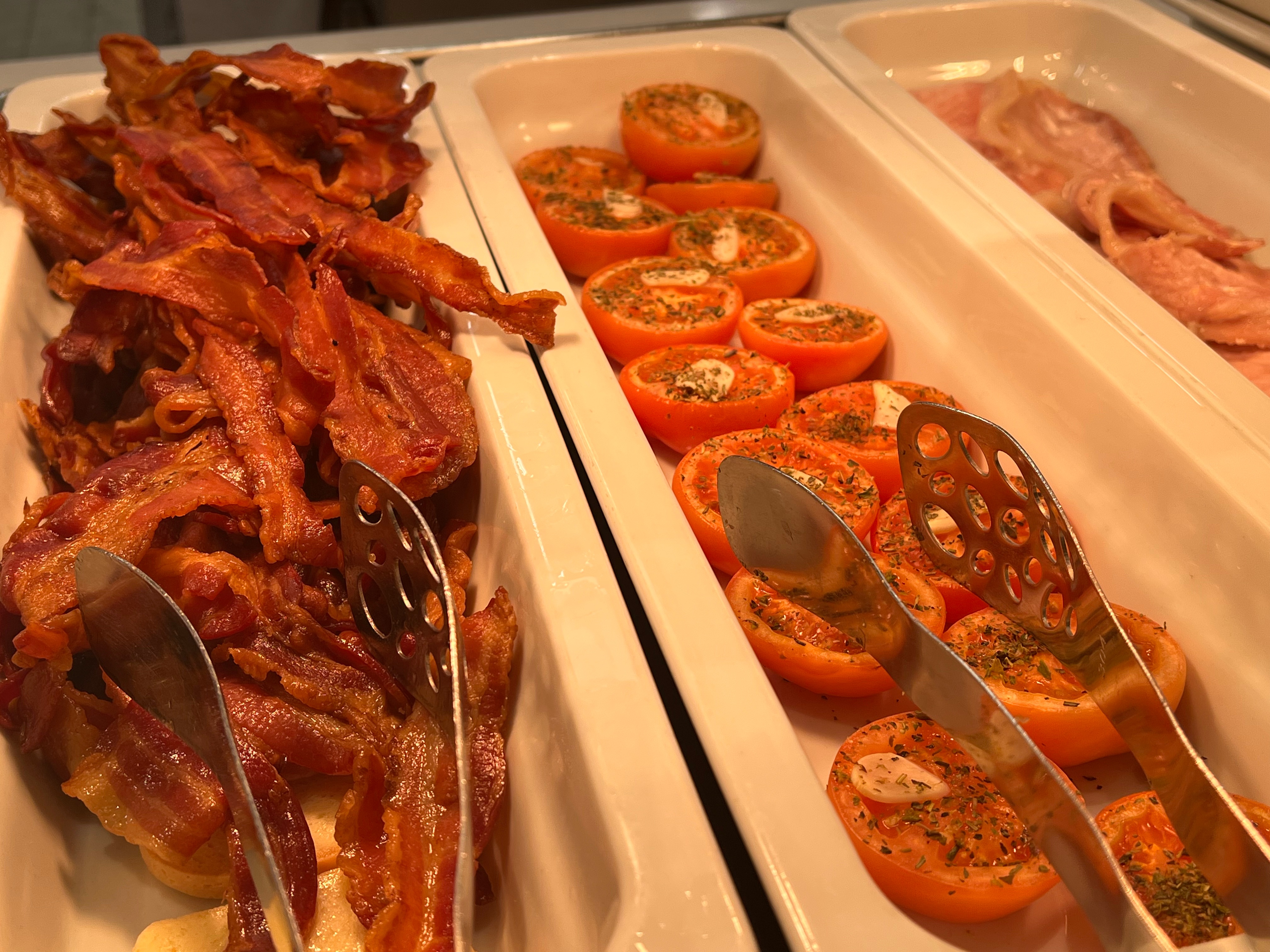

Click here to see the breakfast service in World Cafe: https://youtu.be/TQvkv0yLLCM
There was genuine variety, better execution, fresher presentation, and a sense that the kitchen was actually enjoying itself. The service was efficient, friendly, and almost impeccable. Every visit felt relaxed and satisfying — even if the buffet manners of some fellow guests leaned more towards Carnival than Viking.
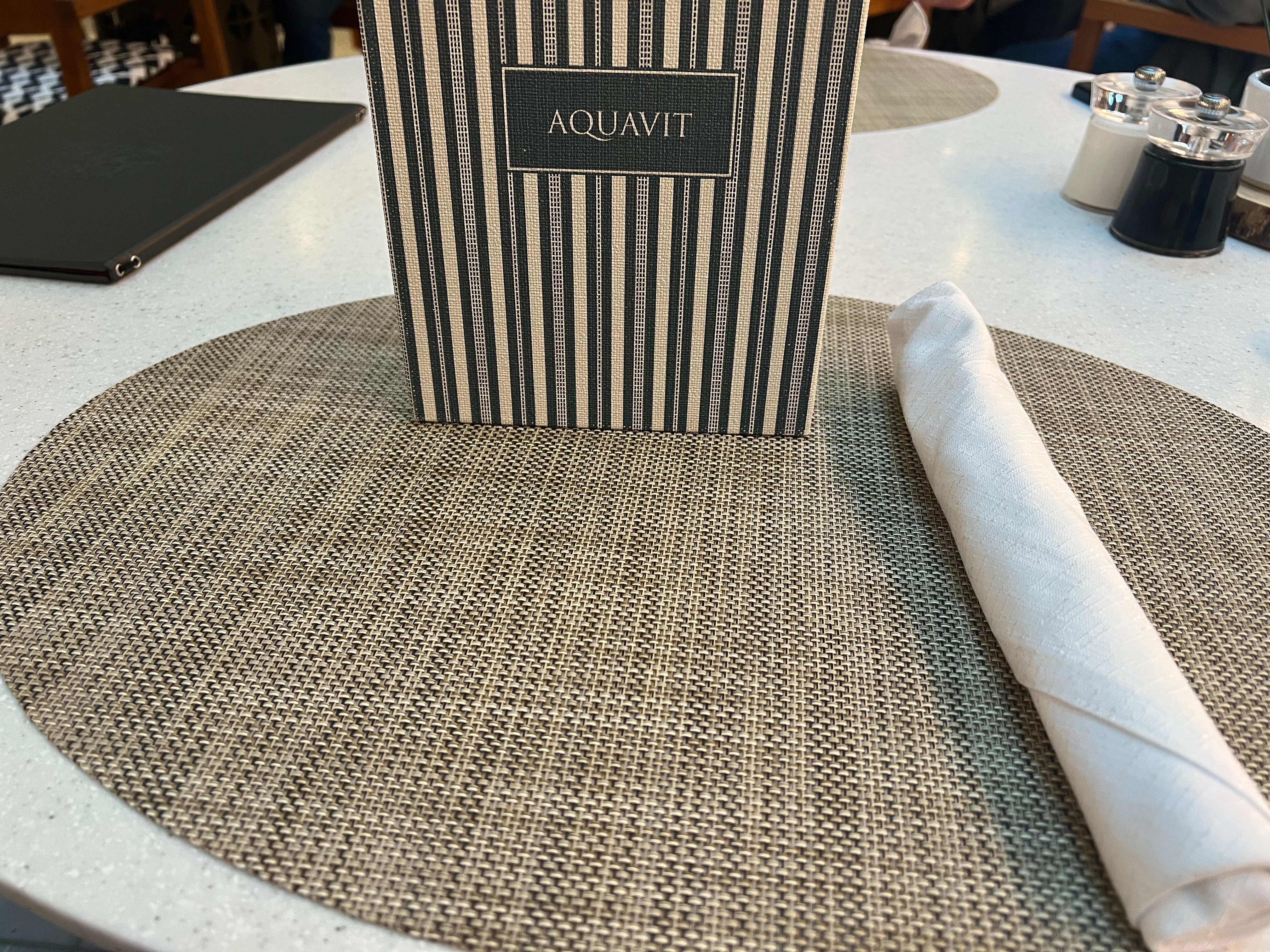
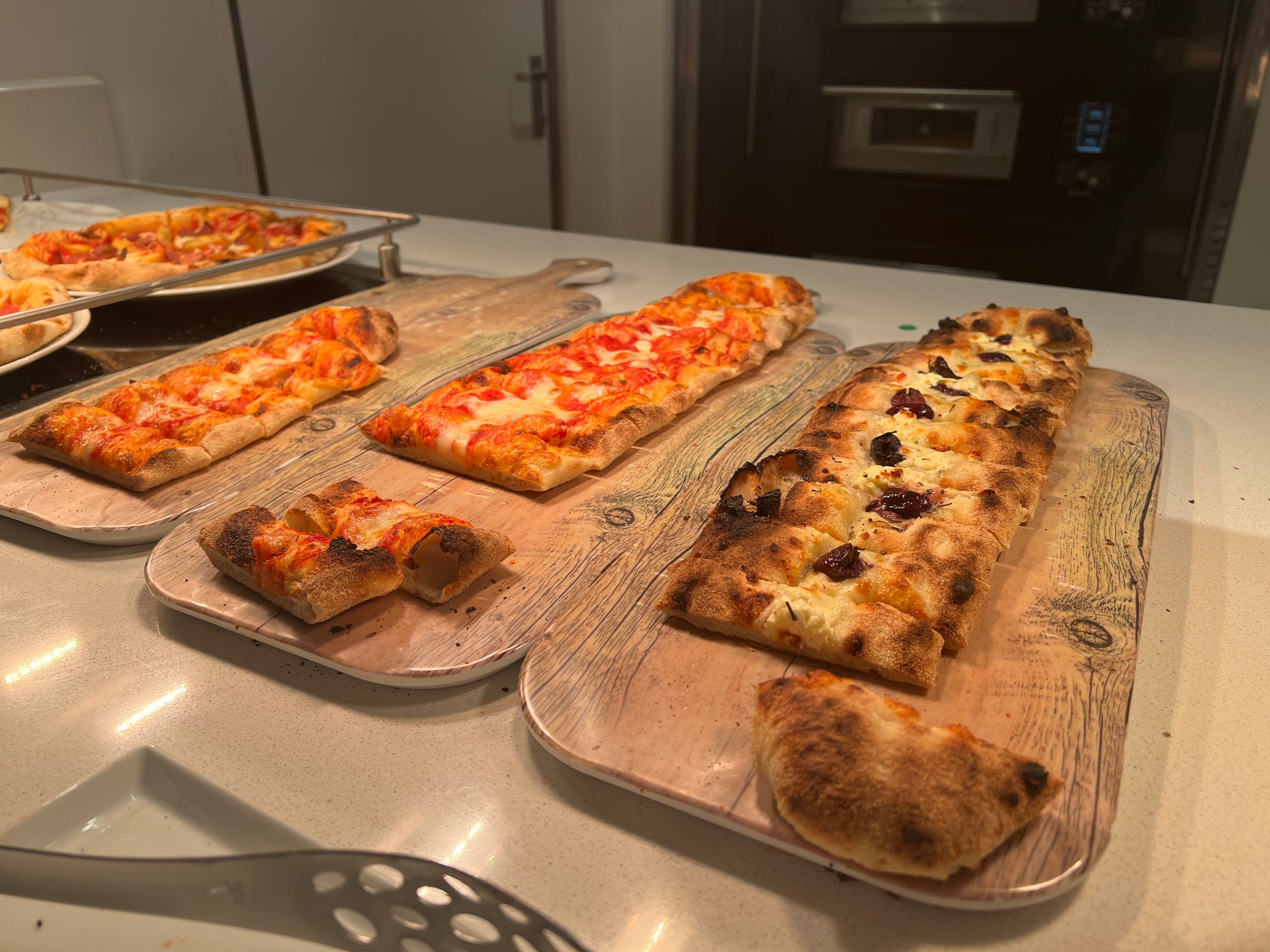
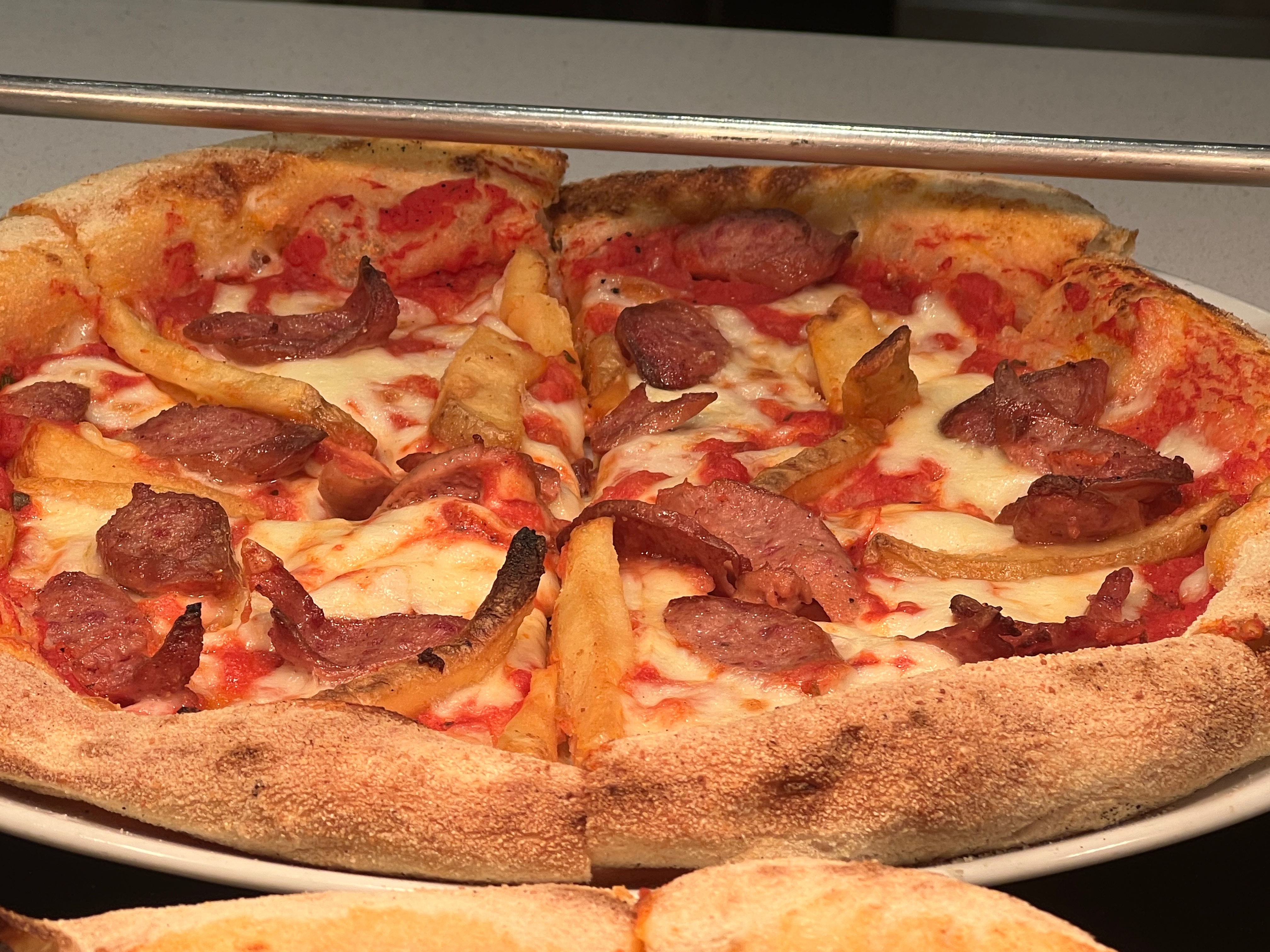
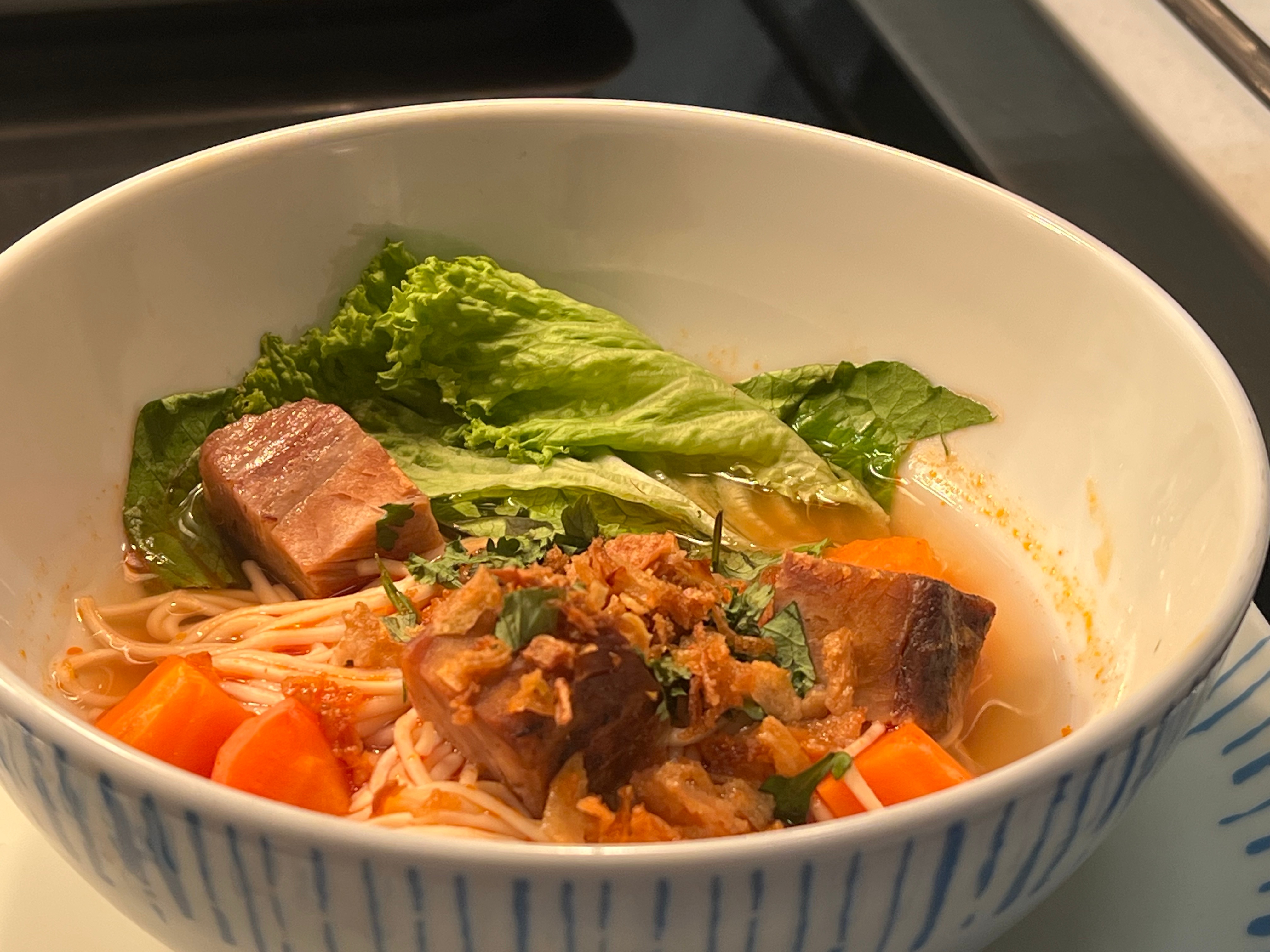
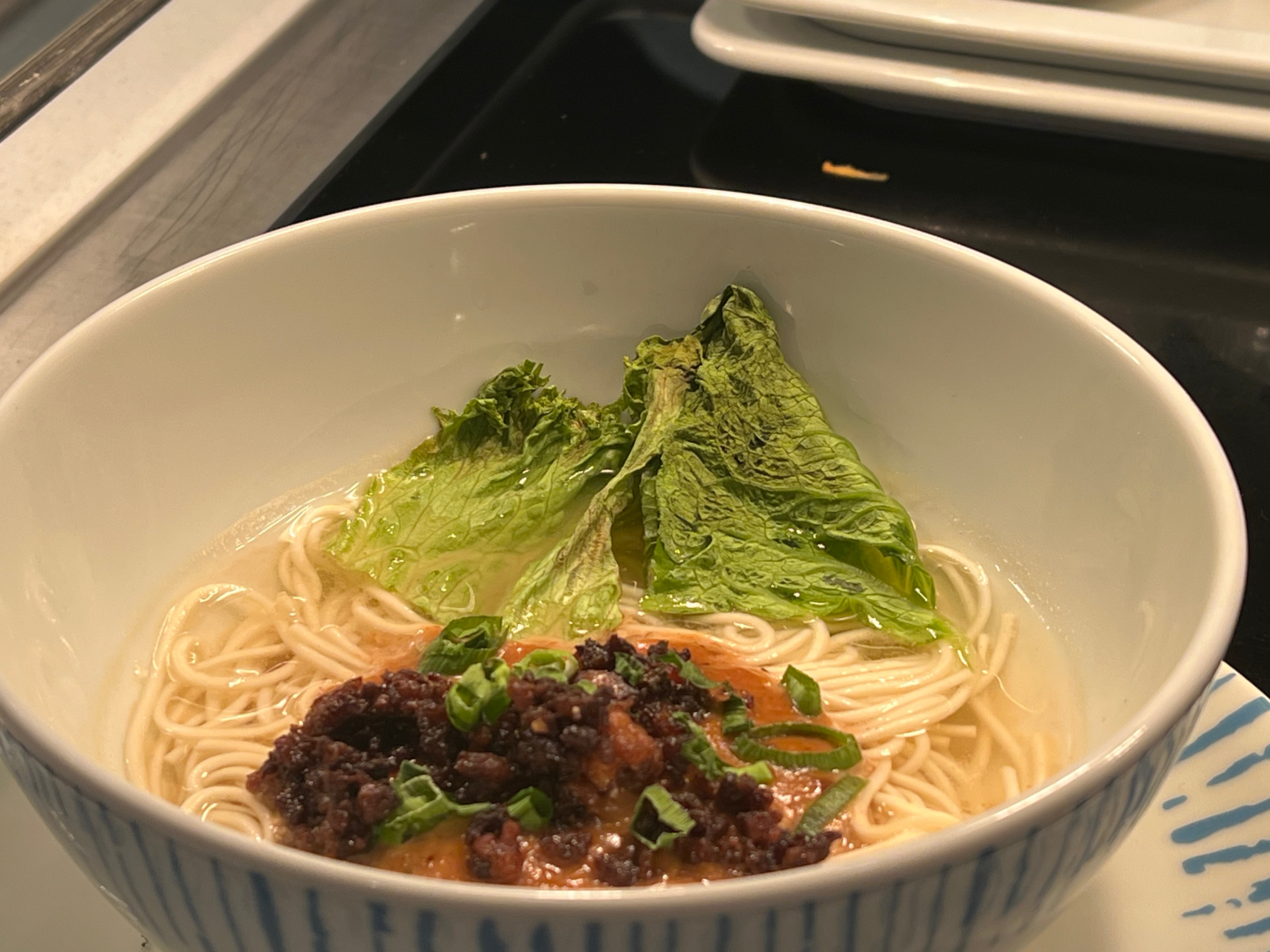

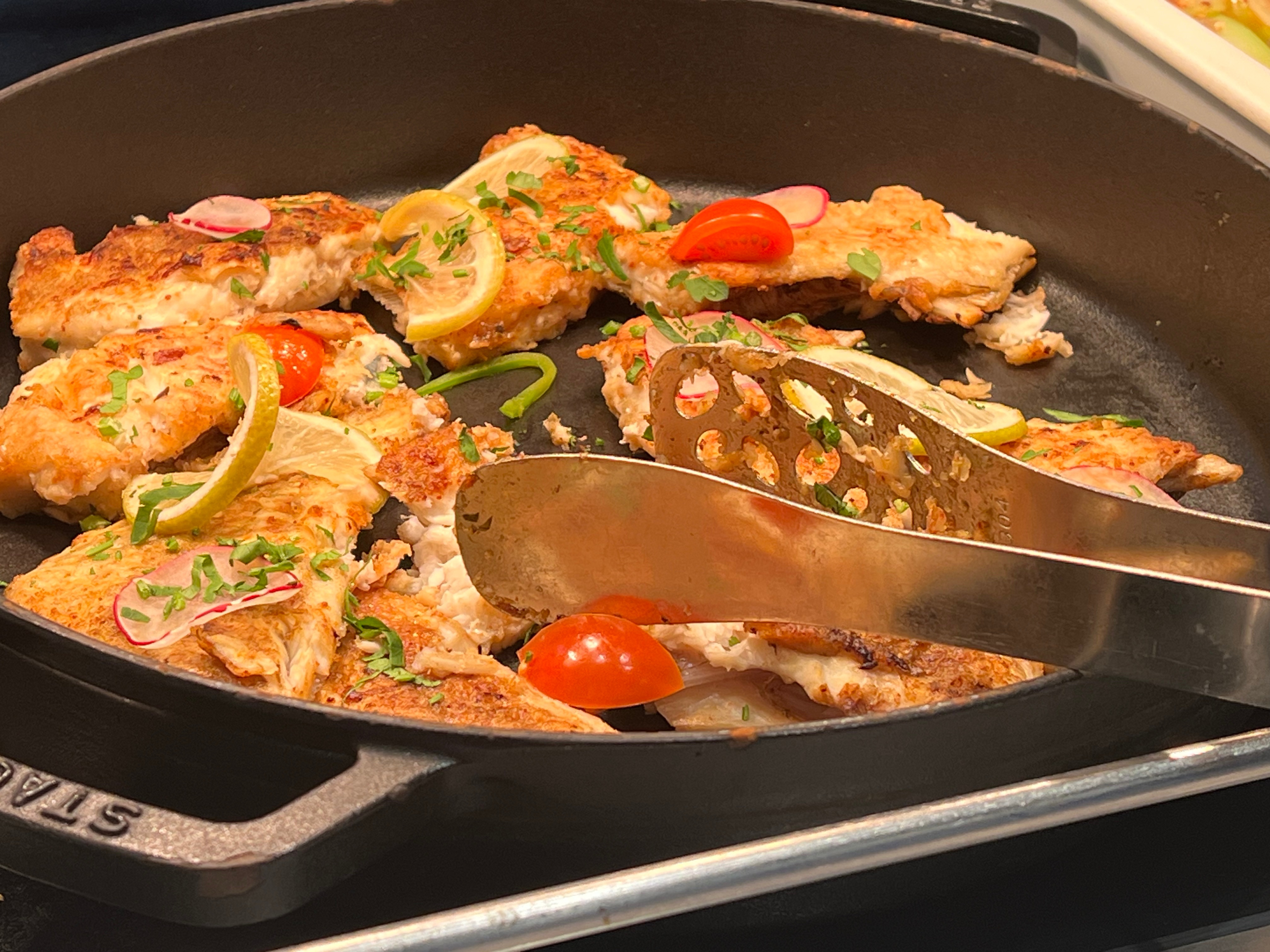






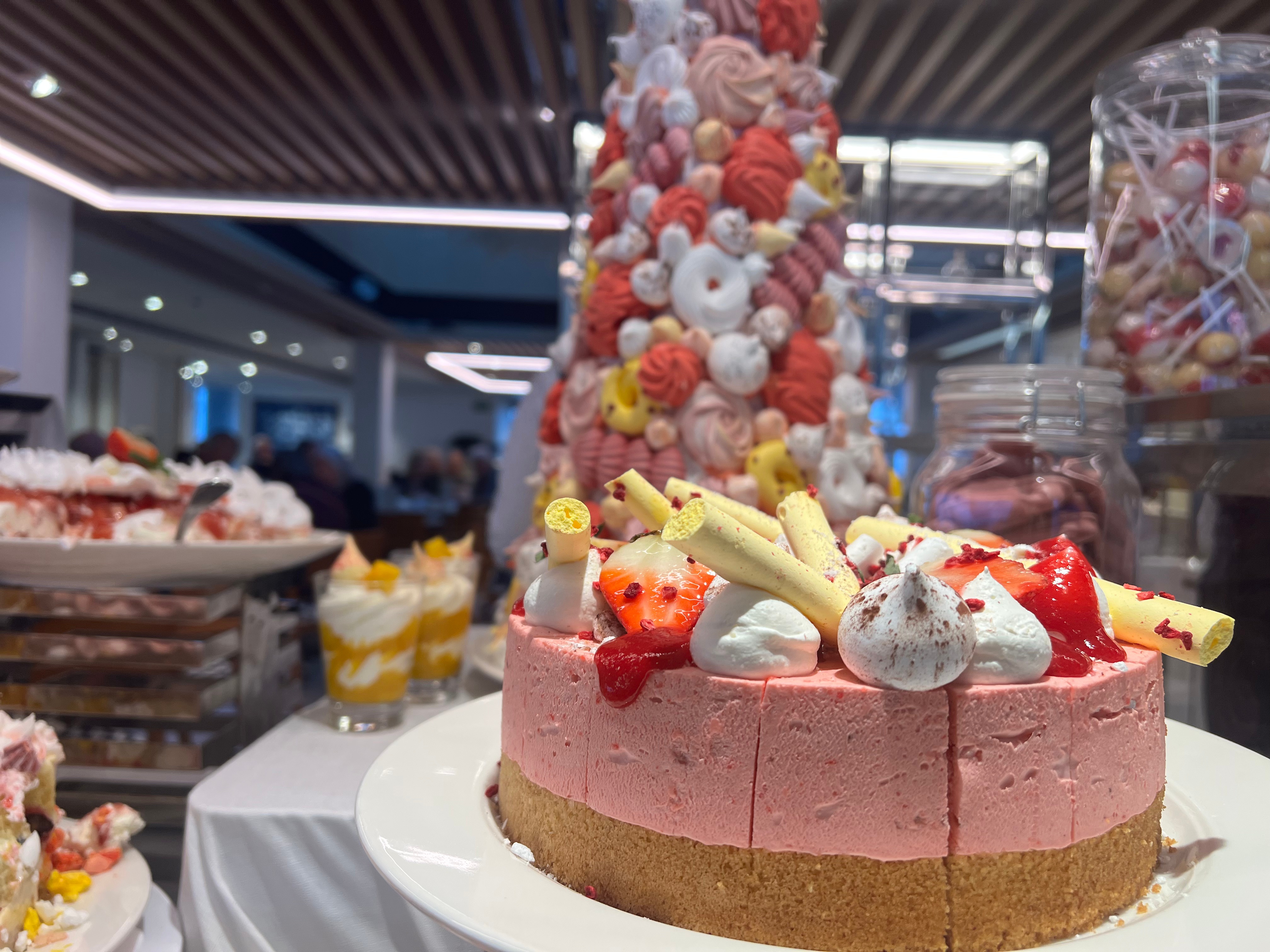
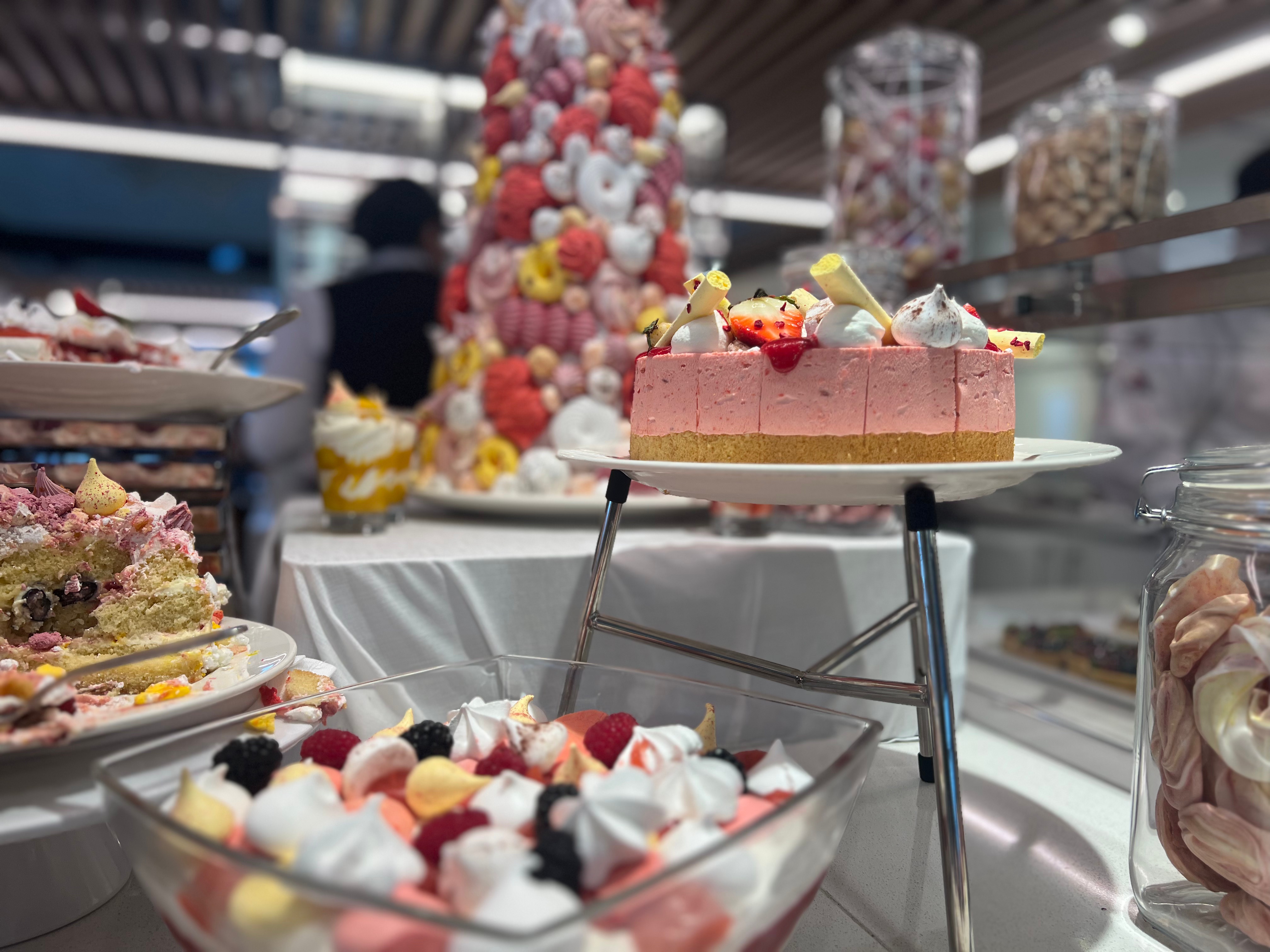
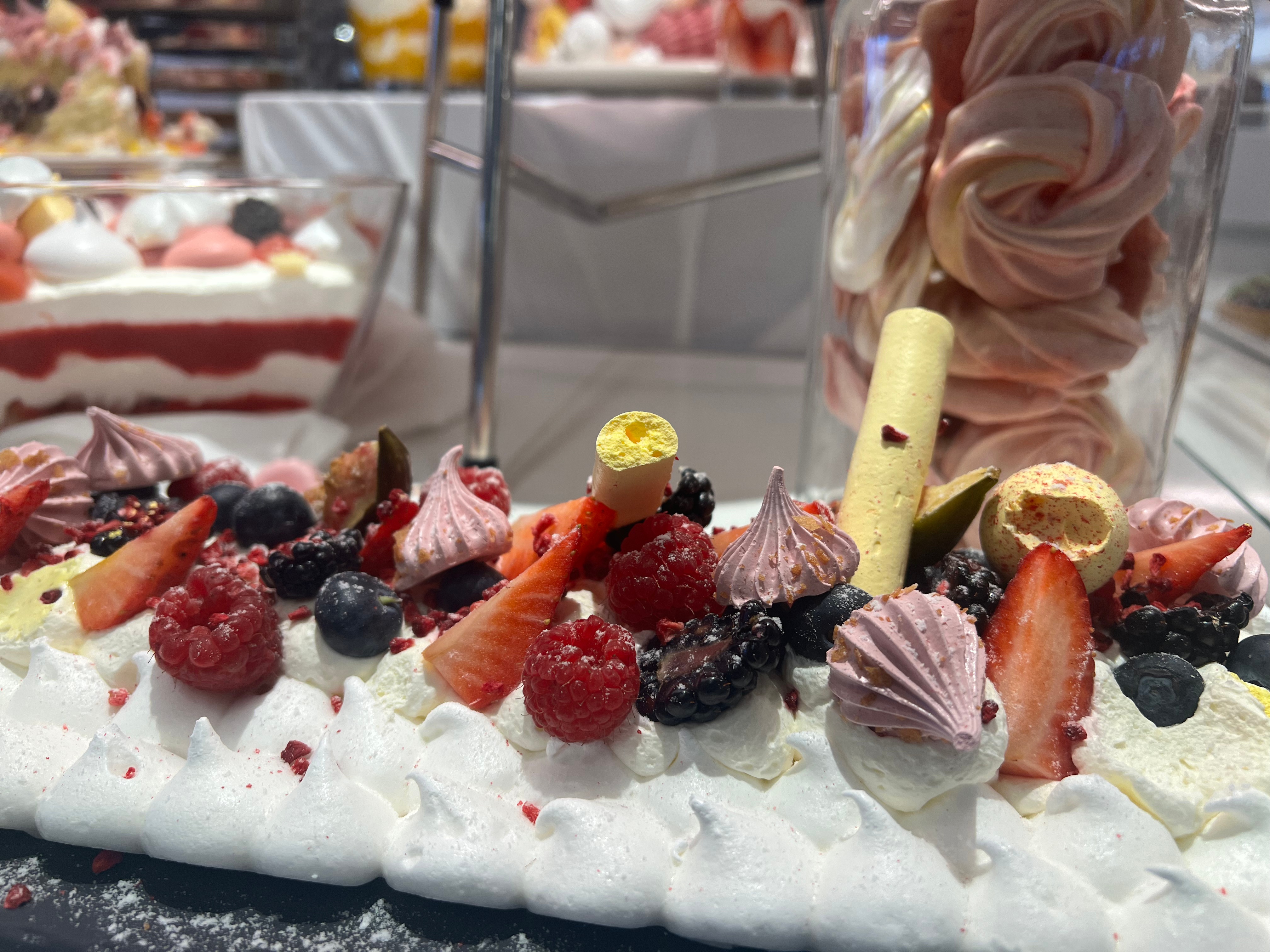
Click here to see the lunch service in World Cafe: https://youtu.be/-kR_7VyPk54
Still, World Café delivered a vibrant, interactive experience with a wide range of international flavours and — unintentionally — became the culinary safe haven of the cruise.
If Viking Vela has a culinary soul, it lives at Mamsen’s.
Tucked away in the Explorer’s Lounge on Deck 7, this small counter-style eatery is an homage to Torstein Hagen’s mother — and it feels like Viking’s best-kept secret. Cozy, charming, and authentic, Mamsen’s delivers exactly what Viking promises elsewhere but rarely achieves.

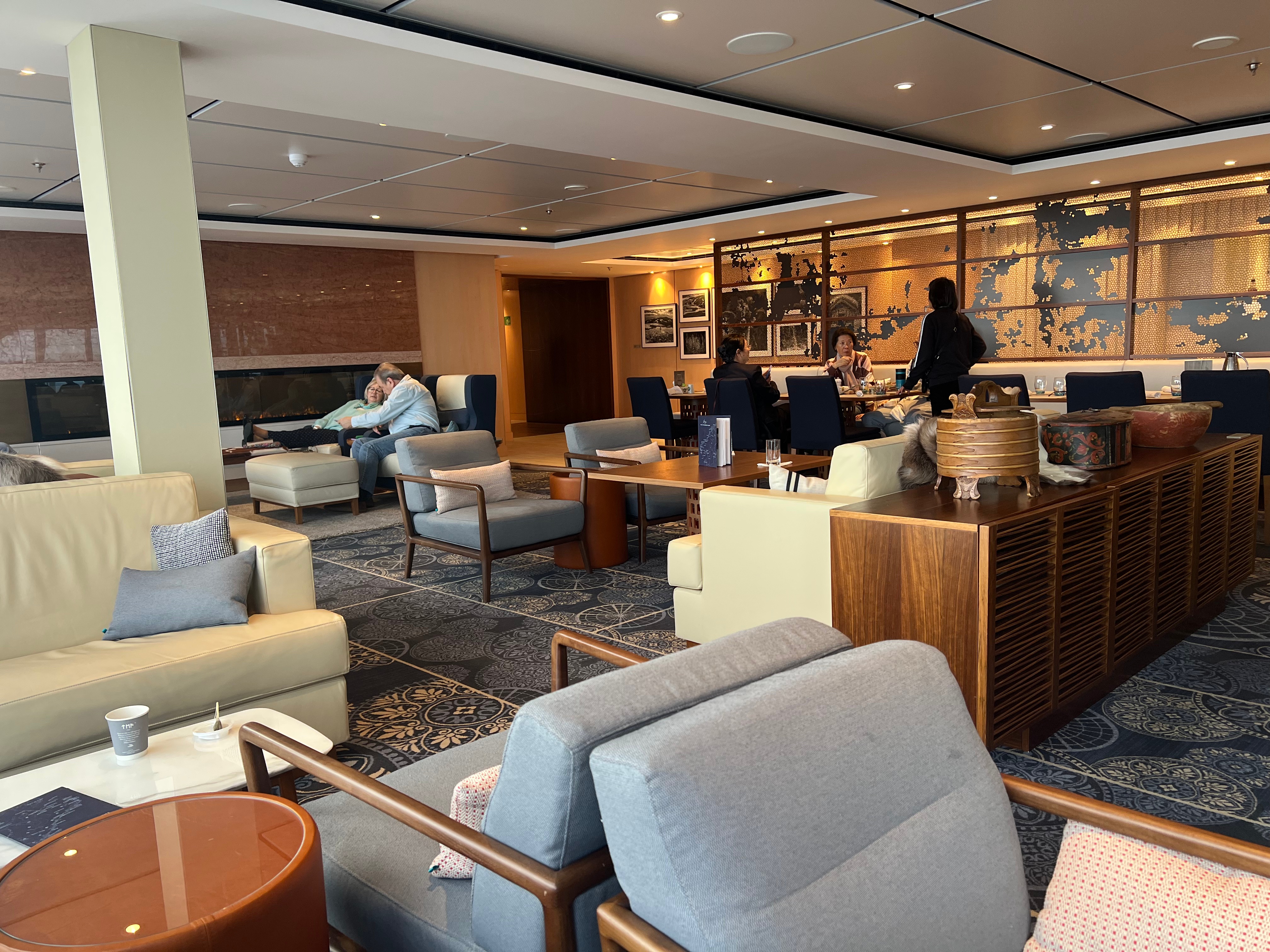
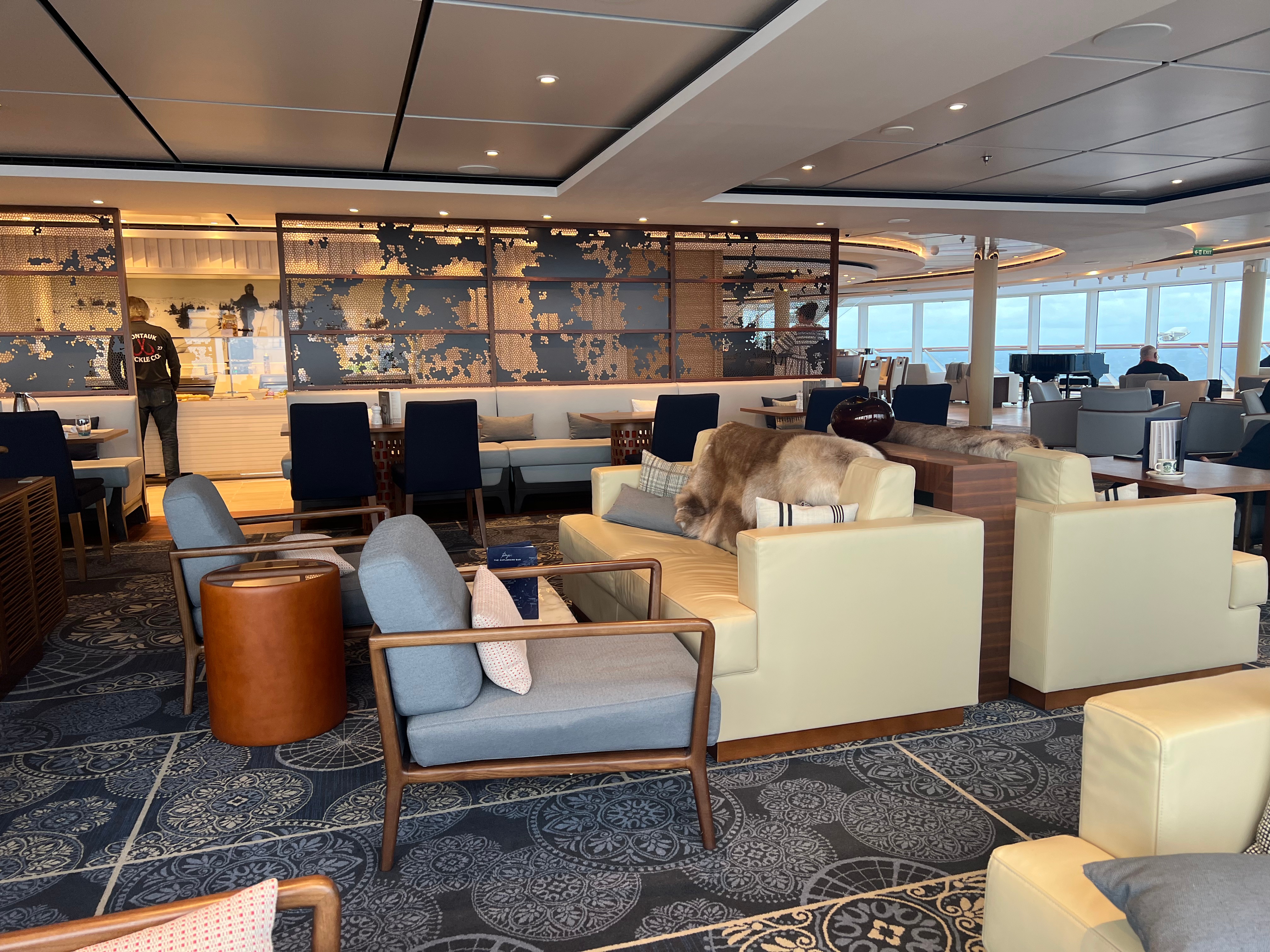
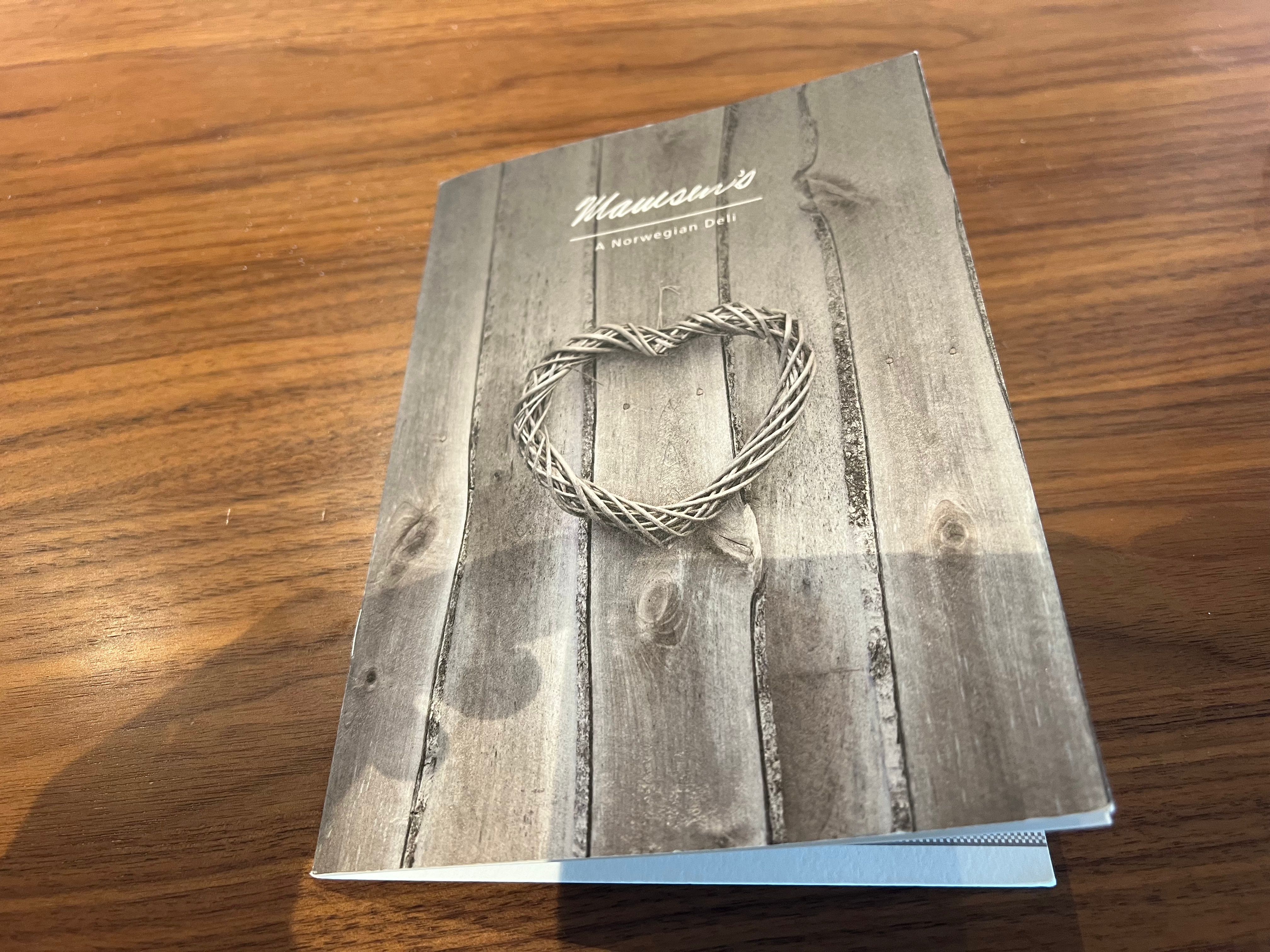
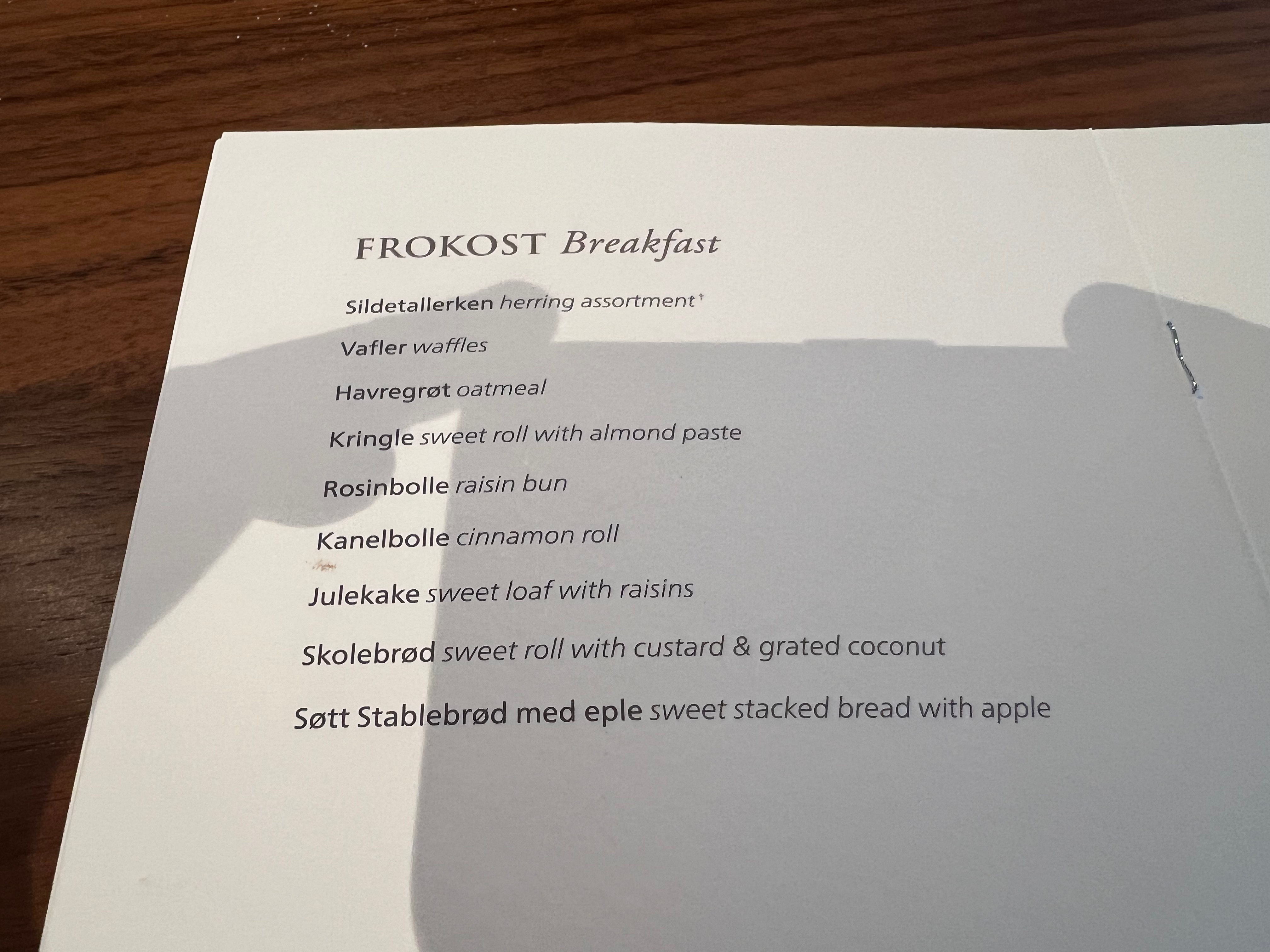
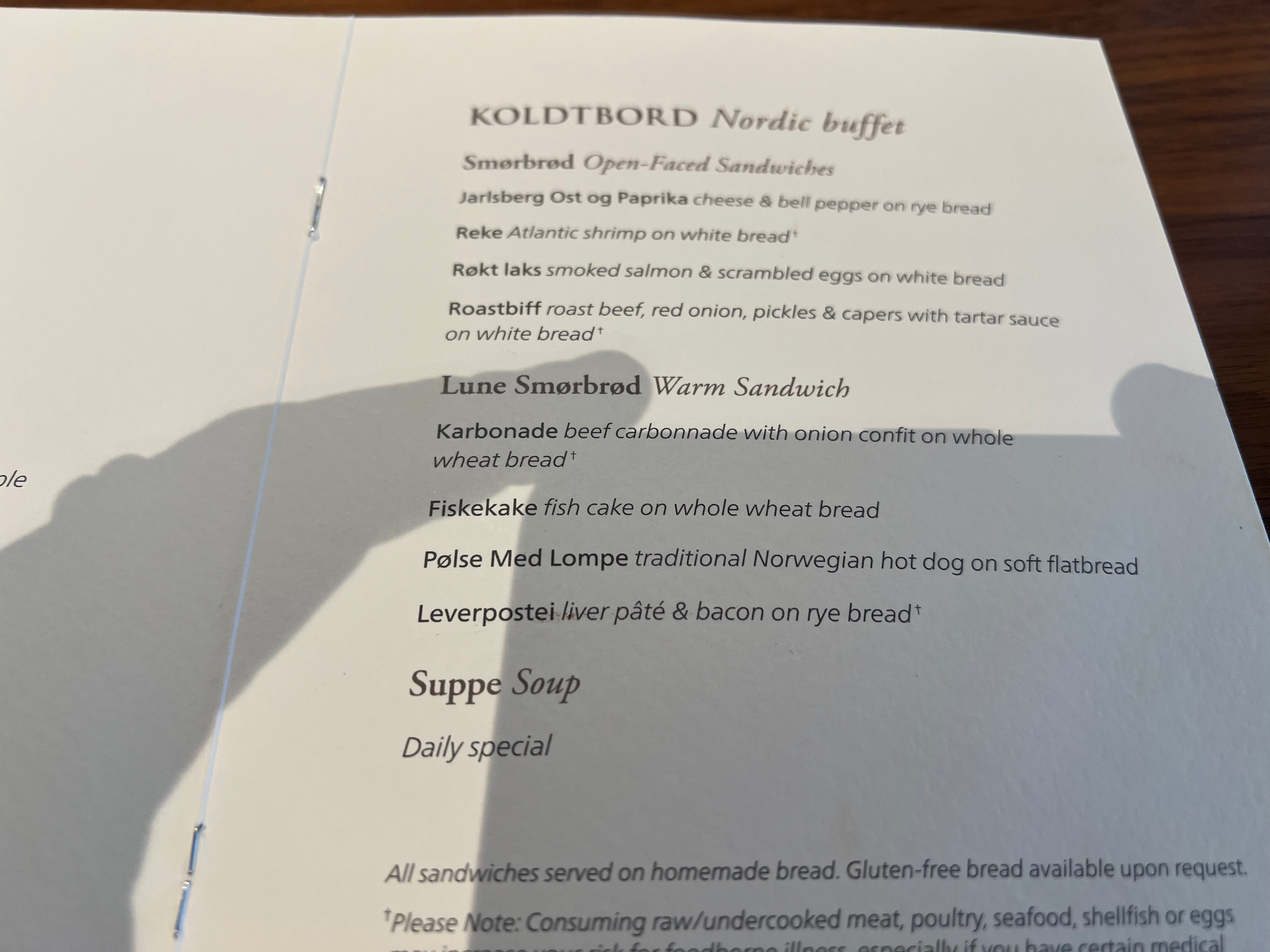
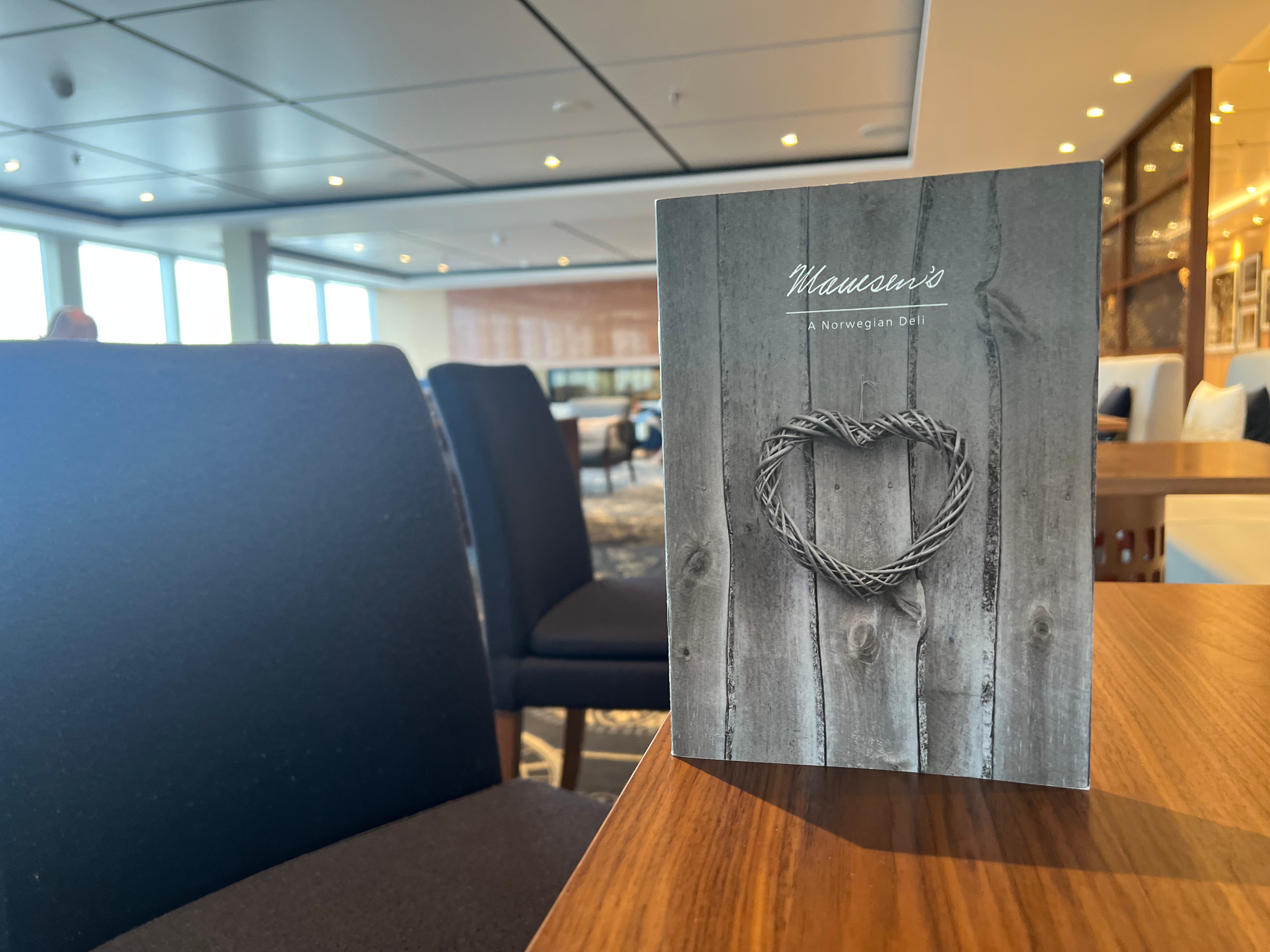
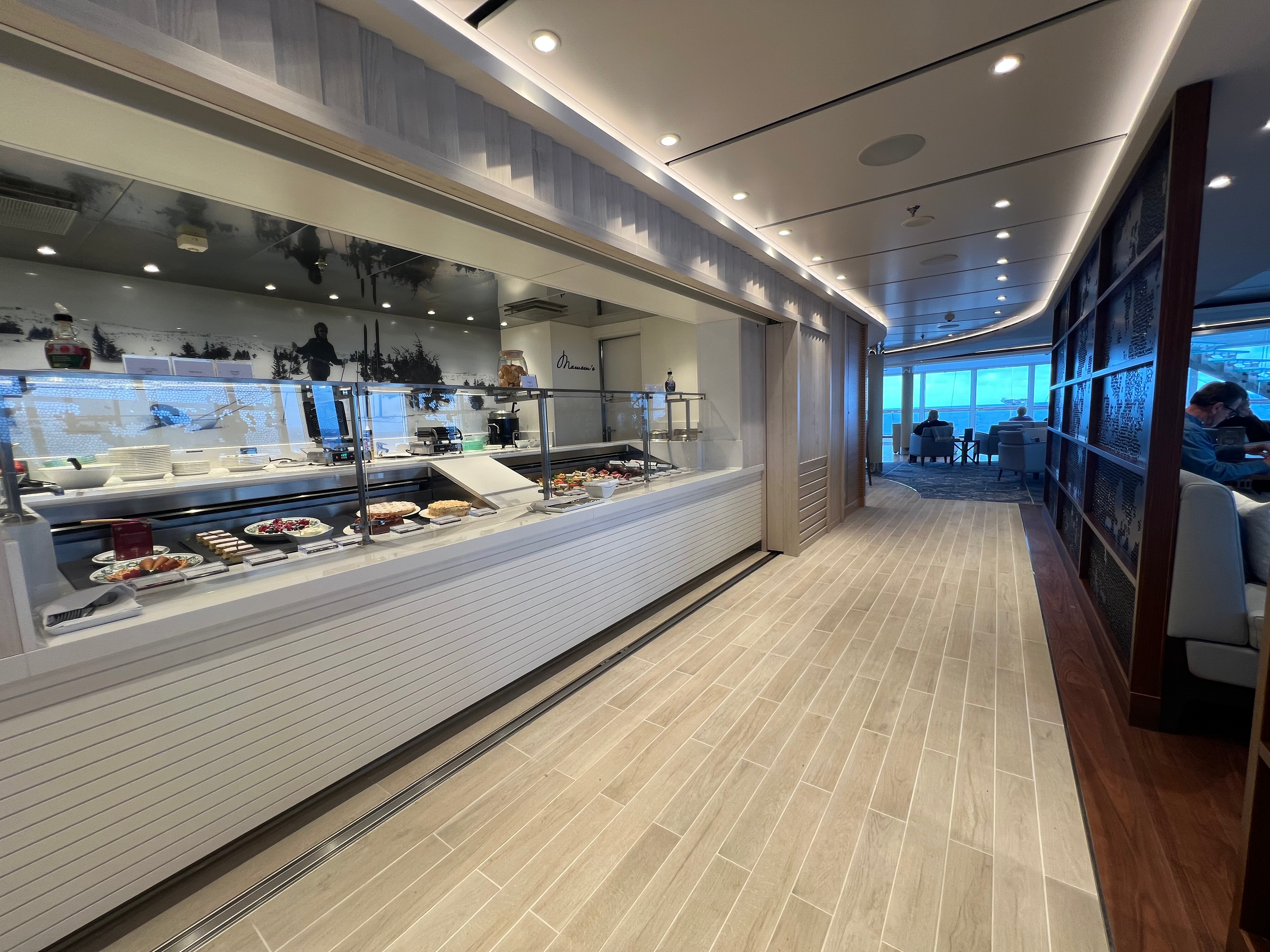
The Norwegian waffles with brunost cheese are deservedly famous, prepared according to the Hagen family recipe. Nordic open-faced sandwiches, pastries, and desserts are beautifully presented and genuinely delicious. The Success cake alone is worth a repeat visit (or three).
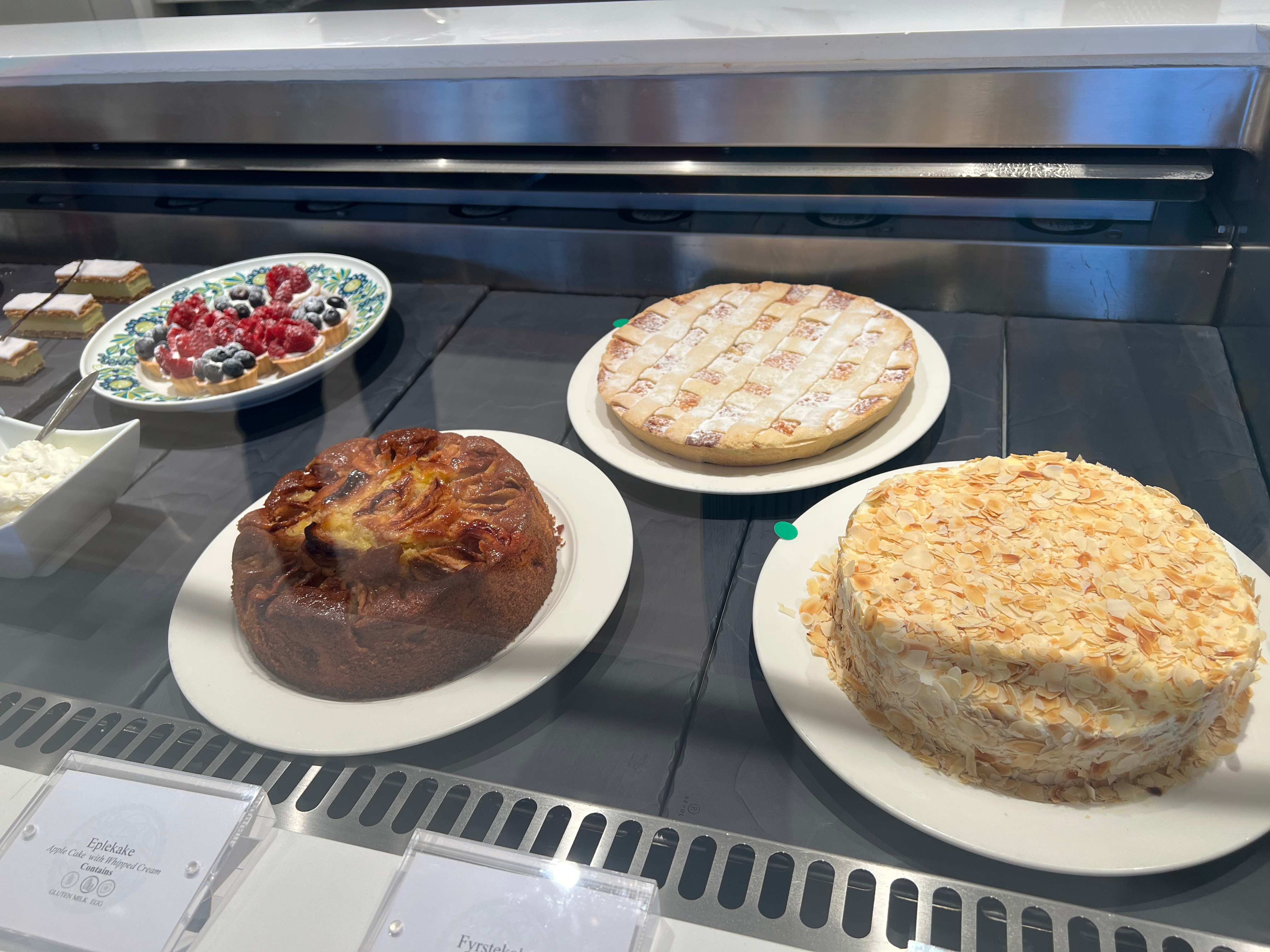


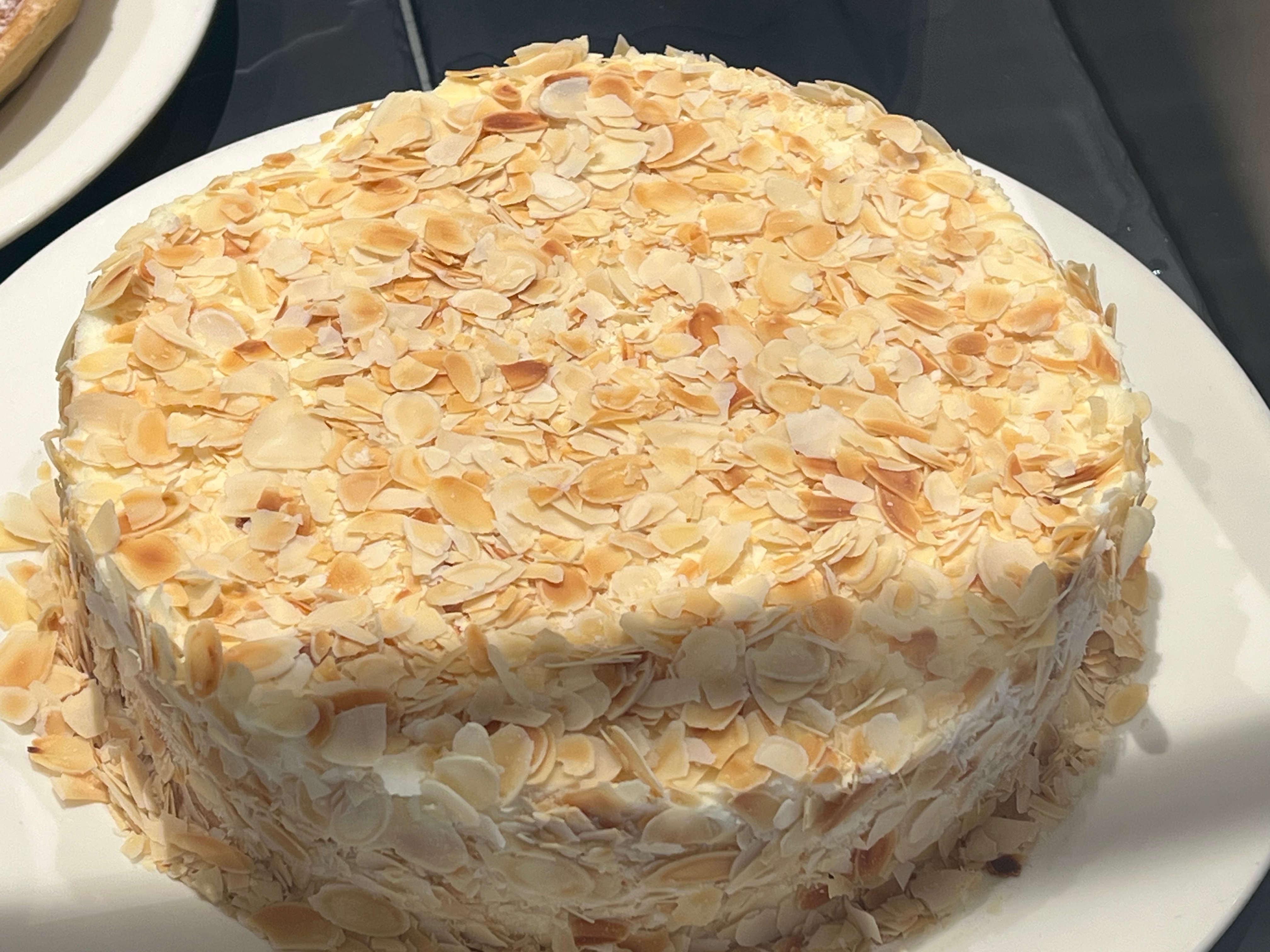
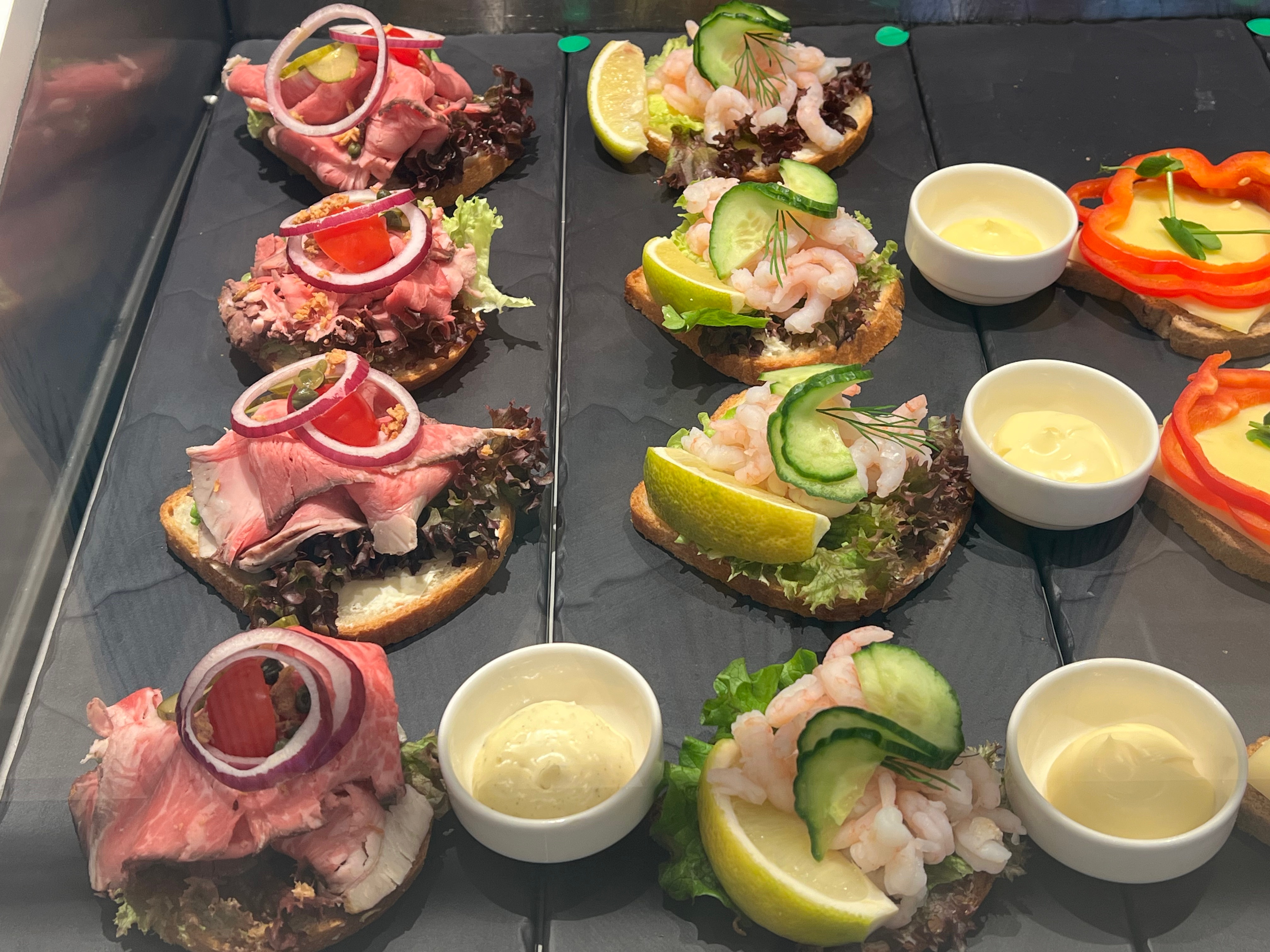
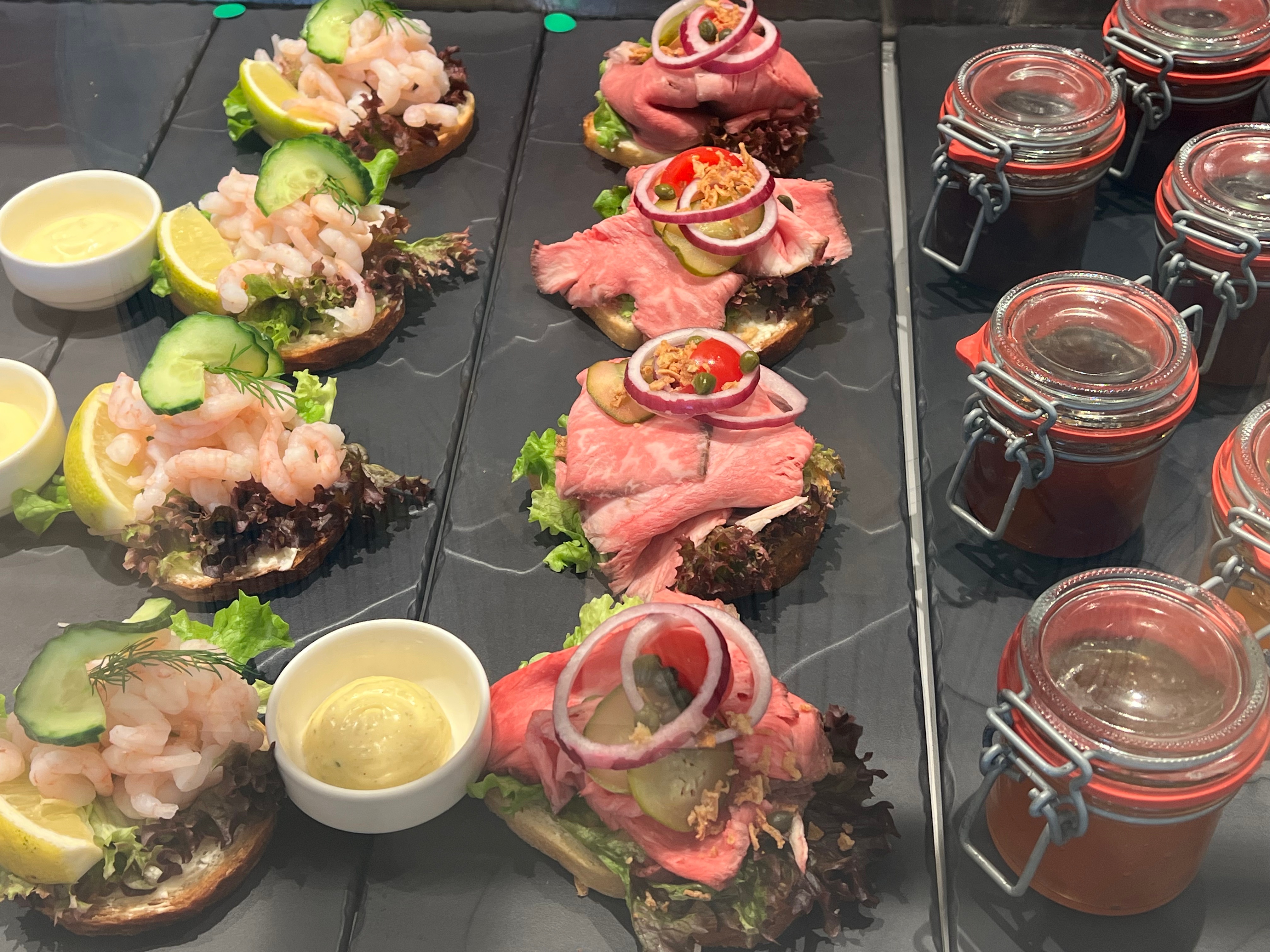
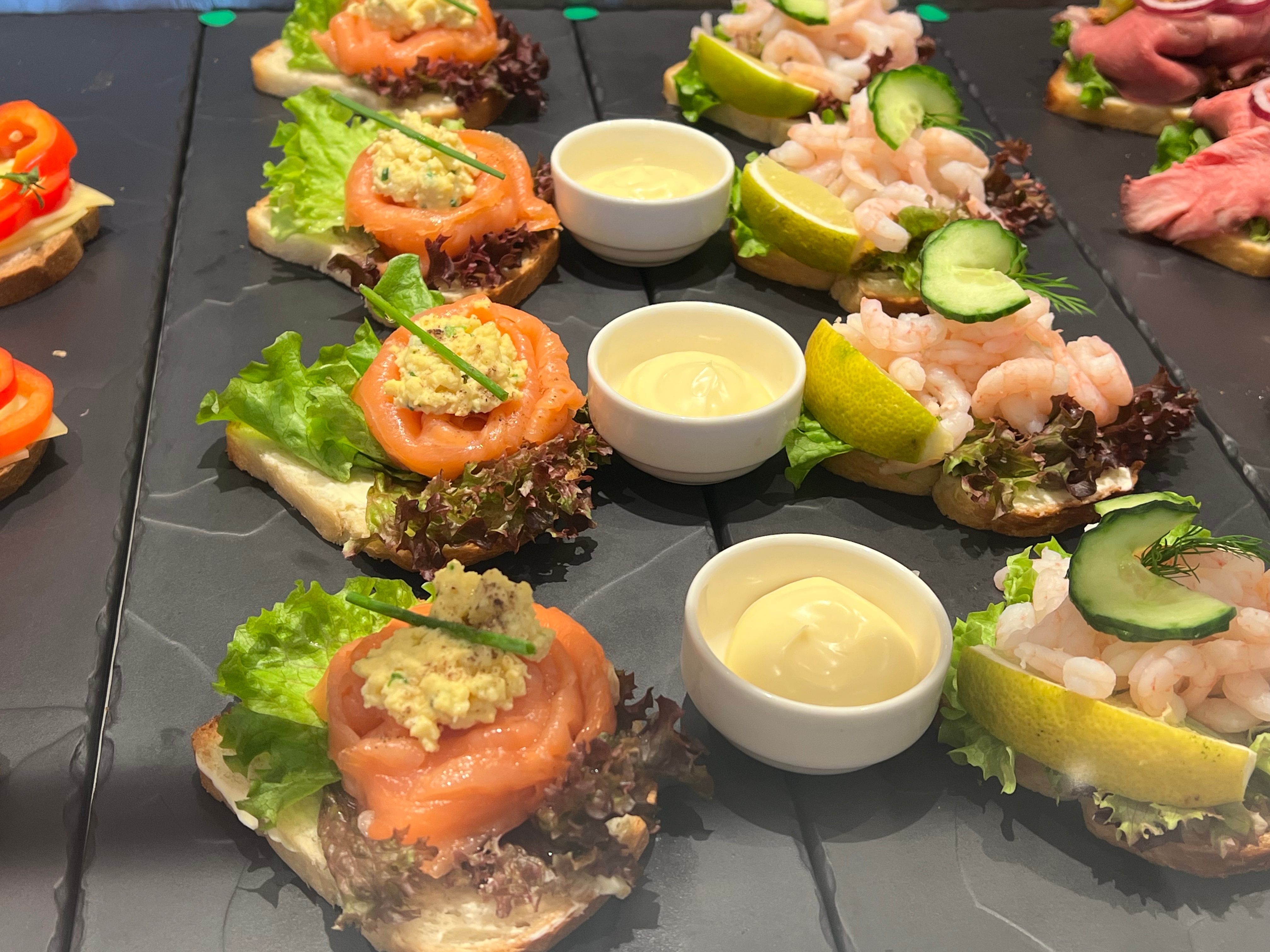
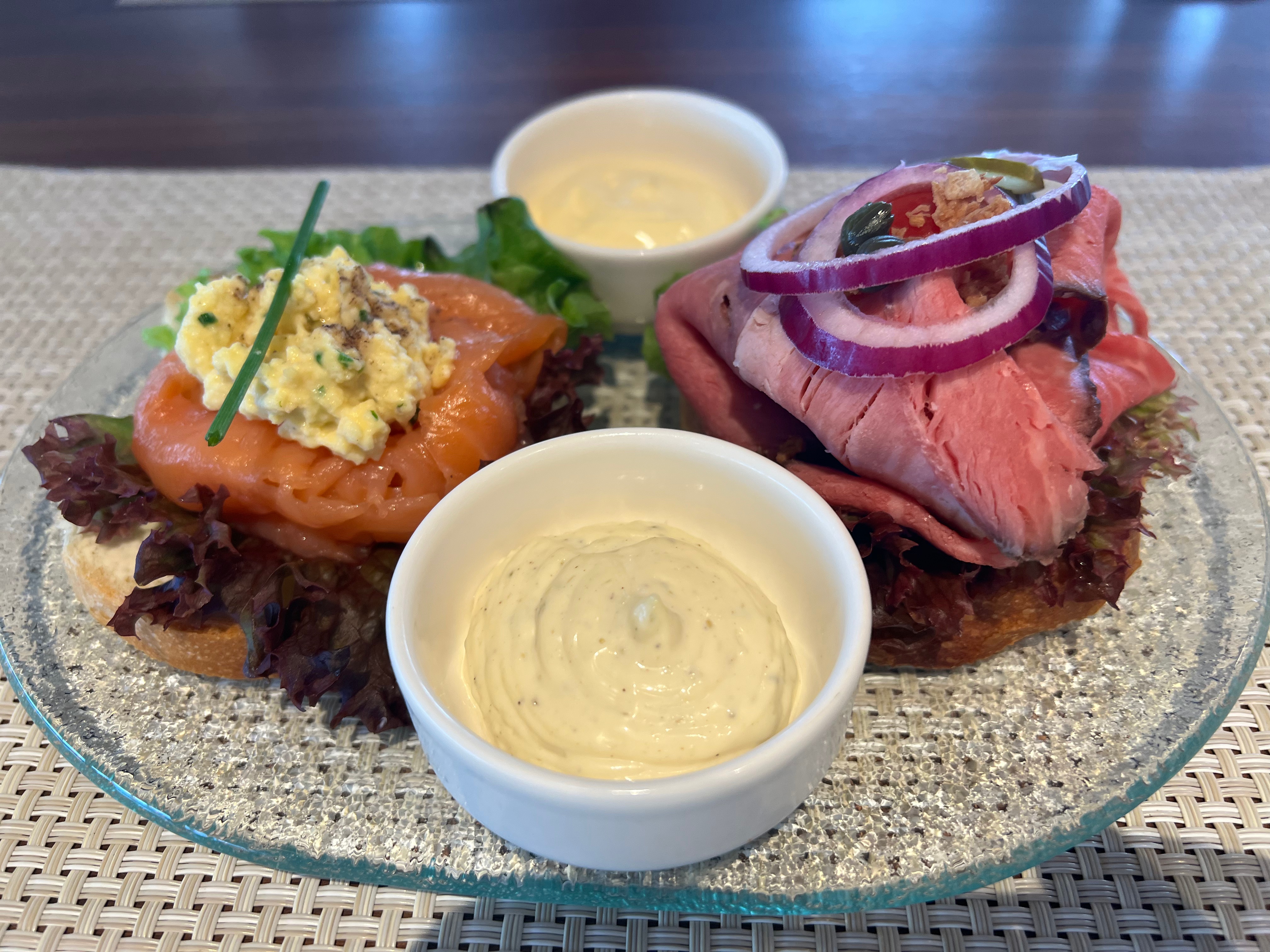
Service here was consistently warm, efficient, and friendly — perhaps a lesson waiting to be learned by other venues onboard. With extended hours from early morning until midnight, Mamsen’s caters equally to early risers and late-night snack hunters, even offering a surprisingly comforting split pea soup.
My favourite culinary spot on Viking Vela. No contest.
Click here to see the Mamsen’s experience on Viking Vela: https://youtu.be/oOMrEfV5PTo
As relaxed as it gets, the Pool Grill offers burgers, hot dogs, sandwiches, and salads — prepared to order in a laid-back poolside setting. The food itself was genuinely tasty, especially the burgers and hot dogs.
Unfortunately, the strong smell of chlorine from the covered swimming pool occasionally competed with the aroma of grilled food — a sensory pairing no chef would recommend.
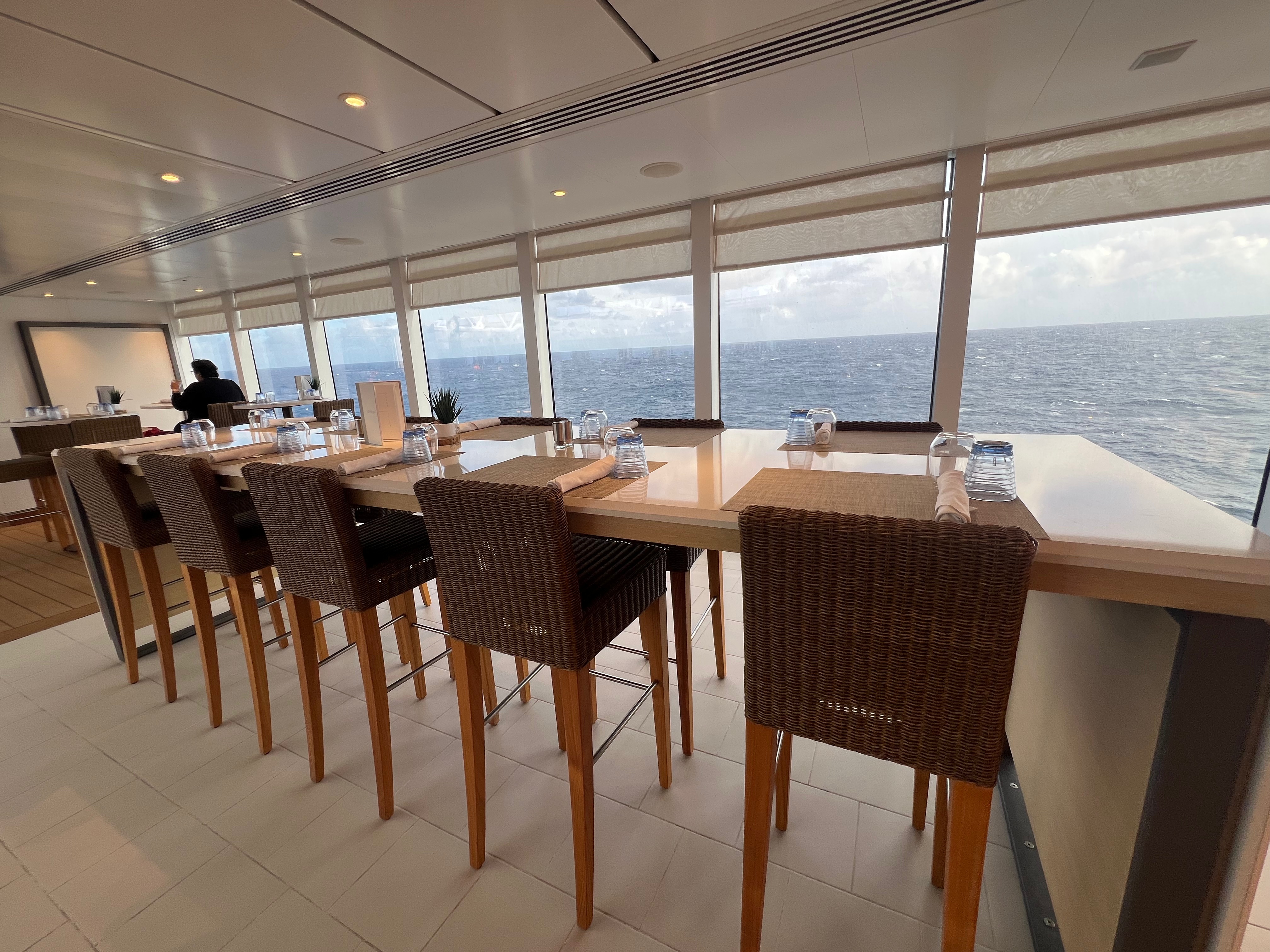
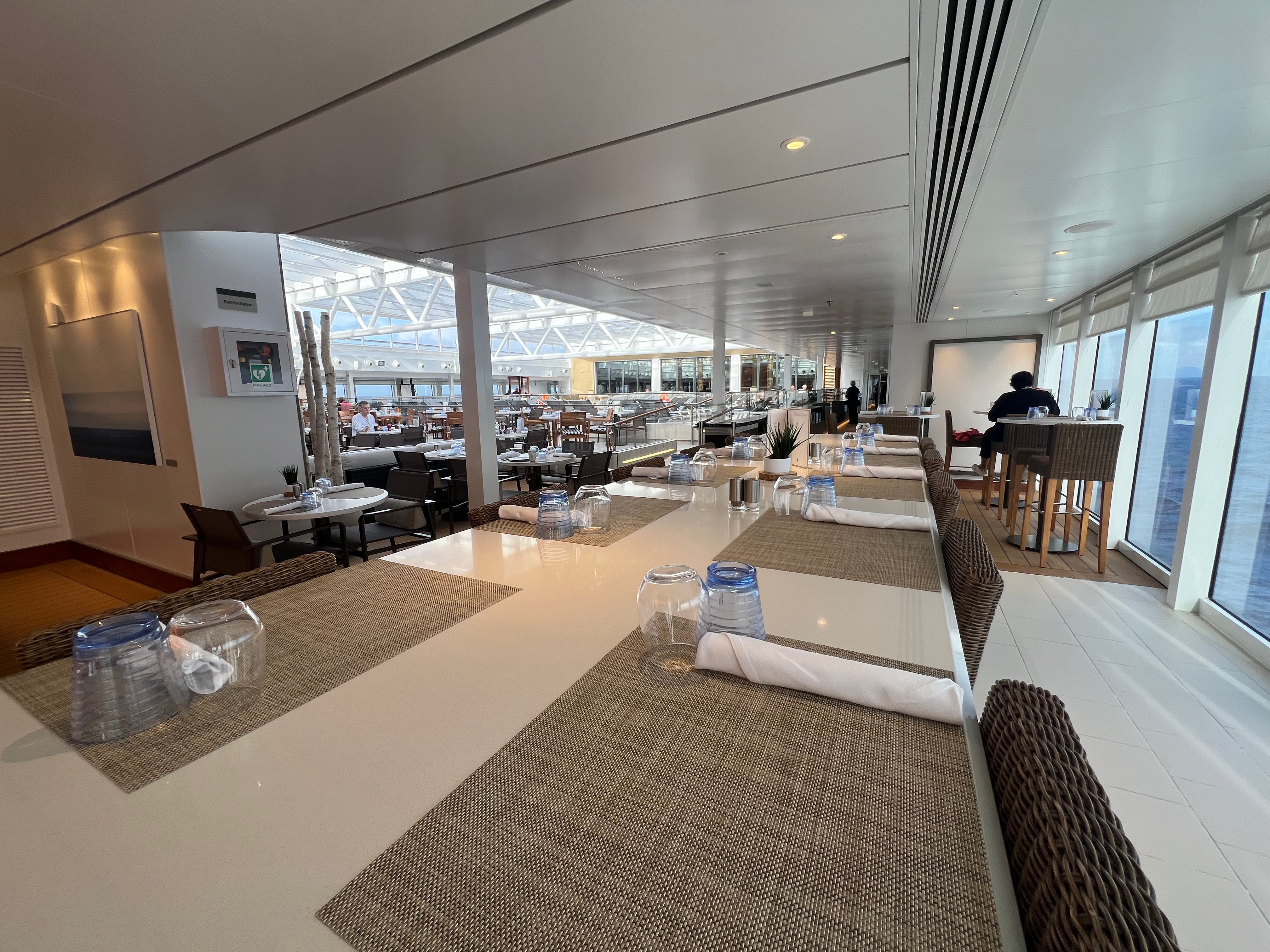
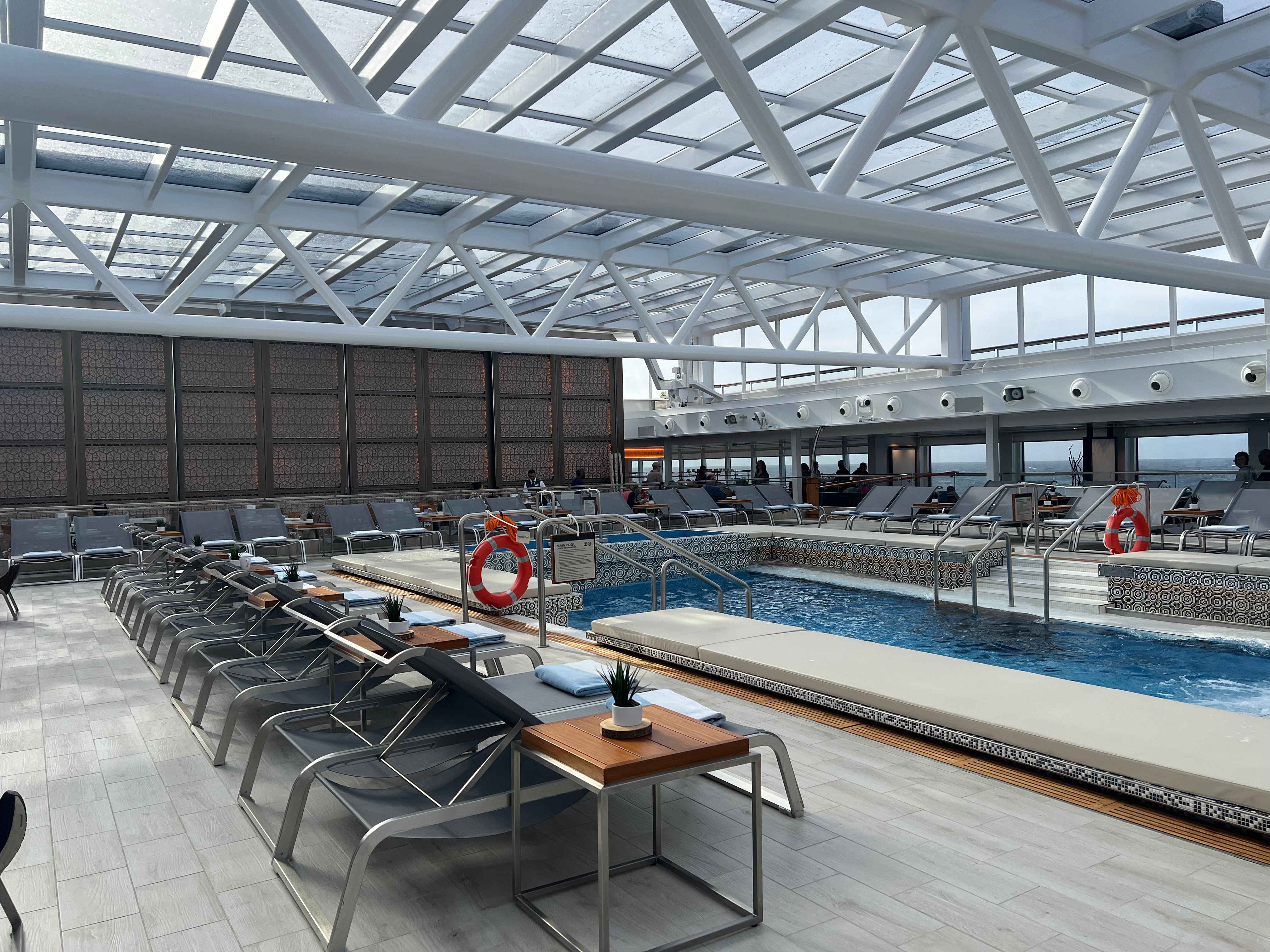
That said, the BBQ extravaganza was a highlight, offering good variety and a service style smartly balanced between pool attendants and waiters. Casual, enjoyable, and exactly what it promised to be.
Viking Vela offers two included specialty restaurants: Manfredi’s and The Chef’s Table. Guests in higher cabin categories can book before embarkation. For those in entry-level cabins like my V1, reservations are only possible after boarding — and securing a table felt more like a competitive sport than a perk.
Everything was fully booked. The reservations team showed little enthusiasm for problem-solving, placing us on a waiting list with no follow-up. The Viking app became my new best friend — checking multiple times a day until last-minute cancellations miraculously appeared, especially for later dining slots.Persistence pays. Eventually.
Despite Viking’s Scandinavian identity, Manfredi’s Italian Restaurant is unapologetically abundant and American in spirit. Think Arizona pasta diner rather than Amalfi Coast trattoria.
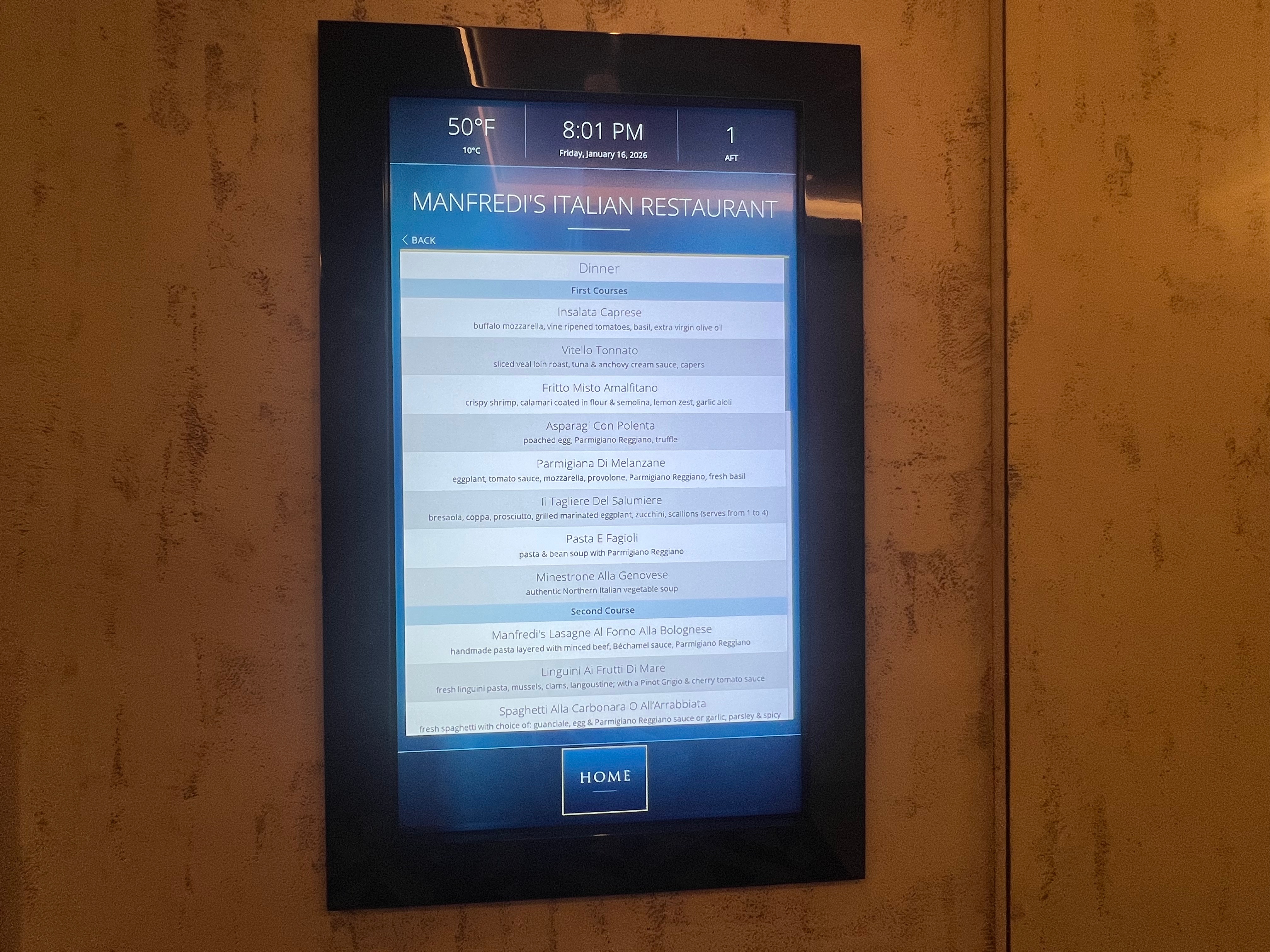
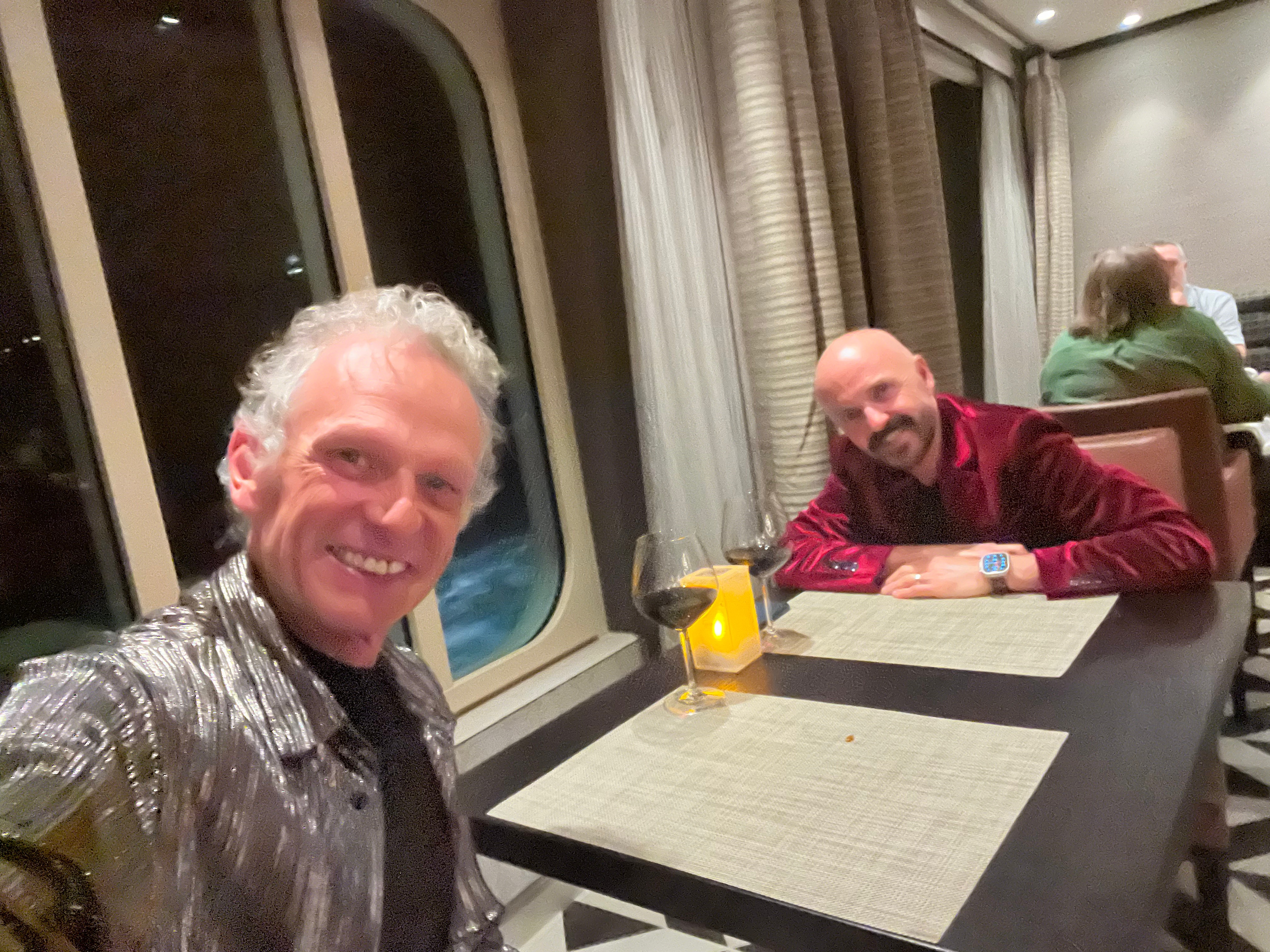
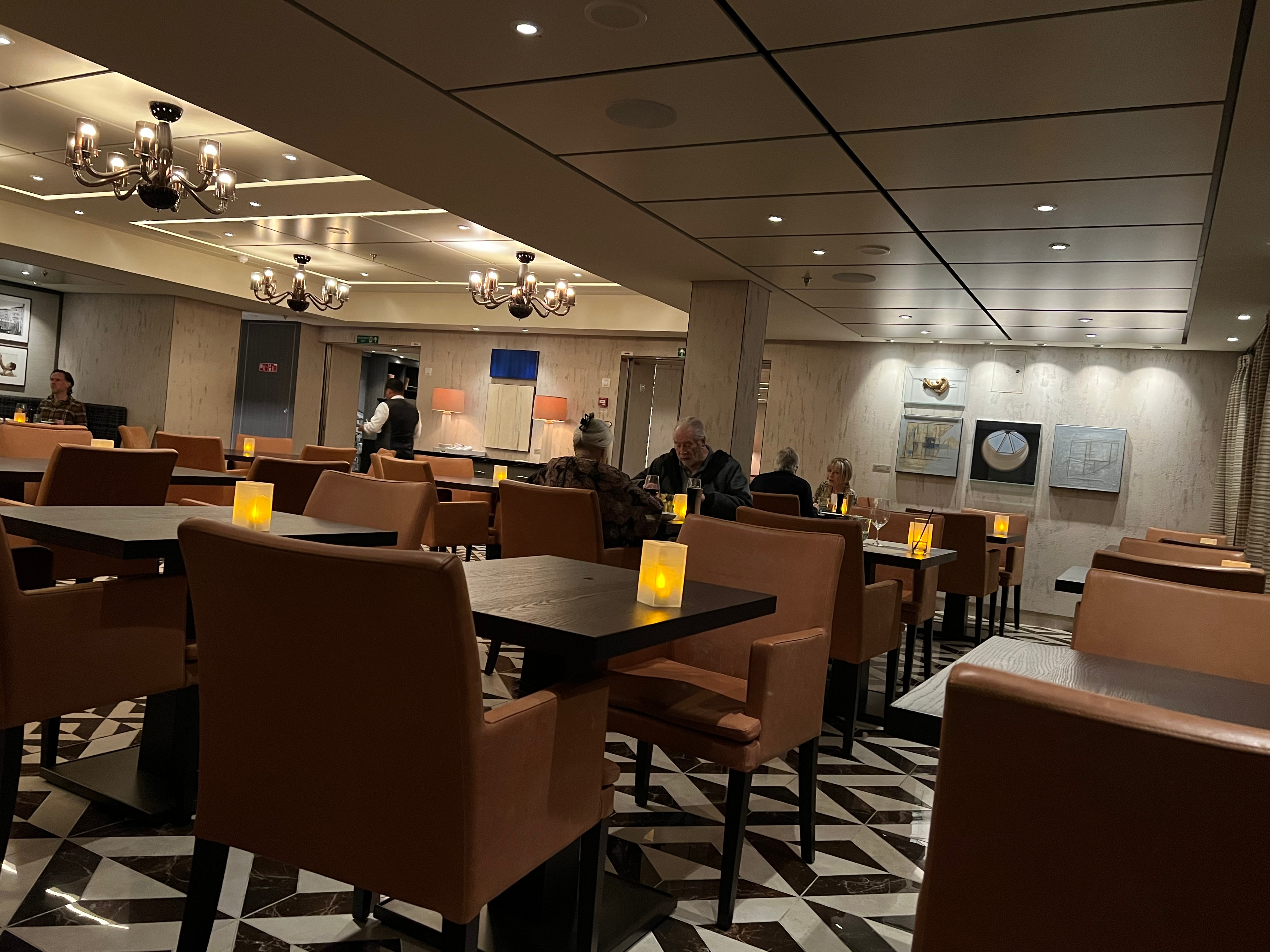
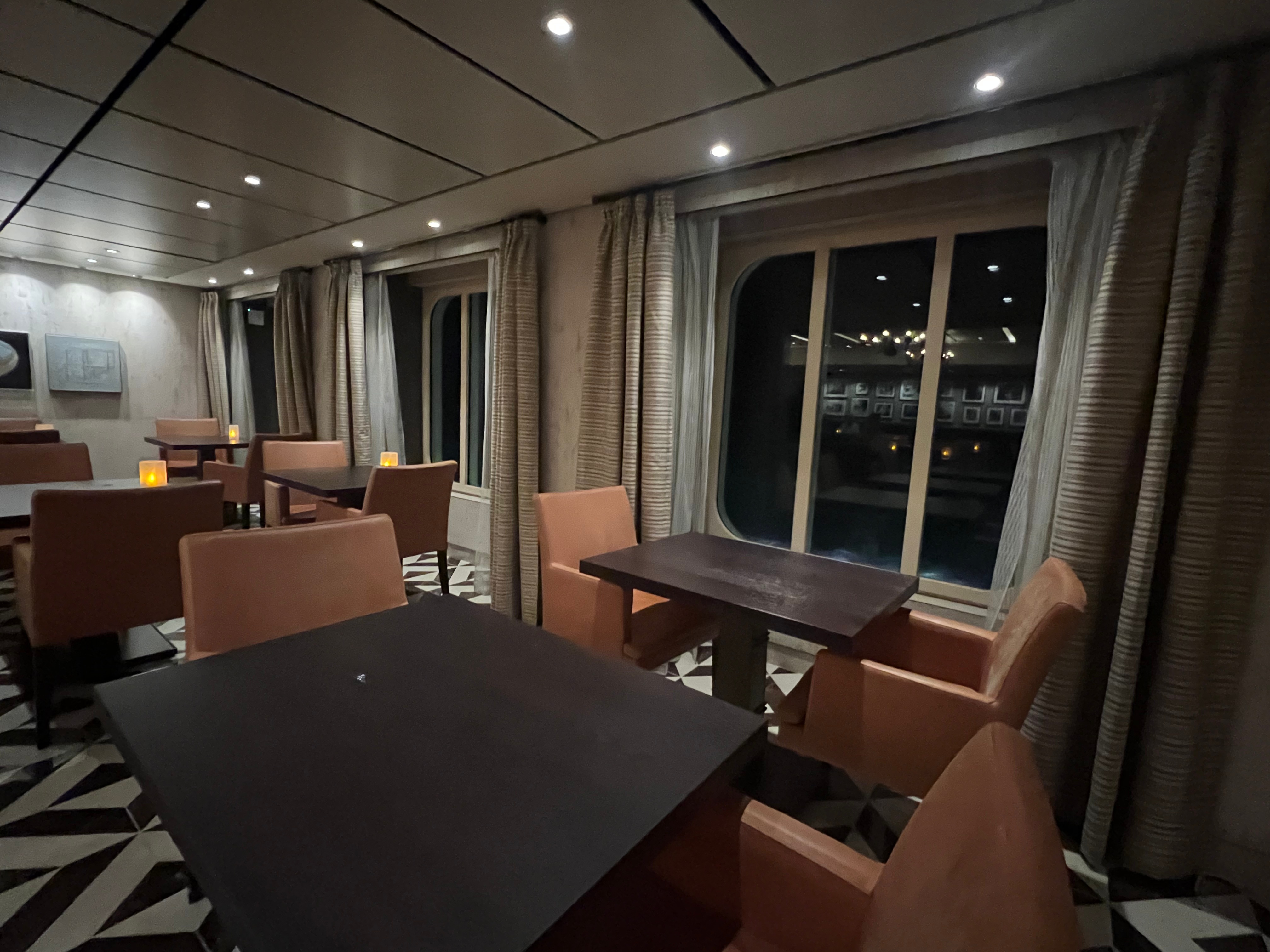
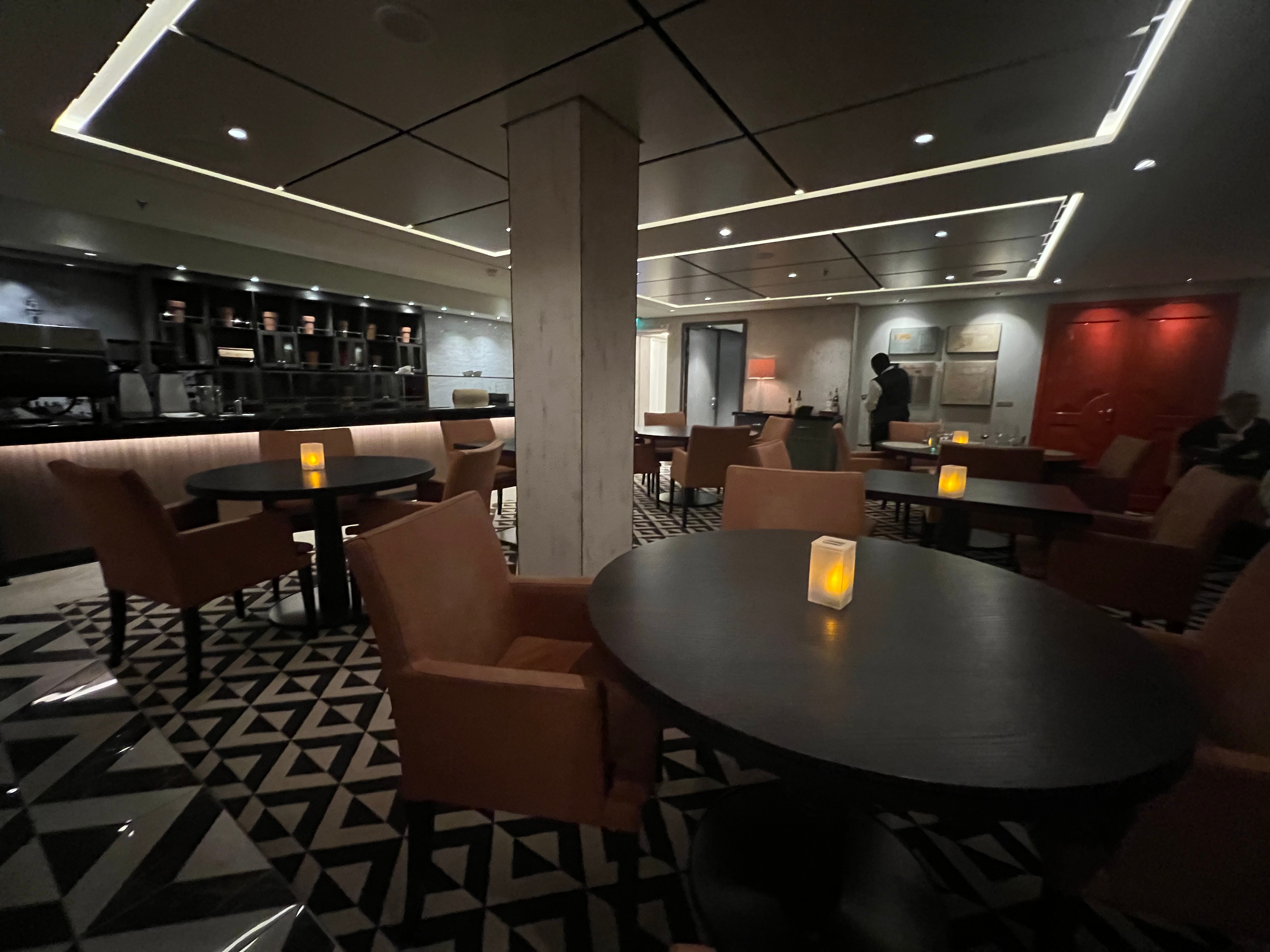
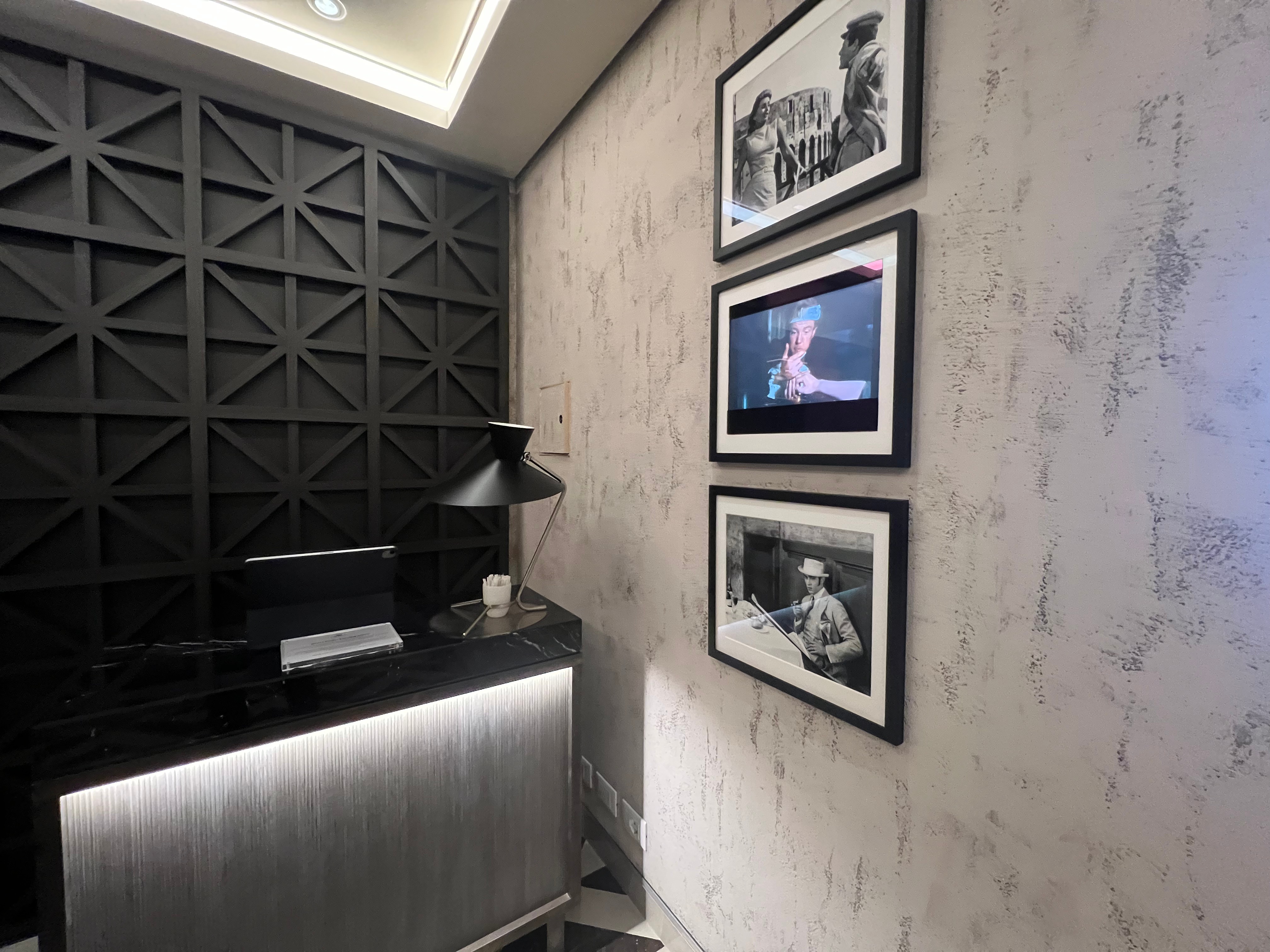
The experience involves at least five hearty courses, and while the food is decent, it leans heavily into generous portions and familiar flavours. Pasta and risotto dishes are the strongest offerings. The mains — rib-eye Bistecca Fiorentina, seafood platters, lamb, short ribs — are all competently prepared and, unsurprisingly, mostly sous-vide.
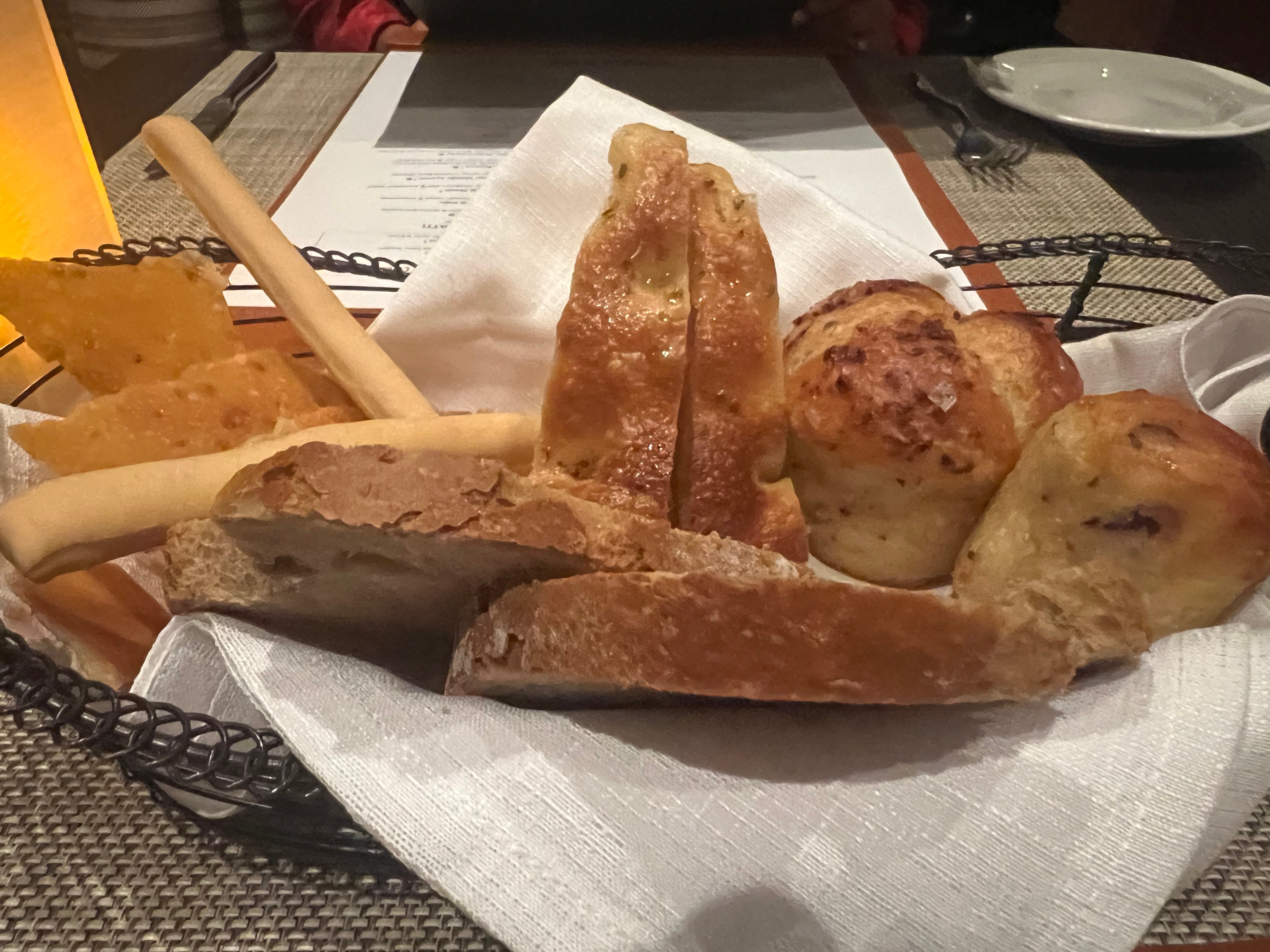
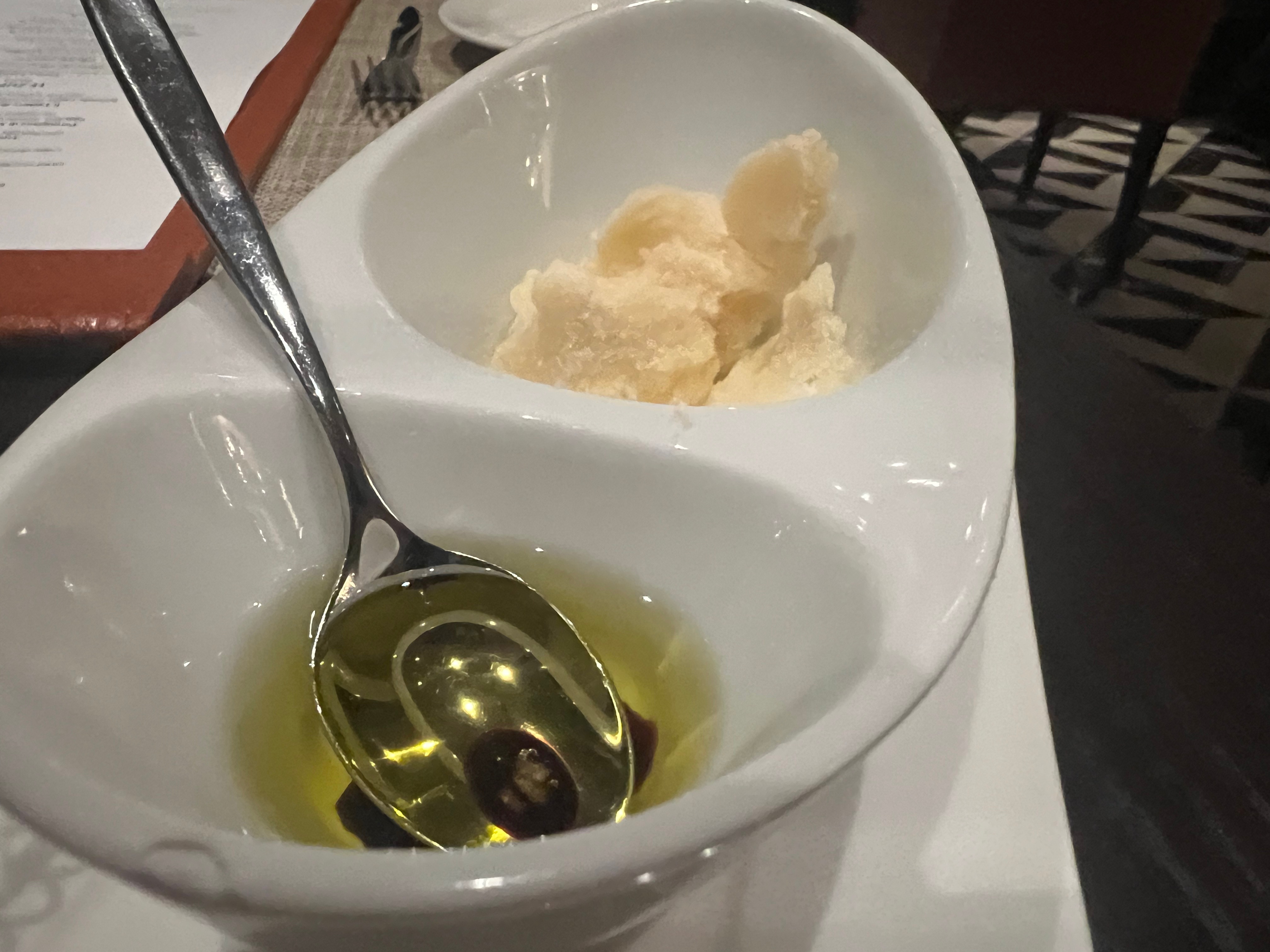
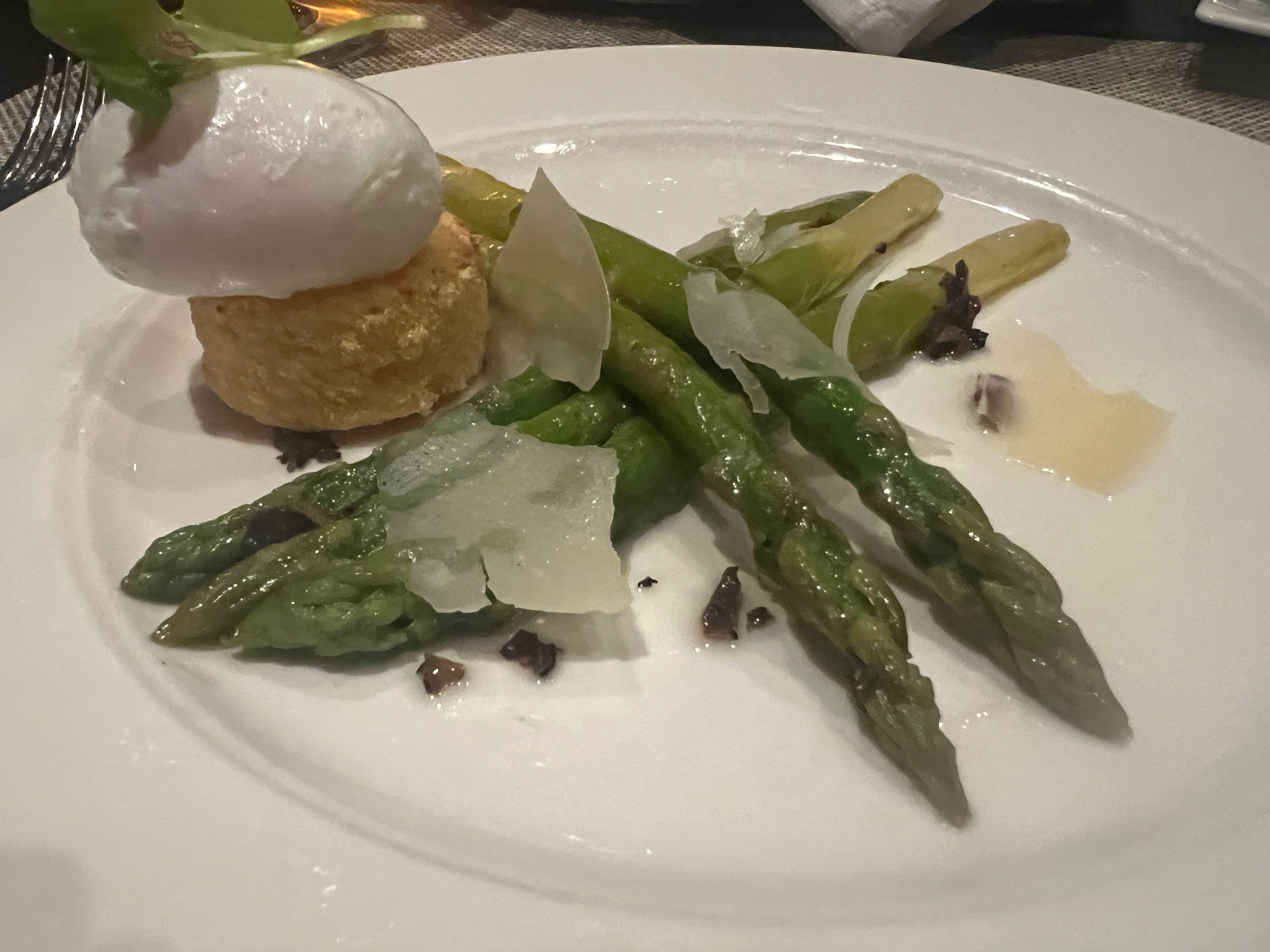
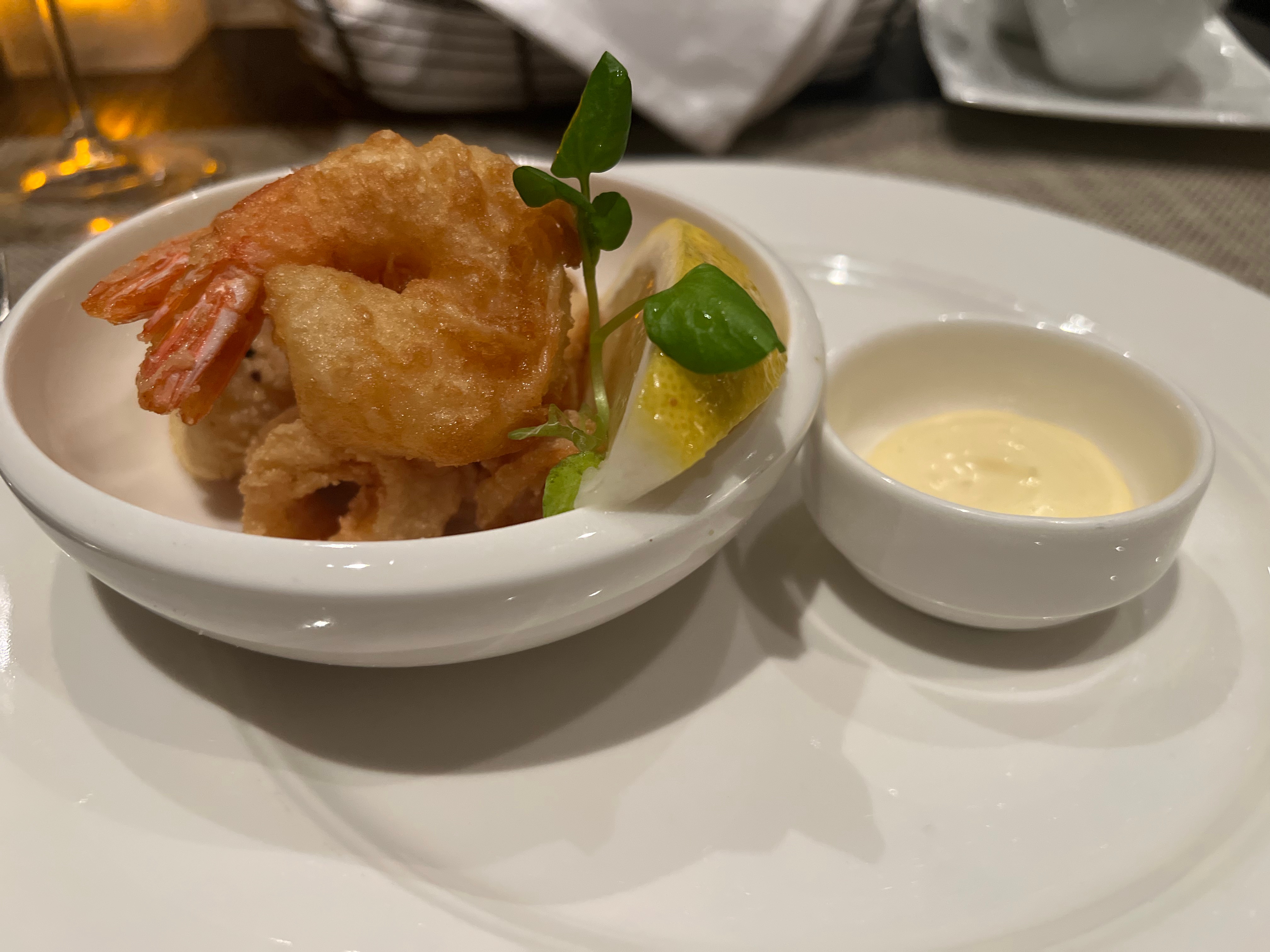
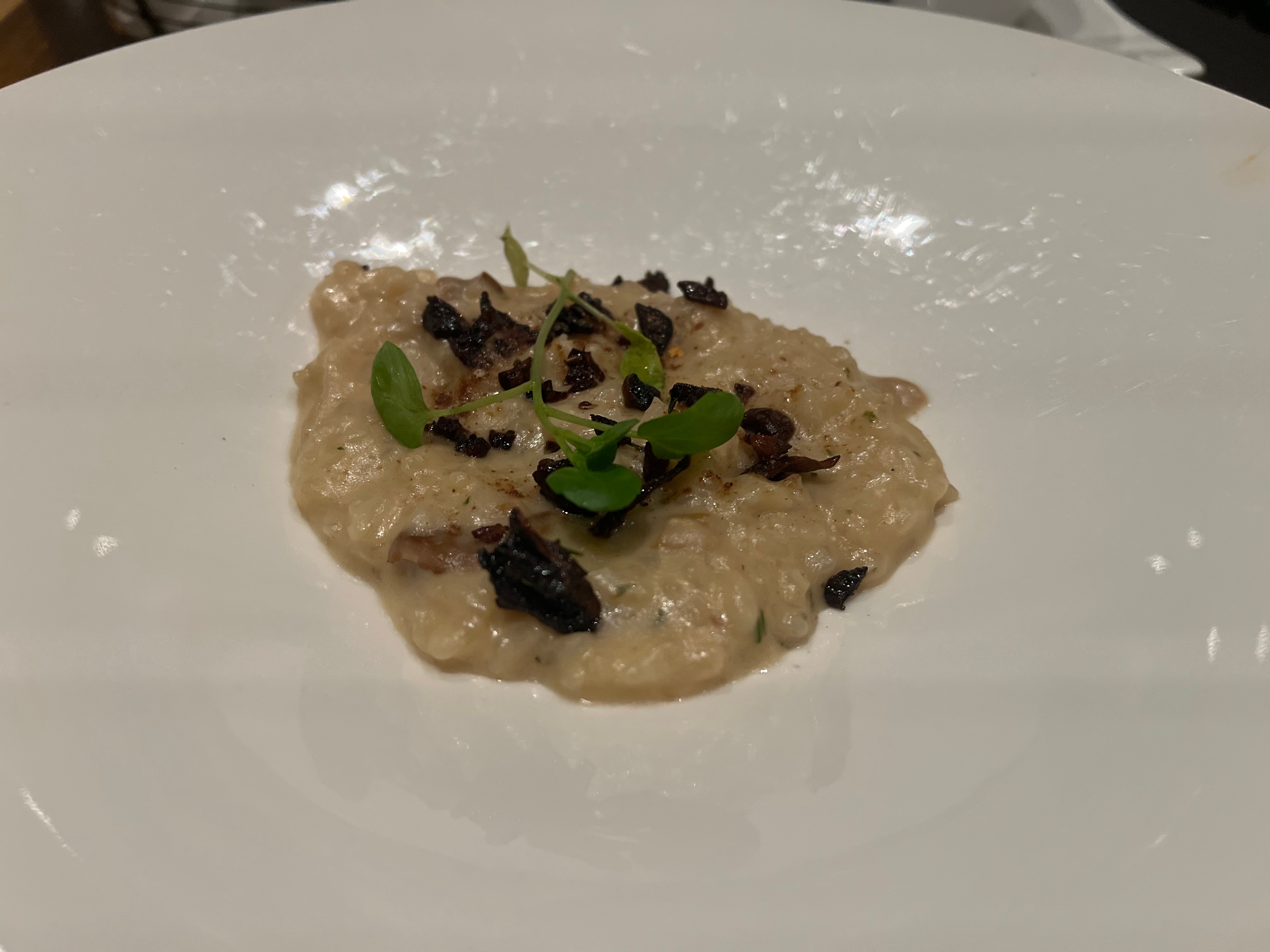
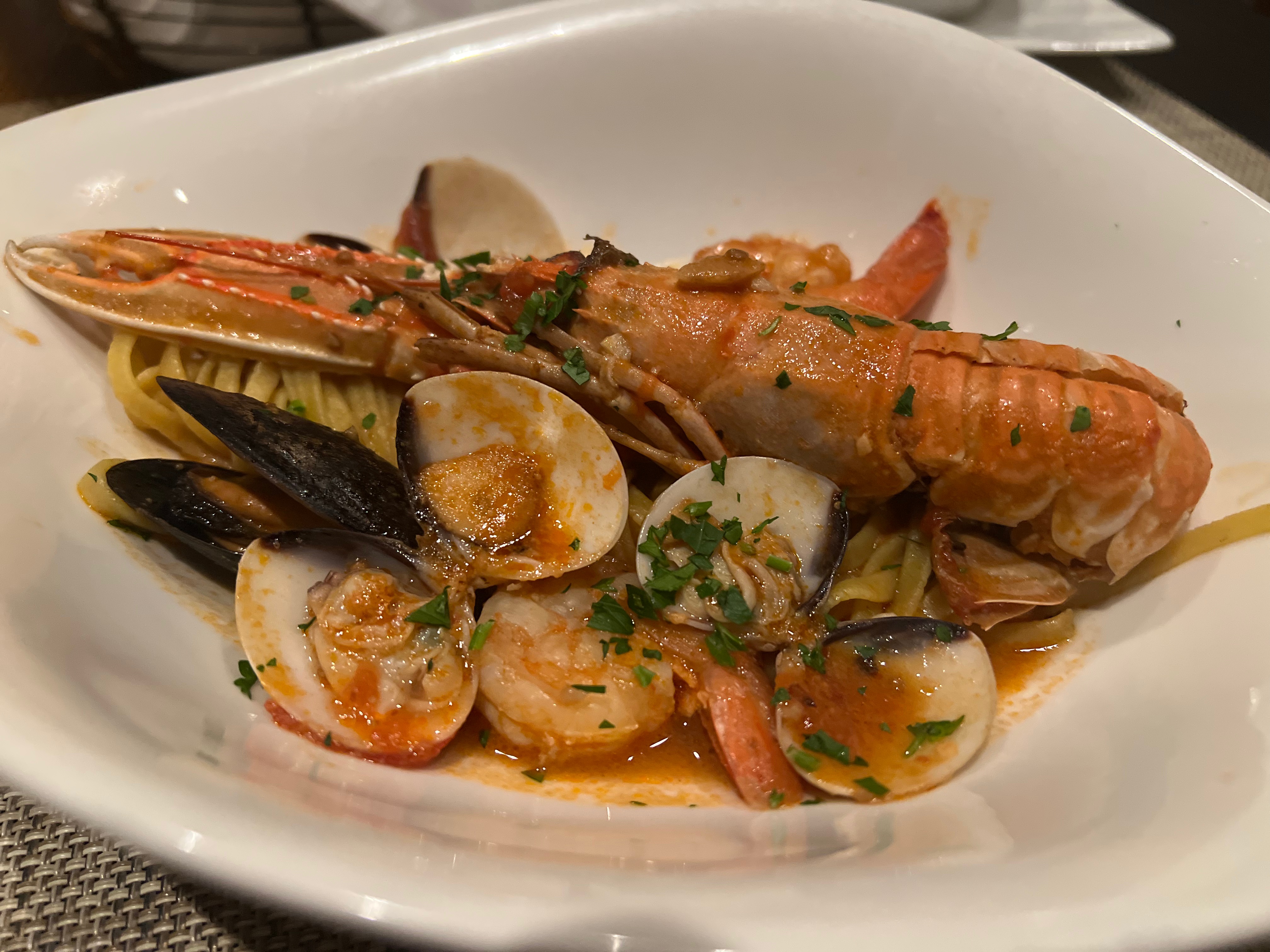
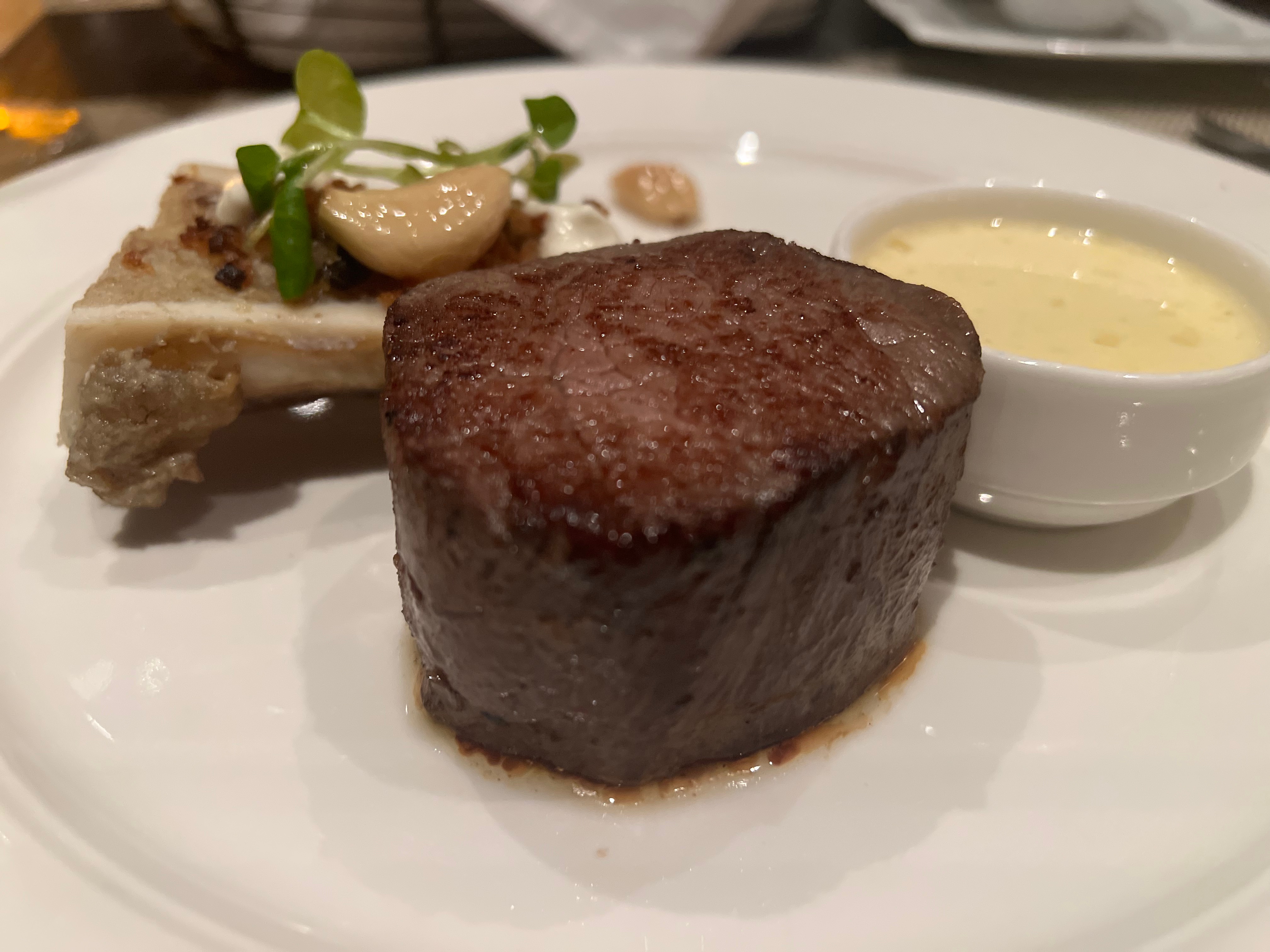
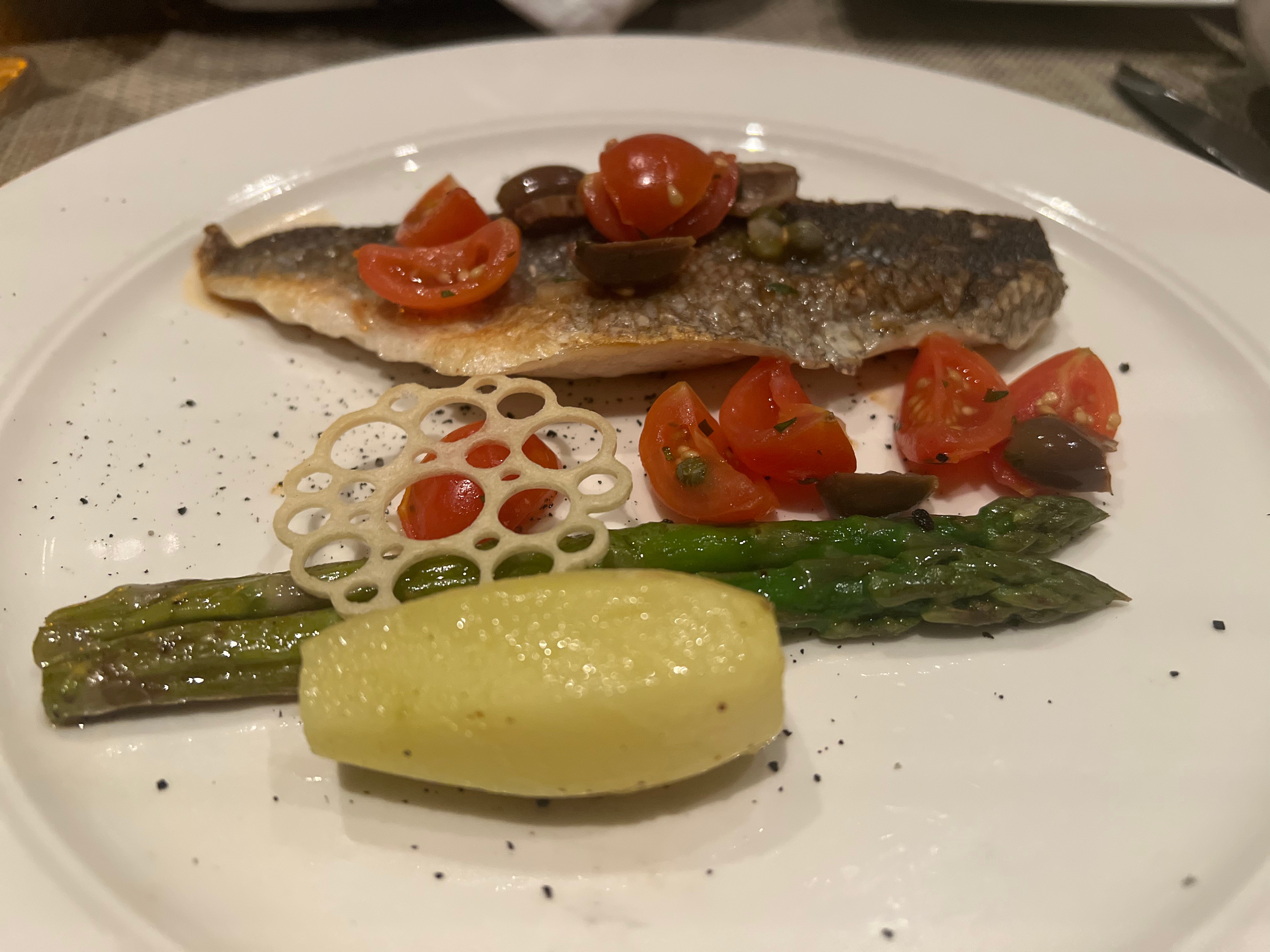
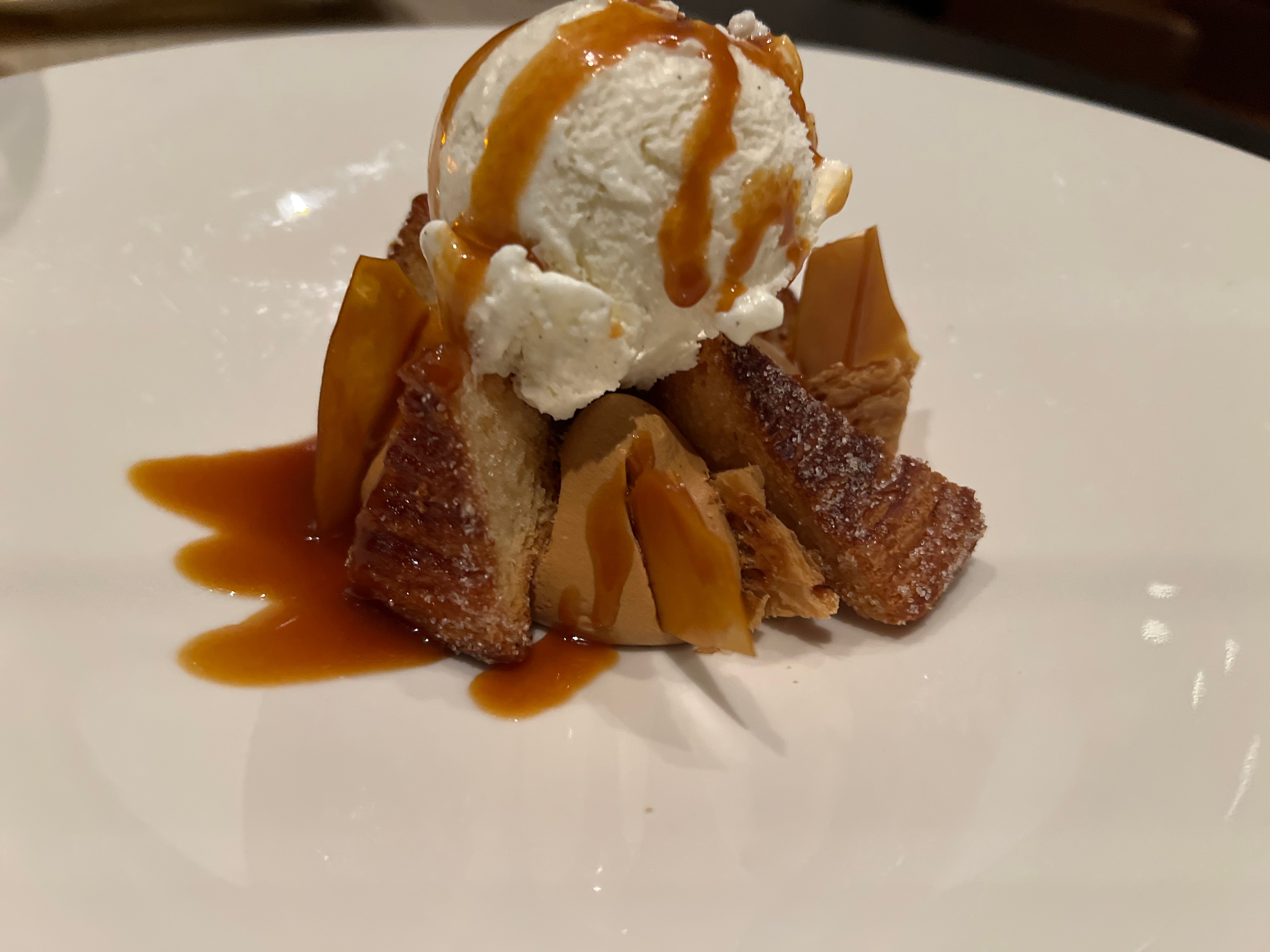
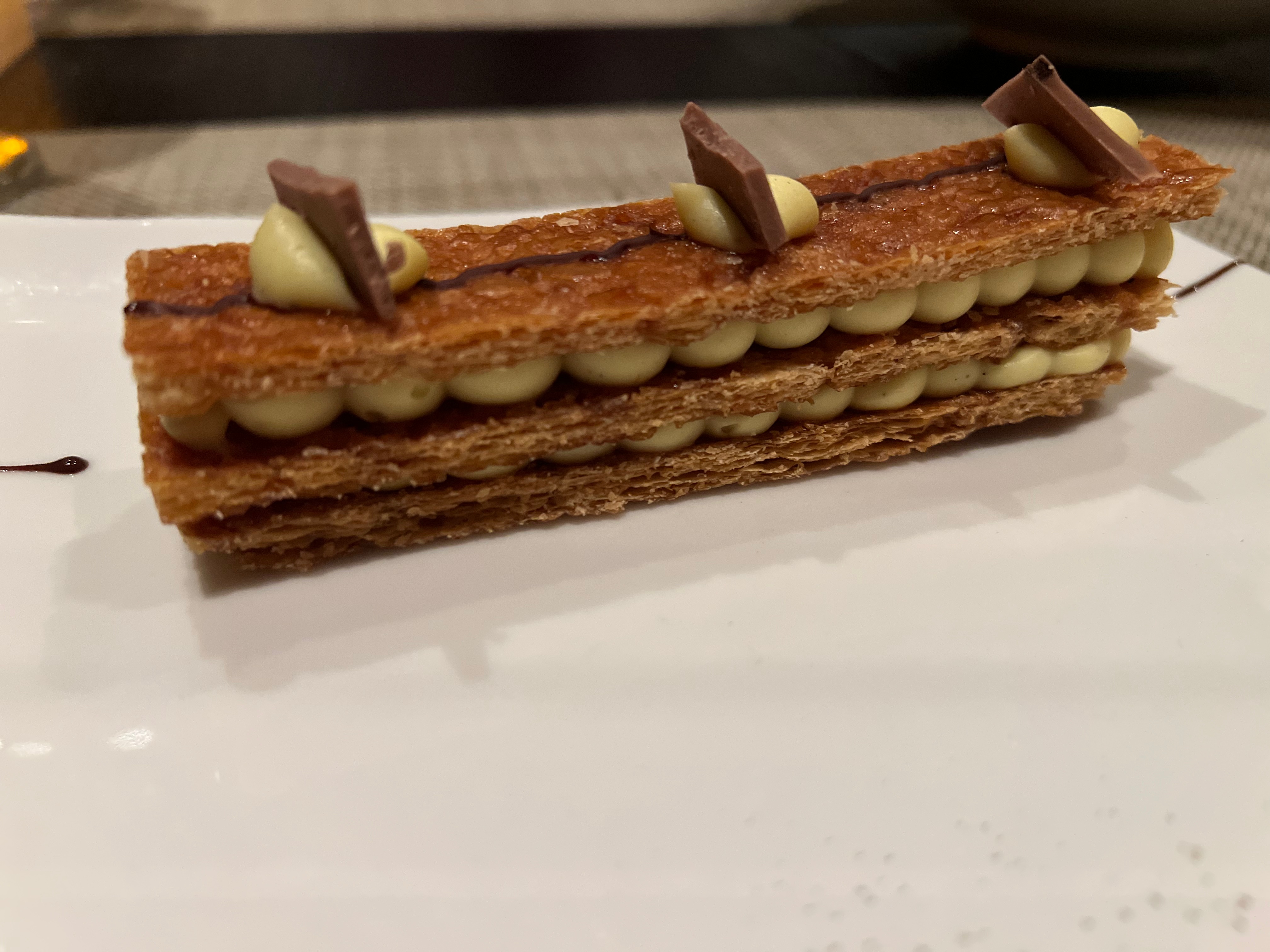
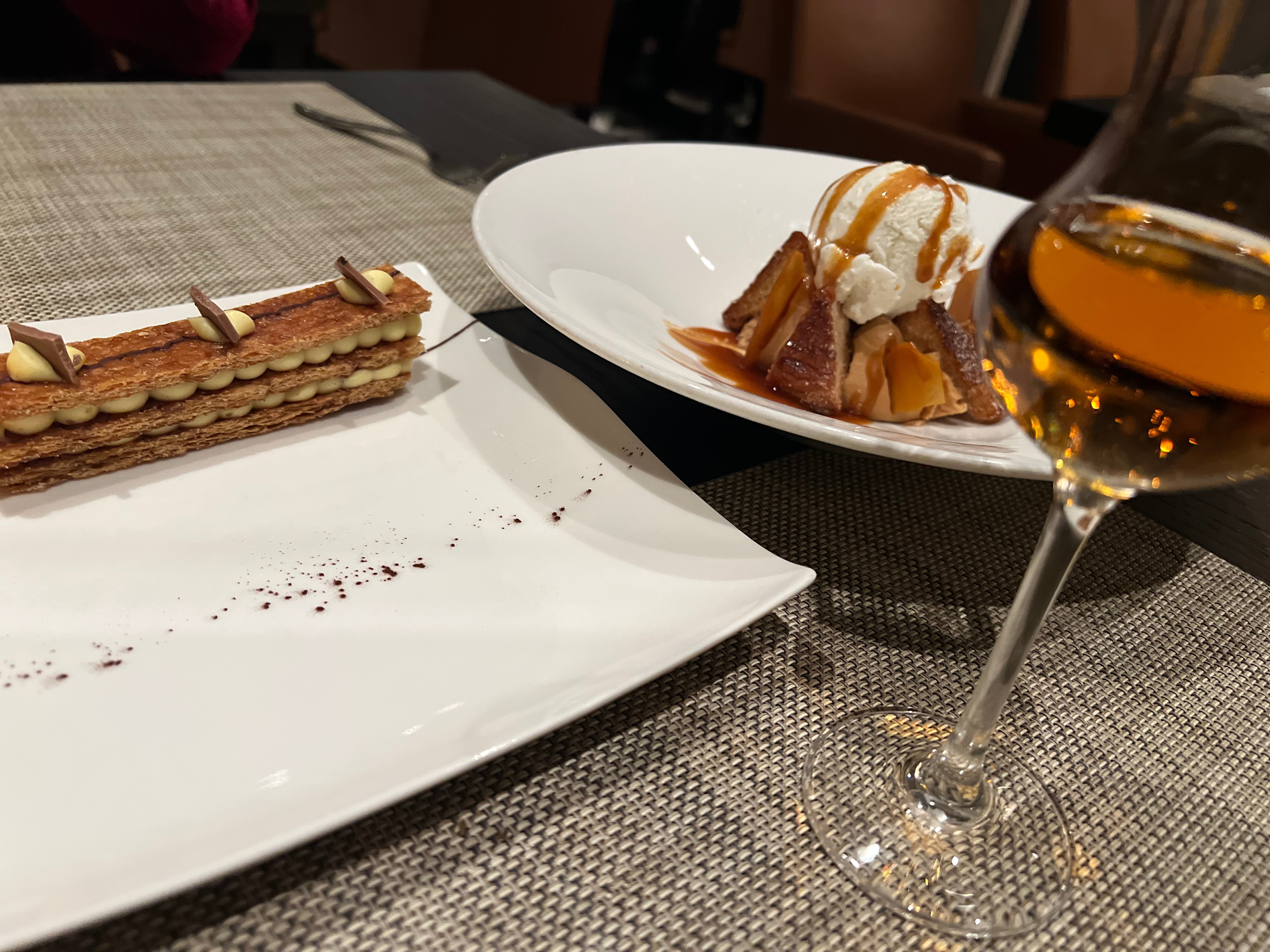
It’s good. It’s filling. It’s fine.
But it never reaches that “Caspita!” moment.
Click here to see my dining experience in Manfredi’s: https://youtu.be/O6eDmtNfytY
The more intimate of the two specialty venues, The Chef’s Table offers five-course tasting menus focused on specific cuisines or regions, rotating every three days.
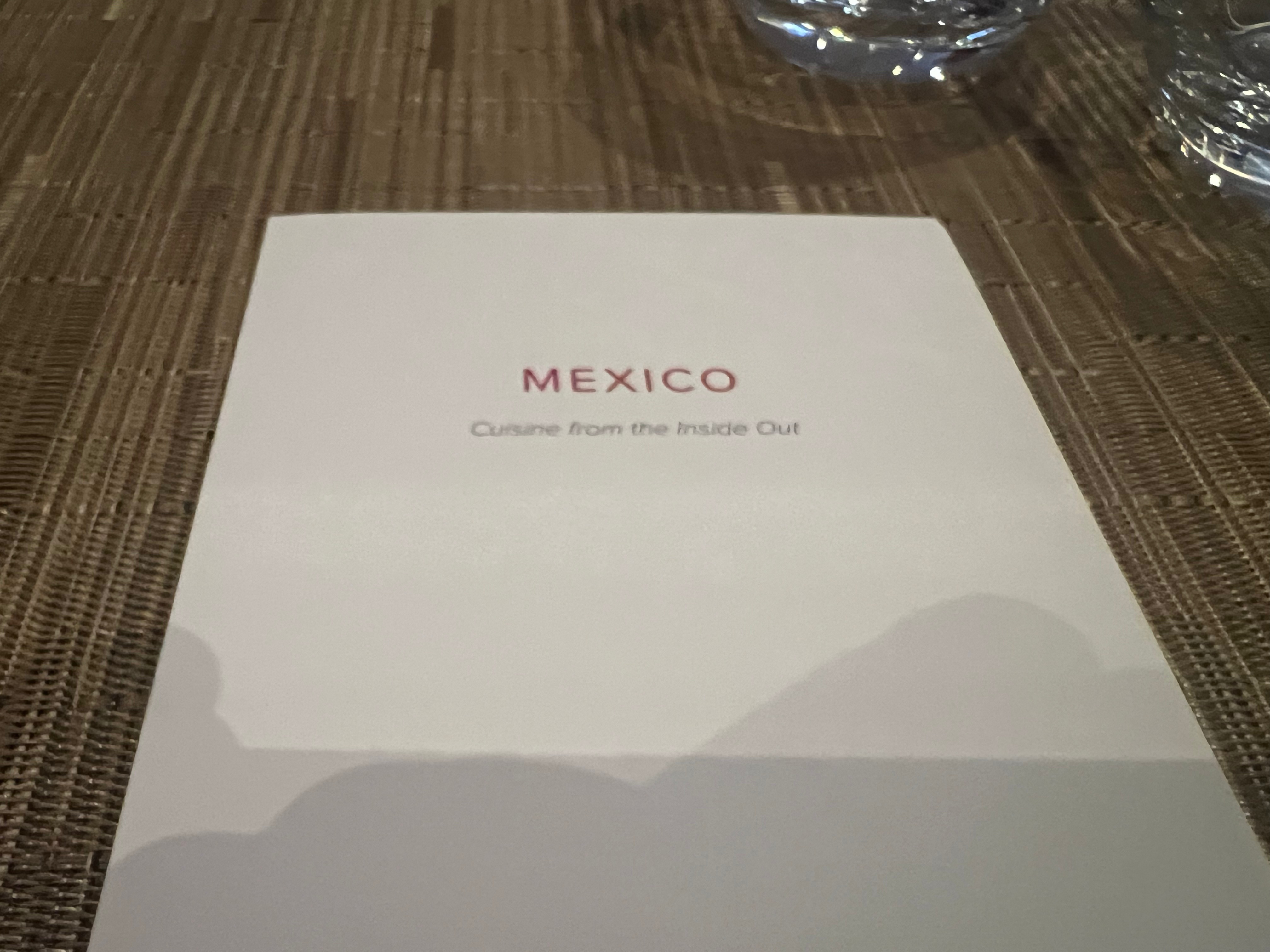
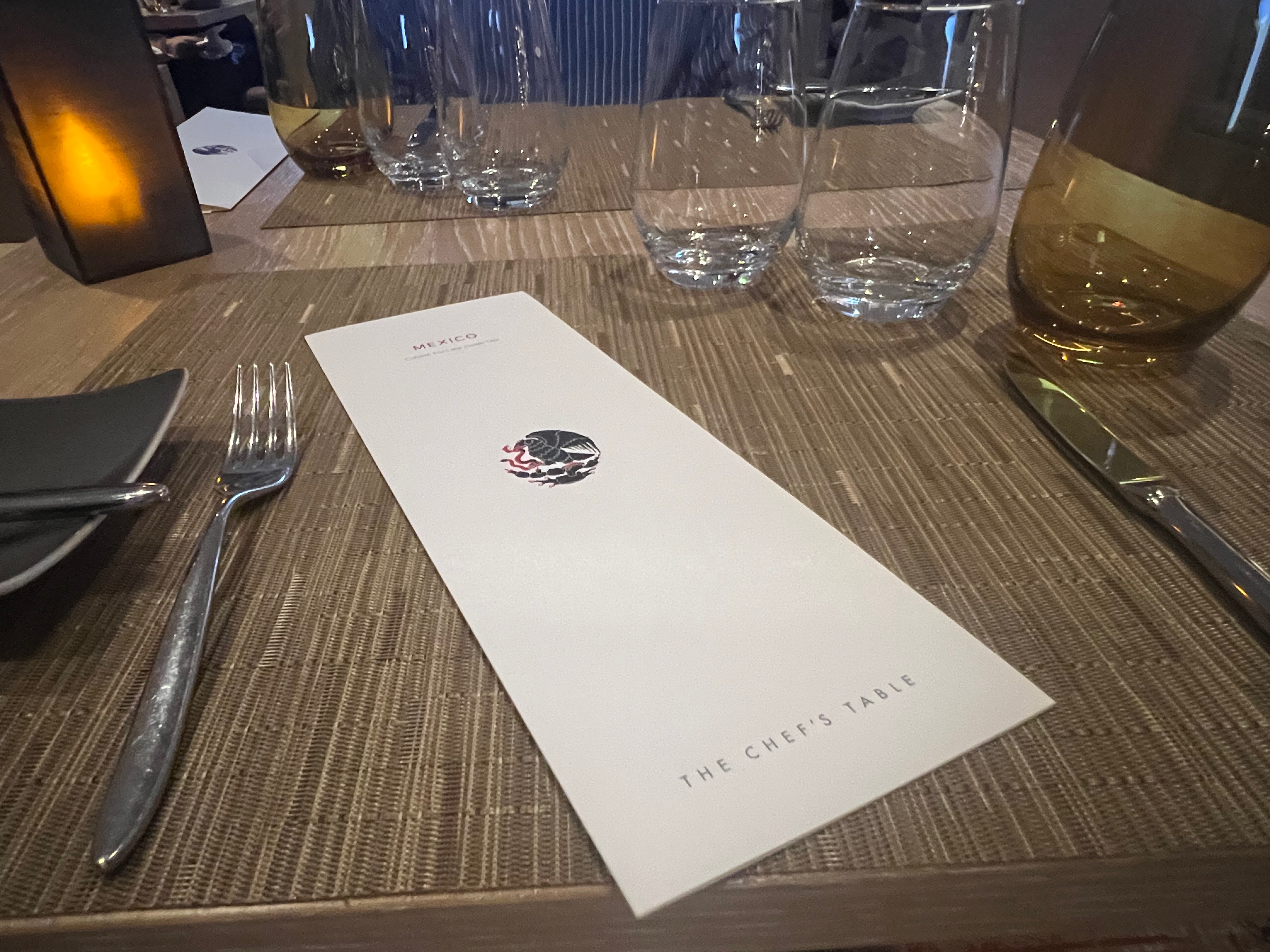
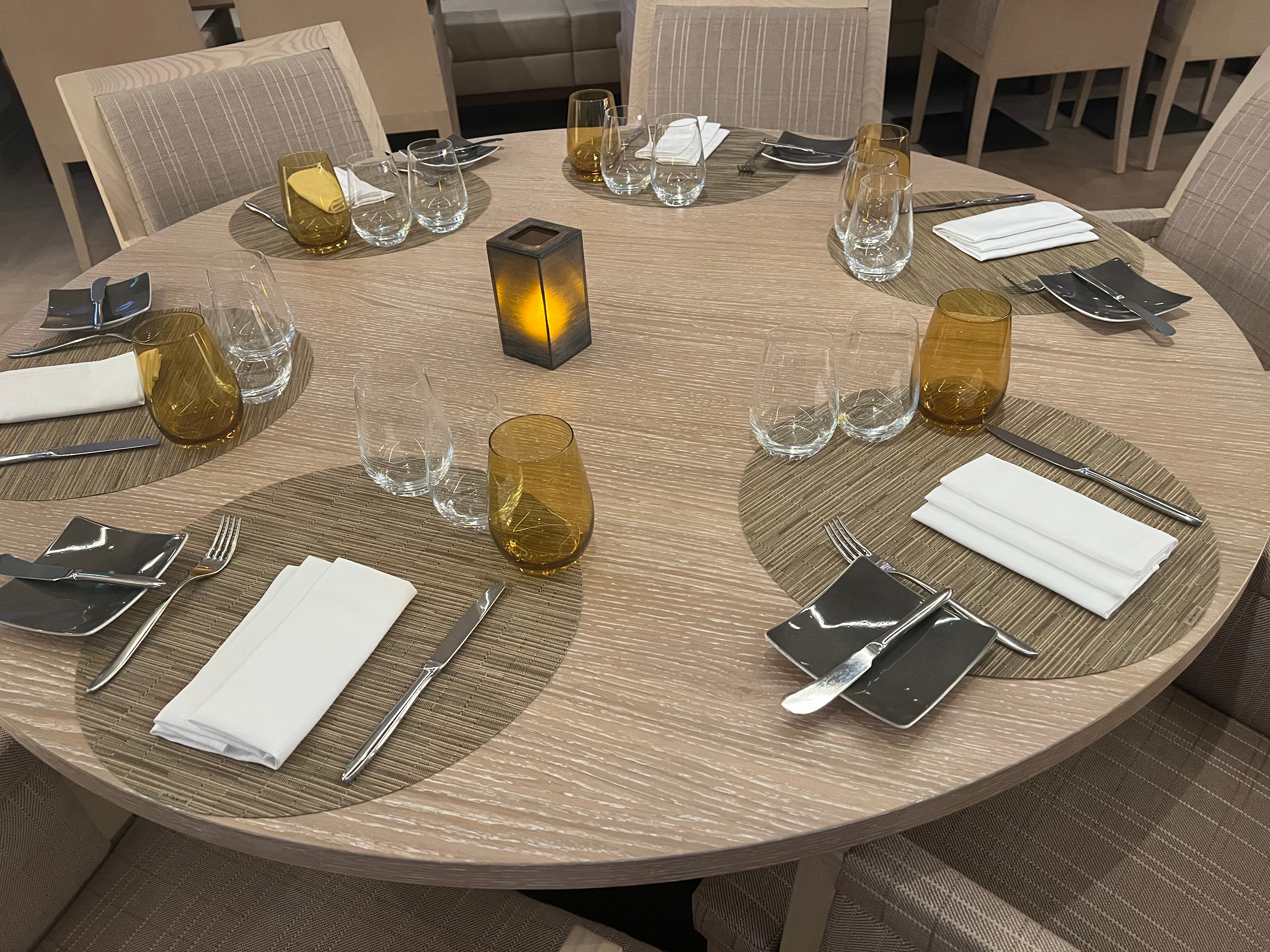
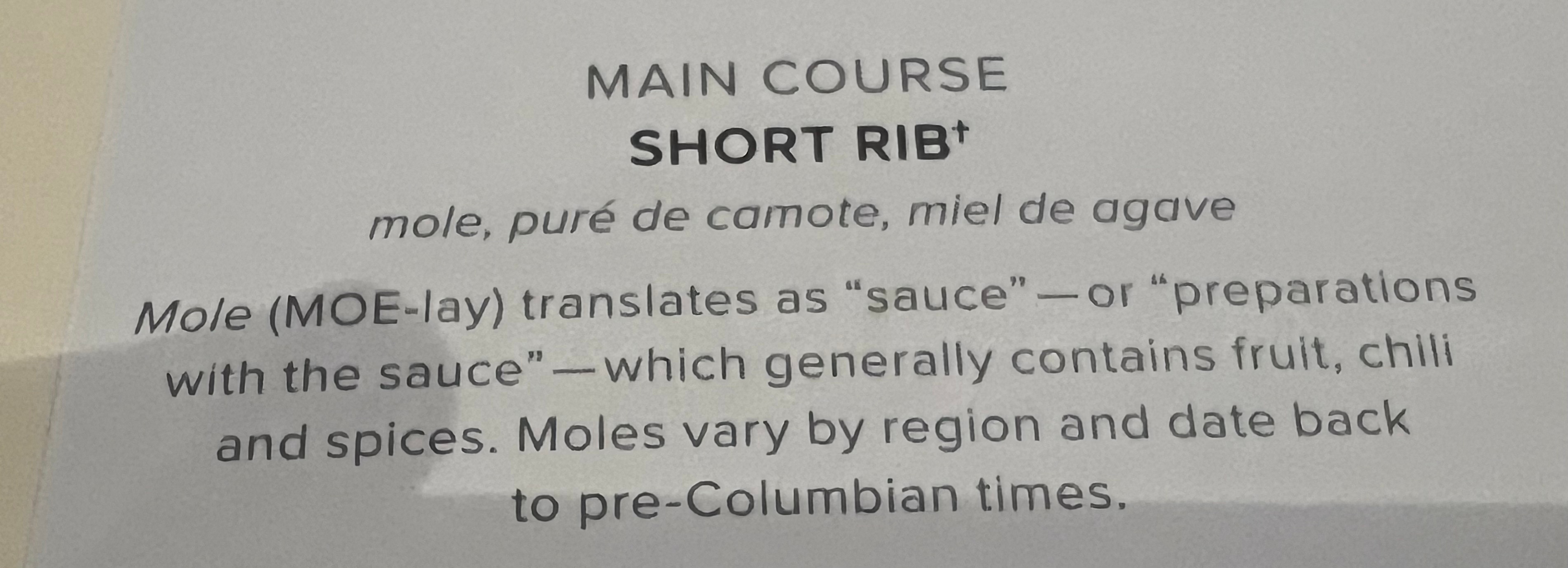
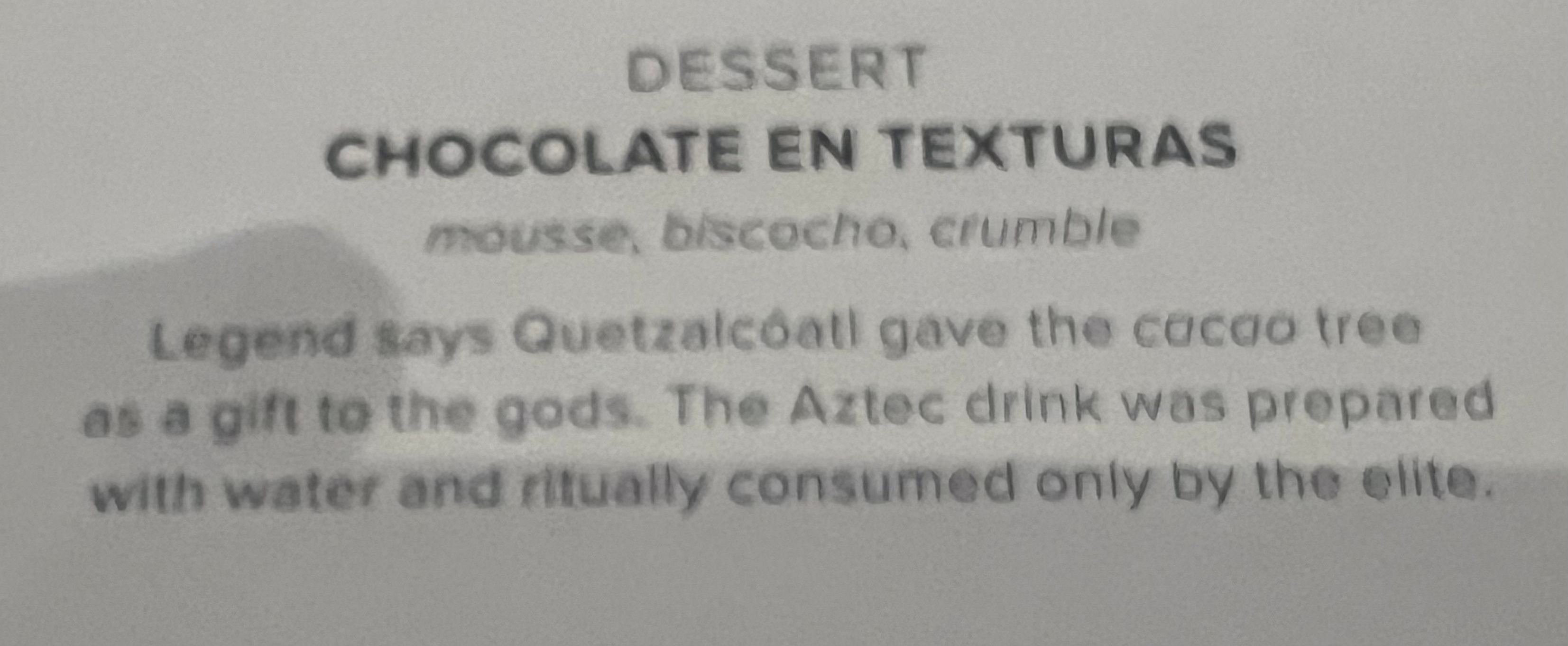
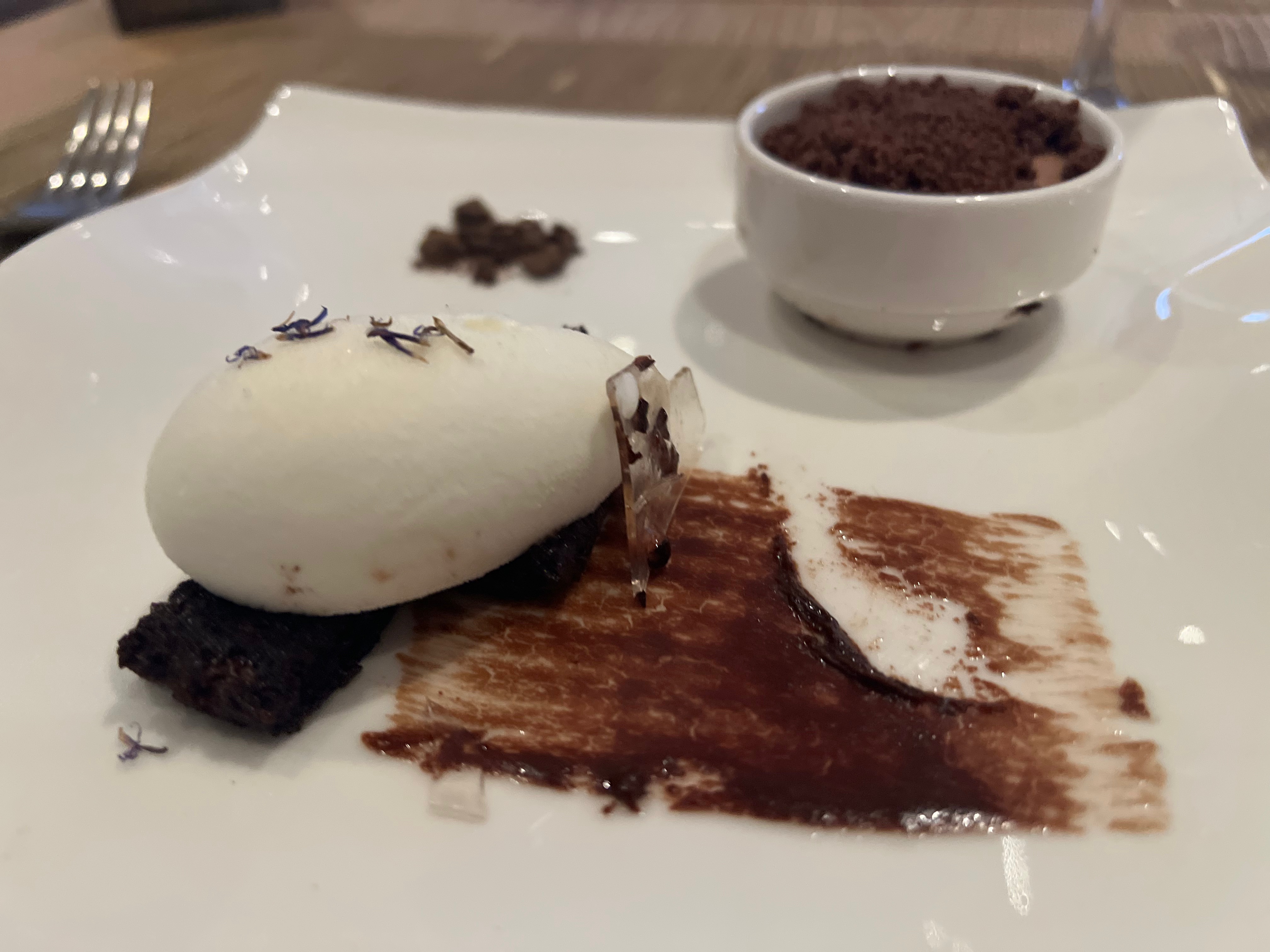
I attended on a Mexican-themed night. What arrived was less Mexico and more Tex-Mex: heavy cheese usage (especially yellow), cumin, chilli powder, beef, sour cream — familiar flavours, but far from authentic. The service felt rushed, impersonal, and overly scripted. Promised wine pairings felt like an afterthought rather than an experience.
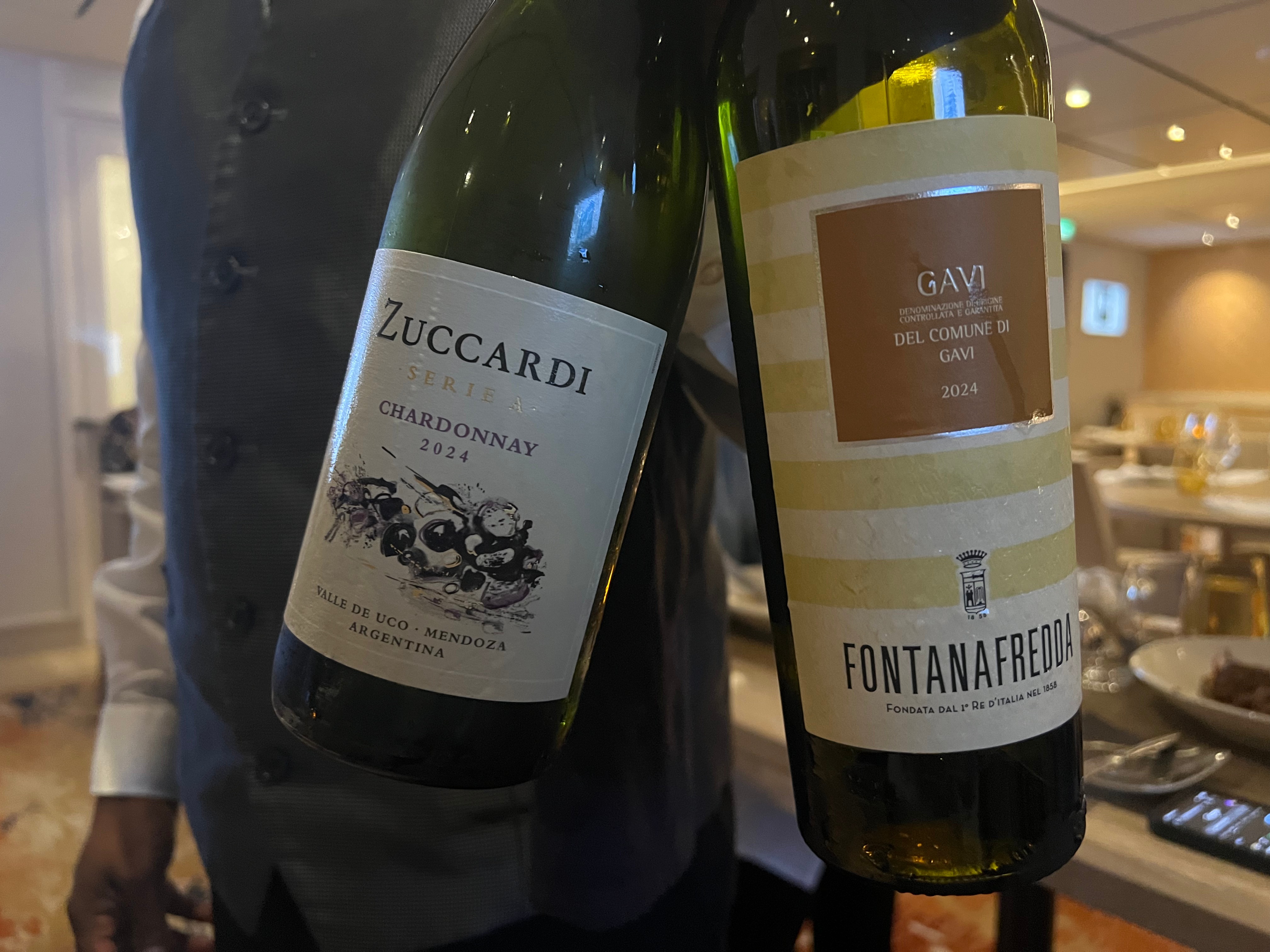
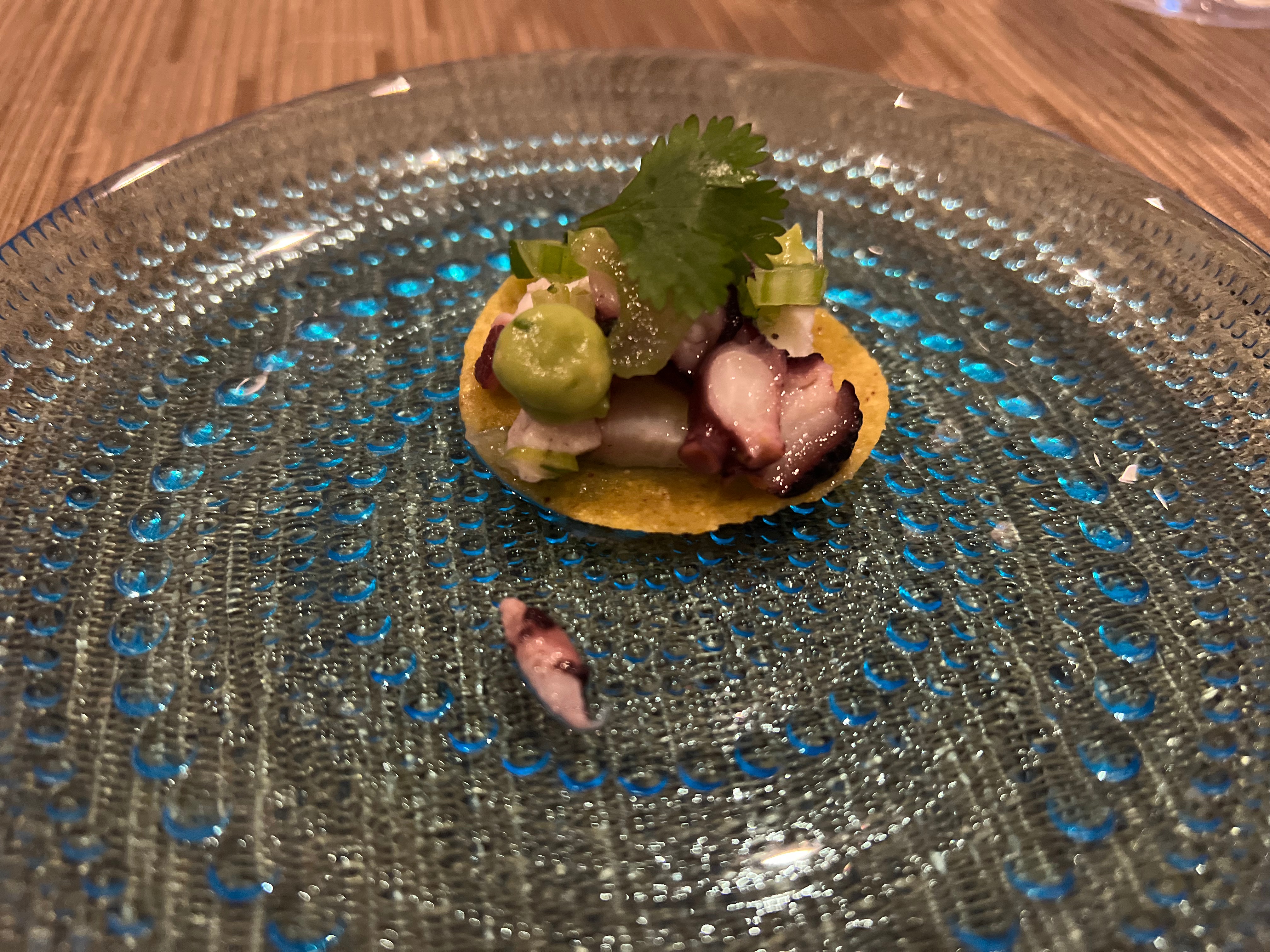
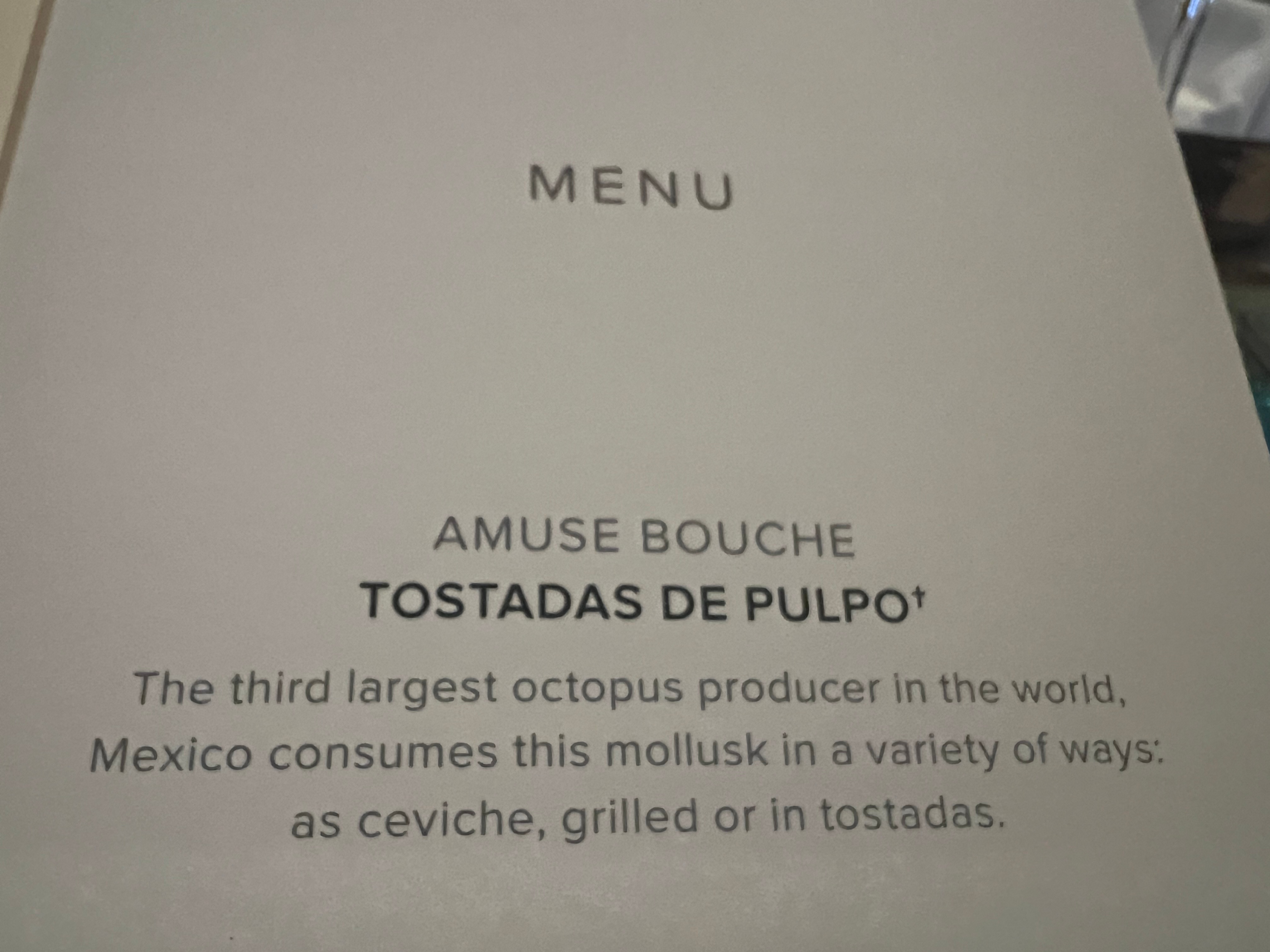
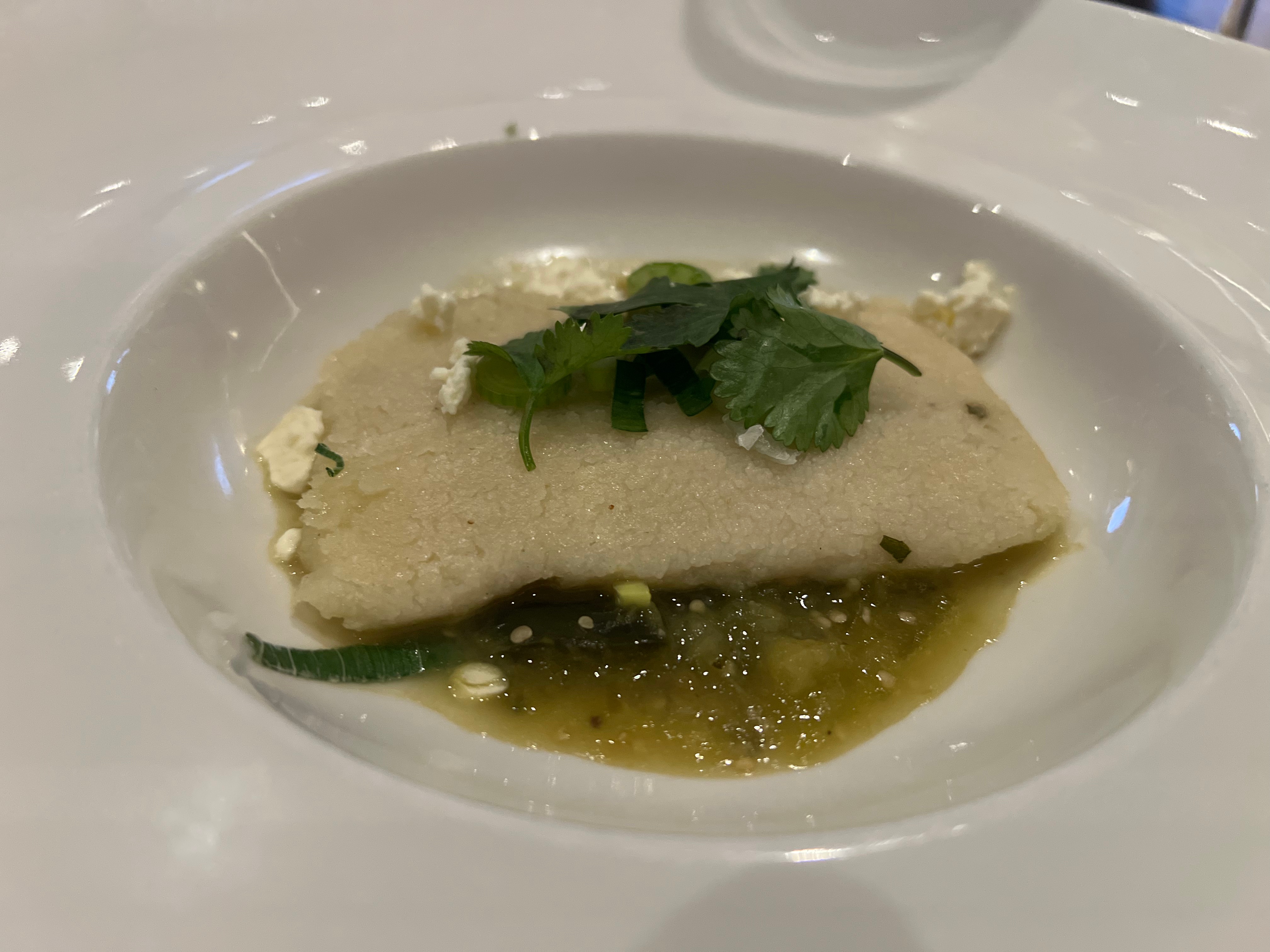
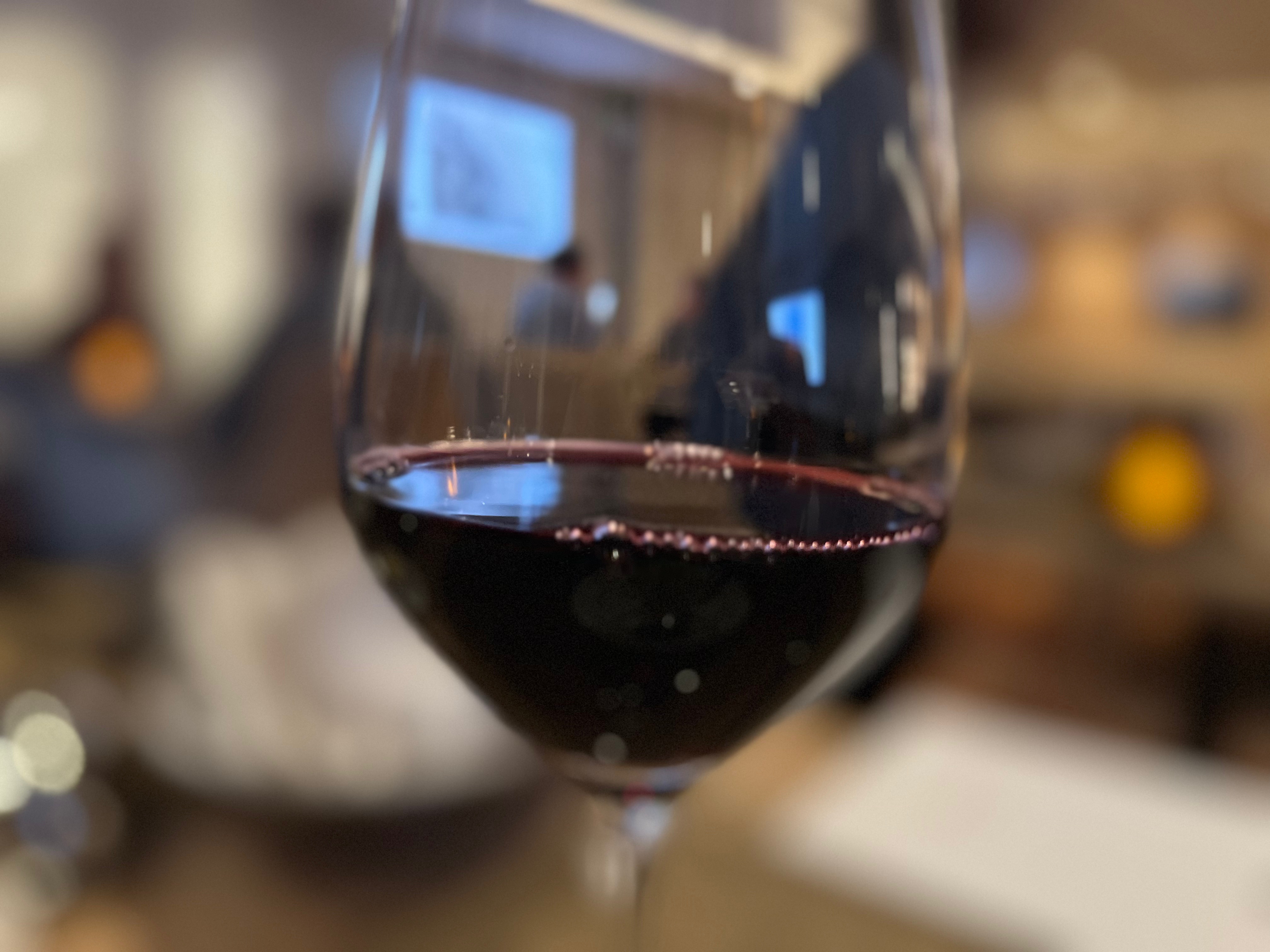
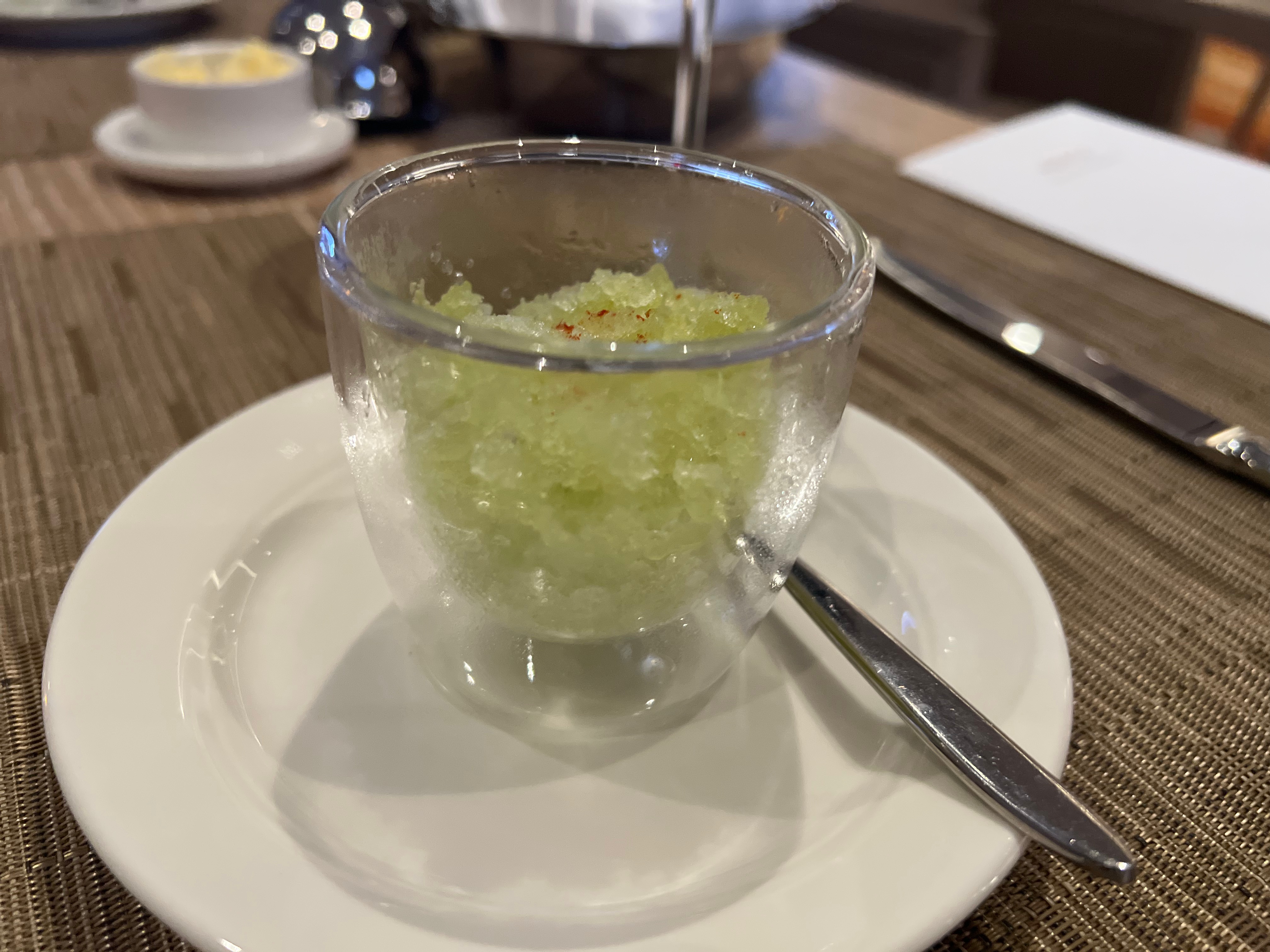
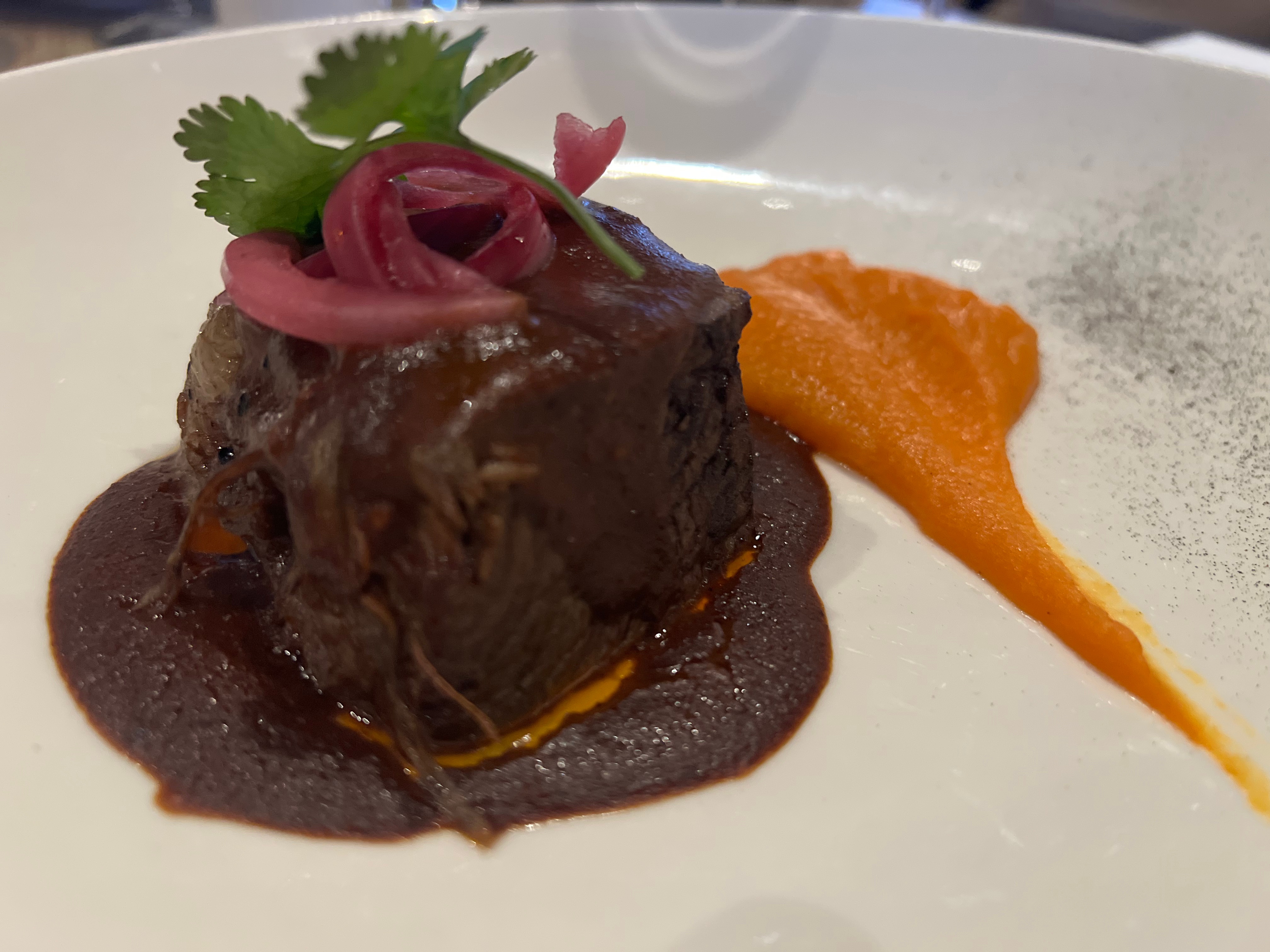

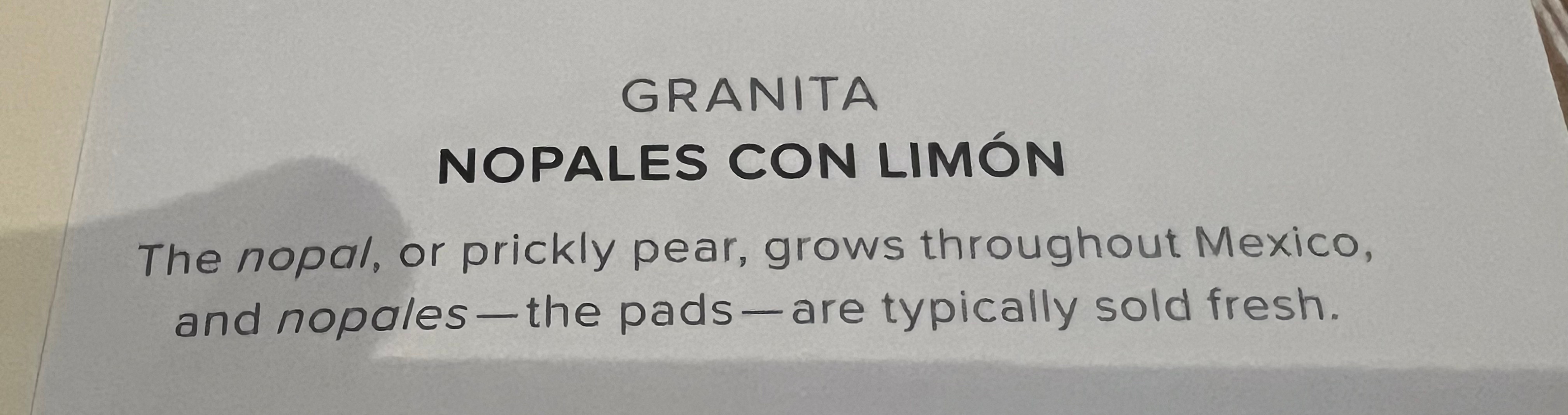
Not somewhere I felt compelled to return.
Click here to see my dining experience in Chef’s Table: https://youtu.be/yKmLLxY2VE8
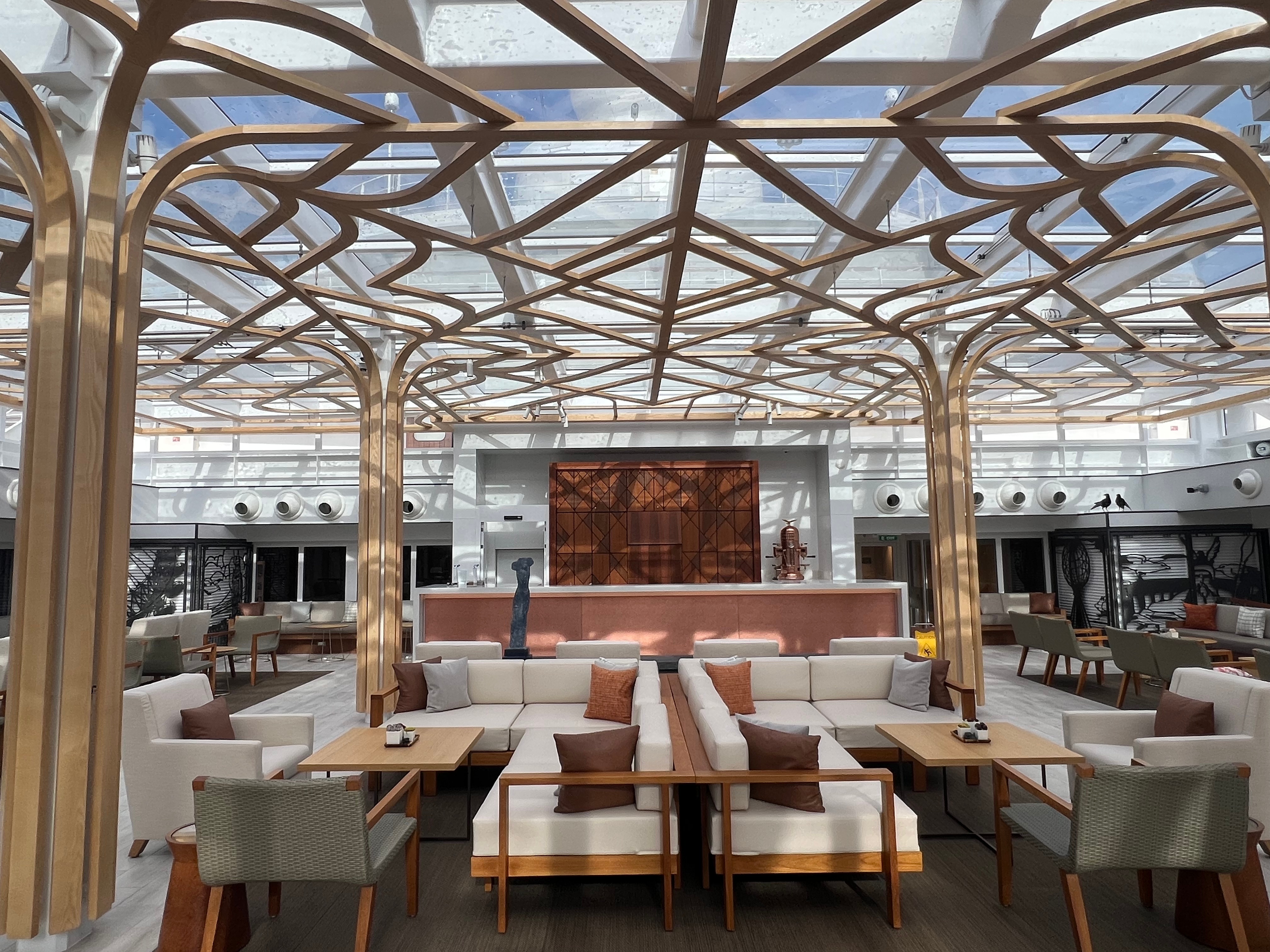
The Wintergarden is one of Viking Vela’s most iconic spaces and hosts afternoon tea daily. Arrive early — very early — if you want a seat. Securing a table felt like chasing a sunbed at a German resort in the Canary Islands: guests blocking chairs with books, glasses, and mobile phones to stake territorial claims.
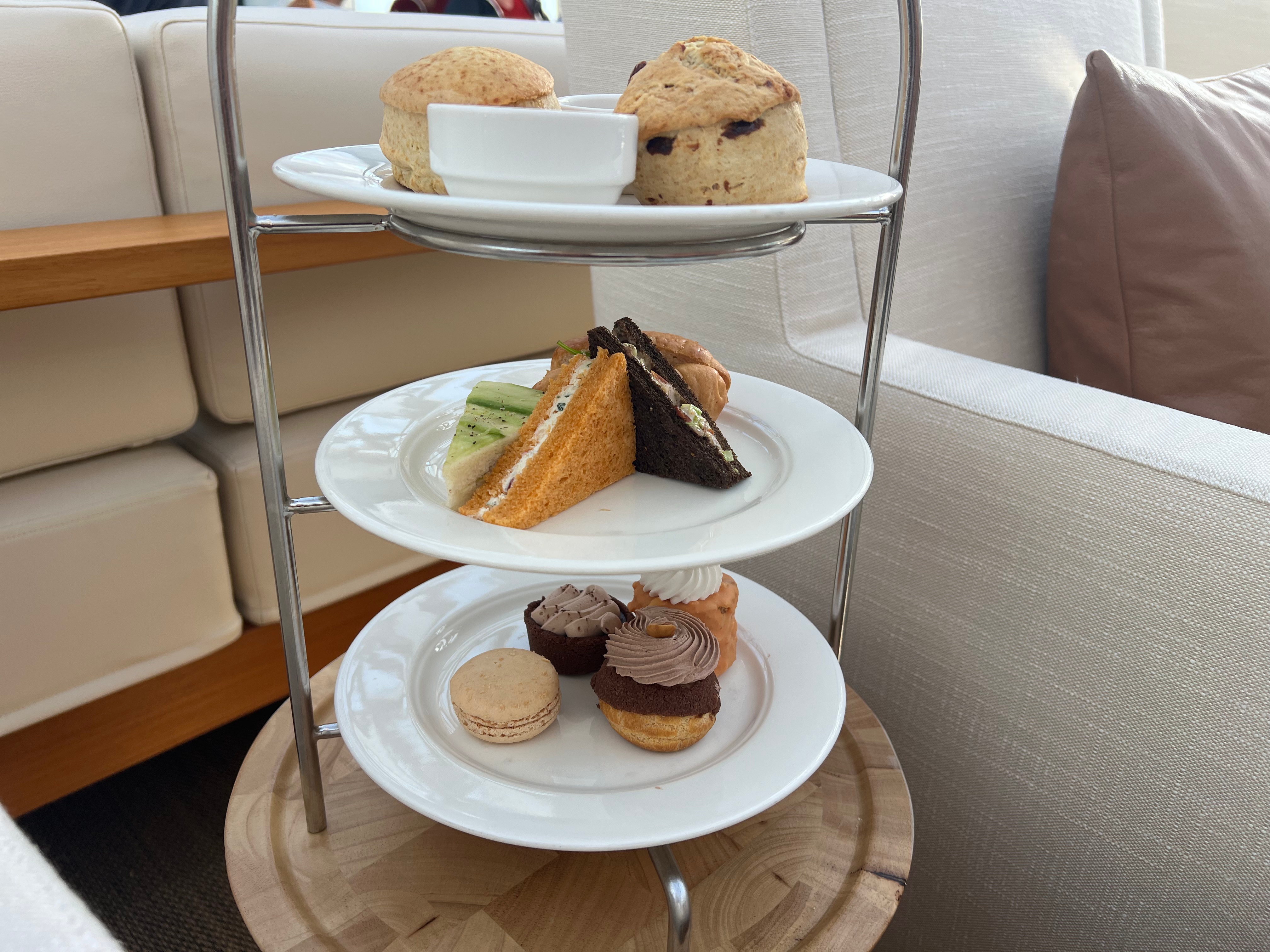
The tea itself was an American interpretation of British afternoon tea — dry scones, basic sandwiches, and uninspired cakes. Far from the elevated experience offered by Cunard, for example.
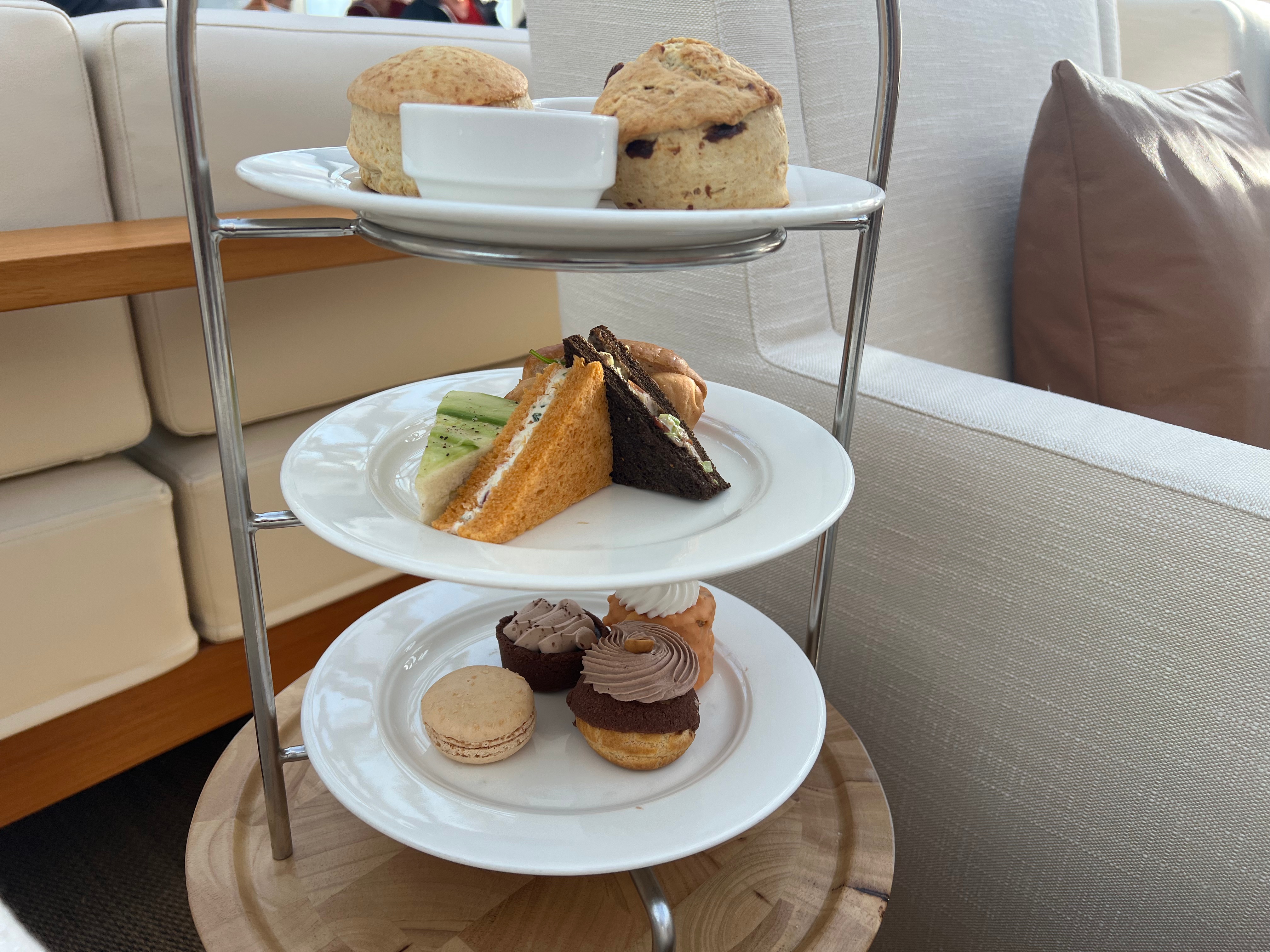

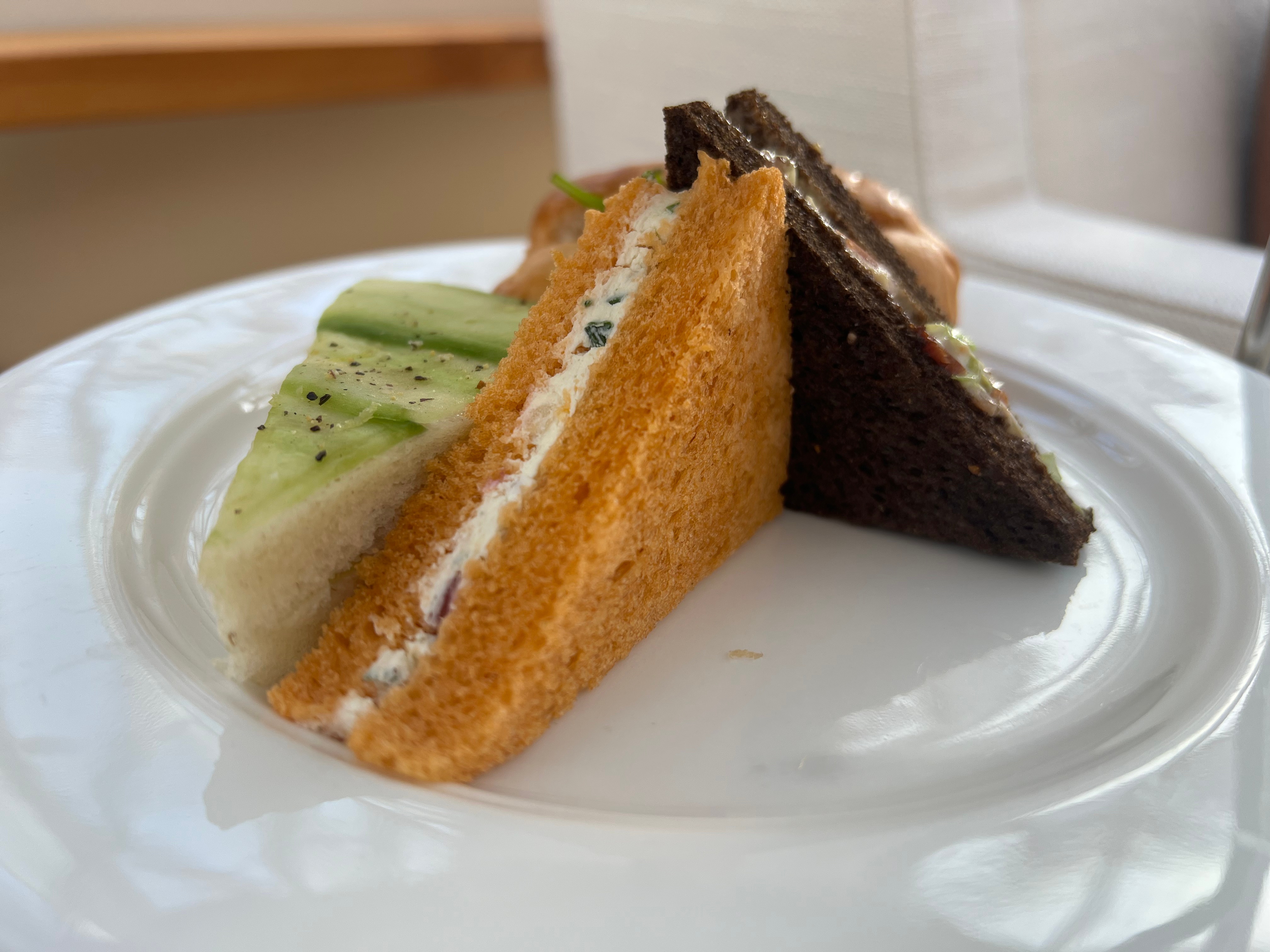
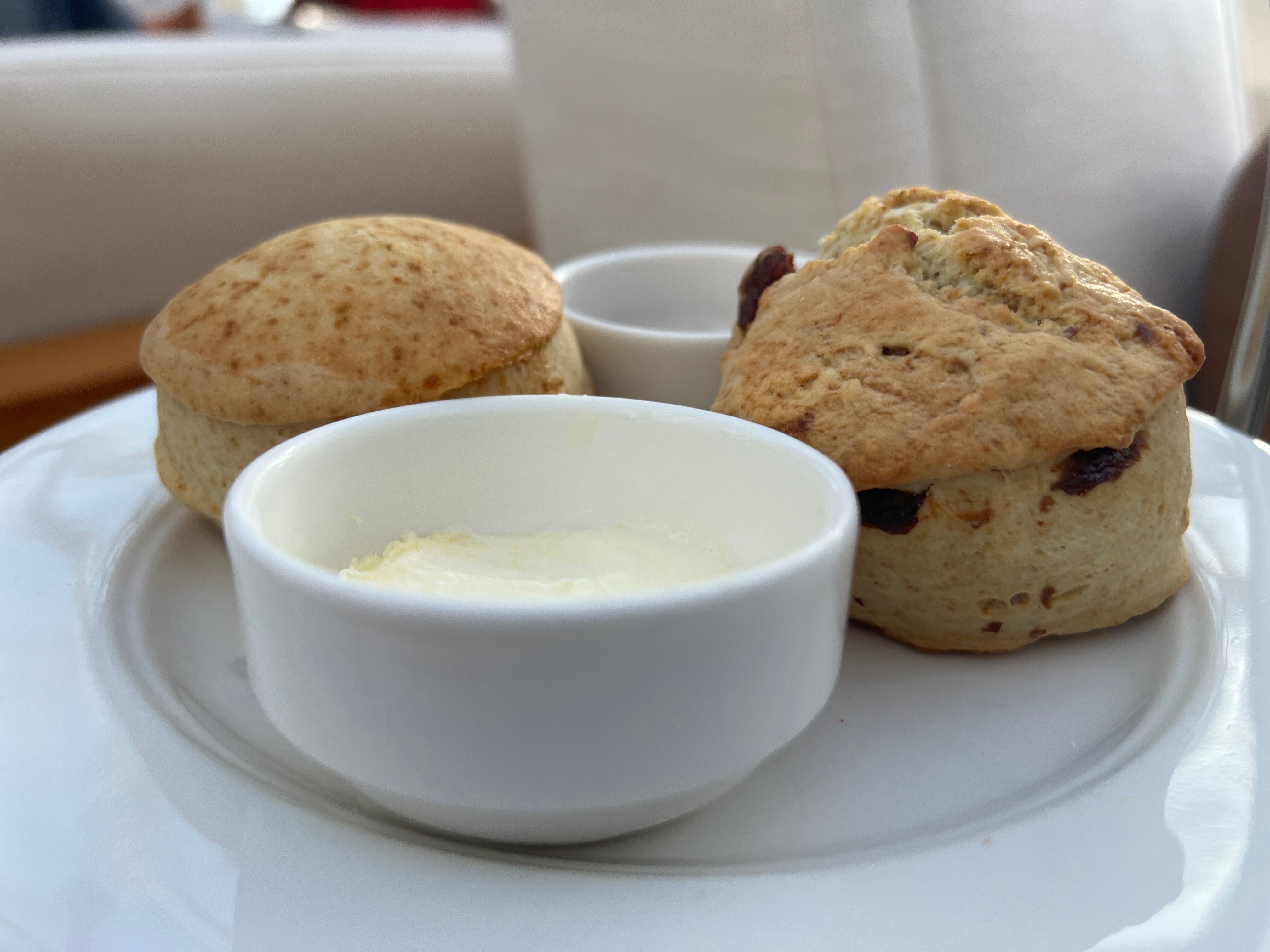
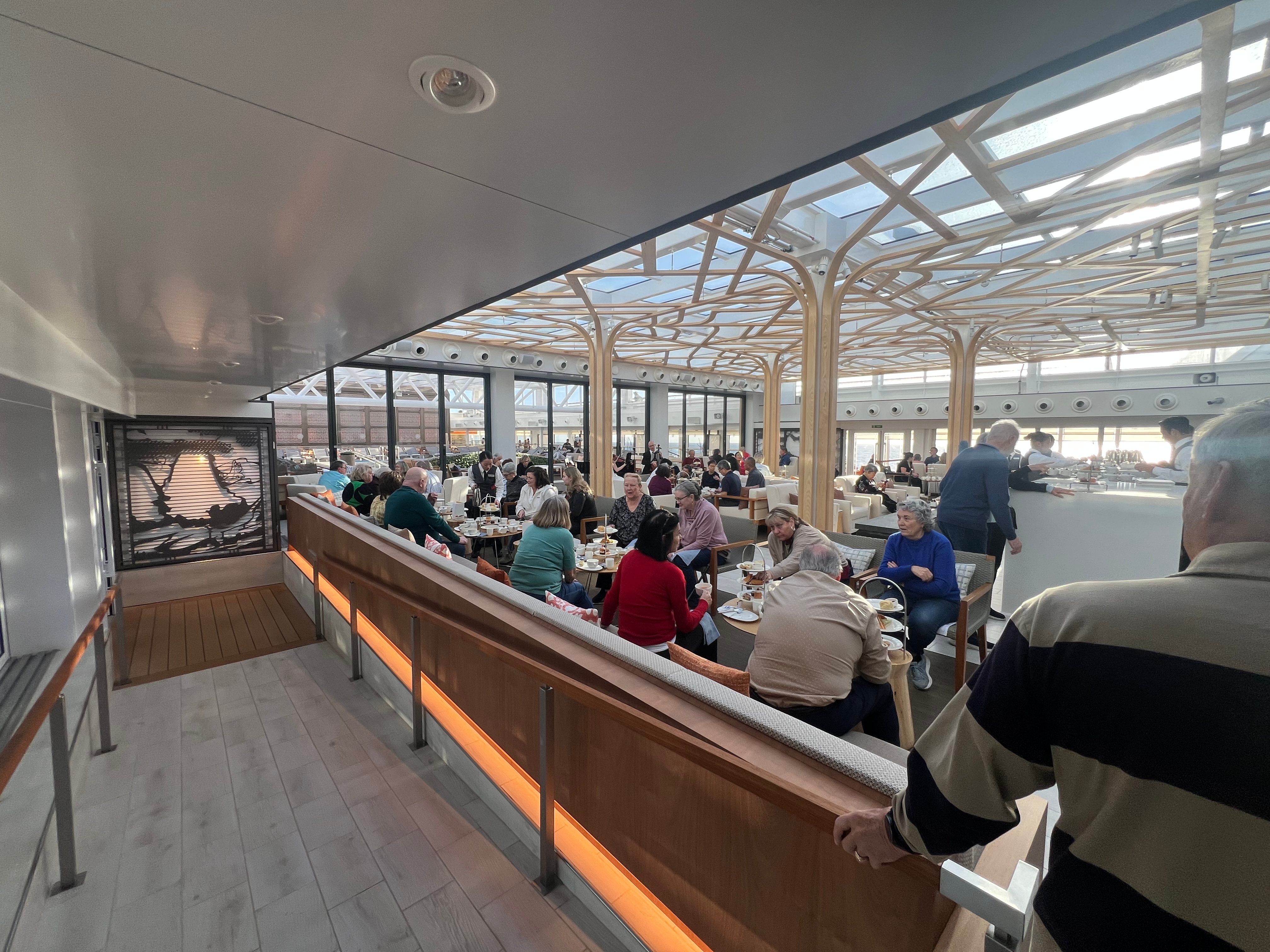
Logistics didn’t help. When no tables were available, one manager redirected us to Mamsen’s, promising extended tea service there. After waiting 20 minutes, another manager expelled us, explaining tea was only served in the Wintergarden.
And that’s how a communication hiccup transformed afternoon tea into a Bloody Mary at the Atrium Bar — arguably the wiser choice.
Click here to see my afternoon tea experience on Viking Vela: https://youtu.be/8Aa0HOCECzk
The culinary experience on Viking Vela leans far closer to a mainstream cruise line than a premium one. Ingredients are mediocre, execution often routine, and service too frequently robotic and impersonal. Ironically, the buffet outperforms the restaurants, and the smallest venue onboard delivers the biggest satisfaction.
For a cruise line that sells itself on refinement, culture, and quality, dining should be a triumph — not the weakest link.
Viking sails elegantly.
It just doesn’t always cook that way.
BAR EXPERIENCE – ABOVE EXPECTATIONS
Viking Cruises likes to present itself as a refined, culturally curious cruise line — and when it comes to beverages, that promise is actually delivered with far more consistency than in the dining rooms. In fact, if food is sometimes the weakest link on Viking Vela, the bars are quietly excellent, staffed by some of the most professional and personable crew onboard.
Let’s start with the basics. Viking includes complimentary house beer, wine, and soft drinks with lunch and dinner, plus 24/7 specialty coffees and teas. For many guests, this already covers daily needs quite comfortably. For those who enjoy a more… exploratory approach to drinking, Viking offers the optional Silver Spirits Beverage Package, priced at around $27 USD per person per day.
The package includes unlimited premium wines, cocktails, spirits, and beverages available all day, in all venues. As usual, both guests in a stateroom must purchase it — a rule that encourages harmony or at least negotiation. For moderate to heavy drinkers, it offers solid value, covering drinks up to a certain price point. For light drinkers, paying per drink may be the wiser choice.
One important tip: watch for special offers. On sailings that haven’t sold particularly well, Viking sometimes includes the Silver Spirits package as a complimentary perk. And honestly, it does make coping with the elegant but slightly retirement-home-meets-Scandinavian-library ambiance considerably more digestible — or at least more drinkable.
Now, where exactly can you enjoy all these beverages? Viking Vela (and her sister ships) offers an impressive selection of bars and lounges, ensuring you’re never more than a few elegant steps away from a well-crafted cocktail.
The Bars: Where Viking Gets It Right
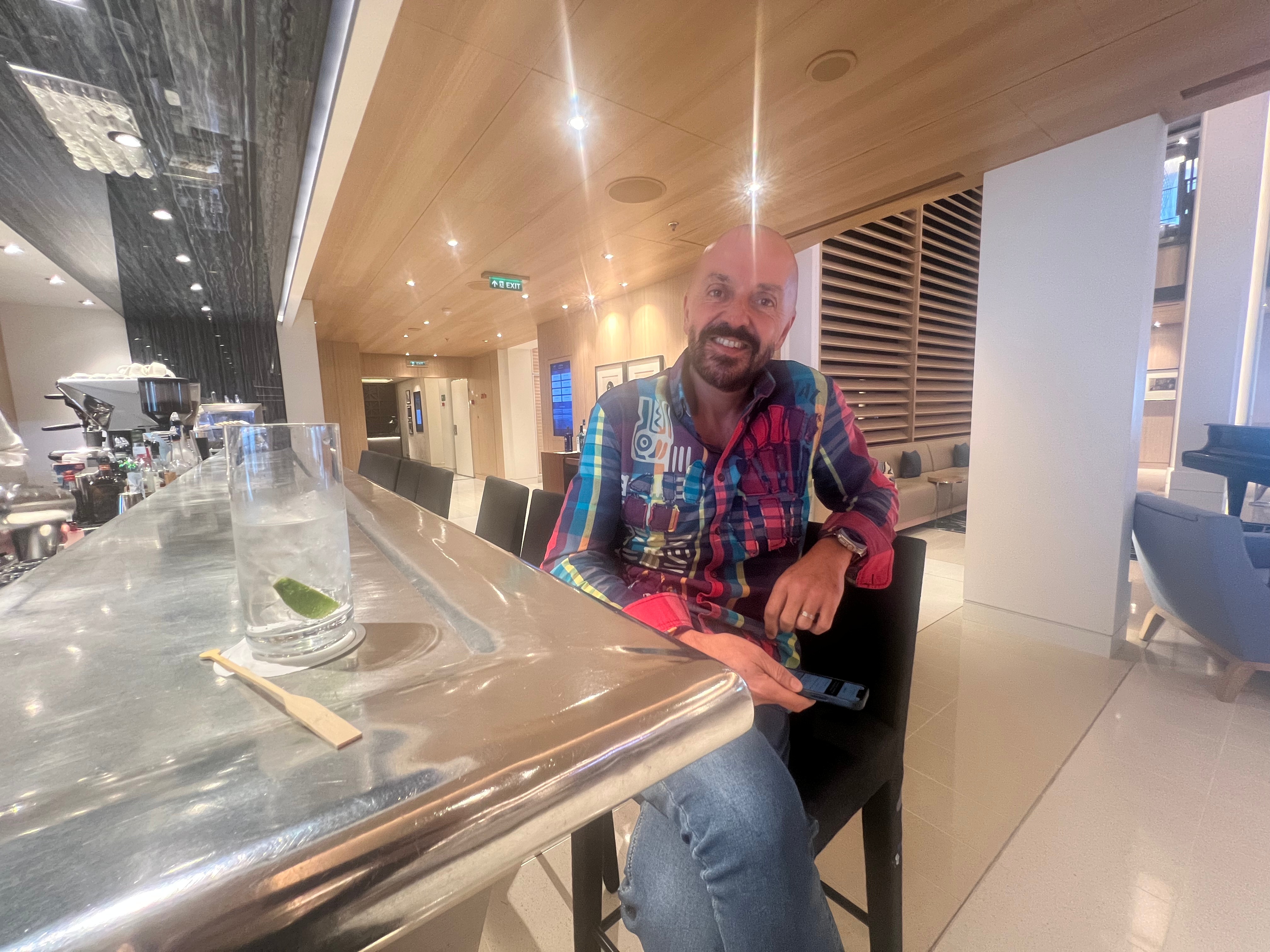
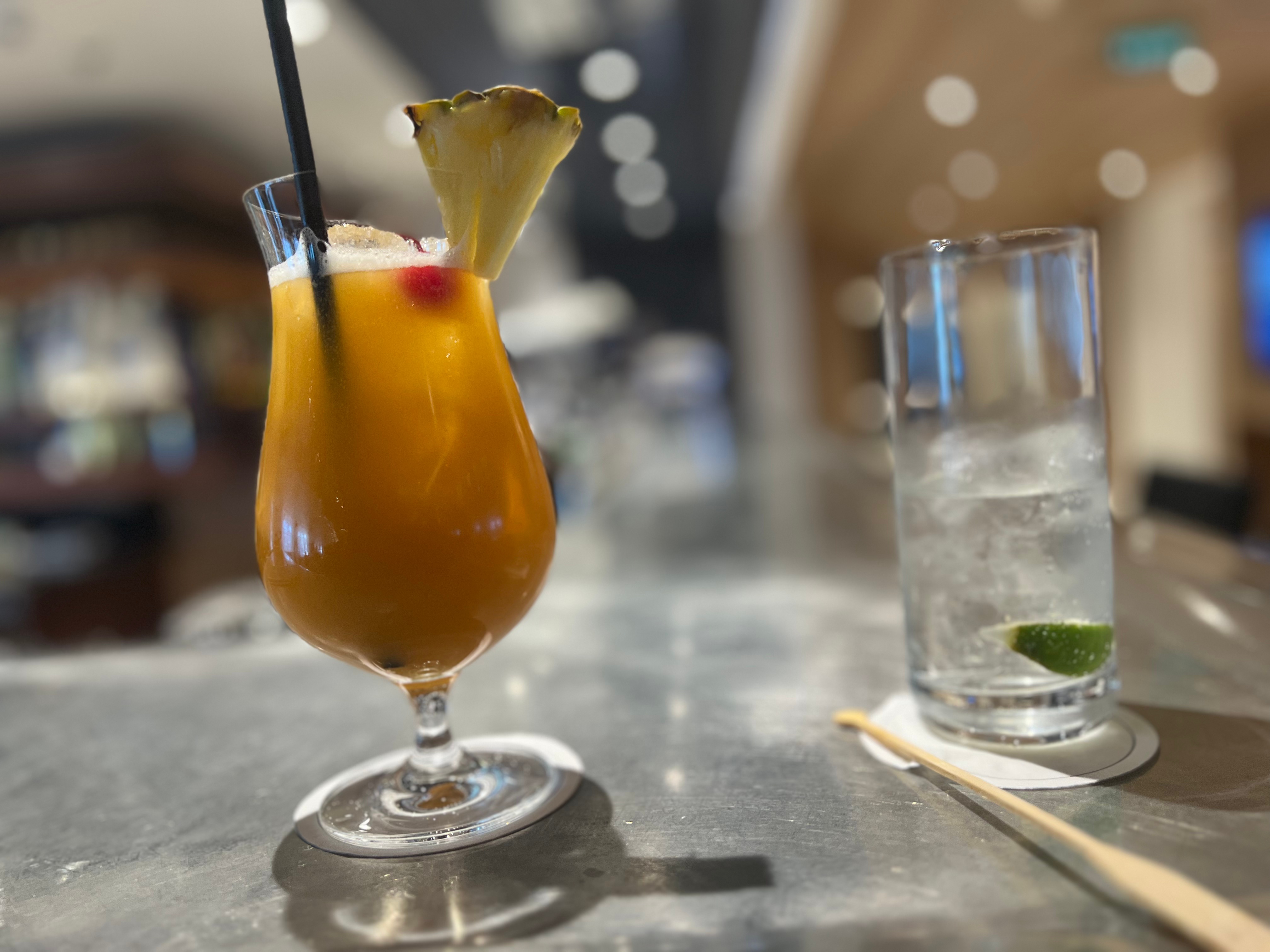
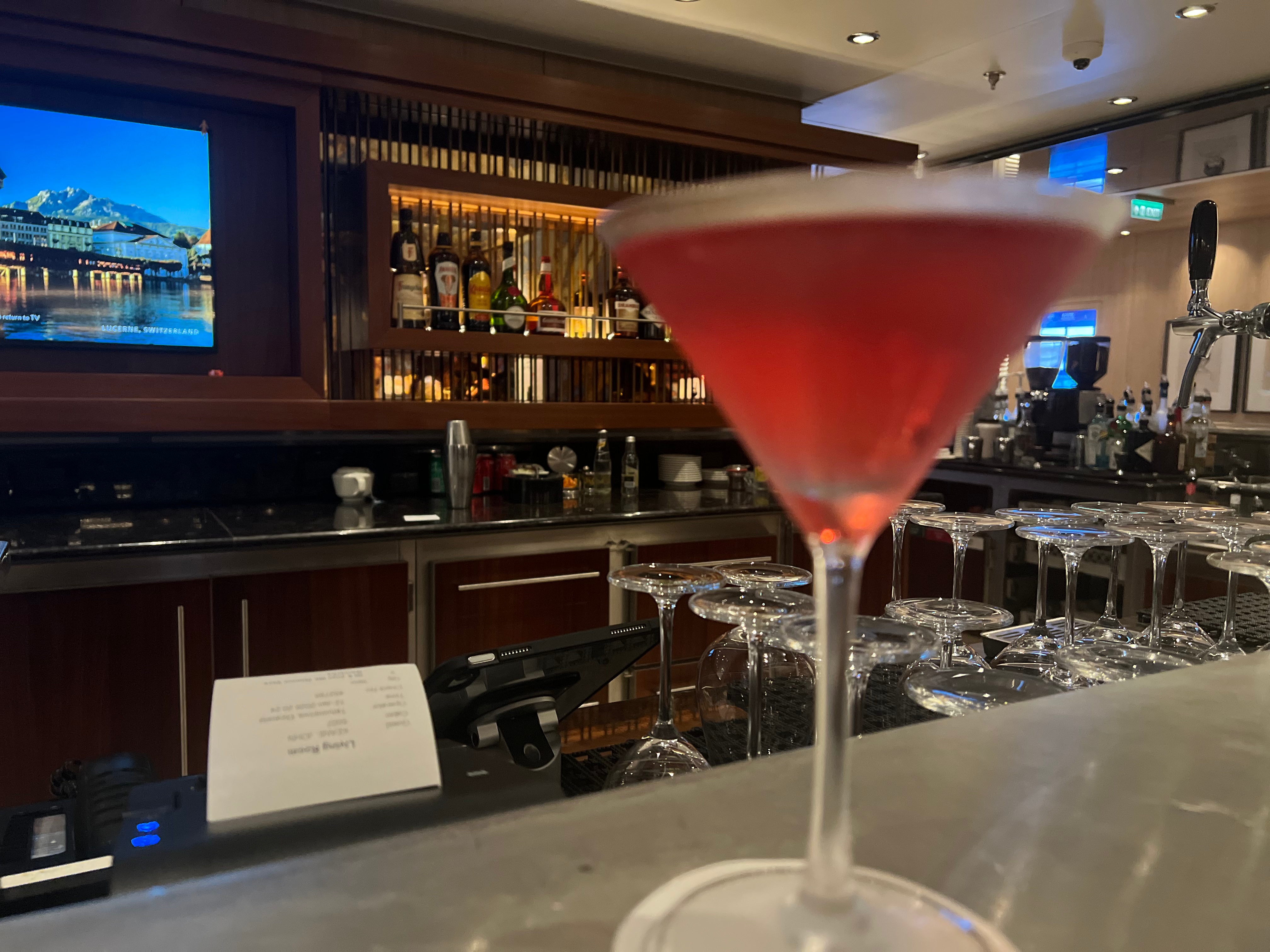
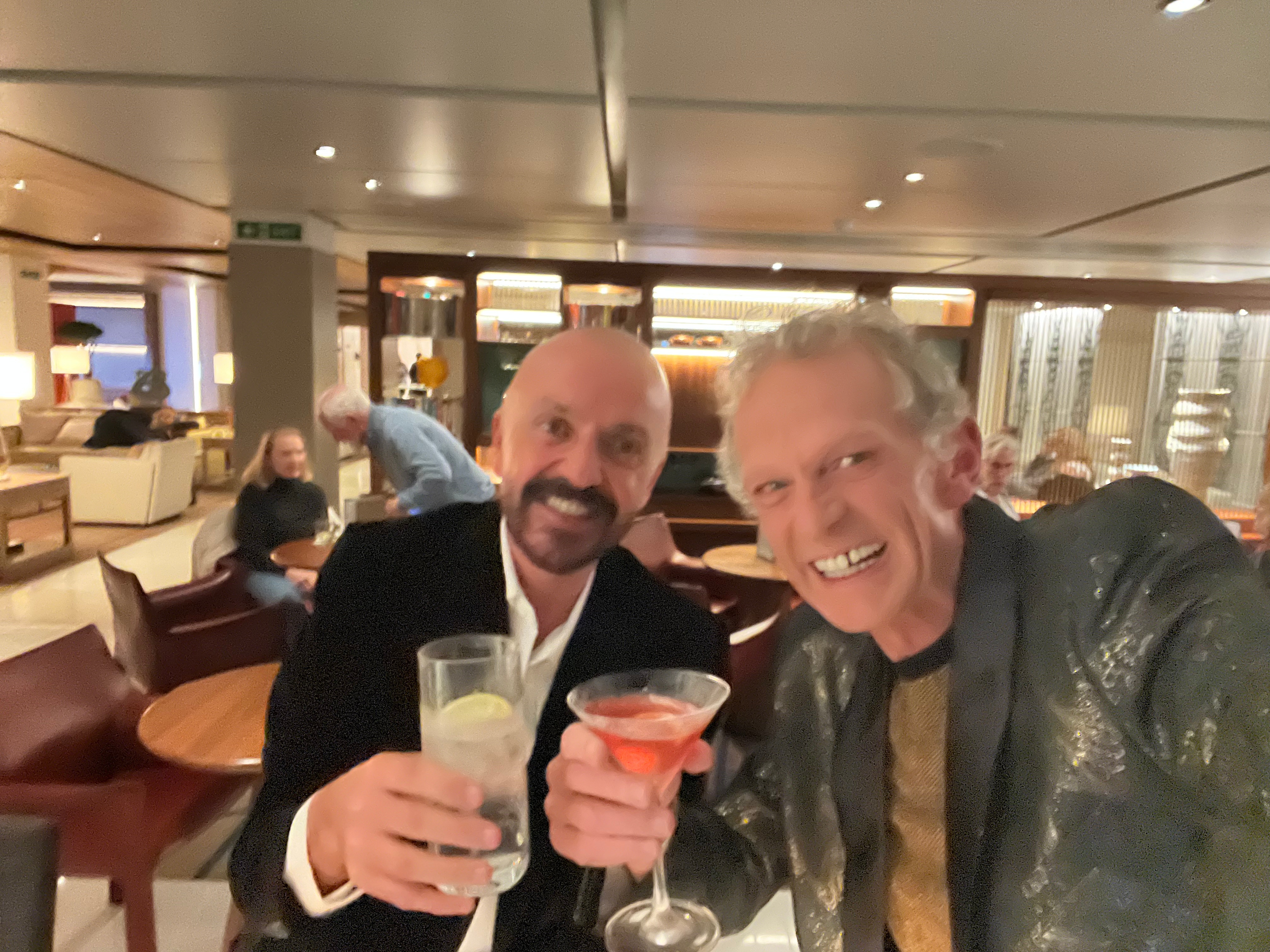
Viking Bar (Deck 1)
My top pick for a pre-dinner drink. Located just steps from Manfredi’s and The Chef’s Table and one flight of stairs below The Restaurant, it’s the natural meeting point before dinner. Stylish, relaxed, and social without being noisy — perfect for a toast with friends or fellow cruisers before facing another sous-vide surprise upstairs.
Thorshavn Nightclub
The ship’s only nightclub, and on some sailings it can apparently get quite lively. On my Iberian Explorer cruise? Not so much. Still, on select nights, Thorshavn hosts gin or Armagnac tastings (for a fee), which are worth arriving early for. After that, a live band often takes over, and if the mood strikes, the dance floor patiently waits.
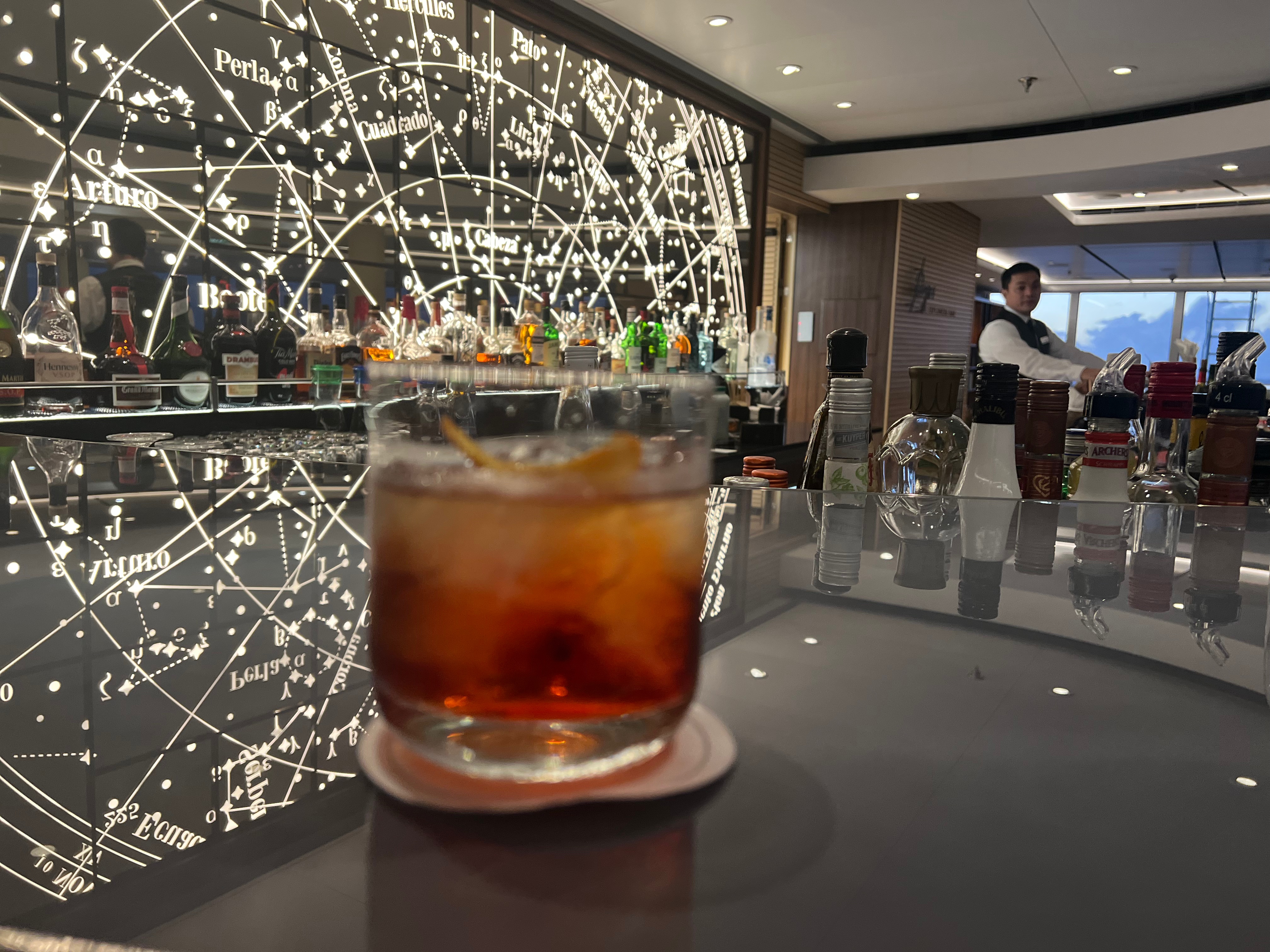
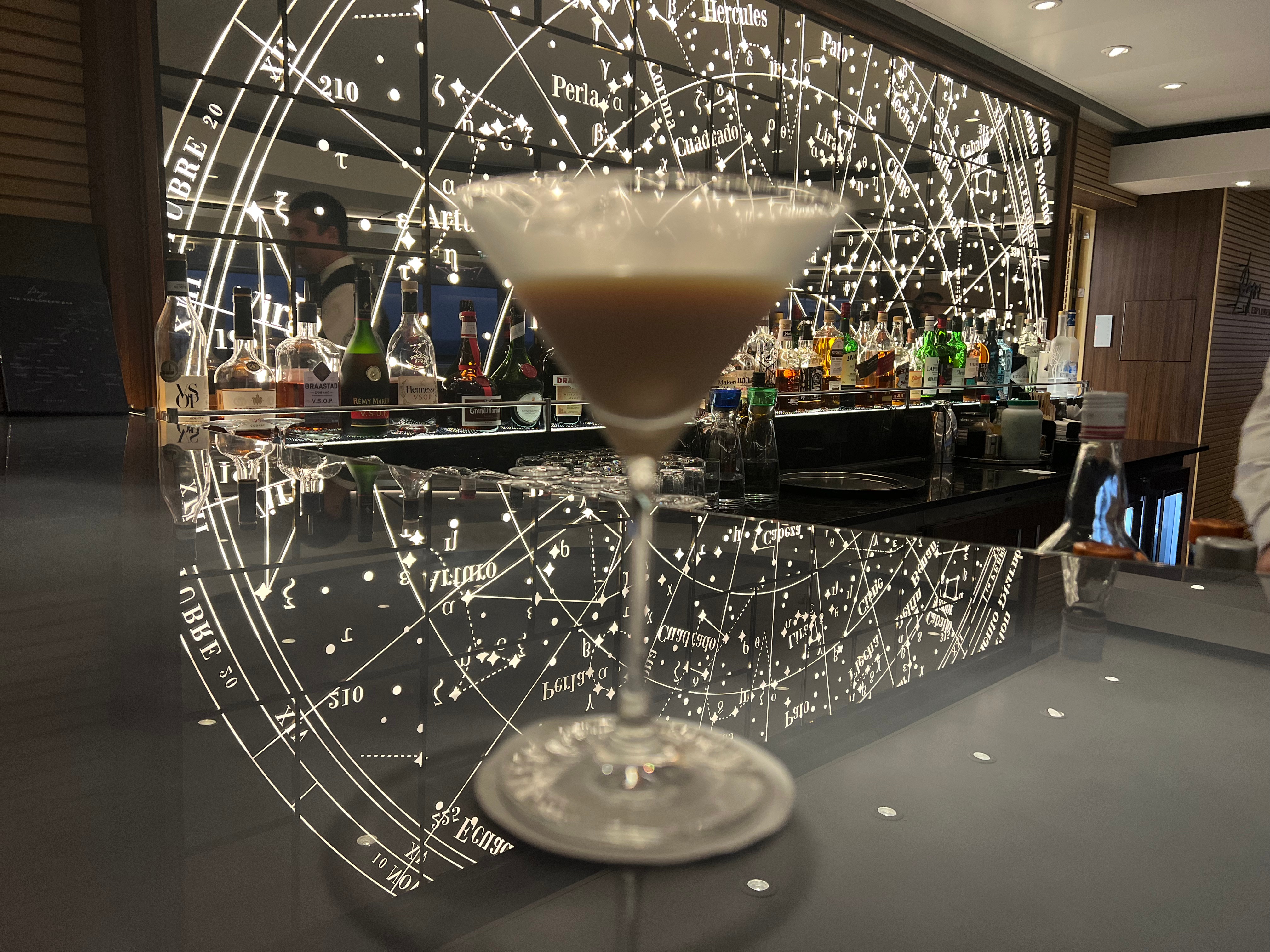
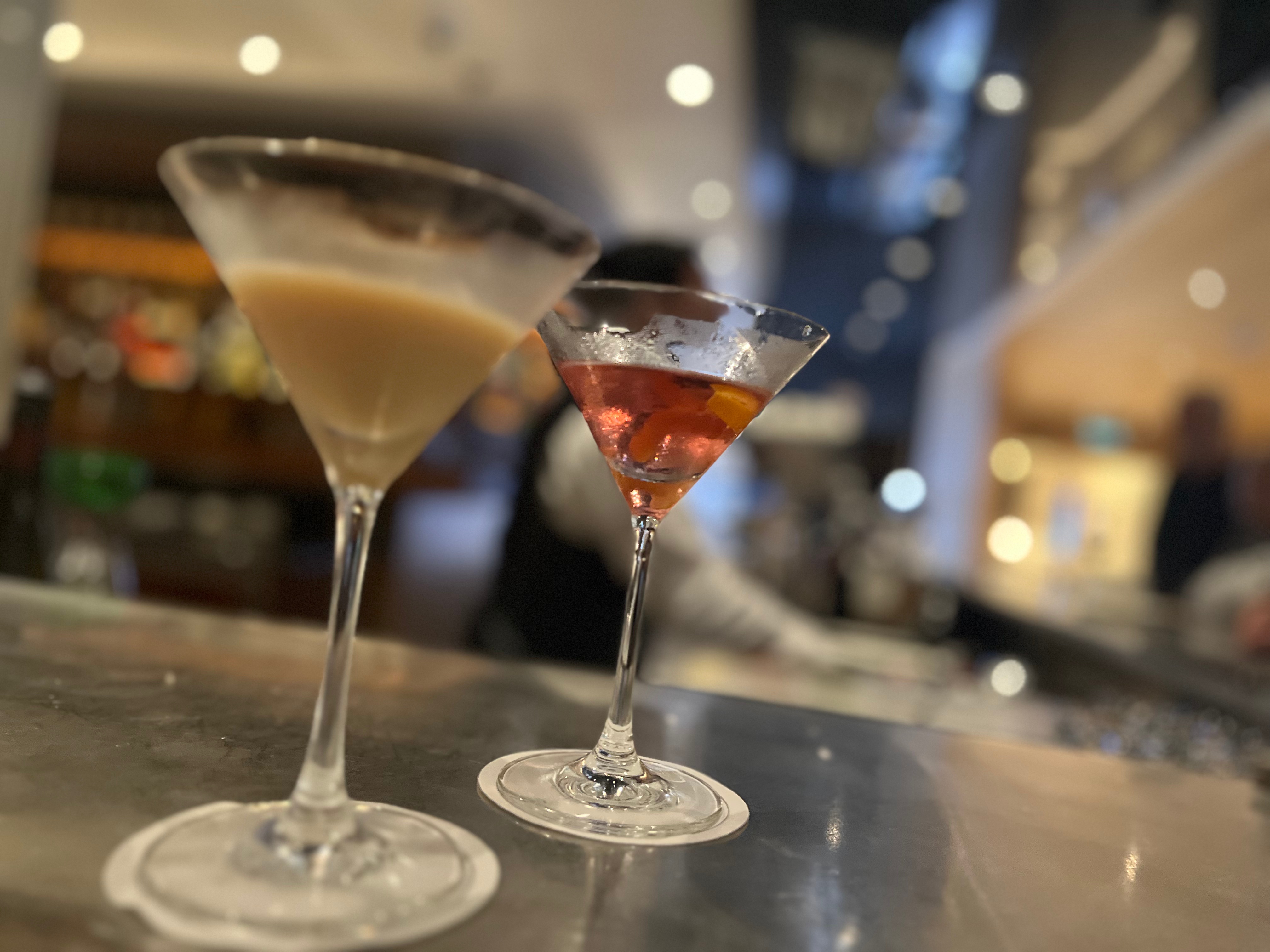
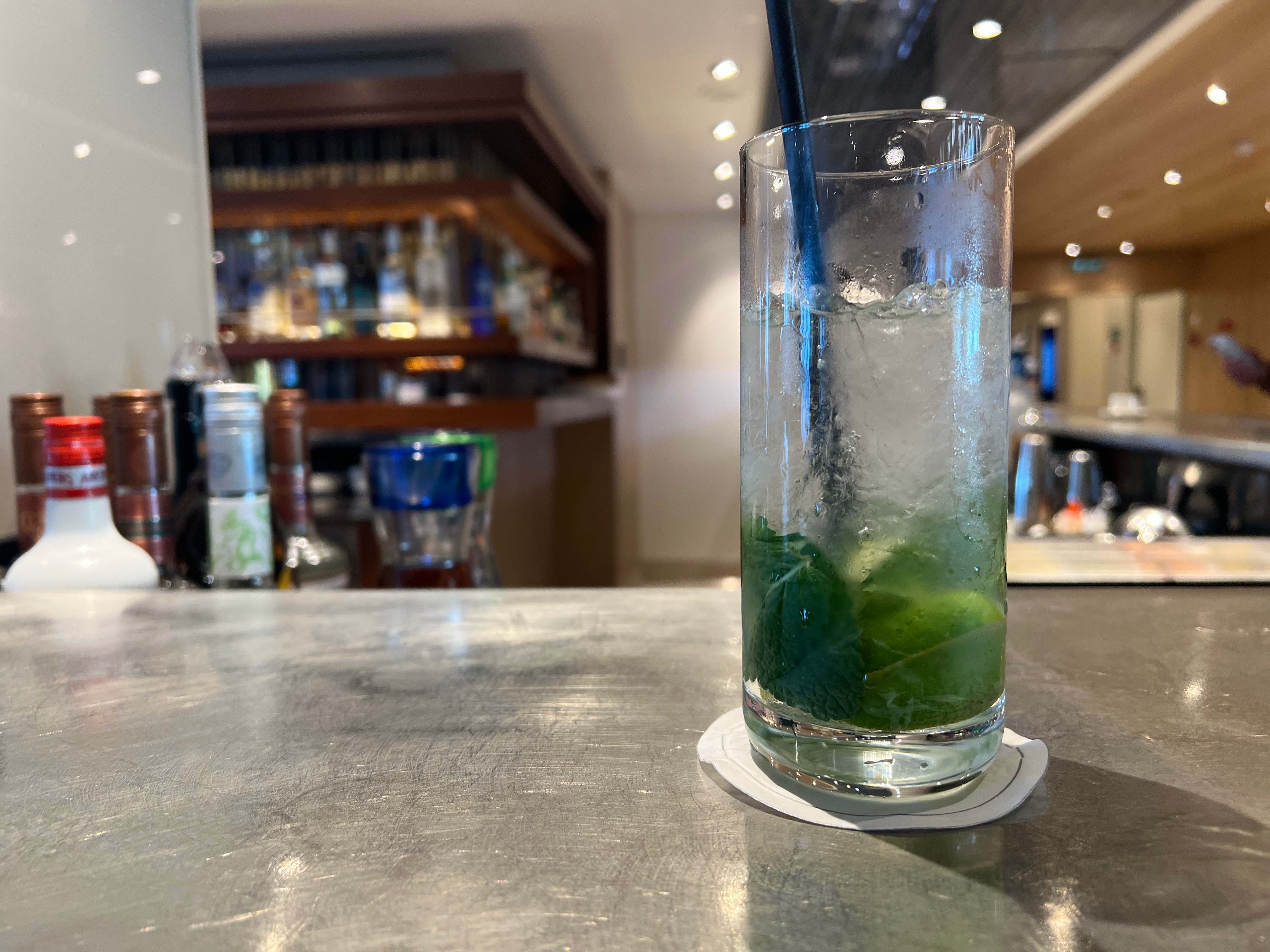
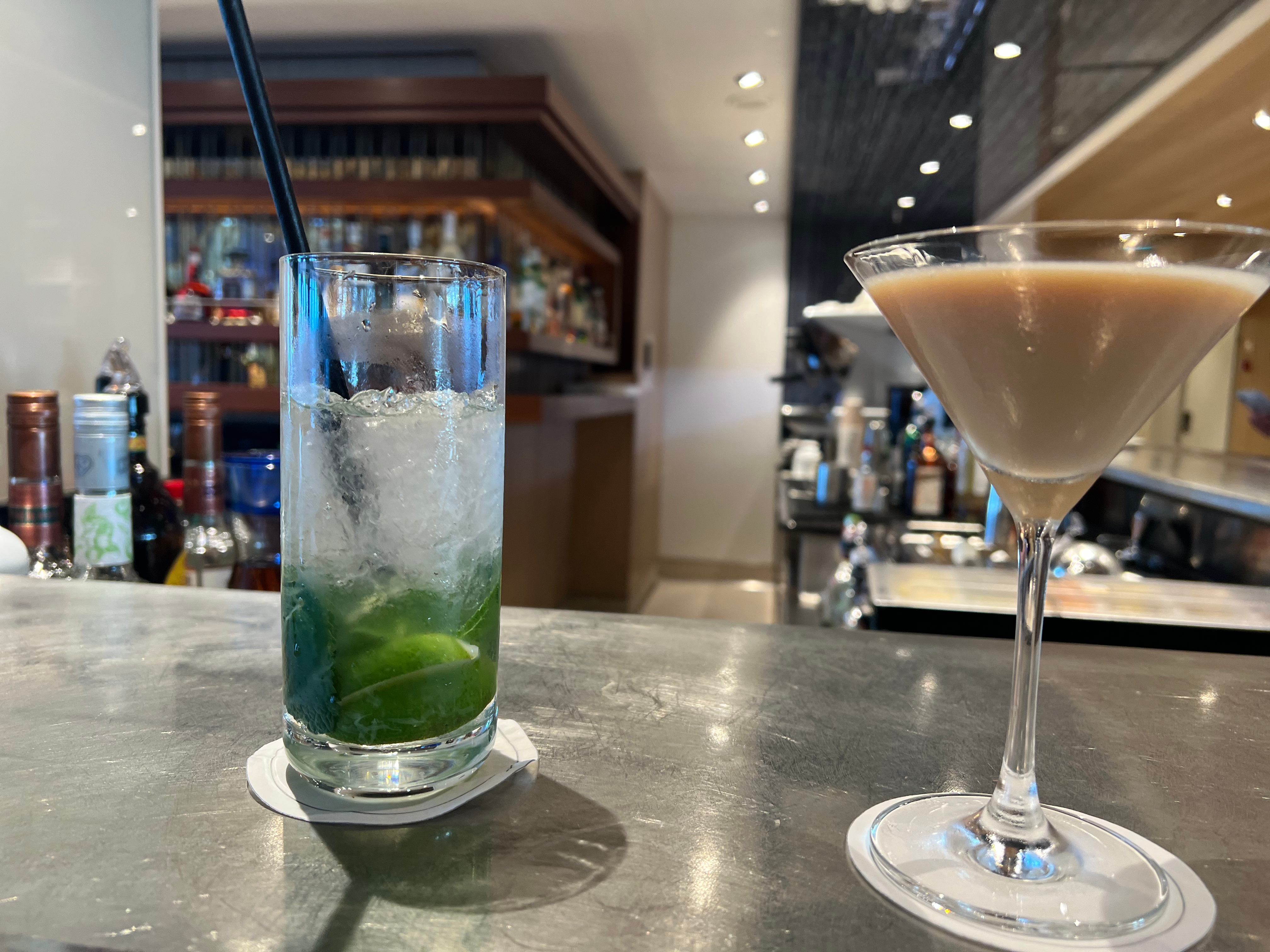
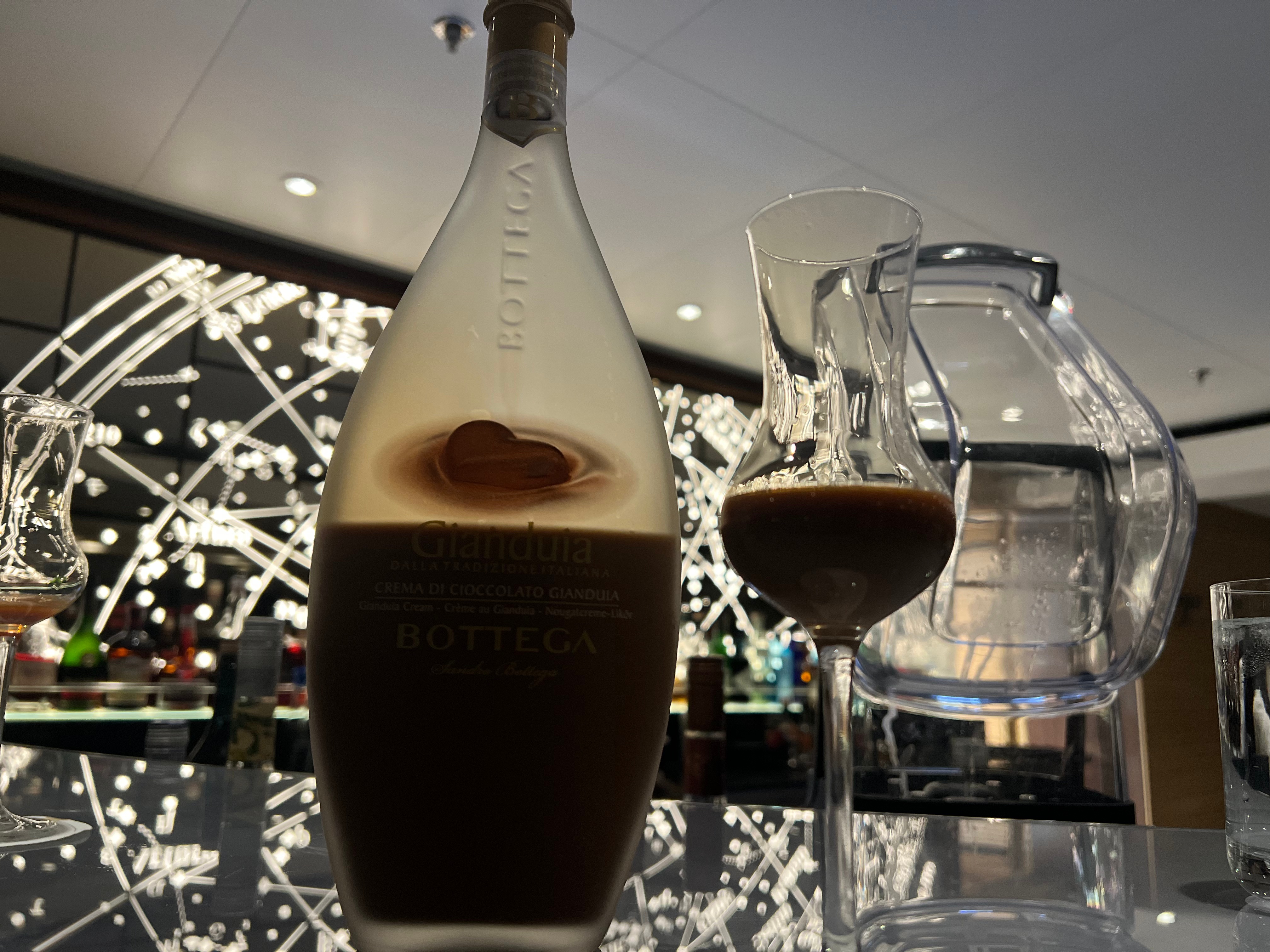
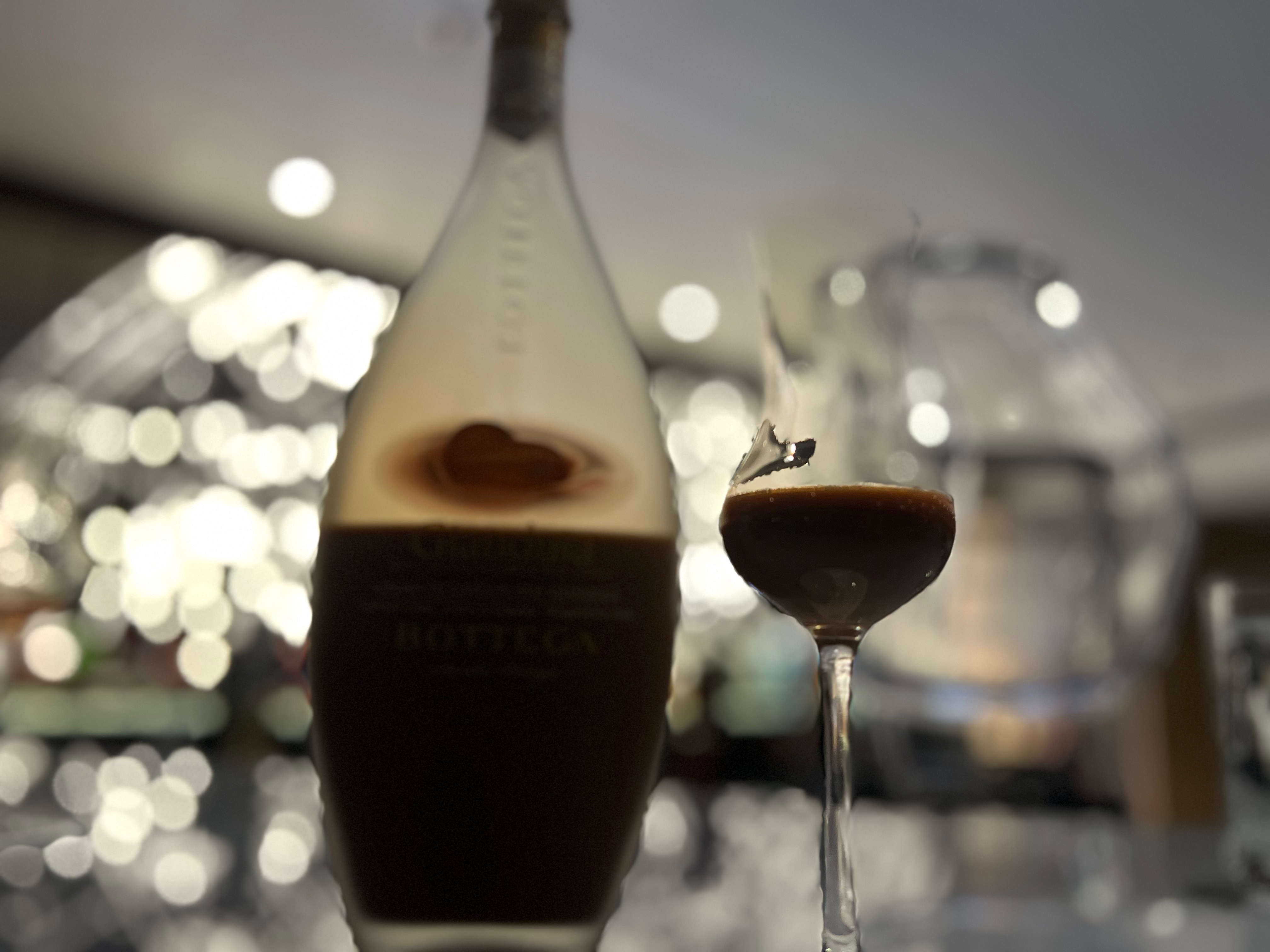

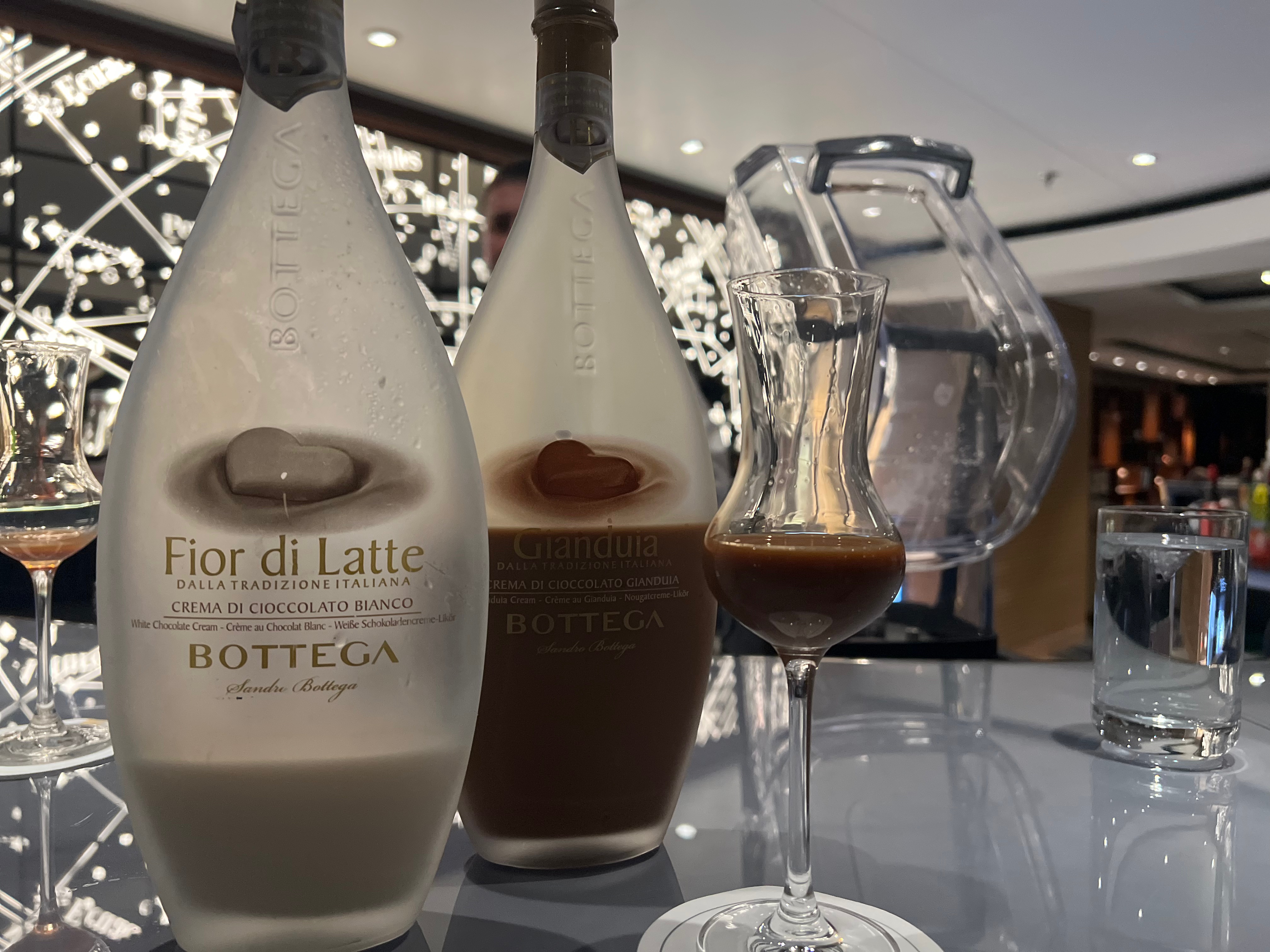
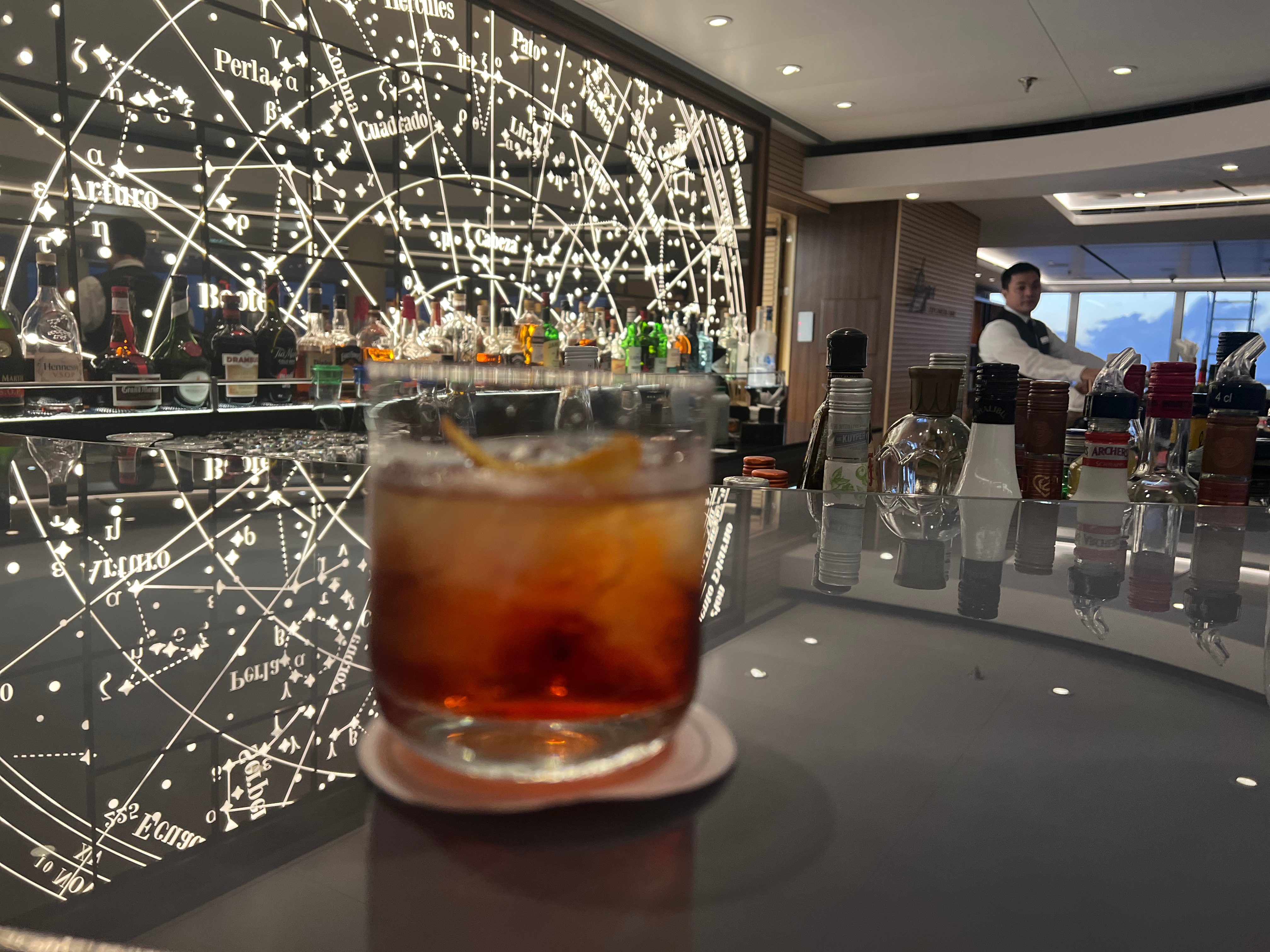
Aquavit Terrace (Deck 7)
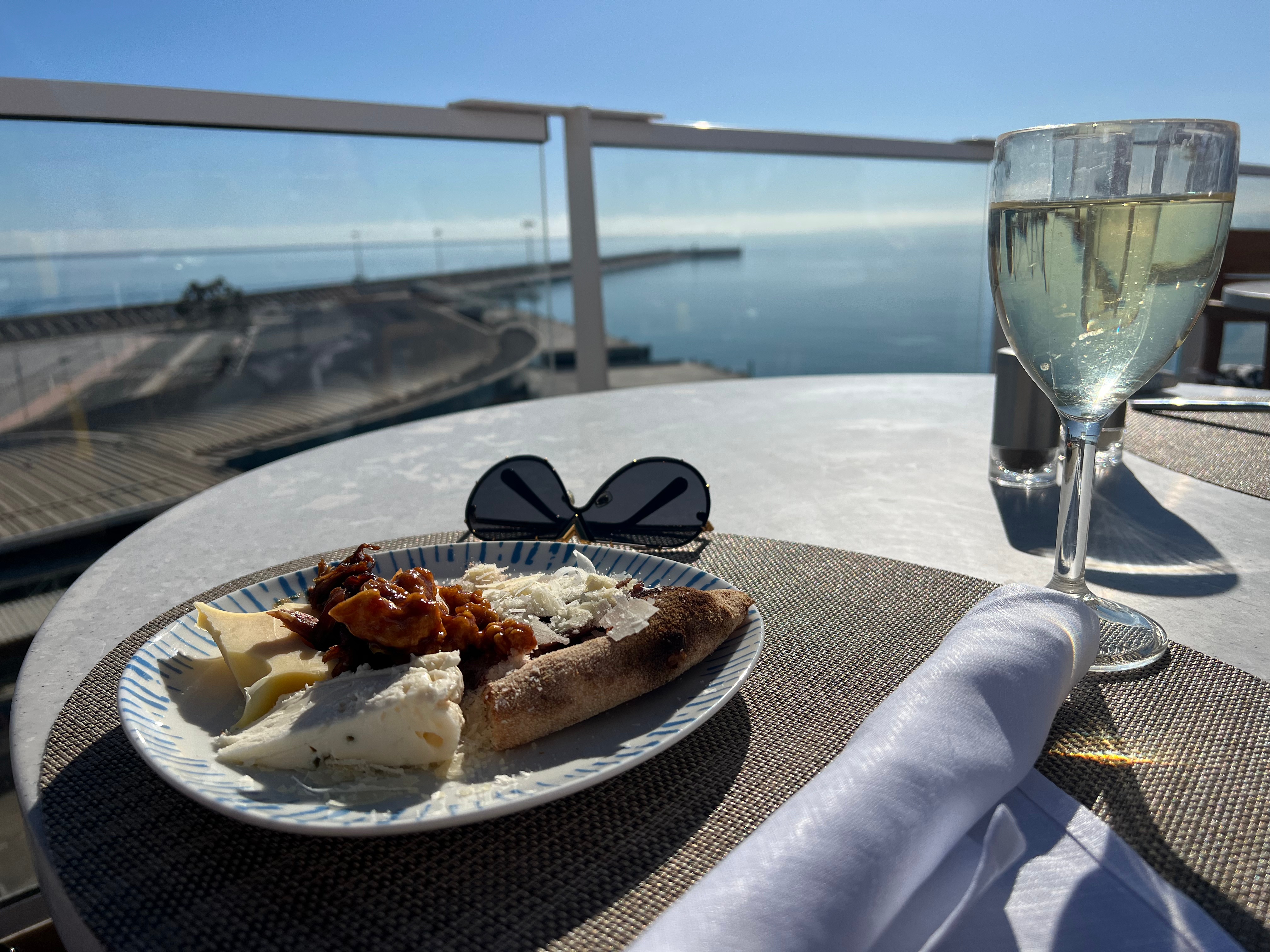
Weather permitting, this is hands down the most magical place onboard for a drink. The bar itself is indoors, but the open-air terrace overlooking the infinity pool aft of the ship offers an unforgettable setting — especially at sunset. A glass of wine here almost convinces you that life decisions were made correctly.
Explorer’s Lounge & Paps Explorer’s Bar
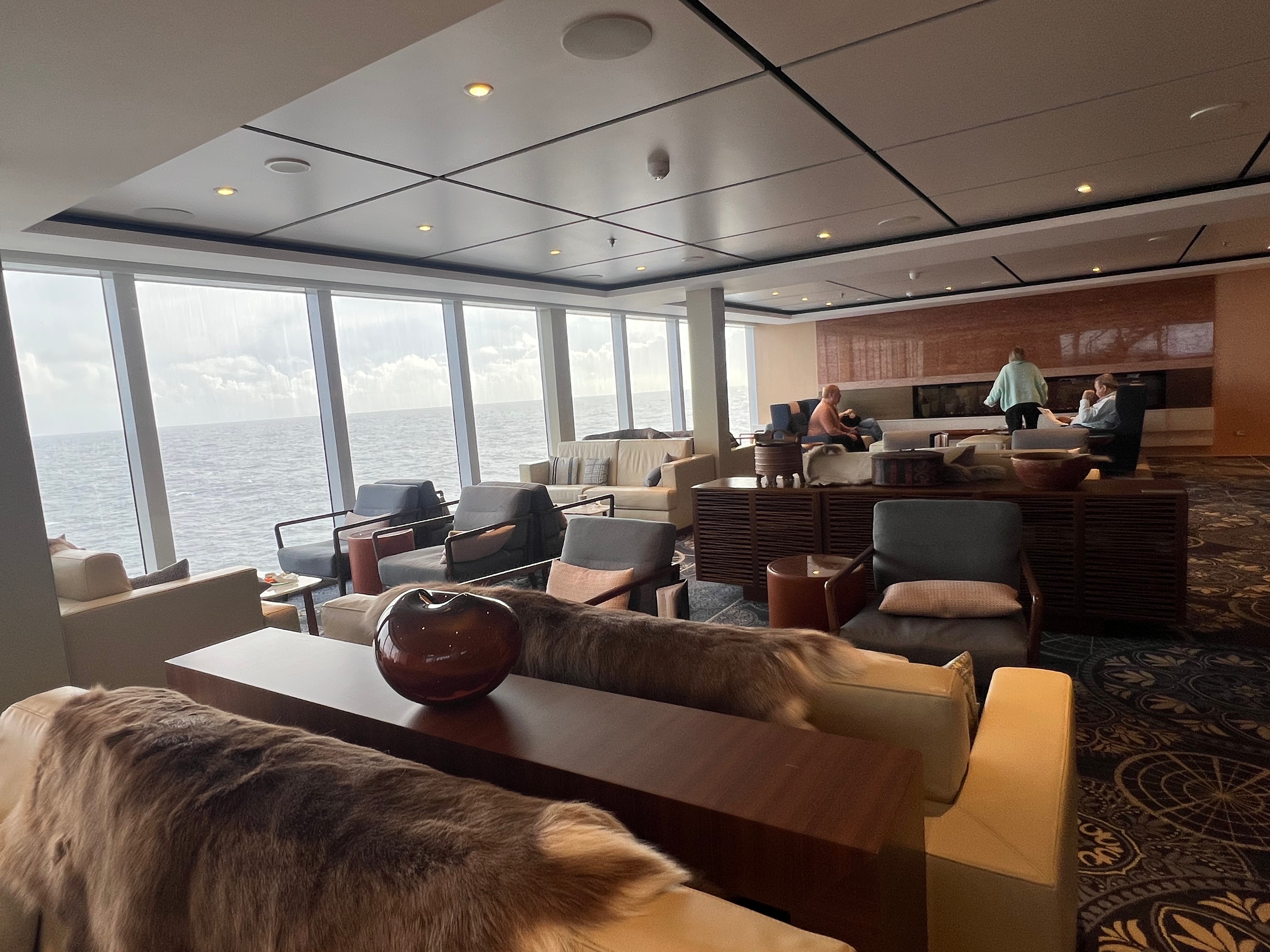
Spanning two decks, the Explorer’s Lounge is one of Viking Vela’s most beautiful spaces, and Paps Explorer’s Bar complements it perfectly. Ideal for a relaxed post-dinner drink or a late-night gathering, this space encourages conversation, contemplation, and possibly one drink more than planned.
Pool Bar
Casual, efficient, and exactly what it should be. Ideal for daytime refreshments, especially when paired with the gentle illusion that you might eventually go swimming.
What truly sets Viking’s bars apart is the service. Across all venues, the bartenders and bar staff are friendly, attentive, and genuinely personalised in their approach. They acknowledge your presence immediately, remember preferences, and create a welcoming atmosphere without feeling scripted or mechanical.
This stands in sharp contrast to the dining venues, where service often feels routine, impersonal, and box-ticking. In the bars, there’s warmth, engagement, and professionalism — the kind of hospitality Viking promises elsewhere but consistently delivers only here.
It leads to an unavoidable conclusion.
Final Sip:On Viking Vela, the “B” in F&B clearly outperforms the “F.” Drinks are well curated, the venues are beautiful, and the service is genuinely excellent.
So perhaps Viking has quietly cracked the code:
If you can’t always impress with what’s on the plate, make sure what’s in the glass is very, very good. Judging by the smiles in the bars each evening, Viking might just be promoting a liquid diet — and honestly, it works far better than expected.
ENTERTAINMENT – BELOW EXPECTATIONS
Viking Cruises has made a deliberate and very public decision to replace the word “entertainment” with “enrichment.” On paper, this sounds noble, intellectual, and aspirational. In reality, it feels like a clever rebranding exercise designed to disguise a curious mix of limited imagination and even more limited budget.
The official promise — “Onboard experiences designed to optimize onshore discovery” — matched perfectly the rushed, blink-and-you-miss-it port calls of the Iberian Explorer itinerary. When your shore time is measured in minutes rather than hours, enrichment becomes less about discovery and more about damage control.
Let’s take this cultural journey, one lukewarm activity at a time.
Guest Lectures: Wikipedia at Sea
Viking proudly advertises its guest lecturers and resident historians, promising insights into art, architecture, music, geopolitics, and the natural world. Admirable ambitions — unfortunately undermined by content that felt firmly aligned with an audience whose intellectual comfort zone rarely ventures beyond Fox News. The level of discourse was so diluted it catered perfectly to guests who still believe Spain’s traditional dance is called “flamingo” (a real conversation overheard onboard) and who struggle to locate Gibraltar on a map without assistance. No matter how charismatic or competent the lecturers themselves were, the material felt designed for short-term memory retention — useful mainly for winning trivia contests later that evening. In the age of Google, Wikipedia, and YouTube, anyone can become an overnight expert on Philip II or Franco. What’s missing is depth, challenge, and context — precisely what enrichment is supposed to provide.
Port Talks: Adjectives Without Action
Then there were the Port Talks, intended to offer informative multimedia previews of upcoming destinations. In theory, these should build excitement and curiosity. In practice, they felt like a PowerPoint presentation written entirely by ChatGPT after being fed a dictionary of adjectives. Inspiring? Not really. Informative? Barely.
When your port call lasts four hours in Portsmouth or offers a generous 30 minutes in Santiago de Compostela, enthusiasm is already fragile. The Port Talks did little to help — lots of words, very little substance, and absolutely no emotional hook.
To be fair — credit where credit is due — Viking delivered one genuinely outstanding experience: The Metropolitan Opera’s Live in HD presentation of Rigoletto in The Theatre. This two-time Emmy-winning production was superb. The filmed performance, intercut with backstage interviews, costume changes, and technical insights, was everything Viking claims to stand for: cultured, polished, and thoughtfully curated.
If only this level of quality extended beyond the occasional opera screening.
Stage Shows: Time-Fillers Disguised as Performances
Viking’s approach to stage entertainment is the clearest indication that it holds little interest — or investment — in this area. While other cruise lines stage daily theatre productions ranging from spectacular to questionable, Viking Vela’s generous and elegant theatre was instead occupied by nightly exercises in creative minimalism.
A live band (excellent, to be fair) and four singers with the enthusiasm and polish of an art school end-of-year showcase attempted to create the illusion of a cruise show. I managed to endure two nights — during which the Beatles and ABBA were respectfully but decisively murdered on stage.
The staging evoked a Nativity play on the outskirts of a Spanish village — no offence to the village intended — while the choreography appeared to be cut directly from “Moving with the Stars” rather than Dancing with the Stars.

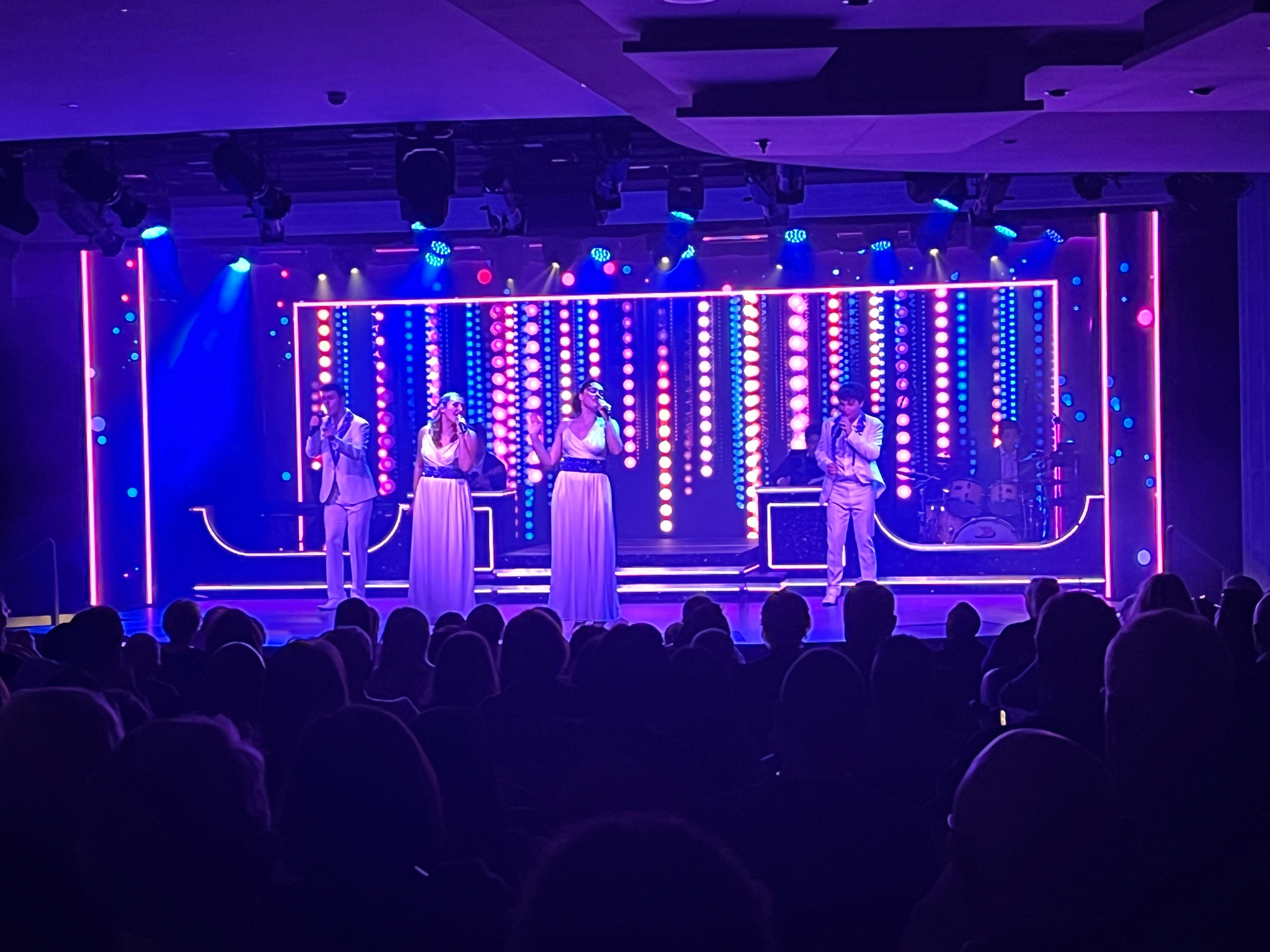
Click here to see the ABBA show on board Viking Vela: https://youtu.be/Aft2JYaKNnU
Live Music: Brilliant Talent, Questionable Placement
Live music onboard Viking Vela was… uneven.
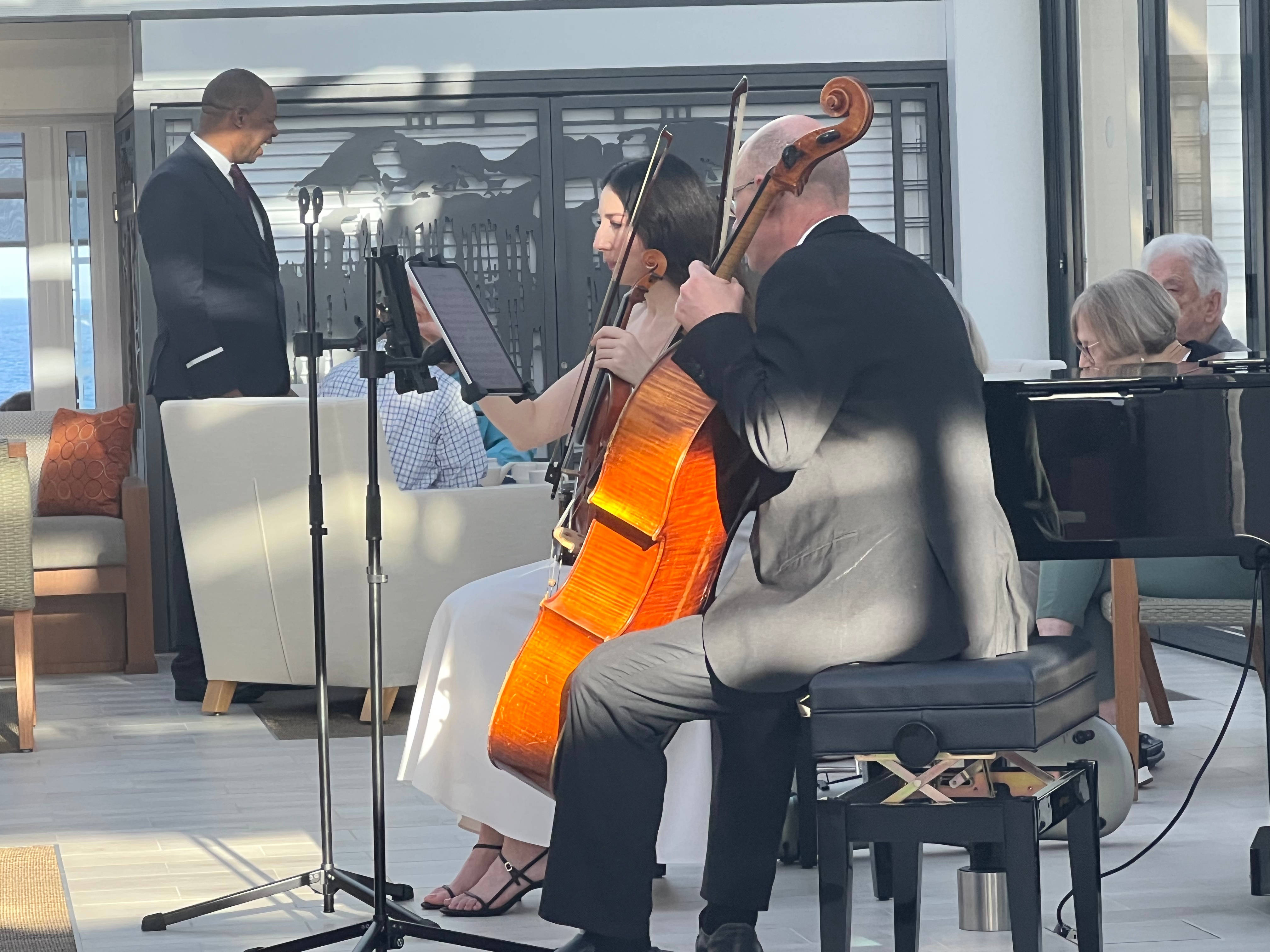
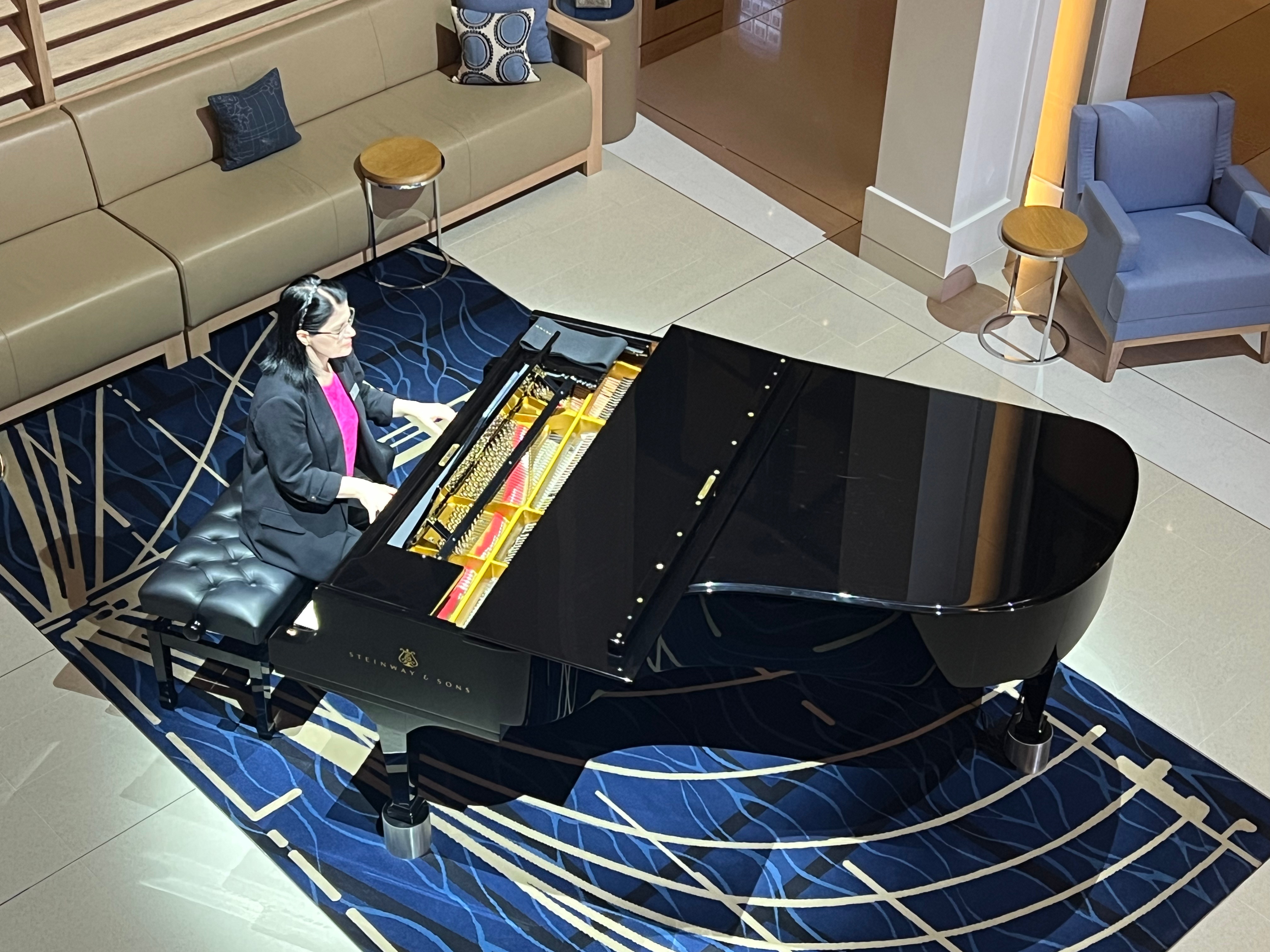
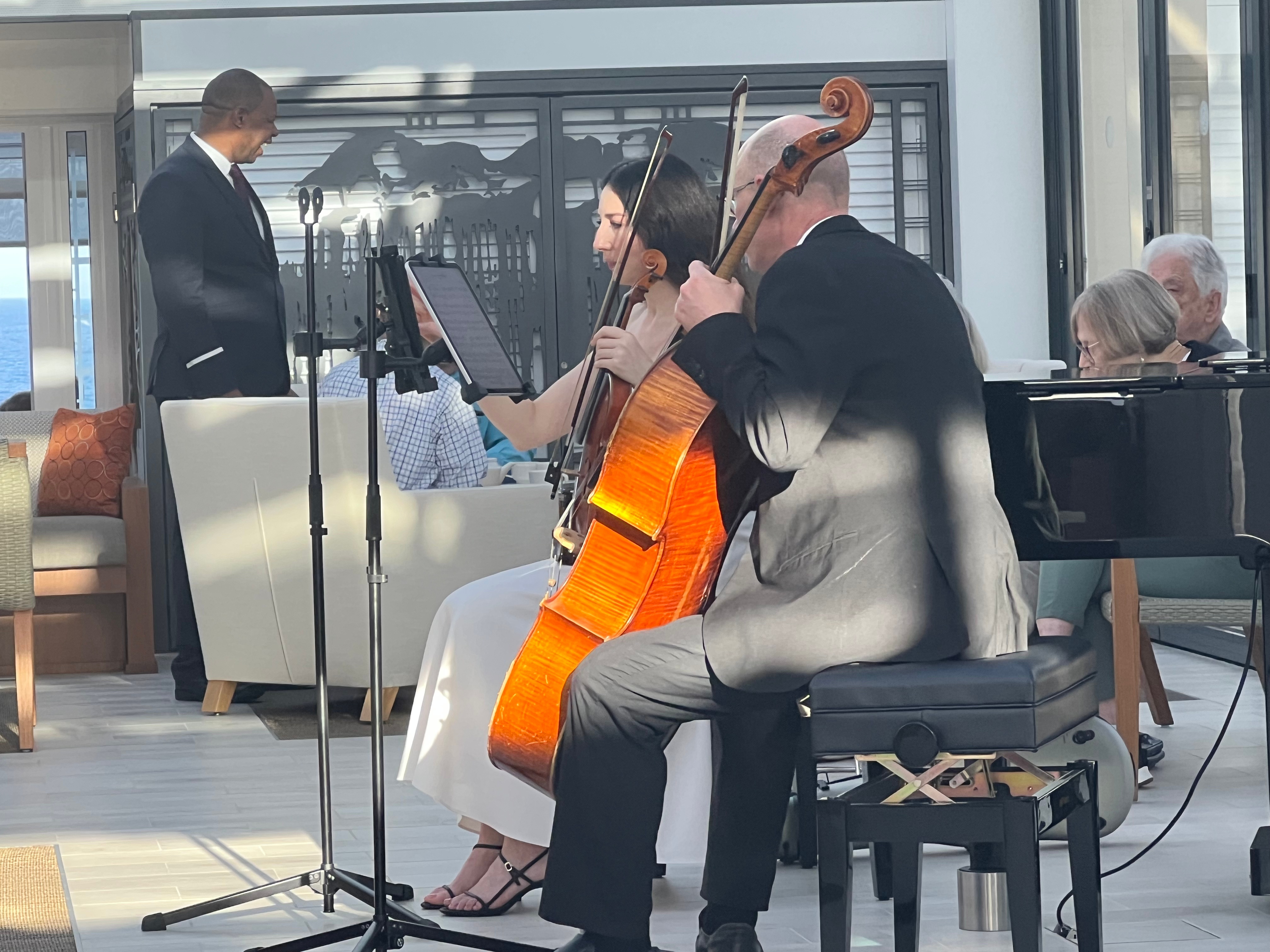
The classical resident artists — Iryna and Ruslan — were genuinely exceptional, delivering refined interpretations of classical masterpieces. Pianist Katerina’s “Munch Moments” were another highlight, blending music and art into a thoughtful, interactive afternoon experience in The Living Room. Unfortunately, these high-quality performances were often placed in spaces designed for background ambiance, not focused listening. Asking guests to appreciate classical music while cocktail glasses clinked around them felt like poor planning rather than enrichment.
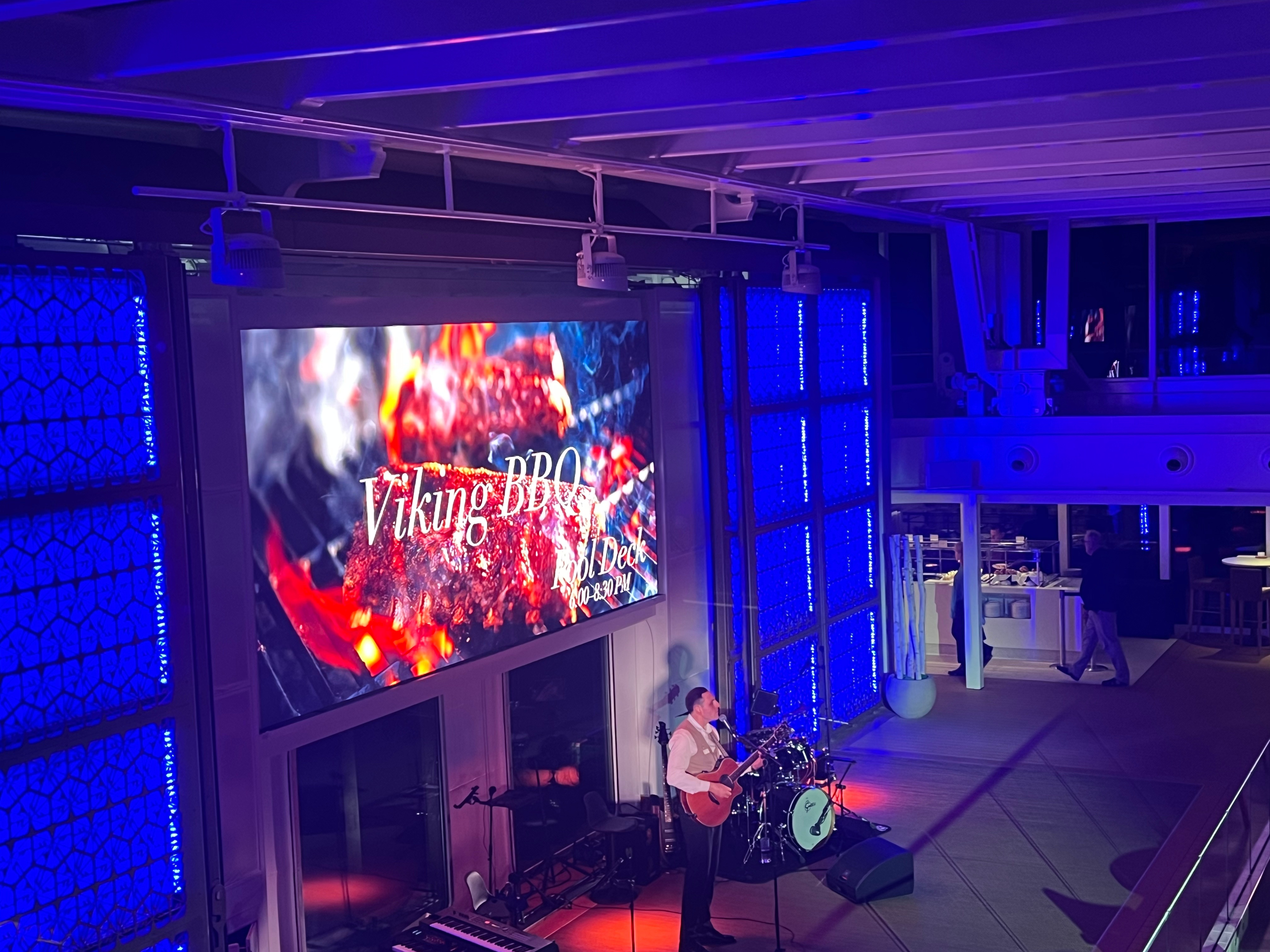
Then there was Alex, the guitar entertainer. His struggles extended beyond repertoire and technique to a fundamental misunderstanding of lounge performance etiquette. Marketed in Viking Daily as “Cocktails and Conversation,” his sets were anything but. They were loud, intrusive, and relentless — more “cowboy bar at midnight” than refined lounge atmosphere. Moved from venue to venue, poor Alex was reduced to fulfilling alcohol-fuelled song requests with competitive volume levels.
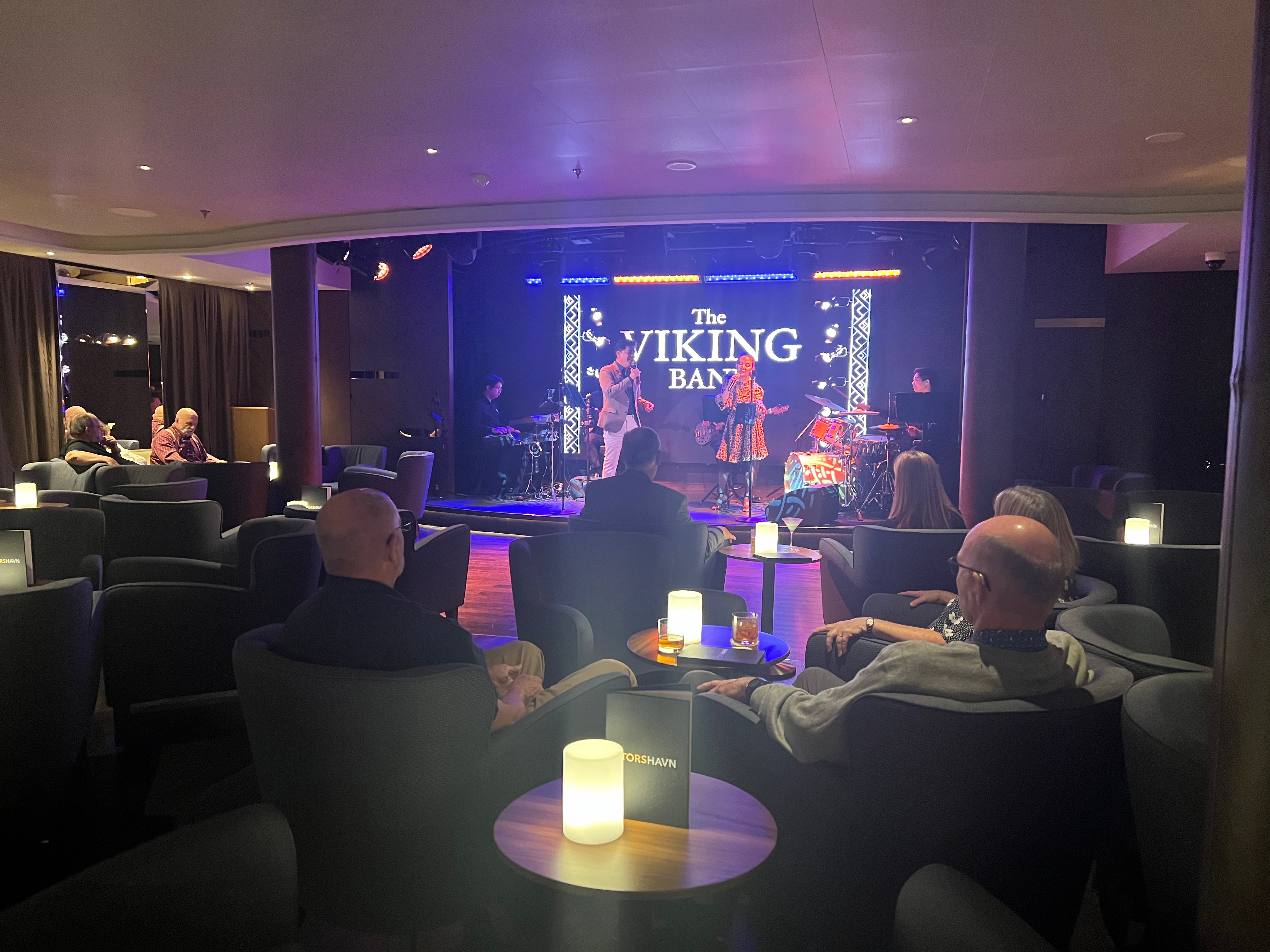
The Viking Band — featuring fantastic vocalists Arlando and Elsa alongside four excellent musicians — was the real breath of fresh air. Their nightly performances in Thorshavn, Viking’s elegant nightclub, occasionally even inspired something resembling dancing.
Admittedly, the repertoire still leaned heavily towards what I can only describe as “pretentious retirement home chic,” but the talent was undeniable, and the energy genuine.
Events: An Enthusiastic “Meh”
Onboard events deserve a special mention — if only for their impressive commitment to mediocrity. Having experienced similar concepts across cruise lines from Royal Caribbean to Regent, MSC to Azamara, Viking’s offerings earned an enthusiastic “Meh.”
The headline events?
A Bingo tournament, a Scavenger Hunt, and a Soup Event. Yes. A soup event.
What’s next? Knitting on roller skates? Competitive napping by the indoor pool?
The much-advertised “Dancing Under the Stars” — postponed due to weather — finally took place around the covered pool area. Despite the heroic efforts of the Viking Band and a hyper-enthusiastic corporate induced entertainment team, the evening devolved into a competition for blankets and fresh air, as guests battled cold temperatures and overwhelming chlorine pool smell.
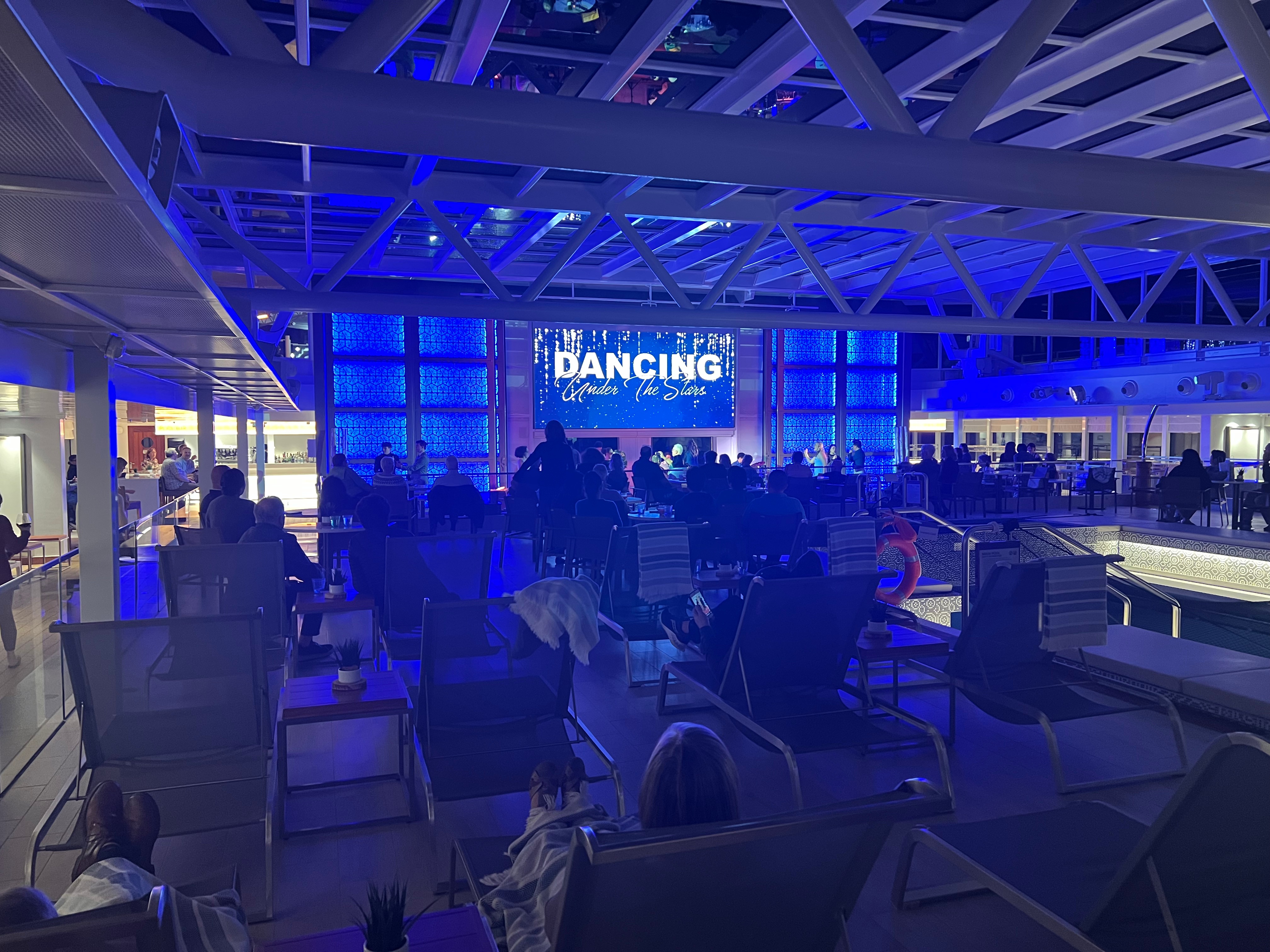
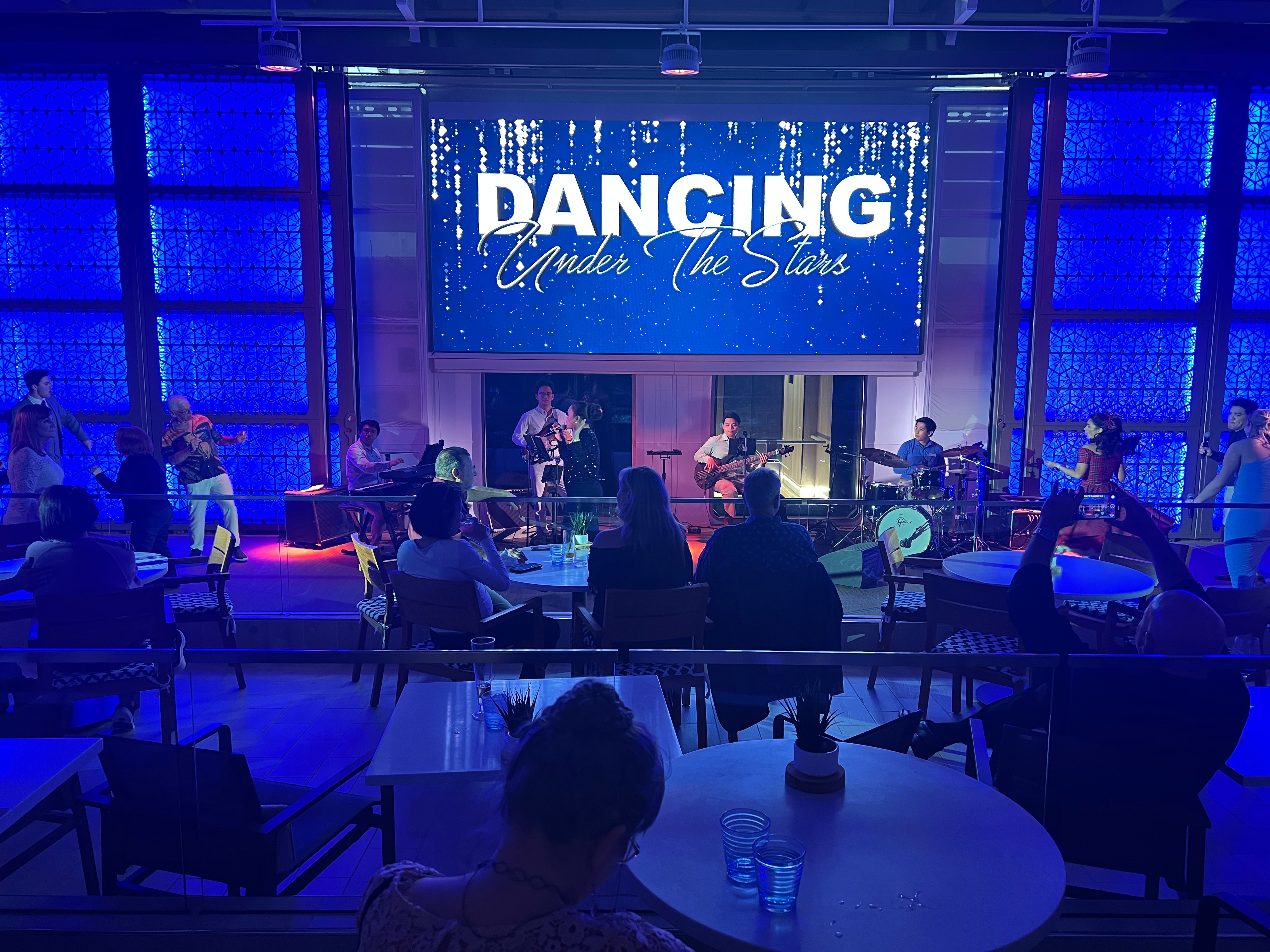

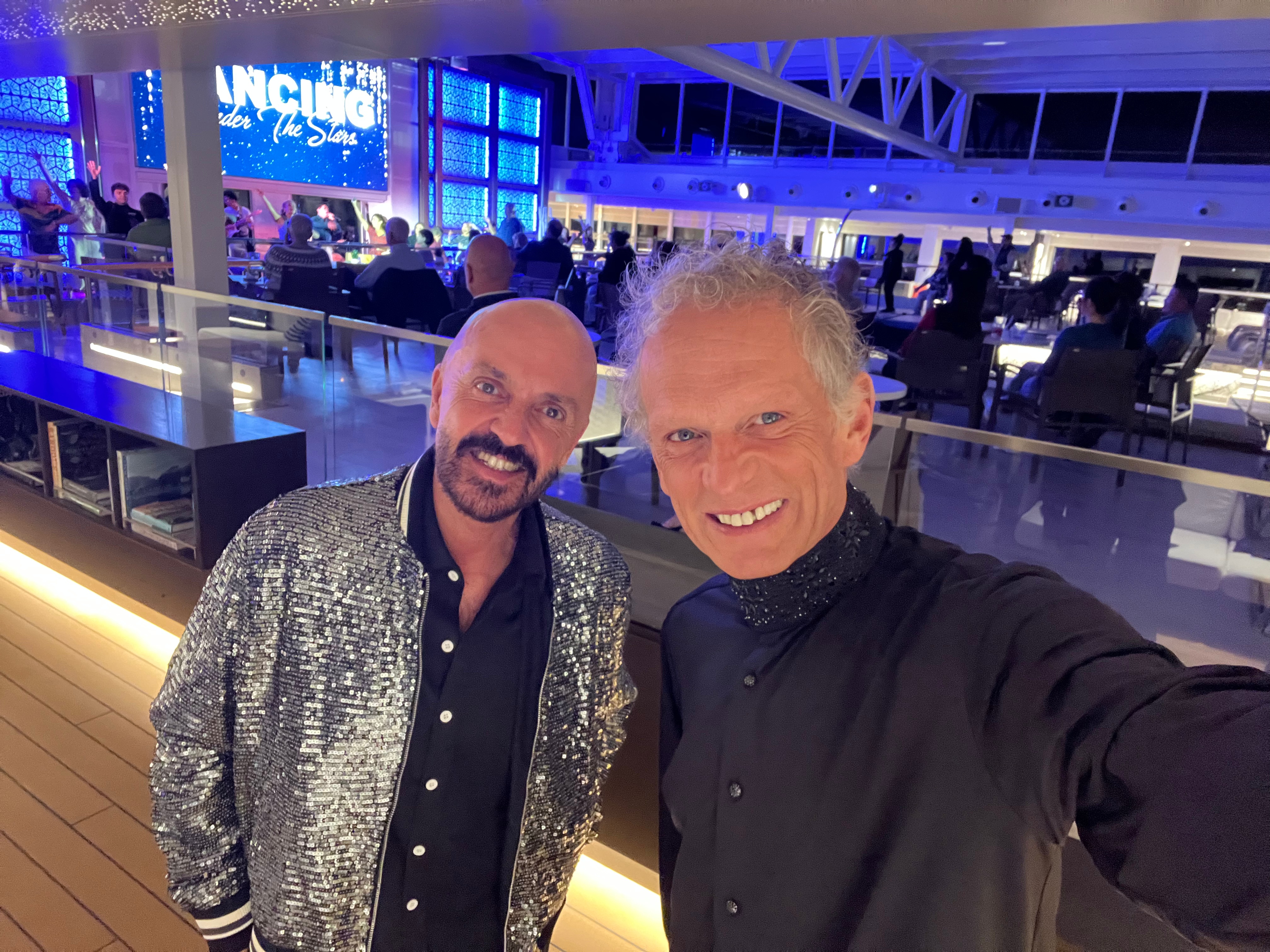
A night to forget — quickly
Click here to see Dancing under the star evening on Viking Vela: https://youtu.be/vvuPTpfHzgw
For Viking, entertainment leadership seems to require the ability to sing — preferably loudly — as cruise directors regularly staged their own shows. Our Cruise Director on Viking Vela was undoubtedly the best singer among cruise directors and the best cruise director among singers. And that says everything.
At least her powerful voice ensured no one missed an announcement — even when it wasn’t broadcast in the cabin. Ego and volume combined. Bless her heart.
Viking does not rhyme with entertainment. And its obsession with “enrichment” does little to disguise the overarching feeling of vapid, drab, and insipid onboard programming, aggressively promoted both online and onboard.
There is talent on Viking Vela. There is potential. But there is also a clear lack of interest — at both ship and corporate levels — in delivering truly engaging, high-quality entertainment.
Viking wants you educated, not entertained.
Unfortunately, most days, you end up neither.
CREW – MET/ABOVE EXPECTATIONS
A cruise ship can have marble staircases, Michelin-adjacent menus and “immersive” enrichment printed in gold leaf, but it’s the crew who decide whether you remember the voyage or just the invoice. A bartender who knows your drink, a steward who reads your mood, a waiter who smiles like it’s genuine—suddenly the sea feels warmer. Ships impress; people connect. And connection, not décor, is what actually floats memories long after disembarkation
On Viking Vela, the onboard staff experience feels like two completely different cruises sharing the same hull. Step into a bar and suddenly you’re on Viking: The Human Edition. Bartenders remember your name, your drink, your mood—and sometimes your life story—while housekeeping operates with ninja-level efficiency, good humour and a sixth sense for when you’ve just left the cabin. Professional, warm, witty, proactive: service with manners and personality.
Then you enter the restaurants, and the atmosphere changes as if someone dimmed the lights and raised the blood pressure. The dining staff often look permanently stressed, trapped in a stopwatch-driven routine, eyes fixed on invisible KPIs rather than guests. Smiles feel rationed, conversations discouraged, feedback politely ignored. It’s not incompetence—it’s management pressure you can almost taste in the soup.
Same ship, same uniforms, wildly different energy. On Viking Vela, the bar teams make you feel welcome; the restaurant teams make you feel… scheduled
The onboard management team on Viking Vela perfected the art of being present yet unavailable. Abrupt, unhelpful and deeply uninterested in feedback, their patronising attitude managed to bully crew and guests simultaneously—a rare managerial achievement. Guest Services operated like well-programmed robots: polite, repetitive, and requiring three requests for one answer. The Cruise Director and Hotel Manager projected enormous importance, even larger egos, and minimal curiosity—chasing compliments while treating constructive feedback like a personal attack. No wonder excellence struggled to surface
For the first time in 100+ cruises, I discovered a new onboard activity on Viking Vela: Social Media Surveillance. After a mildly unflattering Instagram post about port schedules, the Cruise Director left me a cabin voicemail—part tutorial on Viking Daily, part sermon on “the Viking way”, delivered in a tone usually reserved for misbehaving interns. More posts followed, and so did a second voicemail, this time from the Guest Services Manager, effectively summoning me to the Hotel Manager’s office to “explain” my social media behaviour. I declined—being a paying guest, not a junior crew member. What followed was a shipwide game of managerial hide-and-seek, complete with patronising lectures and the vintage cruise mantra: my way or gangway. Feedback clearly wasn’t a gift here—only compliments were currency
Click here to listen to the recorded message from Guest Service Manager: https://youtu.be/5t53Ygi_cJU
Click here to see an example of lack of communication on Viking Vela: https://youtu.be/JKYkDSG7msQ
Trying to police online opinions with pressure and Big Brother theatrics, as I experienced on Viking Vela, feels not just wrong but borderline absurd. Viking happily uses social media—and its fiercely protective fan club—to polish a glossy image. But social media is a two-way street. Bullying, controlling narratives, or excluding voices won’t silence honest opinions; it only raises awkward questions about transparency, reliability, and what’s really hiding behind those shiny accolades
Thank God it was only a week. Would I book Viking Ocean again? Yes… and absolutely no.
No, because the experience feels gloriously pretentious yet strangely hollow: a mainstream cruise wearing a premium tuxedo, priced like luxury but delivering a carefully corporatised version of it. The “Viking way” costs far more than either the hard or soft product can justify.
Yes, but only with a very generous offer, extra perks, and the right price—because once you know what you’re getting, it becomes comedy, not disappointment.
Ignore the glossy brochure filled with silver-haired philosophers gazing at fjords, and the TV ads whispering “enrichment” over slow-motion violins. Manage expectations, chase value, and treat the hiccups as material for excellent dinner-table laughter.
Viking I will be back!
Click here for some AI fun video created with Grok: https://youtu.be/FzoxwVnXnF0
 Leonard Miron